


18th Century Silhouette
These 18th century silhouette pieces capture individual likenesses through enduring profile art that collectors prize for intimate historical connection.
18th Century Silhouette
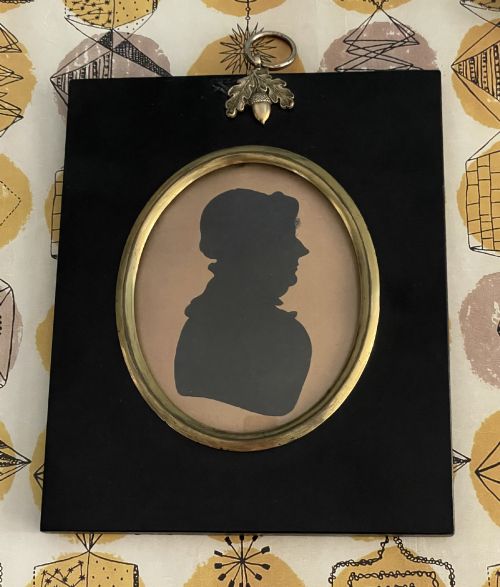
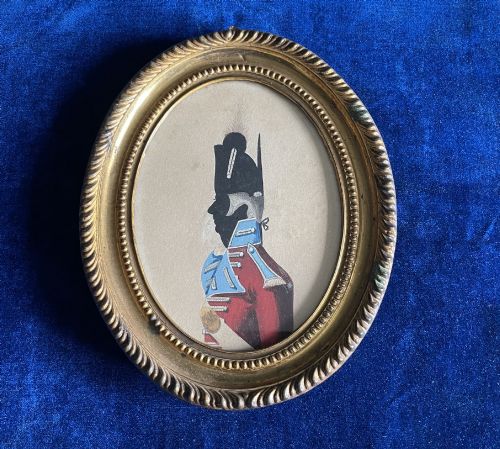
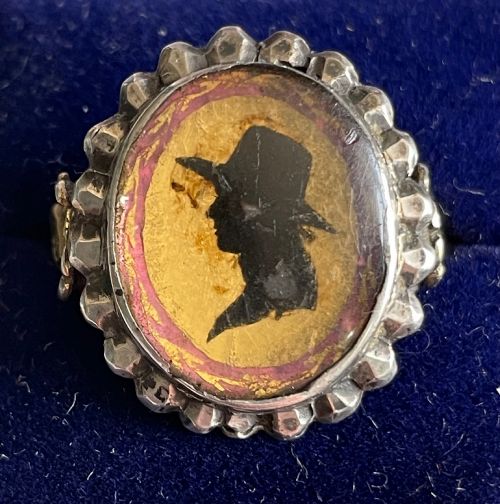
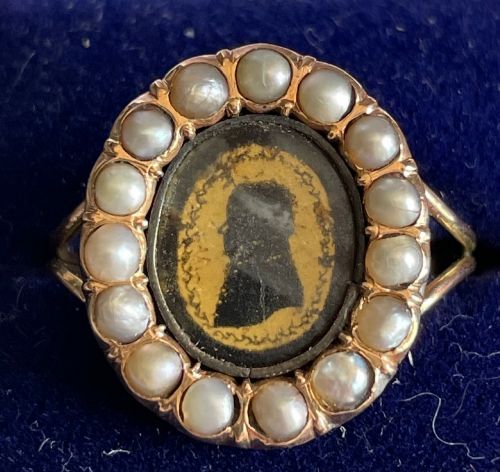
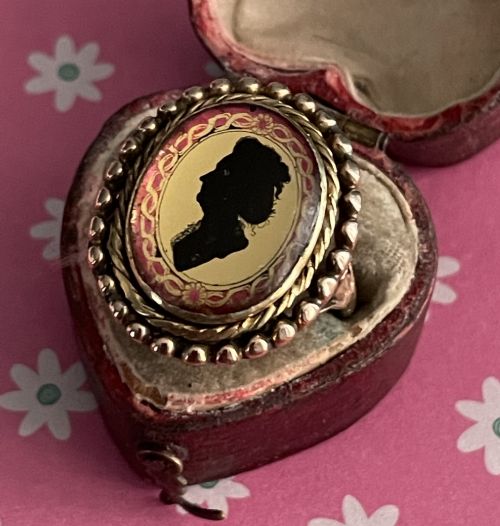
An 18th century silhouette presents a profile portrait, most commonly encountered as miniature wall art, painted glass panels, or wearable jewellery such as rings and brooches. The records show portrait miniatures forming the core of these items, capturing specific historical figures like Lt-Gen. Vernon and Harriet, daughter of John Miers.
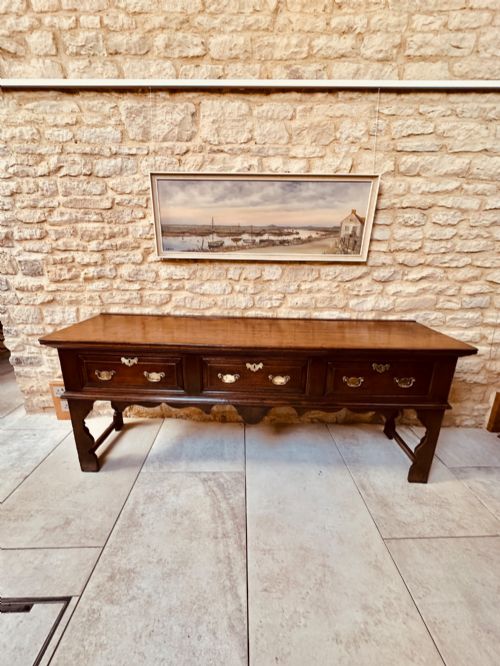
Beyond portable miniatures and jewellery, the listings encompass larger furniture items featuring specific decorative profile supports known as silhouette legs on oak dresser bases. These diverse forms reflect both domestic portraiture and functional country furniture sharing a distinct profile aesthetic from the period.
The objects span Georgian and Regency eras, with occasional pieces stretching into the nineteenth century and the nineteen thirties. Buyers searching for an 18th century silhouette will encounter works executed on paper, glass, plaster, and ebonised wood.
How they were made
Craftsmen utilised glass, paper, plaster, and gold leaf to render these precise likenesses, often combining pigment with ebonised wood frames. Verre églomisé techniques appear on glass pieces, creating metallic silhouettes backed with intricate gilt detailing.
Makers applied dark pigments directly onto plaster or glass, while others cut paper and pastel elements by hand, as seen in signed pendant miniatures and rings. Structural furniture pieces employed oak, ash, and pine, incorporating shaped legs cut in profile to echo the visual lightness of portrait silhouettes.
Lt-Gen. Vernon maintains strict guard at the Tower of London even in profile.
What varies in quality
The distinction between standard examples and top-tier pieces rests upon the precision of the cut or brushwork, the presence of legible signatures, and documented provenance. Works attributed to known practitioners command attention through superior line definition and careful preservation of delicate paper or plaster surfaces.
Mounting materials and associated casework also dictate distinction, where original brass frames, gold settings, and intact verre églomisé panels elevate the object. In furniture, the crisp execution of silhouette legs on period oak dressers separates standard country pieces from finer bespoke constructions.
John Miers·Nathaniel Bermingham·James Gillespie
The 18th Century Silhouette Glossary
- Verre églomisé
- A method of applying gold leaf onto glass and etching a design through it. This technique frames many Georgian miniature portraits.
- Profile
- A side-on view of a human face or figure. Silhouettes rely entirely on this outline to convey identity.
- Dresser base
- A low wooden storage unit with drawers or cupboards. Certain regional examples feature distinctive cutout legs.
- Miniature
- A small-scale portrait designed for personal carriage or intimate display. These portable works frequently double as jewellery.
- Provenance
- The documented history of ownership tracing an object back through time. Good records substantiate attribution to specific makers.
18th Century Silhouette: Frequently Asked Questions
What materials did artists use?
Artists worked with paper, plaster, glass, and pigment, frequently housing profiles in ebonised wood or brass frames. Gilt highlights and gold leaf often enhance the contrast against the dark silhouette.
Some pieces incorporate verre églomisé, where designs are etched into gold leaf on glass. Furniture makers also utilised oak, ash, and pine for larger pieces incorporating silhouette design elements.
How are pieces signed or dated?
Makers often signed miniatures on the reverse or directly on the painted surface, sometimes including dates or sitter names. Inscriptions written verso provide vital historical context regarding the subject and execution date.
Unsigned pieces rely on stylistic markers, materials, and framing techniques to determine their approximate period of manufacture. Surviving documentation or family records further help establish authenticity.
What is a silhouette dresser?
A silhouette dresser is a regional oak, ash, or pine furniture piece featuring legs cut into distinct profile shapes. These functional country pieces incorporate decorative woodwork that mirrors the profile aesthetic of portrait silhouettes.
They combine practical storage with stylistic flourishes typical of eighteenth-century craftsmanship. The term connects domestic cabinetry with the broader artistic vocabulary of the period.