

Antique Profile Portrait Painting
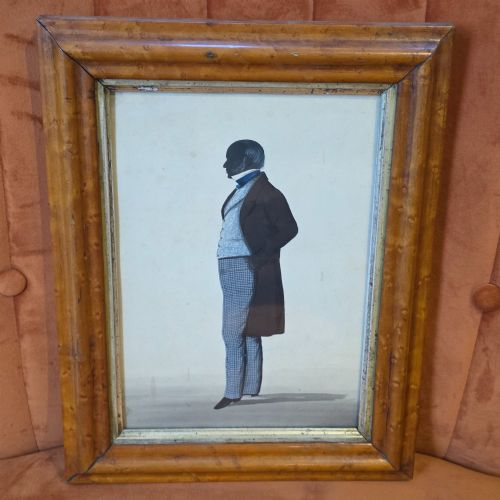
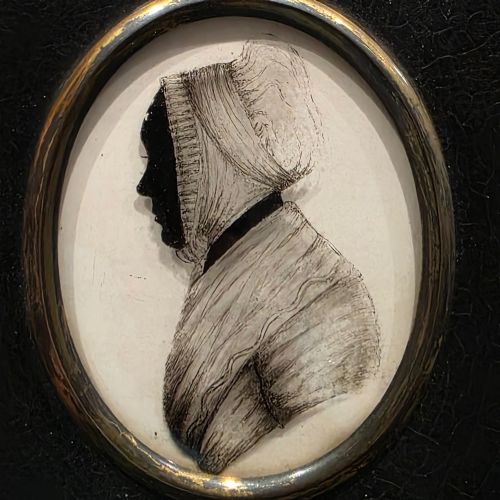
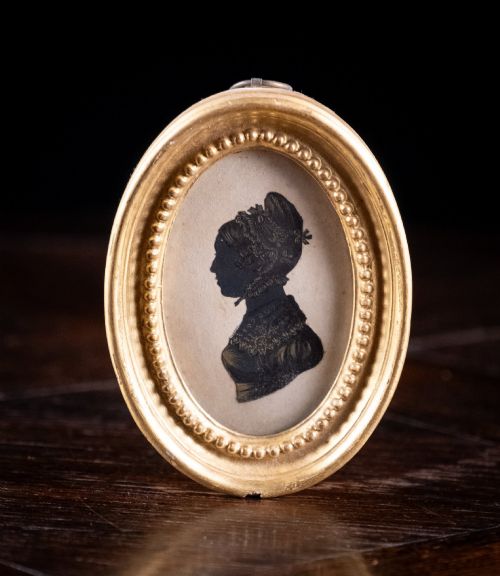
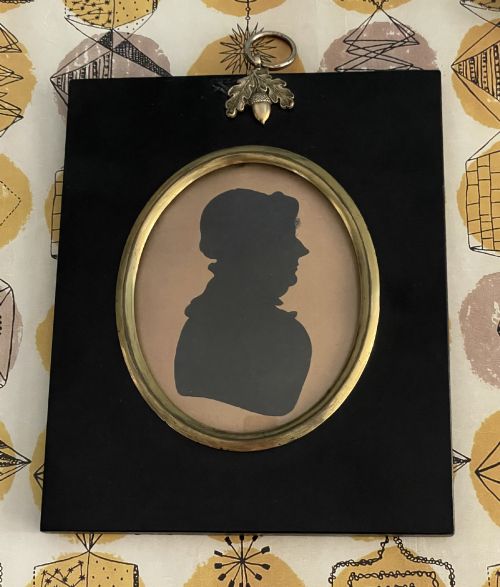
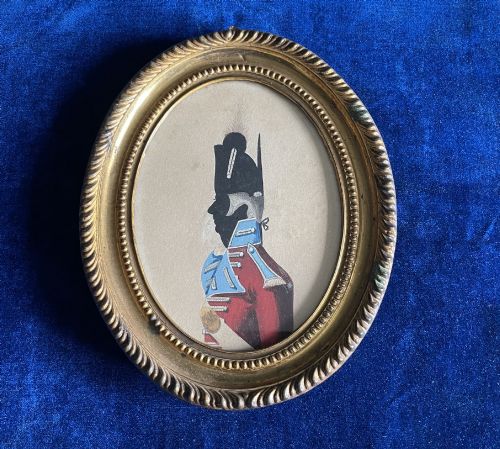
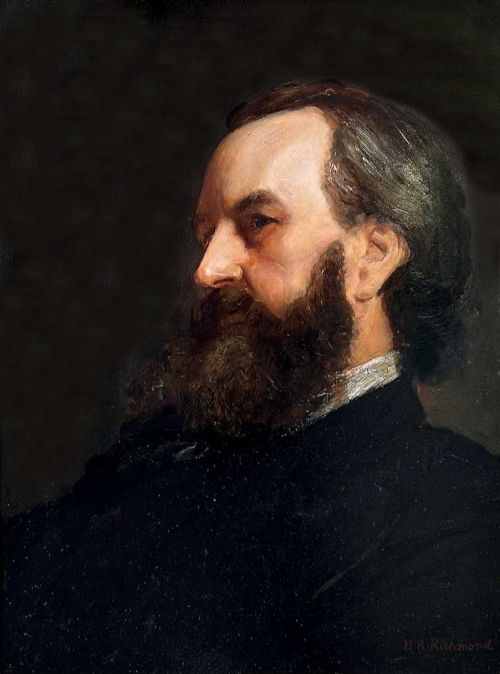
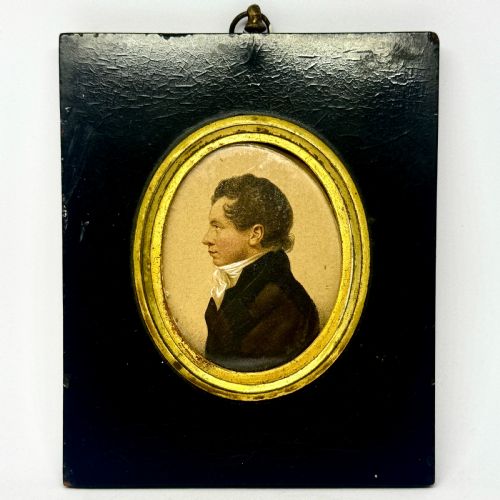
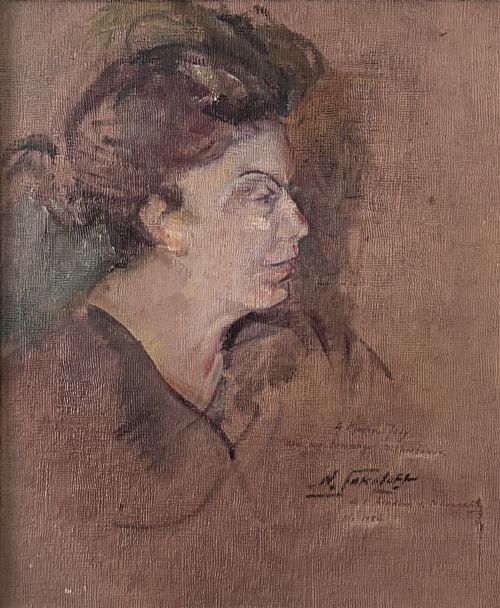
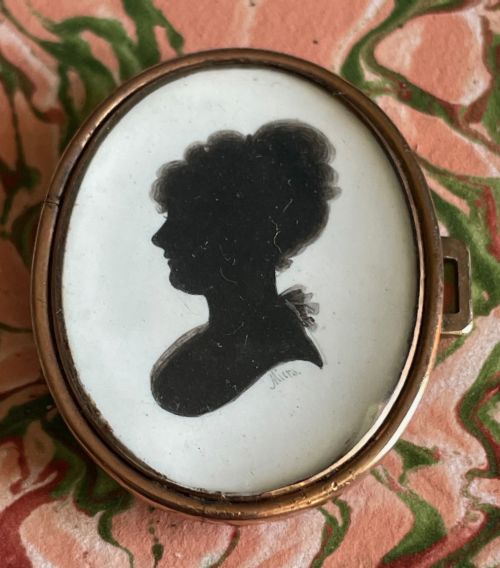
An antique profile portrait painting captures a subject in silhouette or side view, offering a glimpse into personal history through painted, watercolour or sketched likenesses.
What an antique profile portrait painting is
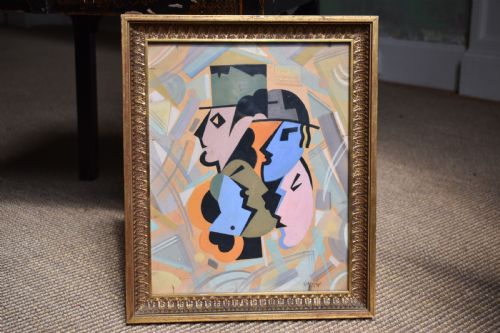
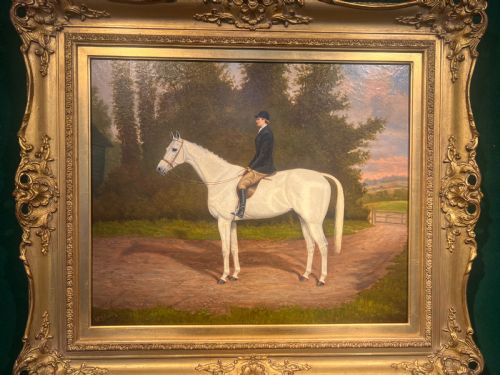
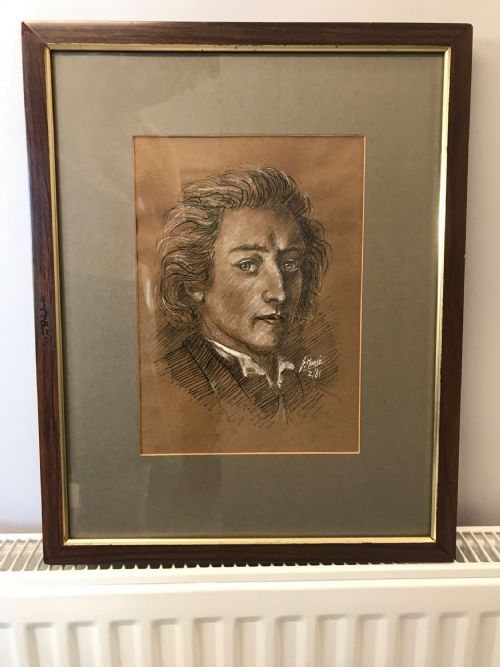
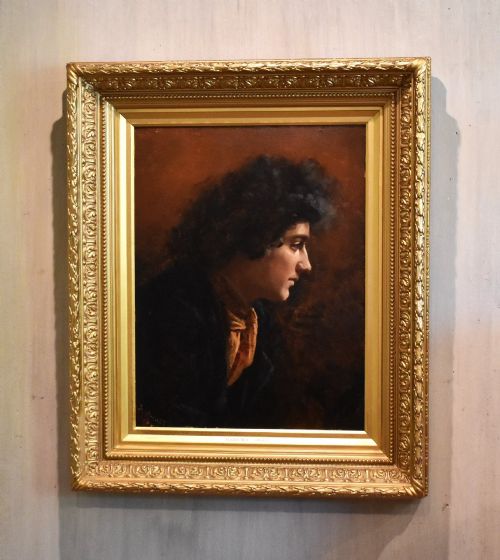
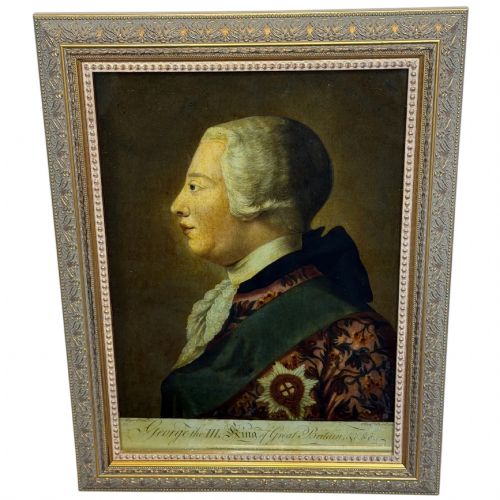
Collectors encounter everything from intimate watercolour wash sketches on paper to substantial oil paintings on canvas, wood panel and board. Subjects range from named historical figures like Prince Albert and Viscountess Gormanston to distinguished gentlemen, ladies in classical dress and Bloomsbury group figures.
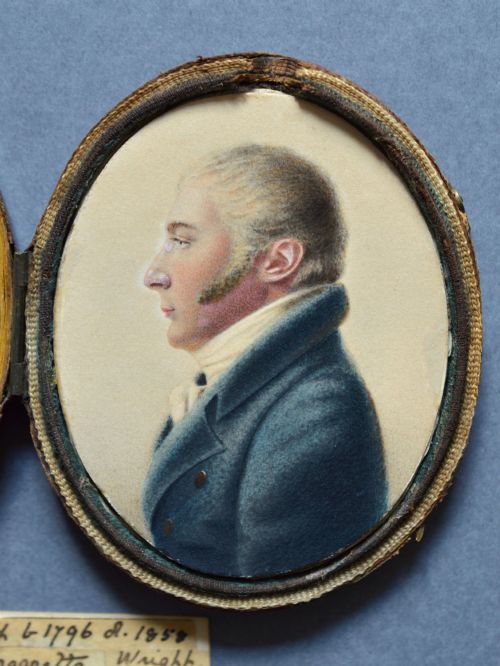
The most common versions met on this page are nineteenth century works and portrait miniatures framed in brass and ebonised wood behind glass. They offer direct visual contact with past sitters, rendered in styles spanning Georgian, Victorian and Pre-Raphaelite traditions.
How they were made
Artists painted these profile studies using watercolour on paper or oil on canvas, wood panel and board, sometimes laying oil canvas onto card for stability. Portrait miniatures often incorporated delicate media on ivory, mounted behind protective glass to preserve the fine pigment.
Frames played an integral structural role, utilising ebonised wood and brass surrounds to house and protect the delicate painted surfaces. Watercolour sketches relied on paper supports, whereas larger oils required woven canvas or rigid wooden panels.
Retail Price Guide 2026
Typical UK retail prices for profile portrait painting, calculated from the Sellingantiques database of over a million retail prices indexed since 2003. This retail price guide relies exclusively on Sellingantiques data; no external sources or auction records are used, so the figures do not describe the wider market.
Listings feature works spanning the Georgian and nineteenth centuries up to nineteen twenty, created in oil, watercolour, and mixed media.
What varies in quality
Quality rests upon the precision of the draughtsmanship and the artist's ability to render a lifelike likeness within the strict confines of a profile view. Finer works display confident brushwork or delicate watercolour washes that capture character and bone structure with economy.
The integrity of the materials and framing also separates pieces, with original brass mountings, ebonised wood housings and protective glass contributing to the preservation of the painted surface. Named attribution and recorded provenance elevate certain works above anonymous school pieces.
James Gillespie·Archibald Skirving·Rudolf Hausleithner·Emil Danielsson·James Dromgole Linton
The Antique Profile Portrait Painting Glossary
- Profile portrait
- A painting or sketch depicting a human head from the side rather than straight on. This format emphasises the clean silhouette and distinct facial contours of the sitter.
- Portrait miniature
- A small-scale painting executed with meticulous detail, often intended for private viewing or personal wear. These works frequently feature watercolour on paper or ivory.
- Ebonised wood
- Timber treated to imitate costly ebony, frequently used for dark, polished picture frames during the nineteenth century. It provides a stark contrast against light portraits.
- Watercolour wash
- A thin, transparent layer of pigment applied to paper to create subtle tonal gradations. Artists utilised this technique for delicate sketches and preparatory studies.
Frequently Asked Questions
How should I hang these paintings?
These works suit smaller wall spaces, studies or gallery arrangements where viewers can appreciate their intimate scale. Because many feature delicate materials like paper, watercolour and ivory, keep them away from direct sunlight.
Grouping several profile portraits together creates a striking display reminiscent of historic domestic interiors.
How do I identify the period?
Dating relies upon stylistic clues, framing materials and the medium used by the artist. Georgian pieces often feature specific costume details and delicate watercolour washes on paper.
Later nineteenth century and nineteen twenty works display broader brushwork, diverse supports like wood panel or board, and distinctive framing choices such as ebonised wood and brass.
Are these works original?
The selections shown include original period works dating from the eighteenth and nineteenth centuries up to nineteen twenty. Each piece was created during the era it represents, using contemporary materials.
Signatures, attributions and period mounting help confirm their authenticity and historical origins.