


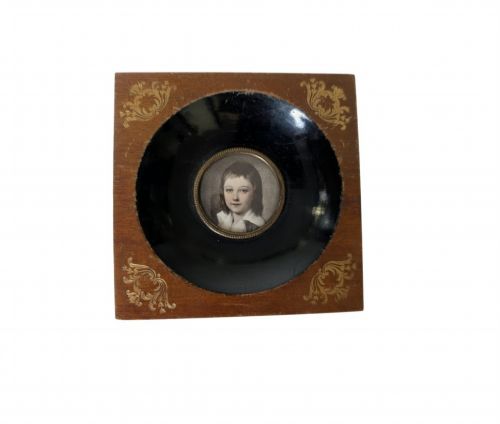
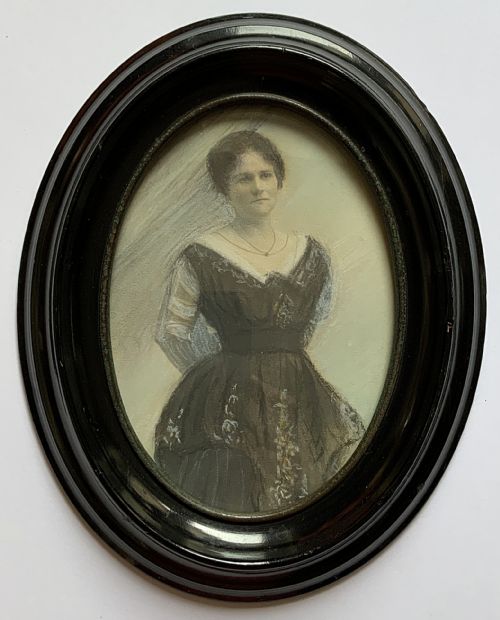
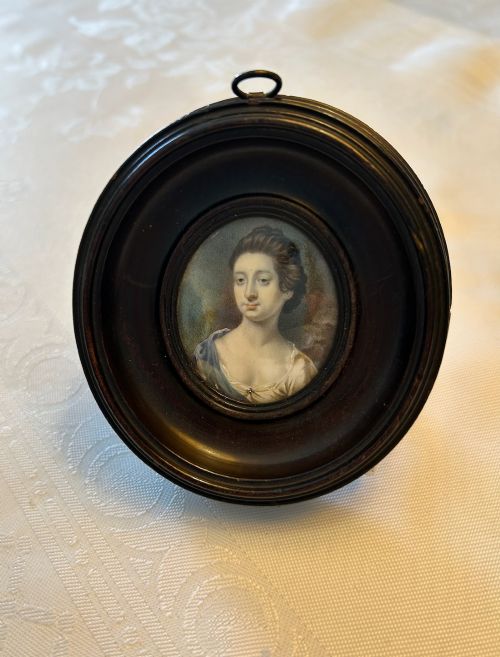
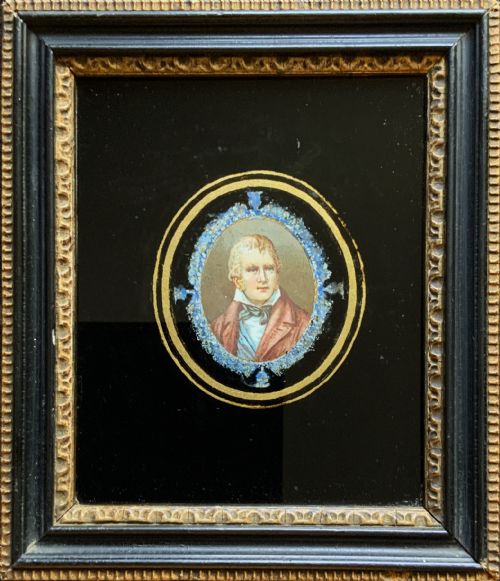


Ebonised Framed Portrait Miniature
These ebonised framed portrait miniature pieces are small likenesses bound in dark wood, prized by collectors for their intimate scale and historical presence.
Ebonised Framed Portrait Miniature
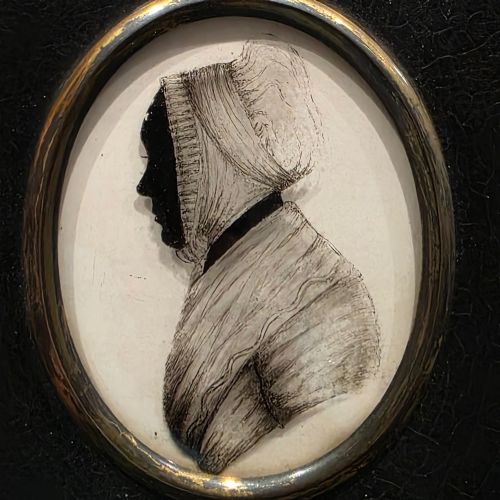
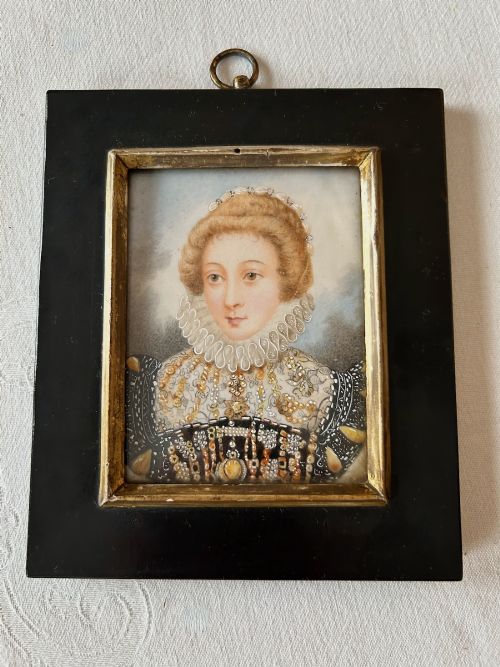
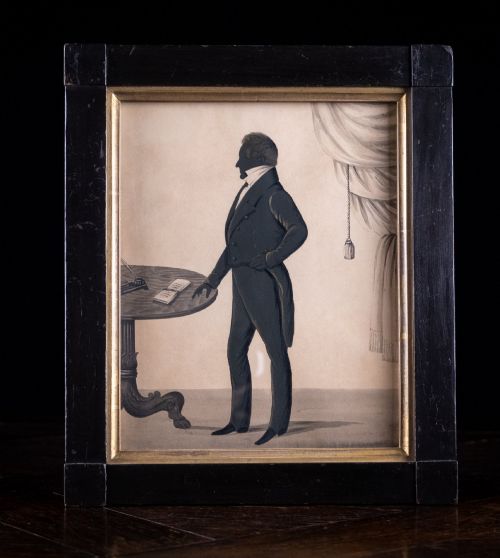
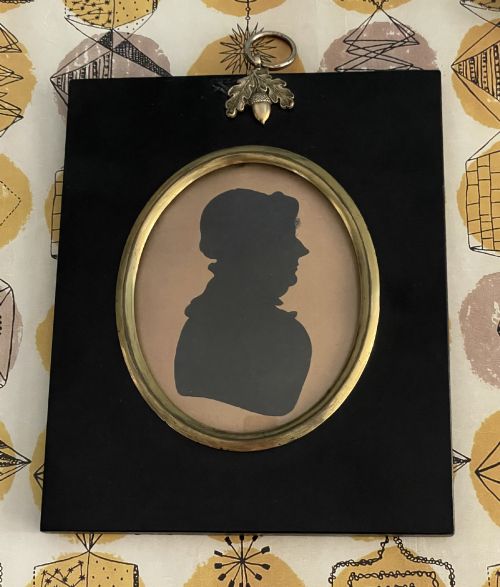
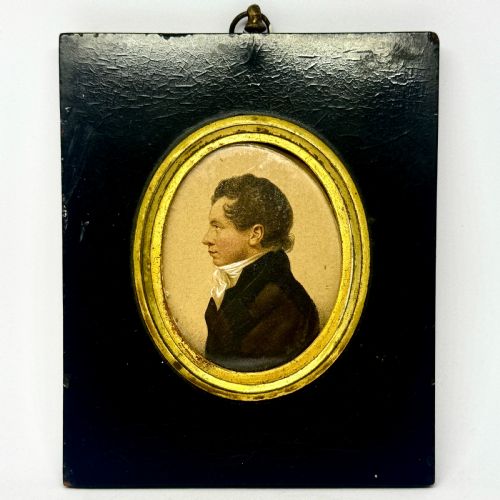
An ebonised framed portrait miniature is a small likeness typically rendered in watercolour, paint, or silhouette, housed within a dark wooden surround. Buyers searching this phrase look for personal portrayals spanning several historical periods, from the seventeenth century through the Victorian era. The selection draws heavily upon Georgian and Regency examples, alongside nineteenth-century works.
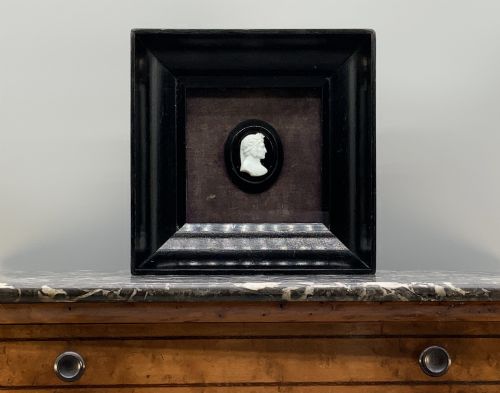
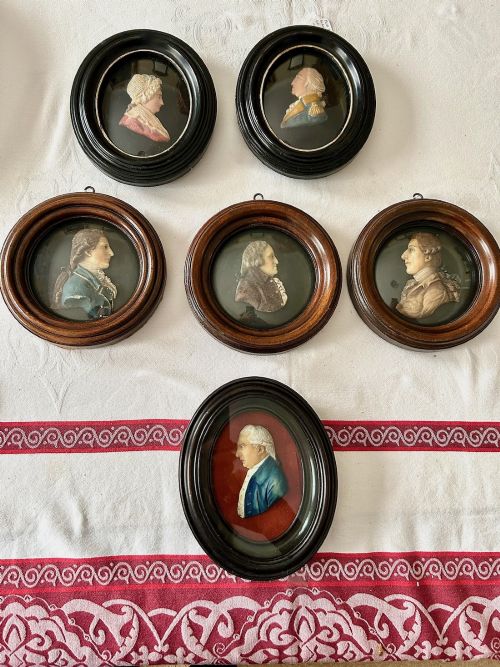
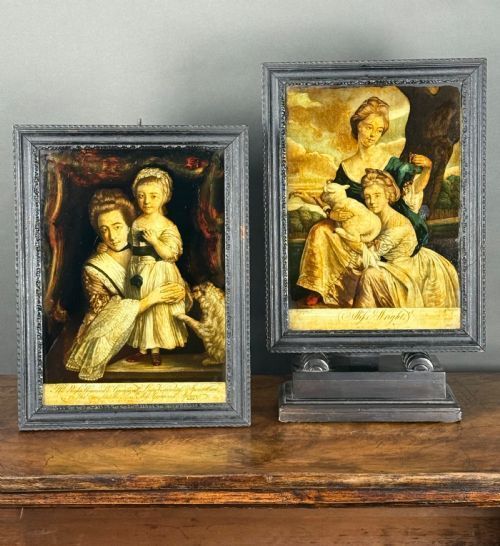
Most entries combine small-scale painting with specialised framing, often oval in shape to suit the portrait format. Common iterations include painted silhouettes on glass, delicate watercolours on card, and carved or pressed materials. These items served as portable remembrances long before photography became widespread.
Materials and construction
Makers utilised wood finished to resemble ebony, paired with protective glass and brass detailing such as small hanging loops or bezels. The imagery itself relies on media like watercolour, ink, enamel, and carved ivory mounted within these dark frames. Gold leaf often appears as subtle highlights on silhouettes or interior bezels.
Techniques varied from direct watercolour painting on paper or ivory to reverse painting on glass and pressed glass paste cameos. The framing process required precise carpentry to house such delicate depths, protecting the fragile artwork from moisture and dust.
Some silhouettes carry handwritten notes tucked into the backboards, offering fleeting glimpses into the personal lives of long-forgotten sitters.
Distinguishing quality
Quality rests in the precision of the likeness and the subtlety of the artist's hand, whether executing a minute watercolour face or a clean-cut silhouette. Superior examples demonstrate fine detail in clothing, hair, and expression despite the diminutive scale. The integration between the artwork and its original ebonised frame also dictates standard.
Materials contribute to distinction, with hand-painted ivory, delicate plumbago works, and reverse glass mezzotints holding greater artistic merit than mass-produced prints. The preservation of the original mounting hardware and glass further elevates the standing of an individual piece.
Henri Fradelle·George Atkinson·James Gillespie·John Taylor·Thomas London·John Miers·Archibald Skirving·Jeremiah Steele
The Ebonised Framed Portrait Miniature Glossary
- Ebonised wood
- Timber treated to imitate ebony, commonly used for dark, polished picture frames. This finish provides a stark, contrasting border that accentuates the lightness of the portrait within.
- Silhouette
- A portrait profile filled in with a solid dark colour, typically black against a pale background. They were cut from paper or painted directly onto card, glass, or plaster.
- Reverse glass painting
- An artistic technique where the image is painted directly onto the back of a glass sheet and viewed from the front. This method imparts a glossy, preserved surface to miniatures.
- Miniature portrait
- A small, highly detailed painting produced on a portable scale. They were frequently worn as jewellery or kept in protective wall frames.
Ebonised Framed Portrait Miniature: Frequently Asked Questions
How were these miniatures displayed originally?
Owners typically hung them in intimate spaces within the home, arranging them in clusters on drawing-room walls. Their dark frames allowed the pale subjects to stand out clearly against patterned wallpaper.
Many were designed with brass hangers or small loops specifically for wall placement, while others rested on surfaces inside protective cases.
How do I date a framed miniature?
Dating relies on the style of dress, hair, and framing materials recorded across different eras. Georgian and Regency pieces often feature distinct profile silhouettes or delicate watercolour techniques.
Later Victorian examples introduce different mounting styles and slightly altered painting mediums on card or paper, aligning with the periods noted in the evidence.
How should I care for my miniature?
Keep these sensitive works away from direct sunlight to prevent the fading of watercolours, papers, and painted surfaces. Ambient moisture control is equally vital for preserving wood and glass elements.
Dust the ebonised frames gently with a dry cloth and avoid using liquid cleaners near the joints or the exposed glass edges.