


Graphite Portrait Drawing
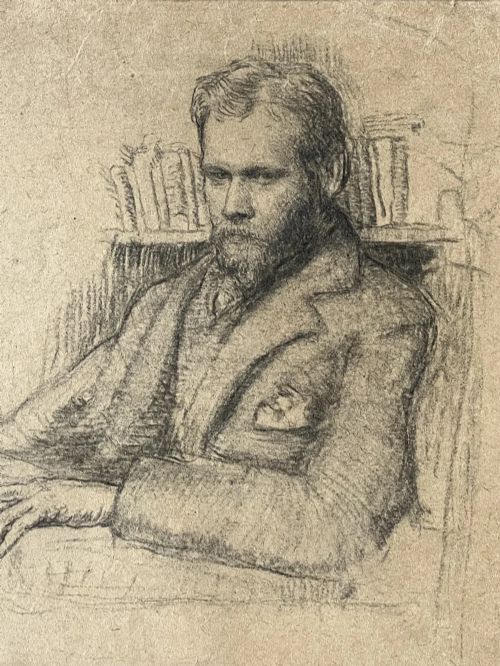
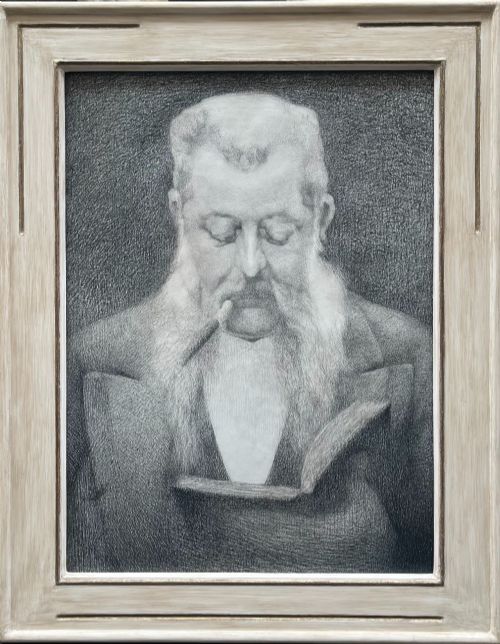
These graphite portrait drawing works capture likenesses in monochrome, offering an intimate glimpse into past lives through skilled draughtsmanship.
Graphite Portrait Drawing
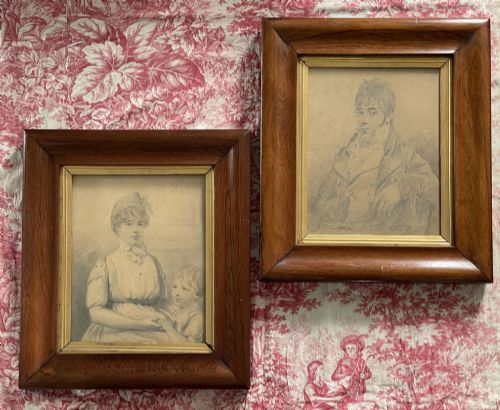
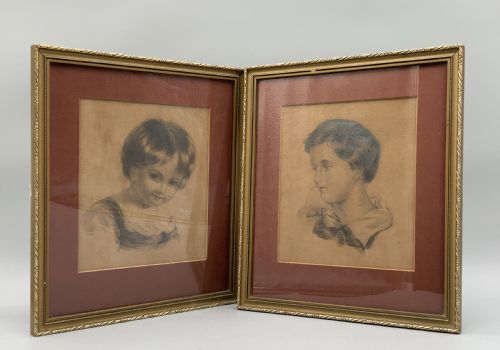
Buyers encounter framed art, original drawings, and portrait miniatures executed on paper. Subjects range from gentlemen and ladies with their pets to children and notable historical figures.
The selection encompasses diverse regional origins, including English and French works, alongside pieces by named artists and anonymous hands working within academic or symbolist traditions.
Materials and Techniques
Artists utilise graphite, pencil, and charcoal on paper supports, sometimes combining media with chalk, ink, or watercolour to enhance depth and contrast. Earlier eighteenth-century examples often employ plumbago, a form of natural graphite used with fine precision to create miniature likenesses.
Frames incorporate glass, wood, and occasionally gold leaf or gilt finishes to protect and display the delicate paper works. The handling of the drawing medium varies from sharp, precise lines in plumbago portraits to atmospheric, softer shading in nineteenth-century charcoal and graphite compositions.
Graphite Portrait Drawing Retail Price Guide 2026
Typical asking prices for graphite portrait drawing among the pieces listed under this phrase on Sellingantiques today, from the lower quarter to the upper quarter. They describe what is for sale here now, not the wider market.
Several portraits preserve the likenesses of family friends and domestic pets, including a dedicated spaniel and a cat.
Evaluating Quality in Portraiture
The sophistication of the handling, whether the minute detail of an eighteenth-century plumbago miniature or the fluid gestural marks of a twentieth-century study, dictates the distinction of an individual piece.
John Taylor·Augustus John·James Ferguson·Ozias Humphry·Sir Nathaniel Dance-Holland·Henri Josephe Hesse
The Graphite Portrait Drawing Glossary
- Plumbago
- An early form of graphite used primarily in the seventeenth and eighteenth centuries for highly detailed miniature portraits. The term also refers to the drawings executed in this medium.
- Graphite
- A form of carbon used as a drawing medium, offering tones ranging from silvery grey to deep black depending on the hardness grade utilised.
- Portrait miniature
- A small-scale painting or drawing depicting a person, executed with intense detail and typically housed in a protective frame or case.
- Symbiosis
- In the context of art styles, symbolist works focus on inner emotional experiences and symbolic imagery rather than strict naturalistic representation.
Graphite Portrait Drawing: Frequently Asked Questions
How do I care for antique graphite drawings?
Keep works away from direct sunlight to prevent the paper from yellowing and the graphite from fading over time. Ensure framing uses acid-free materials and maintains a barrier between the paper and the protective glass.
Display the drawings in stable indoor environments with minimal humidity fluctuations to preserve the integrity of both the paper support and any wooden or gilt frames.
What is the difference between plumbago and standard pencil drawings?
Plumbago refers specifically to works created using natural graphite in its earlier, less refined state, common in the eighteenth century. These pieces usually feature exceptional miniature detail.
Standard pencil drawings utilise manufactured graphite cores encased in wood, becoming more widespread by the nineteenth century for looser studies and finished portraits.
How can I tell the period of a portrait drawing?
Examine the clothing, hairstyles, and facial accessories of the sitter, which often reflect the fashion of the Georgian, Regency, Victorian, or Edwardian eras. The paper type, framing style, and signature style also offer clues to the date of execution.
Compare the draughtsmanship techniques against known examples from specific movements, such as the academic precision of the eighteenth century or the looser realism of the mid-twentieth century.
Are these drawings original works?
The pieces listed comprise original hand-drawn artwork executed directly by the artist using graphite, pencil, charcoal, or ink on paper. Each drawing is a unique creation rather than a reproduction or print.
Signatures, inscriptions, and studio stamps often accompany the works, providing further evidence of their status as authentic period pieces.