
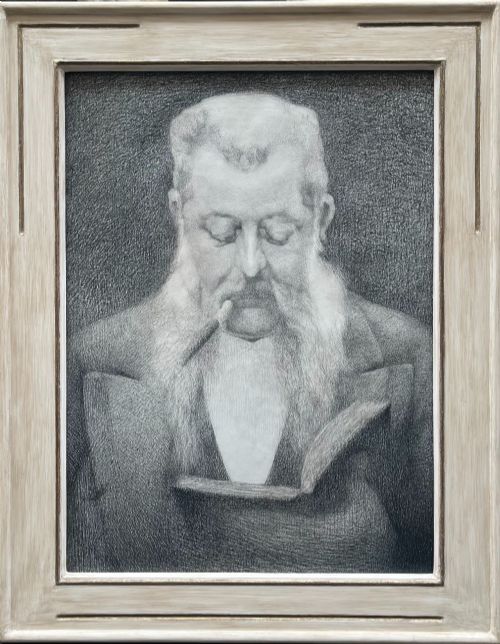
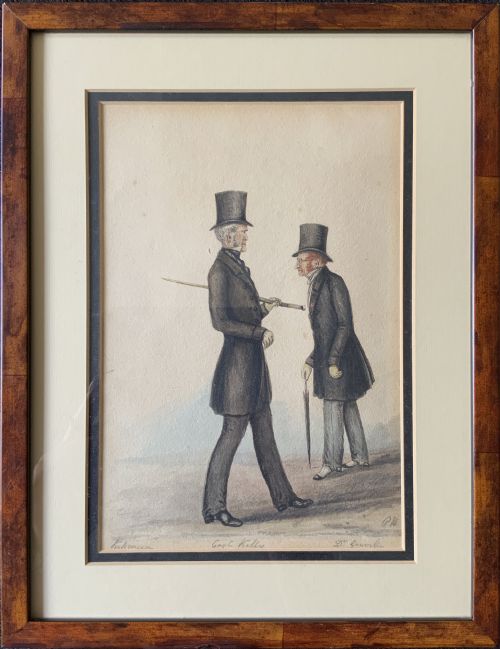
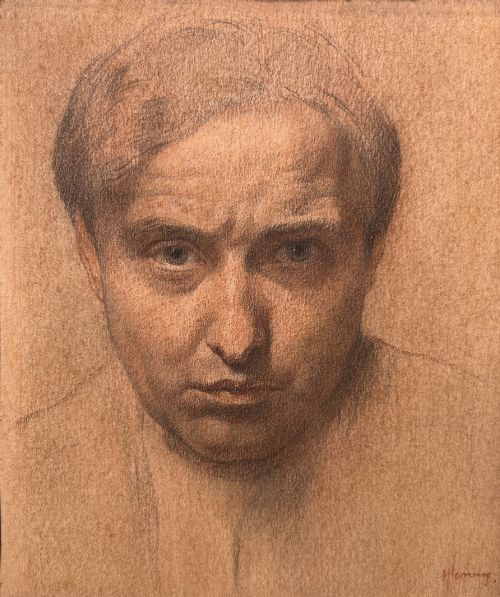
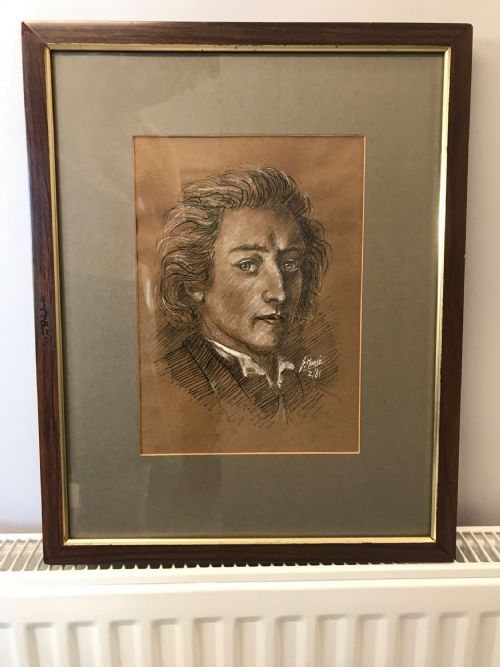
Antique Portrait Sketch
When you handle an antique portrait sketch, you touch the direct, unmediated hand of an artist capturing a sitter long before the camera took hold.
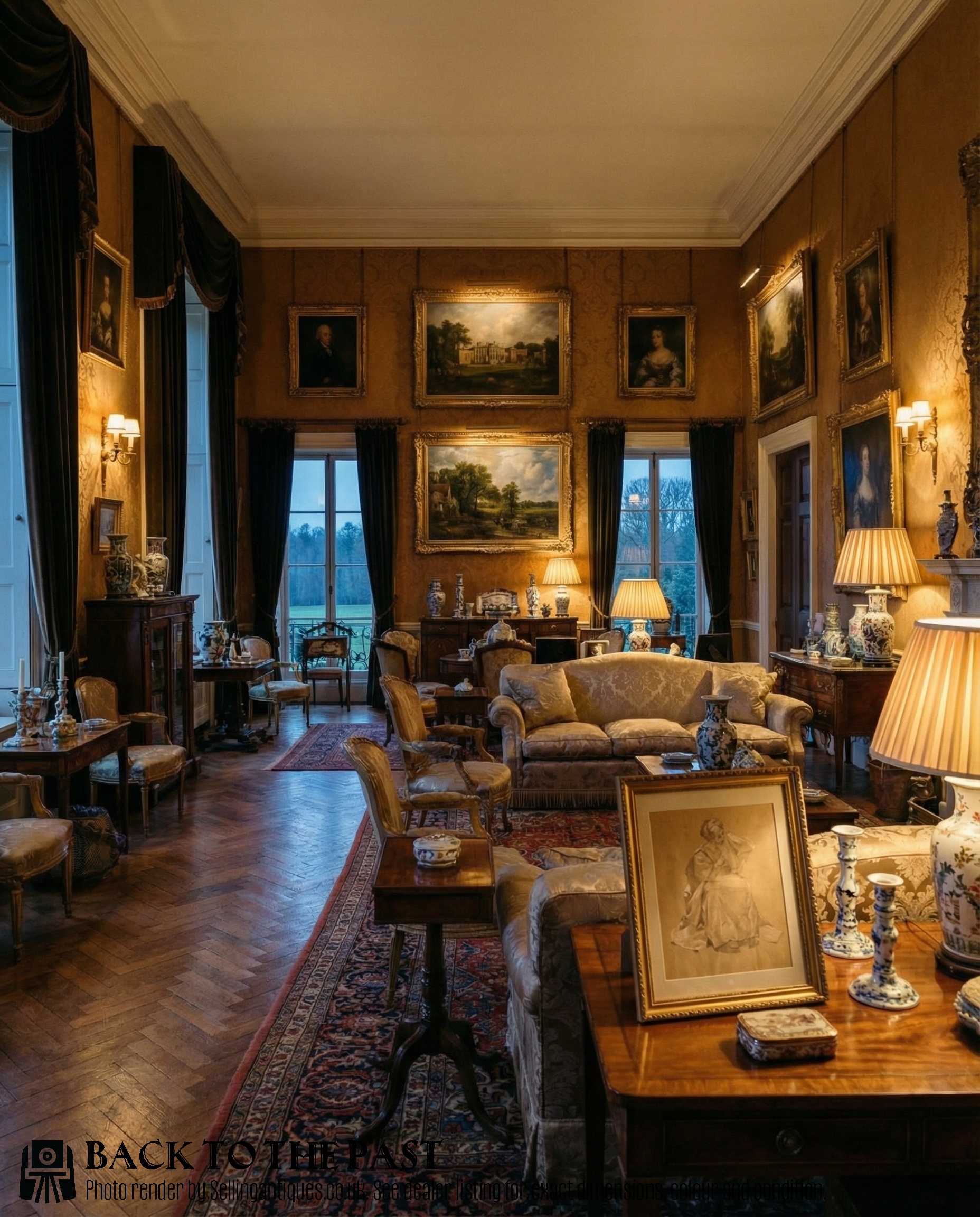
Antique Portrait Sketch
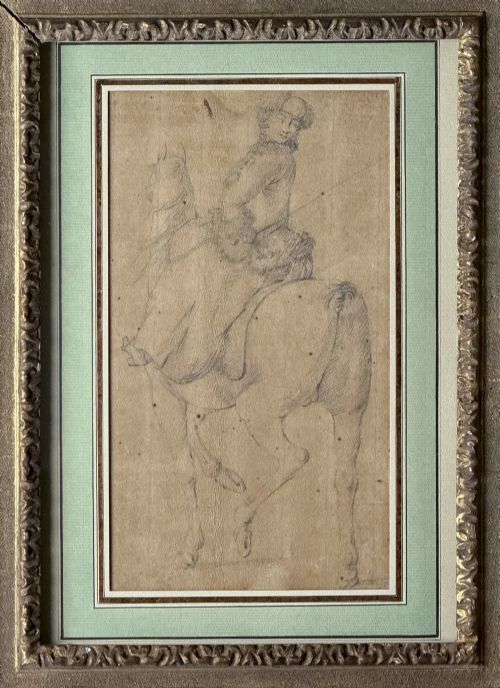
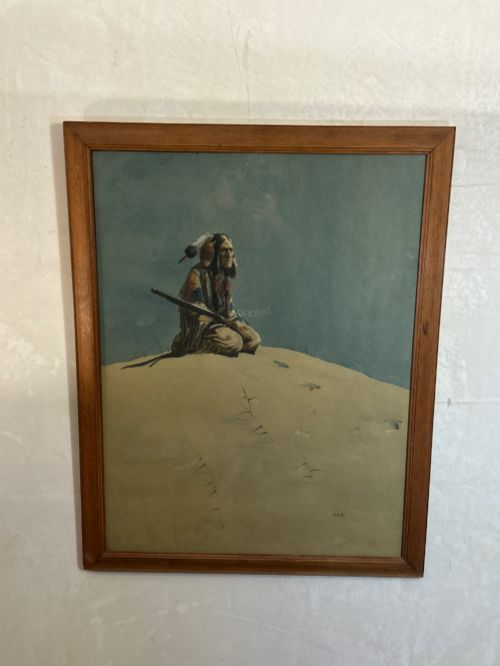
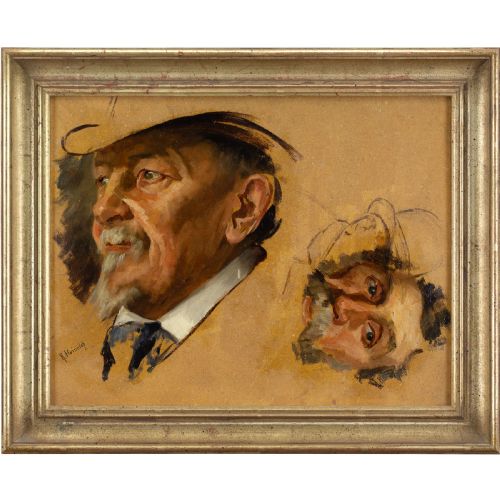
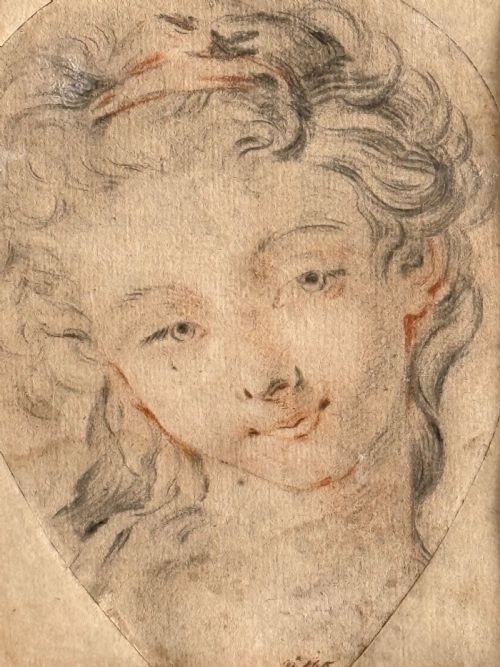
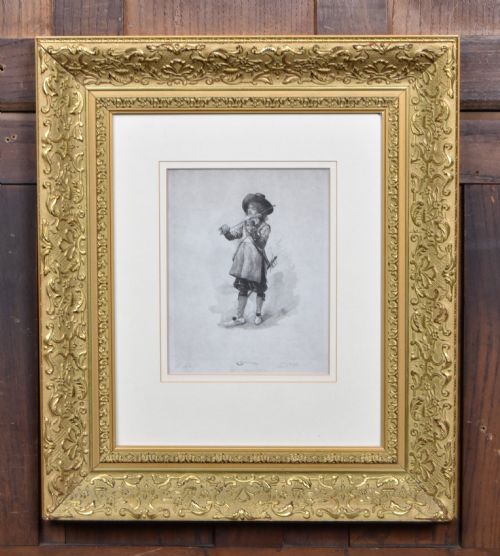
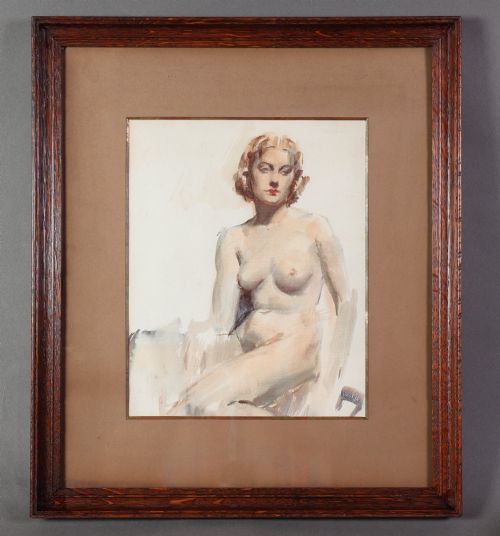
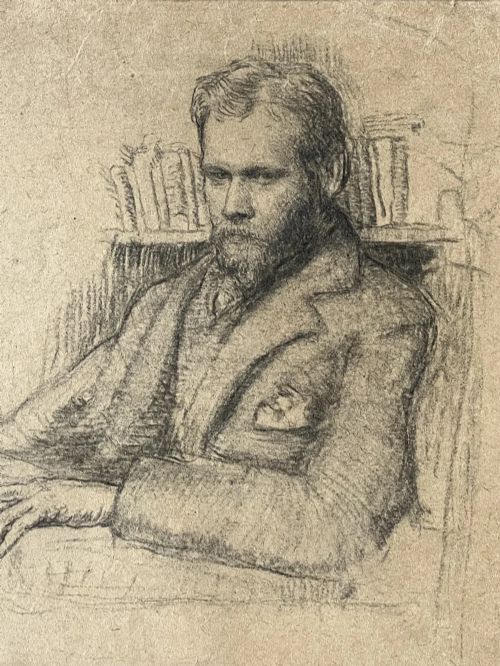
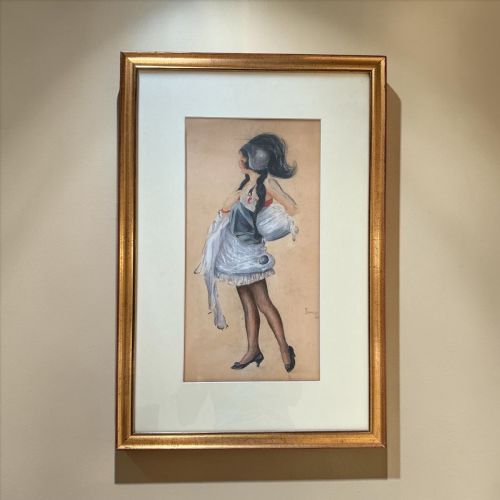
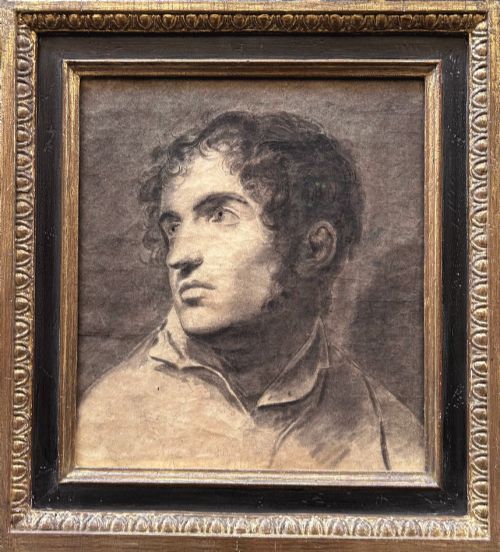
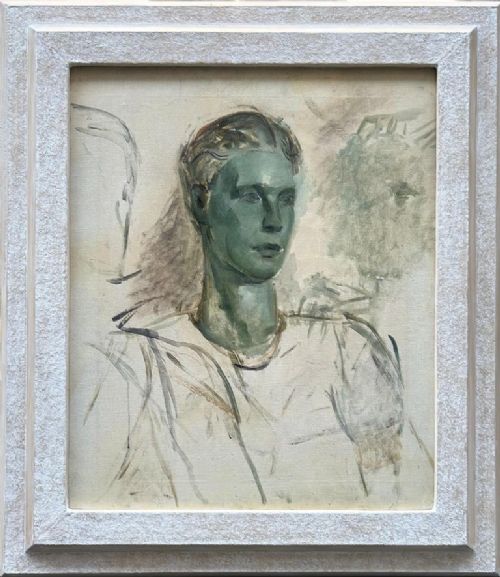
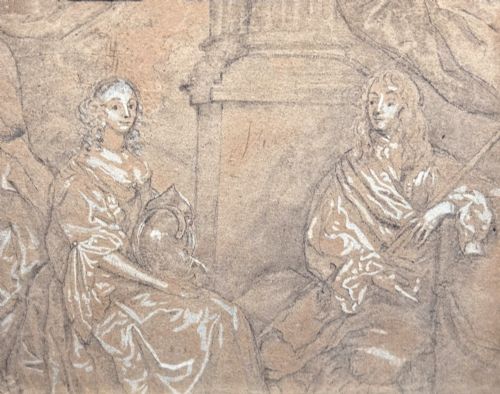
An antique portrait sketch offers an intimate encounter with past figures, rendered through the direct hand of artists working across the eighteenth, nineteenth, and early twentieth centuries. These works appear in forms ranging from loose preparatory drawings on buff paper to finished framed watercolours and charcoal studies.
Buyers browsing this selection will frequently encounter Victorian and Regency examples alongside eighteenth-century French and British school drawings. Subjects span informal domestic studies of children and gentlemen, wartime officer portraits, and historical academic life studies.
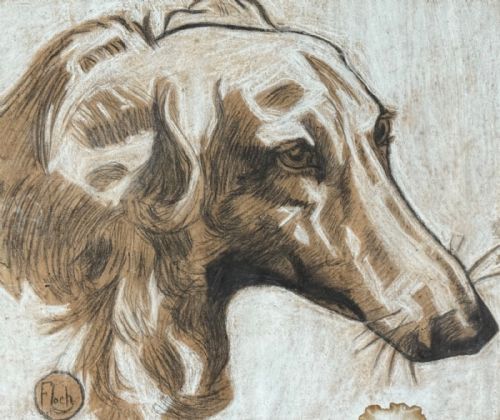
The materials record the immediate choices of the draughtsman, utilising paper supports combined with graphite, charcoal, ink washes, and pastel. Many survive within period frames that preserve their original presentation context.
How they were made
Draughtsmen relied primarily on dry media such as graphite, charcoal, and chalk applied directly to paper or prepared buff sheets to build form through line and shadow. These mediums permitted rapid notation during initial sittings, often capturing fleeting expressions before the application of watercolours or gouache for heightened tonal depth.
Antique Portrait Sketch Retail Price Guide 2026
Typical asking prices for portrait sketch among the pieces listed under this phrase on Sellingantiques today, from the lower quarter to the upper quarter. They describe what is for sale here now, not the wider market.
A meticulous eighteenth-century artist once paused a formal portrait session just long enough to capture a pet bird perched on a young girl's finger.
What varies in quality
The distinction between ordinary and exceptional works rests on the confidence and economy of the draughtsman's line. A superior portrait sketch conveys bone structure, personality, and volume with minimal hesitation, whereas lesser examples rely on laboured outlines and flat shading.
Handling of light and proportion further separates the academic achievement of a piece. Strong tonal contrast and correct anatomical placement elevate a rapid study into a compelling psychological record.
John Hassall·Robert Heinrich·Augustus John·Herbert Johnson Harvey·Henry Arthur Roberts·J D Fergusson·James Ferguson·Richard Beavis·Keeley Halswelle·William Henry Hunt
The Antique Portrait Sketch Glossary
- Sanguine
- A reddish-brown chalk used widely for figure drawing and portrait sketches. It allows artists to achieve warm, fleshy skin tones.
- Plumbago
- A fine graphite drawing technique popular in the seventeenth and eighteenth centuries. The term derives from the early name for graphite.
- Gouache
- An opaque water-based paint composed of pigment, water, and a binding agent such as gum. It provides solid highlights in works on paper.
- Bandeau
- A narrow headband or ribbon worn in the hair, frequently seen in female portraits from the eighteenth century. It helps date depictions of fashion.
- Academic Realism
- A style of painting and drawing produced under the influence of European academies of art. It emphasises precise anatomical accuracy and classical form.
Antique Portrait Sketch: Frequently Asked Questions
How do I care for works on paper?
Keep portrait sketches out of direct sunlight to prevent fading of charcoal, graphite, and watercolour pigments. Acid-free mounting protects the paper from discoloration over time.
Maintain stable indoor humidity levels to avoid warping the paper or encouraging mould growth within the frame.
Were these sketches meant to be finished artworks?
Many portrait sketches served as preliminary studies for larger oil paintings or as rapid records of sitters during brief studio sessions. Artists valued them for their spontaneity and directness.
Some drawings were executed as independent finished pieces, particularly during the eighteenth and nineteenth centuries when portraiture formed a core part of polite accomplishment.
How can I distinguish period styles?
Regency and Georgian sketches often feature restrained neoclassical lines and delicate graphite or plumbago handling. Victorian works tend toward heavier hatching and heightened emotional narrative.
Twentieth-century pieces introduce bolder modernist marks, gouache experiments, and freer handling of the human subject.