
French School Artwork
When you search for french school artwork, you are exploring centuries of European painting traditions from intimate portraits to sweeping landscapes.
French School Artwork
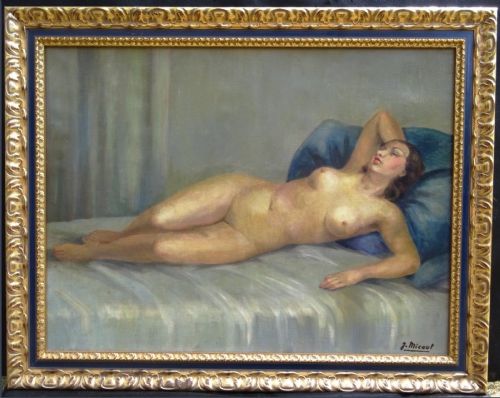
French school artwork encompasses oil paintings, watercolours, and drawings produced across the seventeenth, eighteenth, nineteenth, and twentieth centuries. These pieces reflect the evolving philosophies of European academies, from formal court portraiture to the atmospheric realism of the Barbizon movement.
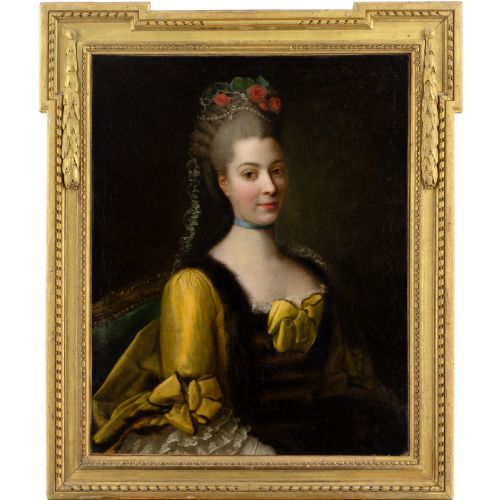
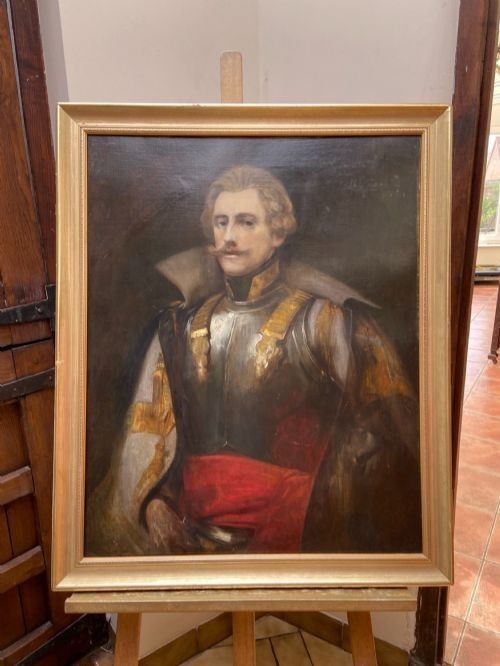
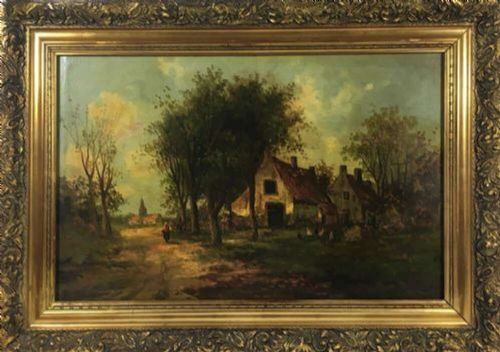
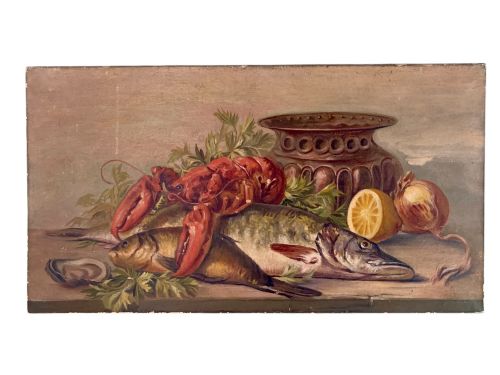
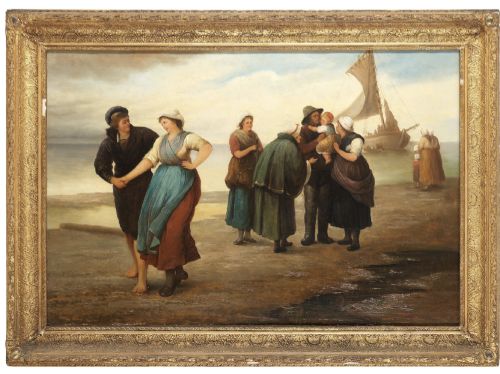
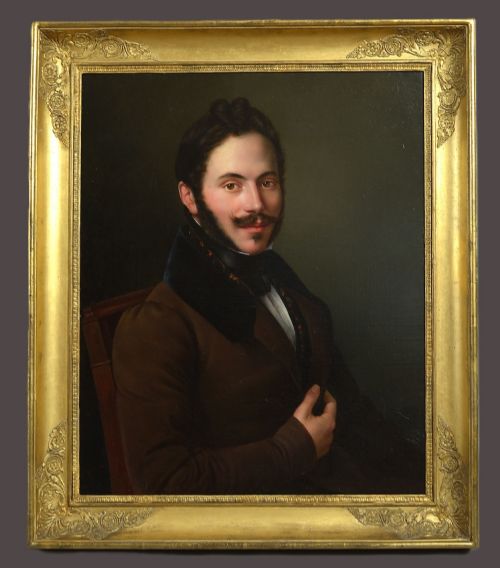
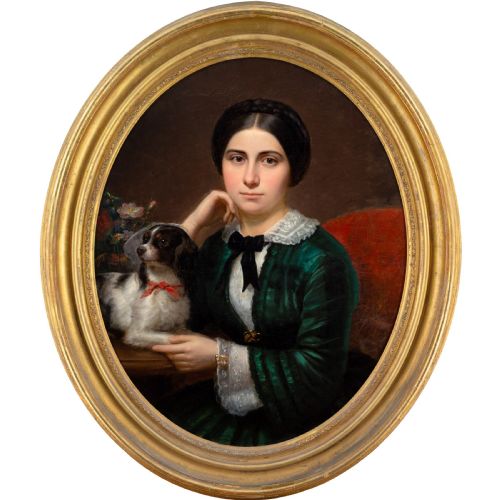
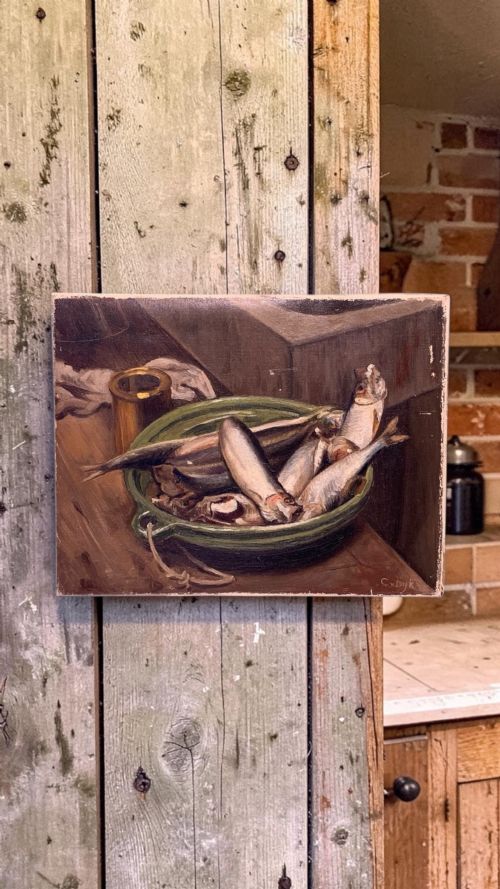
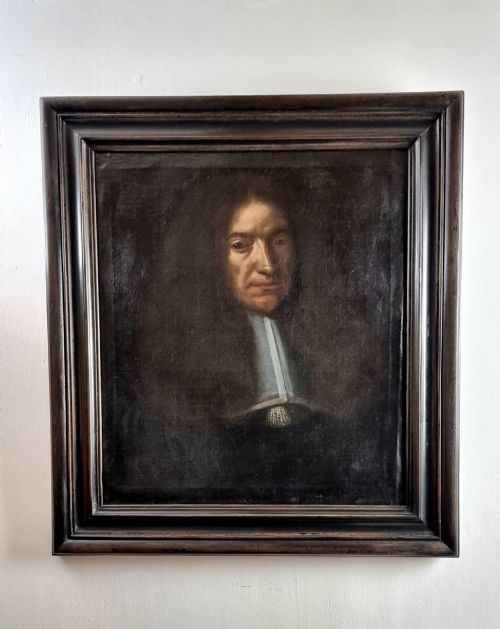
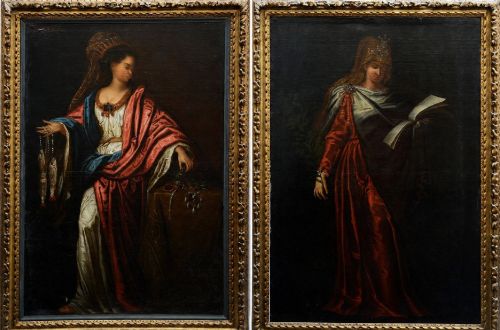
The selections available range from anonymous student studies and provincial landscapes to signed portraits by established artists. Common subjects include military officers, elegant ladies, still lifes with fish and lobsters, and pastoral river scenes.
Buyers frequently encounter works executed on canvas, wood panel, or paper, often housed in period giltwood frames. The breadth of styles spans from rococo delicacy to post-impressionist and abstract compositions.
Materials and Technique
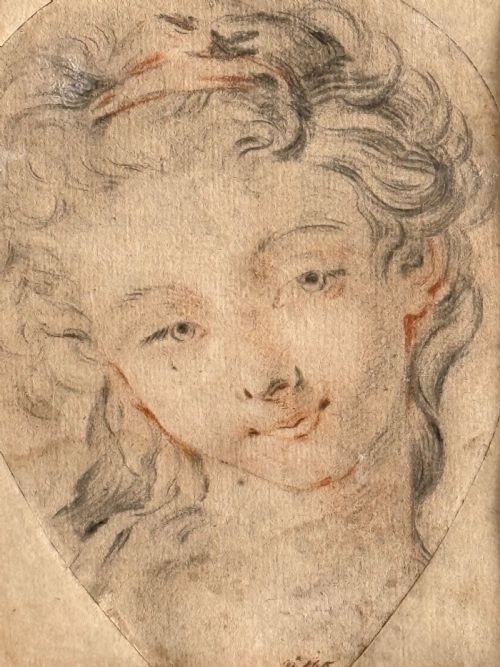
The primary medium across these listings is oil paint applied to canvas or wood panel, supplemented by occasional works on paper using pastel or pen and ink. Canvases provide a flexible ground for layered brushwork, while panels offer a rigid surface suited to fine detail.
Gilt wood and giltwood frames complete many of the pieces, adding structural support and decorative framing through carved ornamentation. Pigments are worked to capture light, texture, and depth, particularly in portraits and landscape vistas.
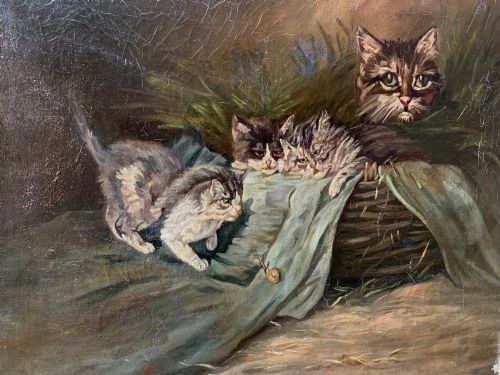
One unexpected canvas captures a rather domestic moment between a curious feline and a garden snail.
Assessing Quality
Quality in these paintings rests on the surety of the brushwork, the psychological depth of portraits, and the handling of light and shadow across the composition. Masterful anatomical proportion and expressive detail elevate a work above standard decorative production.
The preservation of the original surface and the harmony of the framing contribute significantly to an individual piece's visual impact. Works retaining their early stretcher frames and uncompromised paint layers command greater attention from collectors.
Edouard Pingret·Francois Boucher·Joseph Vivienne·Honore Cavaroc·Henri Jaques Delpy·Gabriel Dauchot
The French School Artwork Glossary
- Barbizon School
- A nineteenth-century French art movement dedicated to realism in landscape painting, emphasising direct observation of nature. Artists often worked outdoors to capture natural light and rural scenery.
- Giltwood
- Wood that has been coated with a thin layer of gold leaf or gold paint. This technique creates a luminous, reflective frame finish popular in traditional European framing.
- Genre painting
- The pictorial representation of scenes from everyday life, typically depicting ordinary people in domestic or social settings. These works offer a window into the social history of their era.
- Post-Impressionism
- A predominantly French art movement that developed from about 1880 to 1914, extending impressionism while rejecting its limitations. Practitioners relied on symbolic colours and heavier geometric forms.
French School Artwork: Frequently Asked Questions
What defines French school art?
French school art refers to works produced by artists trained within the French academic tradition or influenced by its stylistic shifts over several centuries. It encompasses diverse genres including portraiture, landscape, and still life.
The term often groups together both named masters and anonymous practitioners whose output shares technical and aesthetic roots in French ateliers.
How should I hang these paintings?
These works suit traditional and contemporary interiors alike, provided they are kept away from direct sunlight and damp conditions. Proper wall placement protects the canvas and original giltwood framing from environmental stress.
Matching the scale of the painting to the room ensures the artwork becomes a natural focal point without overwhelming the surrounding space.
Are these works signed?
Many pieces bear signatures or attribution markers, while others remain anonymous student or workshop productions. Unsigned works are typically classified by period and stylistic hallmarks rather than a specific author.
Attributions rely on stylistic comparisons, archival records, and provenance details that link a painting to a particular circle or master.
What subjects are most common?
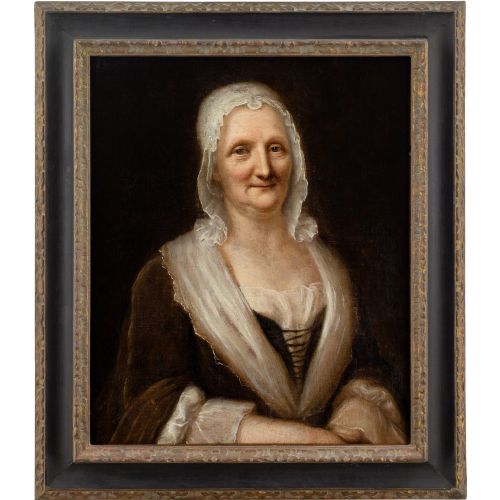
Portraits of officers, ladies, and gentlemen dominate the earlier centuries, reflecting a strong demand for personal likenesses. Landscapes, agricultural scenes, and still lifes featuring food or flowers appear frequently across later periods.
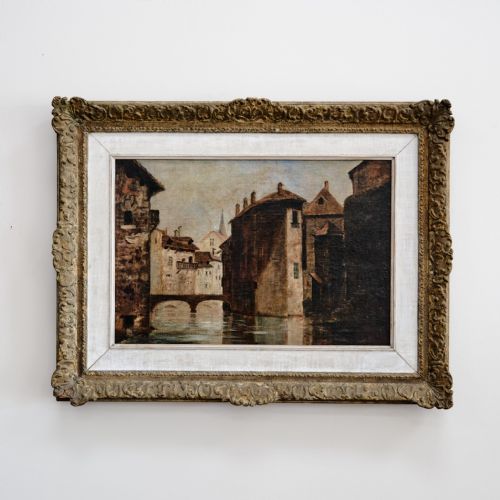
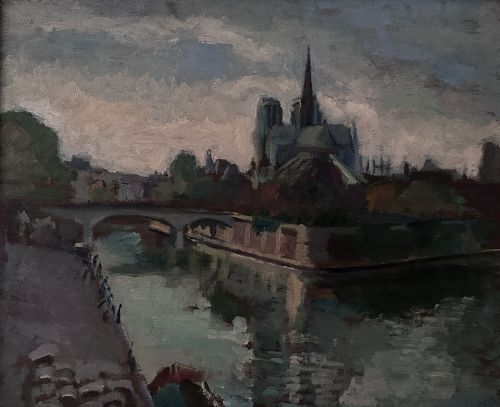
Townscapes and architectural views of locations like Paris also feature prominently in nineteenth and twentieth-century selections.