


1930s French Artwork
A 1930s french artwork captures the varied aesthetic movements of the interwar period, offering buyers expressive canvases, drawings and sculptures.
1930s French Artwork
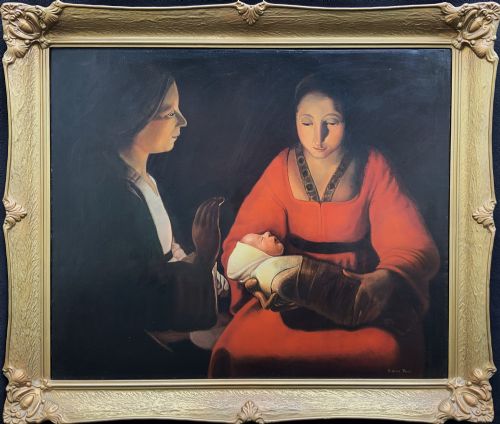
When searching for 1930s french artwork, buyers encounter a diverse selection of paintings, drawings, prints and sculptures originating from France or produced by French artists during the interwar decades. The selection spans distinct visual vocabularies, ranging from Post-Impressionism and Art Deco to Expressionism and Avant-Garde Surrealism.
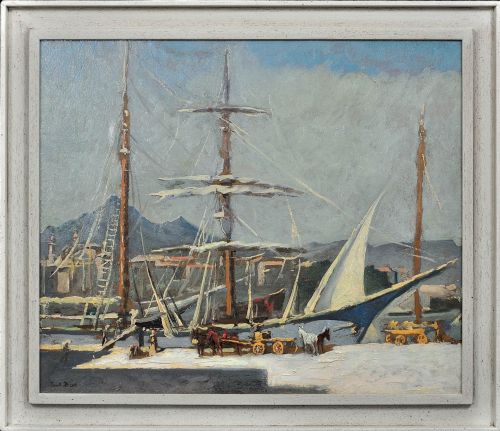
The most common formats on this page include oil paintings on canvas or board, alongside works on paper such as watercolours, gouache, ink drawings and pastels. Subjects encompass coastal scenes of the French Riviera, maritime views, female nudes, floral still lifes and regional landscapes from Provence and Paris.
While the majority of pieces date directly from the 1930s, the selection also includes related works from the early twentieth century and the 1920s or 1940s that share the stylistic inclinations of the period.
How They Were Made
Artists of this era utilised traditional supports such as canvas, wood panel and heavy paper, applying oil paint, gouache, watercolour or ink using varied brushwork and impasto techniques. Framed oil paintings on canvas dominate the selection, often demonstrating plein air approaches or structured post-impressionist mark-making.
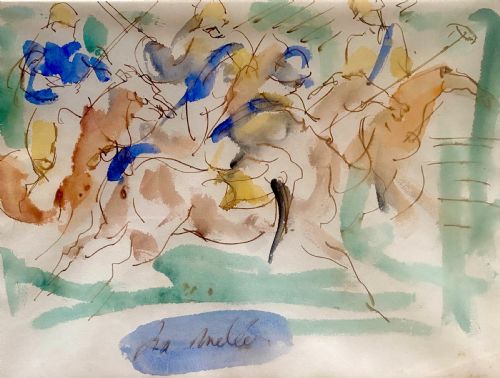
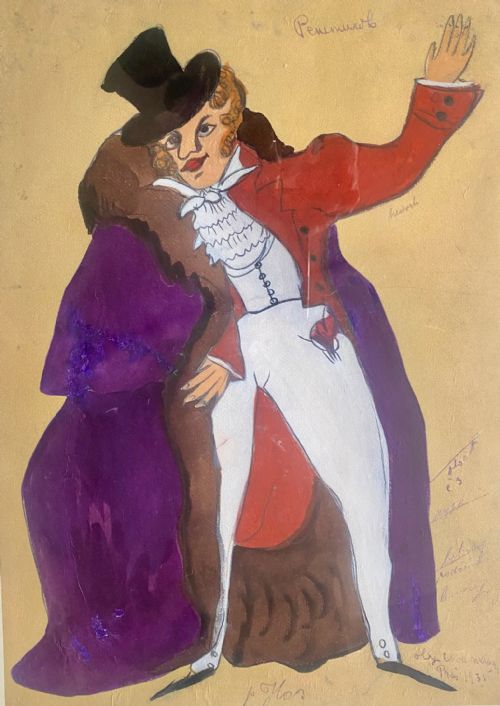
Graphic works and sculptures employ complementary materials including terracotta, pastel, lithography and engraving on paper or board. The interplay of ink lines and coloured washes defines many of the surviving drawings from the period.
Surrealist gouache paintings and Art Deco lithographs represent the varied graphic output of the period.
What Varies in Quality
The distinction between pieces rests on the sureness of the handling, the expressiveness of the composition and the preservation of the surface. Stronger examples demonstrate confident draughtsmanship or nuanced handling of light and colour, particularly in landscapes and figurative studies.
Material stability and original framing further differentiate the range, as works retaining period frames and well-preserved paint layers or ink pigmentation offer greater historical integrity.
Paul Bret·Edouard Julien·Elisabeth Bardon·Paul Delvaux·Henri Vincent-Anglade·Lucien Gibert·Gustave Vidal·Gaetan Dumas·Georges Goursat·Claude Jousset·Jean Hardy·Albert Terry
The 1930s French Artwork Glossary
- Post-Impressionism
- An artistic movement extending the styles of impressionism while rejecting its limitations, focusing on symbolic content and expressive use of paint. Many works on this page reflect this stylistic lineage.
- Impasto
- The process of applying paint thickly on a canvas so that it stands out from the surface. Several marine and landscape pieces utilise this technique to capture the texture of water or foliage.
- Gouache
- A water-based paint characterised by its opaque finish, frequently used in surrealist and illustrative works of this era. It allows for flat, vibrant areas of colour.
- Lithography
- A planographic printing process used for producing limited edition prints and graphic art. Artists of the Art Deco period frequently employed this method for multiples.
1930s French Artwork: Frequently Asked Questions
What subjects appear most frequently?
Landscapes from Provence and the Côte d'Azur feature prominently alongside maritime scenes, harbours and coastal views. Figurative studies, female nudes and floral still lifes also recur across the paintings and drawings.
These subjects reflect the geographic focus of artists working in France during the interwar years, capturing both rural life and urban bohemian scenes in Paris.
How should these works be displayed?
Framed paintings on canvas and panel require stable indoor wall spaces away from direct sunlight and excessive humidity. Many pieces retain period frames that complement their aesthetic.
Works on paper, such as watercolours and drawings, benefit from mounting behind protective glass to prevent environmental degradation of the pigments and paper support.
Are these pieces original or reproductions?
The selection comprises original paintings, unique drawings, vintage sculptures and limited edition prints from the period. Each item represents a distinct physical creation rather than a modern reproduction.
Signatures, inscriptions and medium details help verify the authenticity and period origin of individual artworks.
How do I identify the art style?
Style identification relies on visual characteristics such as brushwork, subject matter and palette. Art Deco works often feature stylised forms and clean lines, while surrealist pieces incorporate dreamlike imagery.
Post-impressionist and fauve landscapes are distinguished by vibrant colour choices and expressive, visible brushstrokes.