

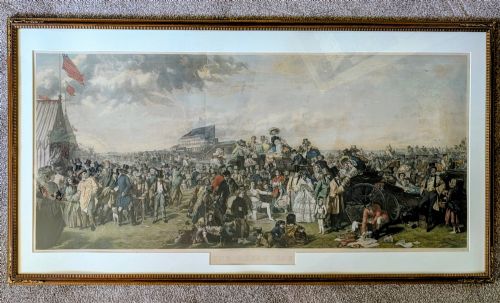
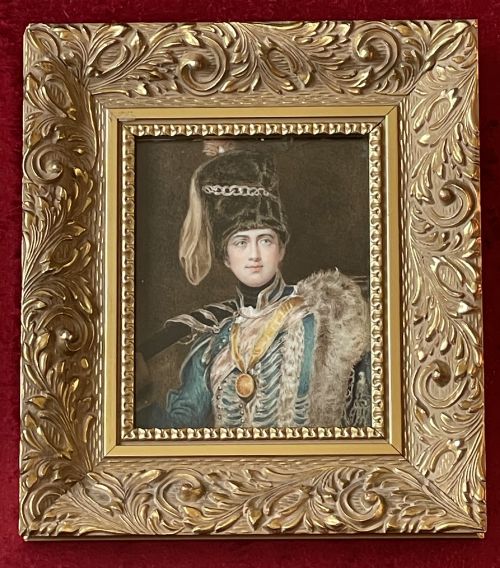
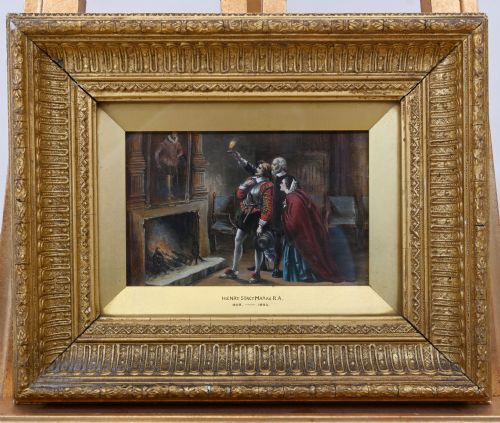
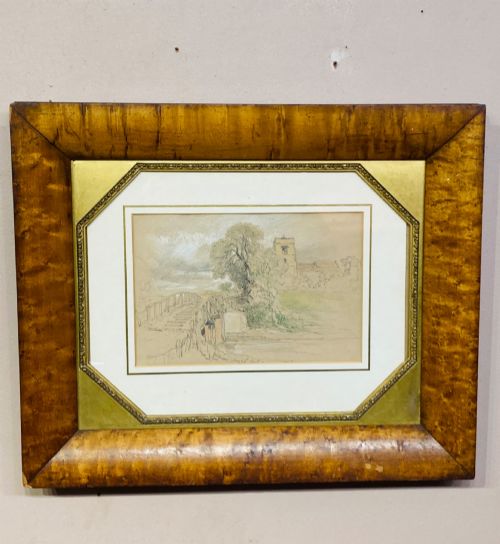
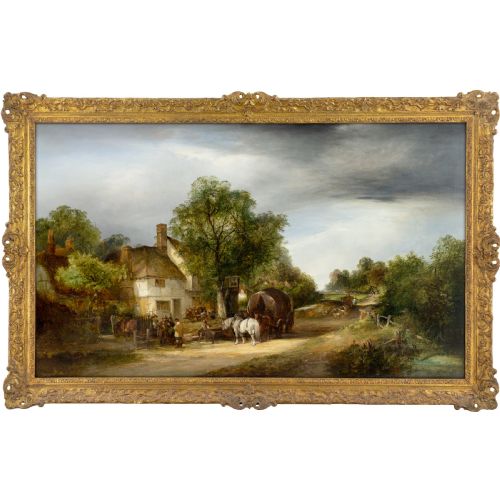
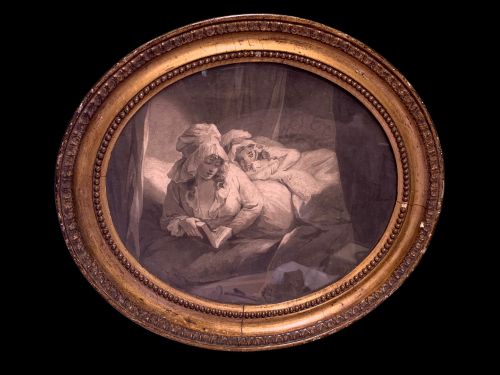

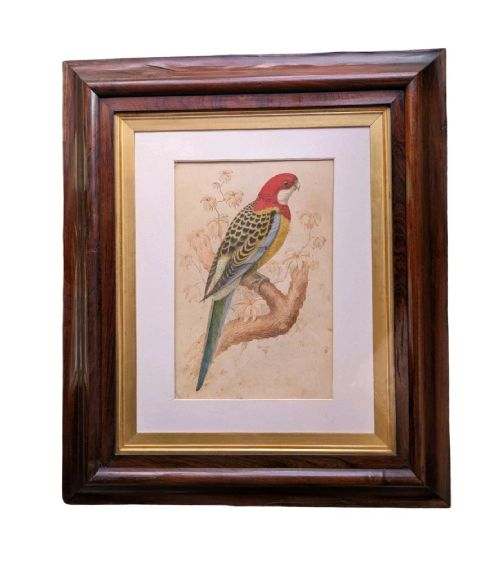
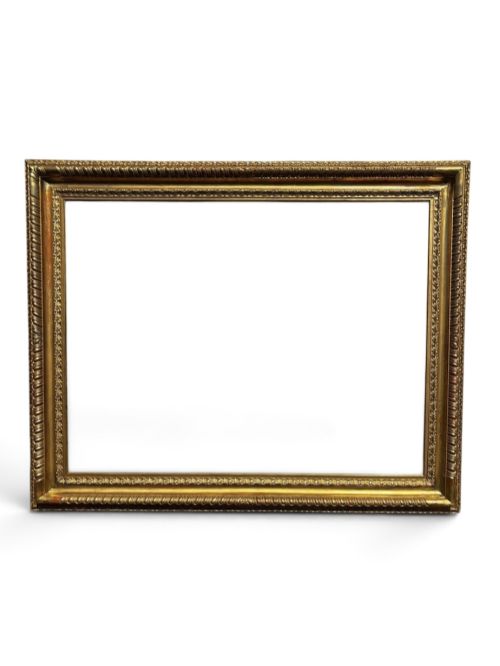
Gilt Wood Picture Frame
Discover a gilt wood picture frame to elevate oil paintings, engravings, and mirrors with period warmth and metallic lustre.
Gilt Wood Picture Frame
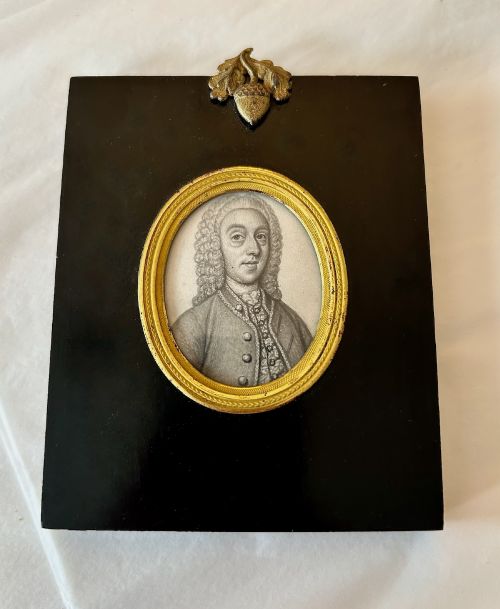
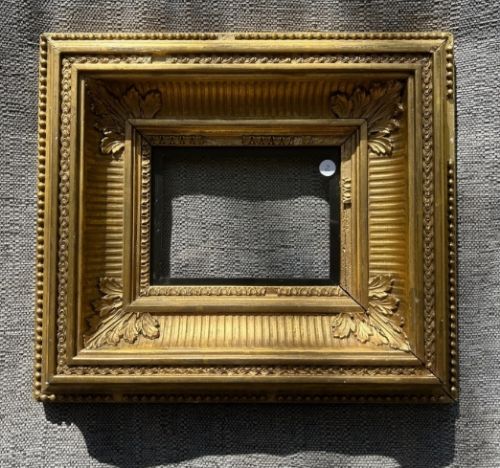
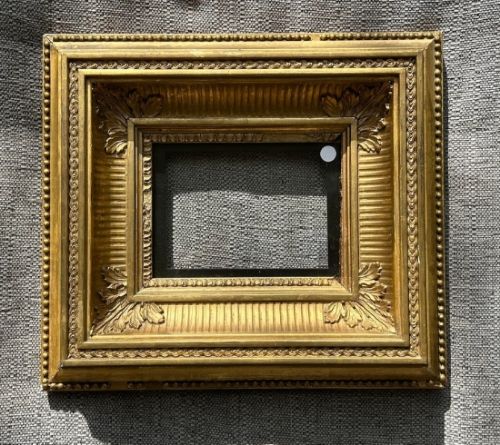
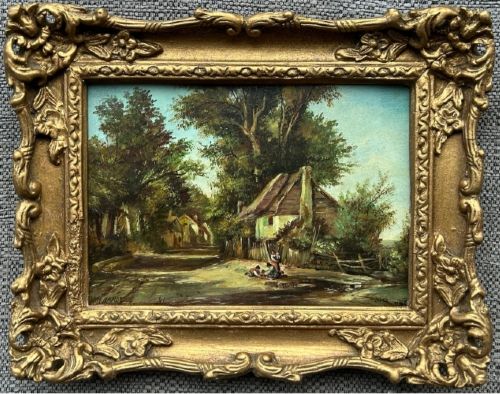
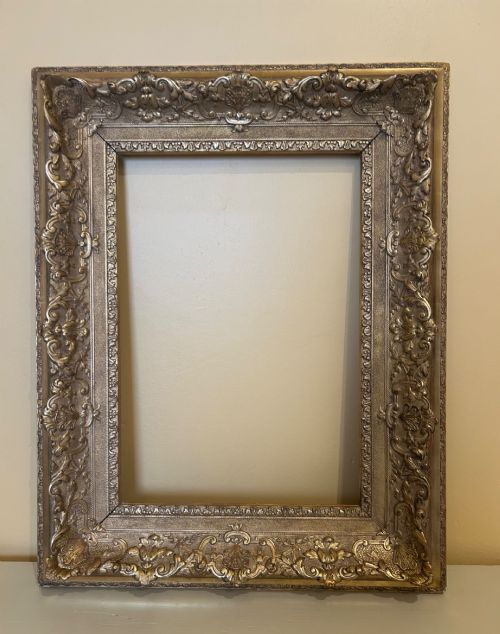
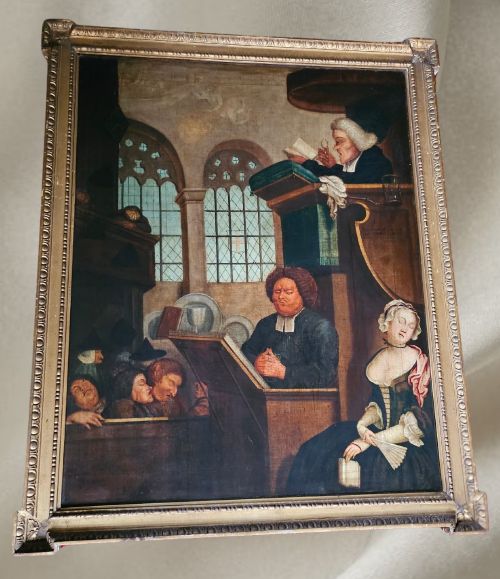
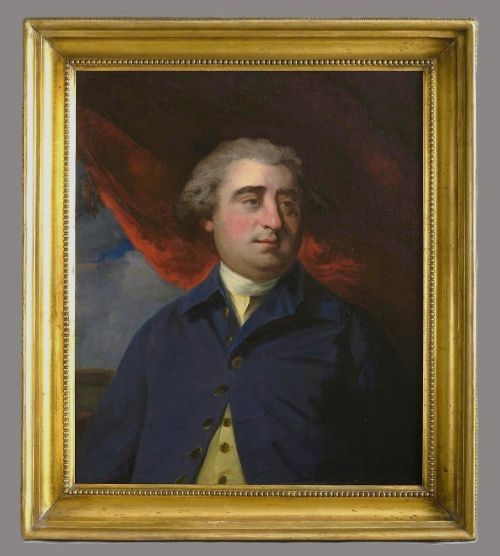
A gilt wood picture frame serves to enclose and enhance oil paintings, watercolours, engravings, and mirrors across various historical periods. These enclosures range from simple moulded profiles to deeply carved, highly ornate decorative constructions designed to hold significant artworks.
The selection encompasses English, French, Italian, and Dutch examples spanning the seventeenth century through to the early twentieth century. Buyers encounter items varying from grand Florentine and Baroque styles to restrained Regency and Victorian designs.
Many items retain their original artwork, including portraits, landscapes, and engravings, while others are offered as empty surrounds ready for new projects or interior design applications.
How They Were Made
Carpenters and carvers shaped the primary wooden foundations using solid timbers such as oak, pine, or rosewood, often applying hand-carved decorative motifs directly into the material. Artisans frequently built up complex ornamental details using gesso, a plaster-like mixture applied over the wood base.
Makers finished the surfaces by applying thin sheets of gold leaf or gilt layers over the prepared gesso and wood substrate. Certain variations incorporate glass panels, paper backings, and specialised moulding techniques like egg and dart patterns.
Gilt Wood Picture Frame Retail Price Guide 2026
Typical asking prices for gilt wood picture frame among the pieces listed under this phrase on Sellingantiques today, from the lower quarter to the upper quarter. They describe what is for sale here now, not the wider market.
A feathered resident peers out from behind glass, as a Victorian taxidermy parakeet permanently occupies its own gilt picture frame case.
What Varies in Quality
The distinction between ordinary and exceptional examples rests upon the depth and crispness of the hand-carved ornament rather than surface appearance alone. Superior pieces display intricate undercut foliage, well-defined corners, and centres executed by skilled hands rather than cast composition substitutes.
Preservation of the original gold leaf and gesso ground heavily influences the desirability of a piece. Finer examples retain their original gilding without heavy overpainting, maintaining the authentic warmth and patina accumulated over centuries.
Chapman Brothers Chelsea·William Bazeley And Sons
The Gilt Wood Picture Frame Glossary
- Gesso
- A plaster mixture applied to wooden frames as a smooth base for subsequent gilding. This material allows carvers to model intricate relief ornamentation.
- Giltwood
- Timber that has been coated with gold leaf or metallic gilt powder. It provides a luminous, reflective surface characteristic of formal period frames.
- Rebate
- The recessed internal channel at the back of a frame designed to hold the canvas, panel, or glass securely in place. Its dimensions determine the maximum size of the artwork fitted inside.
- Swept frame
- A moulding style featuring undulating, curved profiles that swell outward towards the corners and centres. This dynamic shape was particularly popular during the Victorian and Rococo revival periods.
- Cartouche
- An ornamental tablet or frame motif resembling a rolled-up scroll or embossed shield. It often appears centrally on elaborate antique frames.
Gilt Wood Picture Frame: Frequently Asked Questions
How do I measure for art?
Measure the internal rebate dimensions at the back of the frame rather than the outer edge to find the correct size for your canvas or panel.
Keep in mind that a small tolerance is needed so the artwork fits comfortably inside the rebate without forcing.
Can I hang a mirror inside?
Many large Victorian and Regency examples were constructed to serve dual purposes as picture frames or wall mirrors. You can have a glazier cut a mirror plate to fit the existing rebate.
Ensure the wooden structure and hanging hardware are robust enough to support the added weight of glass.
How do I date a frame?
Examine the construction methods at the reverse, including corner joins, wood type, and the composition of the gesso layer. Tool marks and fastener types often indicate whether a piece originates from the seventeenth, eighteenth, or nineteenth century.
Matching the moulding style and decorative motifs to contemporaneous artistic movements also helps establish a reliable timeline.
How do I clean gilt surfaces?
Dust the carvings gently with a very soft, dry brush to remove accumulated particles without disturbing delicate leaf. Avoid using water, chemical solvents, or abrasive cloths that can strip away historic gilding.
Professional conservators should handle any serious grime or structural repairs to preserve the integrity of the antique surface.