



Gilded Wood Frame
A gilded wood frame brings a rich, reflective warmth to a room, framing mirrors and portraits with centuries of craftsmanship.
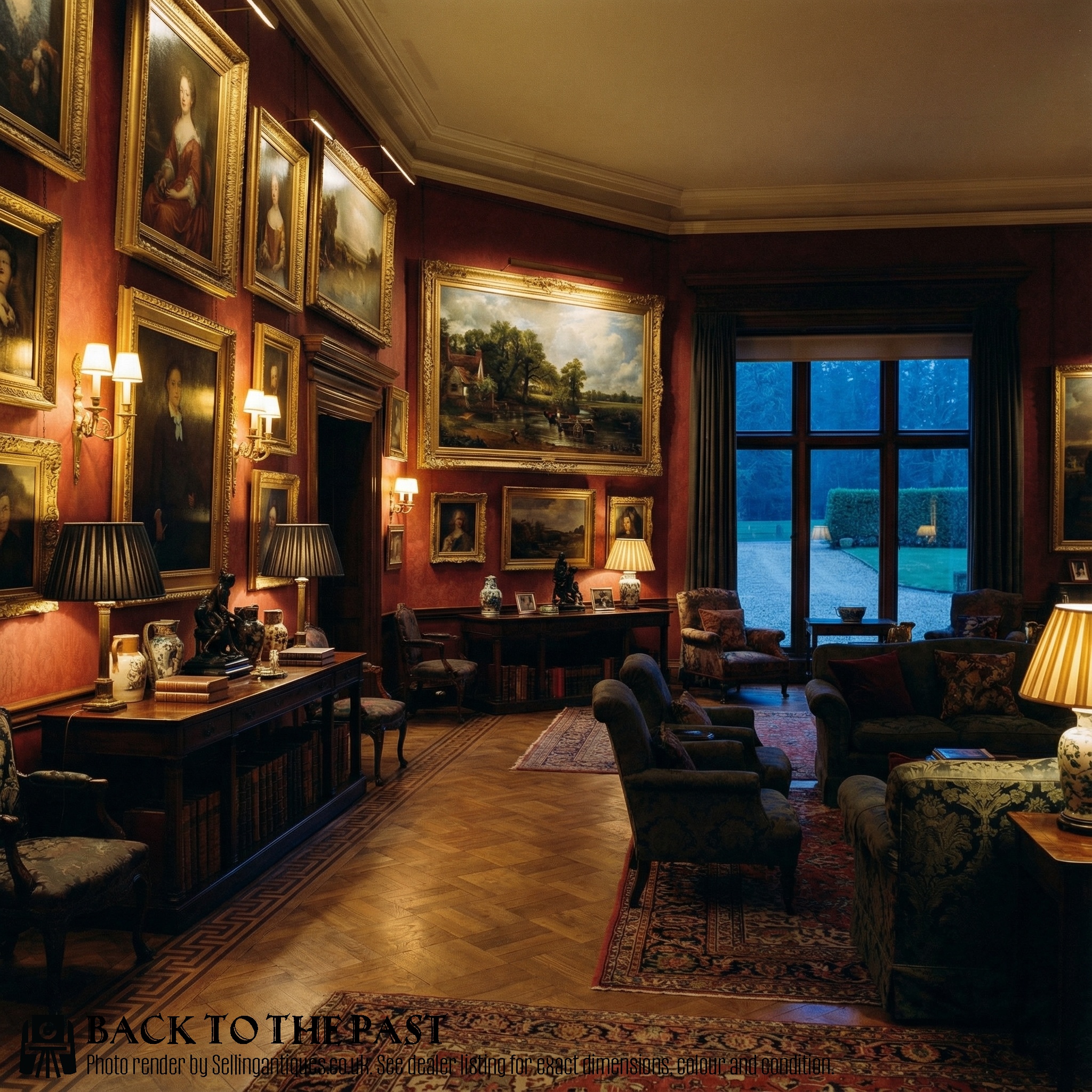
Gilded Wood Frame
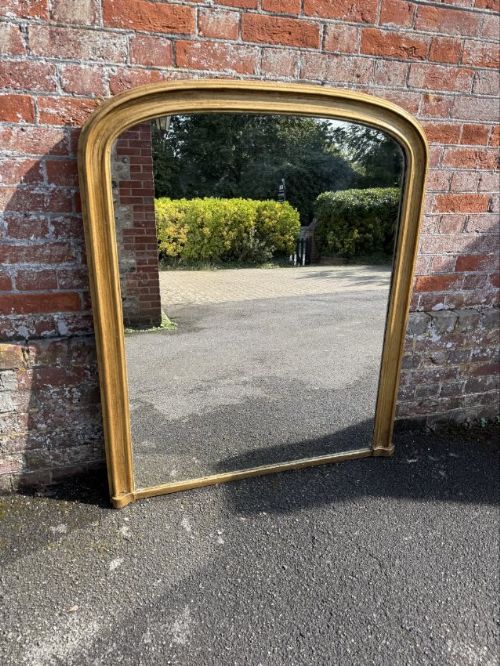
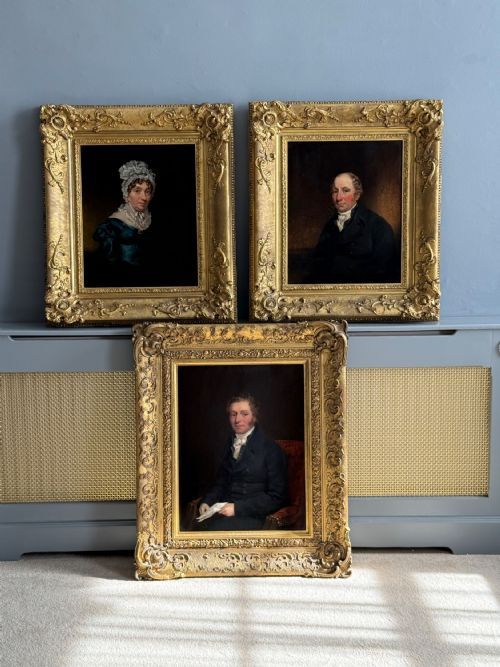
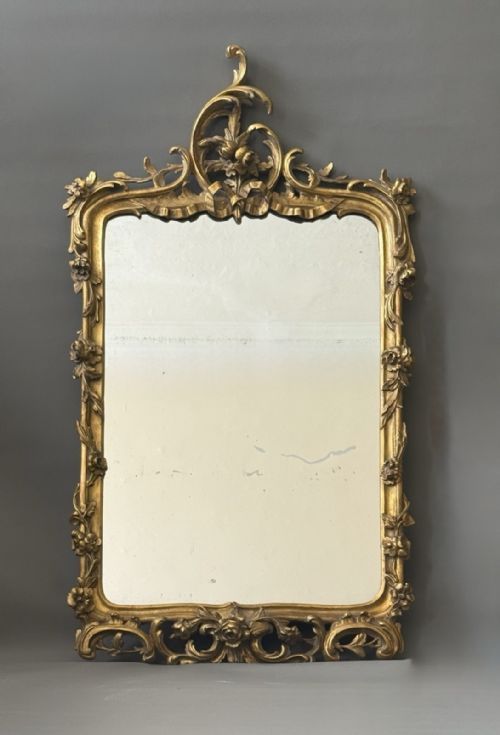
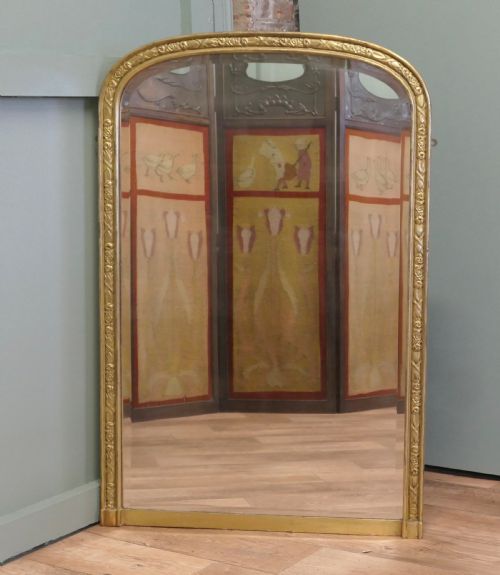
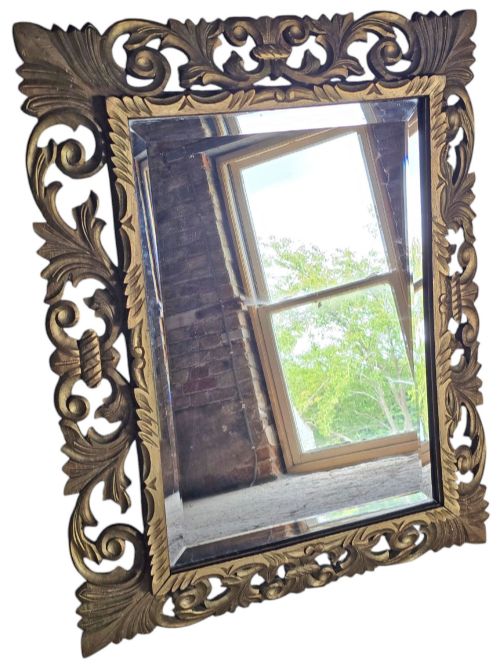
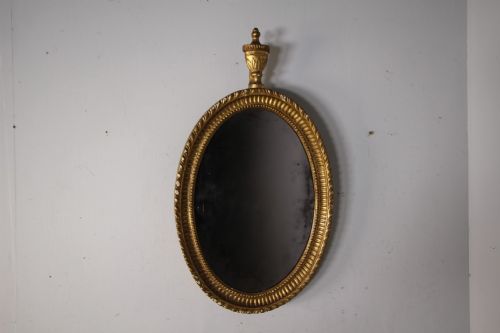
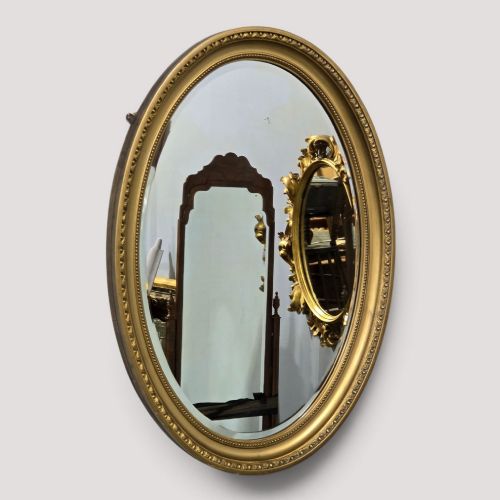
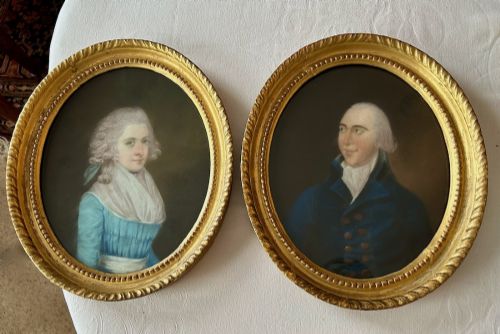
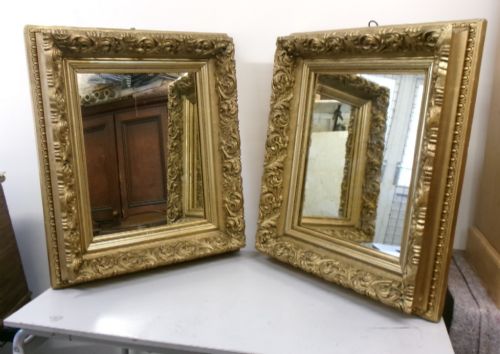
A gilded wood frame houses antique mirrors, oil paintings, and pastel portraits from periods including the eighteenth and nineteenth centuries. These pieces encompass English, French, and Italian origins, often taking the form of large overmantel mirrors or ornate wall mirrors.
The version most commonly encountered on this page is the nineteenth century English or French carved wood and gesso mirror. Such pieces frequently display arched tops, intricate floral carvings, and substantial proportions suited for placement above a fireplace.
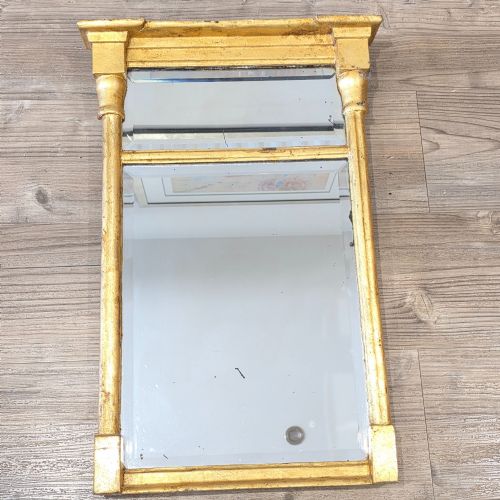
Beyond mirrors, the selection includes Georgian wall mirrors with carved details alongside framed portrait paintings on canvas and wood panels. Each object combines structural timber with decorative surface treatments designed to catch and reflect light.
Materials and construction methods
Makers built the structural foundation using timber such as walnut, mahogany, or pine, carving the primary forms by hand. Over this wooden base, artisans applied layers of gesso to create a smooth, responsive surface for fine detailing.
Guilders laid gold leaf over the prepared gesso, often burnishing sections to achieve a brilliant metallic sheen while leaving recessed areas matte for contrast. Composition material was frequently moulded into repetitive decorative motifs such as acanthus leaves and applied directly to the frame.
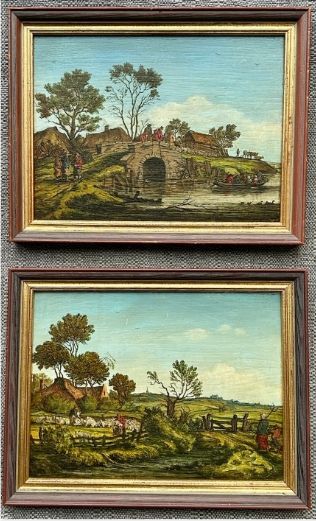
Glass plates within these frames often utilised traditional silvering techniques, resulting in characteristic foxing over long periods. Oil paintings and pastel portraits were secured within matching gilded wooden mouldings designed specifically to complement the artwork.
Gilded Wood Frame Retail Price Guide 2026
Typical asking prices for gilded wood frame among the pieces listed under this phrase on Sellingantiques today, from the lower quarter to the upper quarter. They describe what is for sale here now, not the wider market.
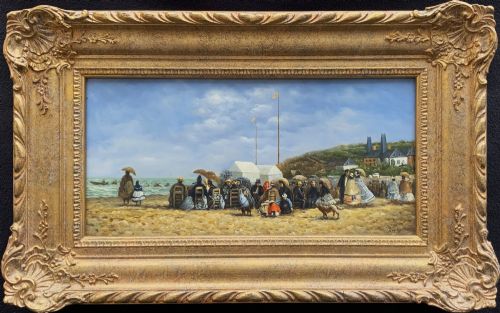
Several frames house portraits of noblewomen, young boys, and nineteenth century seaside gatherings, watching over rooms for generations.
Distinctions in quality and execution
The depth and crispness of the hand-carved ornamentation separate exceptional examples from standard production. Superior frames display undercut foliage and sharply defined motifs rather than soft, mass-moulded composition details.
The integrity and application of the gilding itself mark the grade of the piece, with genuine gold leaf ageing into a warm, mellow tone compared to harsher modern metallic paints. Original mirror plates displaying period mercury backing further elevate the desirability of the object.
Joseph Clover RA·Emily Eyres·W Klombeck·John Theodore Heins
The Gilded Wood Frame Glossary
- Giltwood
- Wood that has been coated with gold leaf or gold dust. This finish provides the characteristic metallic brilliance seen on period frames and mirrors.
- Gesso
- A mixture of plaster of Paris and glue binder used as a base layer on wood. It allows artisans to carve intricate relief decorations before gilding.
- Overmantel mirror
- A large mirror designed specifically to hang above a fireplace mantel. These pieces frequently feature landscape proportions and architectural framing.
- Mercury glass
- A type of double-walled glass blown in the nineteenth century with a silvering mixture inserted between the layers. It creates a distinctive mottled reflection.
- Pier glass
- A tall, narrow mirror designed to hang on the wall space between windows. They often incorporate matching console tables or girandole arms.
Gilded Wood Frame: Frequently Asked Questions
How do I clean a gilded wood frame?
Dust the surface gently with a soft, dry brush to remove particles without disturbing the delicate gold leaf. Avoid liquid cleaners and chemical solvents entirely, as moisture strips the historic gesso and gilding.
For stubborn grime, consult a professional conservator rather than attempting home remedies. Gentle maintenance preserves the original patina and prevents accidental damage to the wooden structure.
Can these heavy mirrors hang safely on modern walls?
Substantial overmantel and wall mirrors require secure attachment directly into structural wall studs or masonry. Using heavy-duty picture hooks rated for the specific weight of the timber and glass ensures safe suspension.
Professional installation is strongly advised for large nineteenth century frames. Distributing the load evenly across the frame prevents stress on the historic mitred corners.
What indicates an eighteenth century frame?
Earlier frames often display hand-carved wooden details directly beneath the gilding without the heavy composition mouldings common in later periods. The joinery at the corners usually reveals traditional peg construction and aged pine or hardwood.
Surface inspection reveals multiple layers of historic preparation and wear patterns consistent with age. Subtle variations in the gold leaf application point to hand-tooling rather than industrial production.
Why do antique mirror plates look mottled?
Original mirror plates manufactured using historical silvering methods develop dark spots and oxidation over centuries. This natural ageing process is commonly known as foxing and forms part of the authentic character of the glass.
Replacing an original plate diminishes the historical integrity of the object. Collectors value the undisturbed appearance of mercury glass and period silvering.