


Antique Christian Artwork
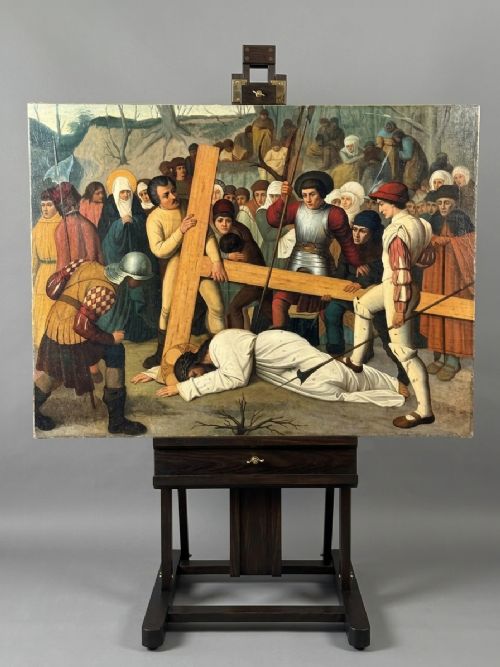
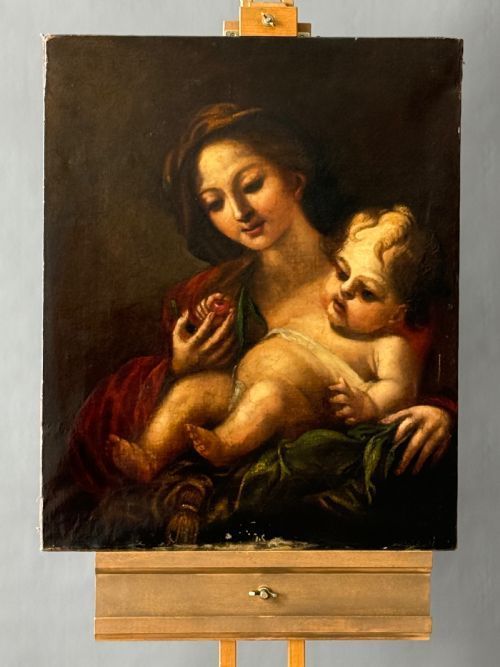
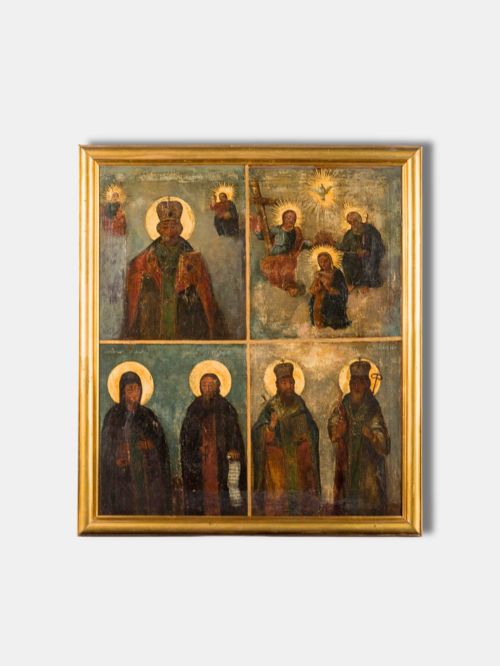
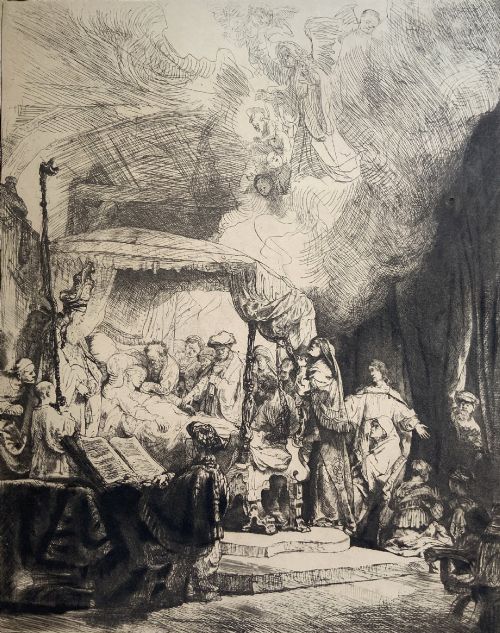
When you search for antique christian artwork, you enter a centuries-long tradition of devotion preserved through canvas, wood and pigment.
Antique Christian Artwork
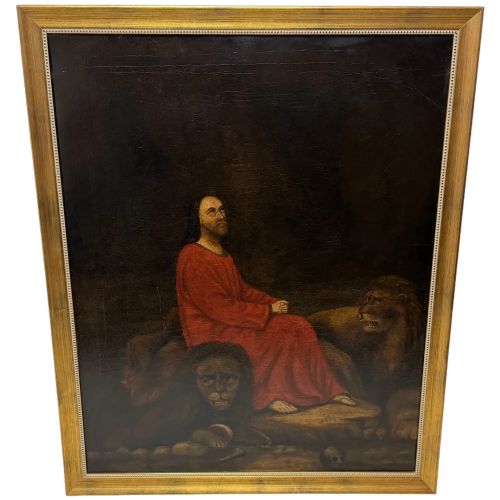
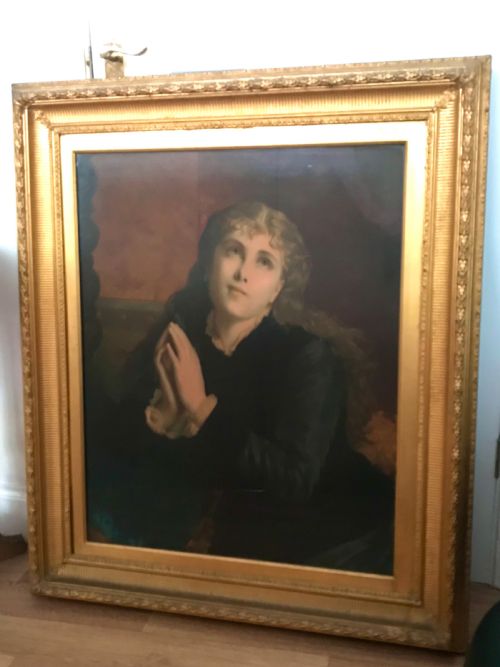
When buyers search for antique christian artwork, they encounter devotional paintings, icons and plaques created to inspire spiritual reflection across private and public spaces. The pieces span from the sixteenth century through the Victorian era, reflecting stylistic shifts from the Renaissance and Baroque traditions into later revival movements.
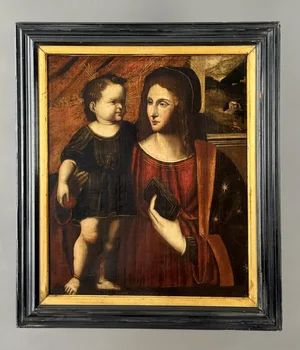
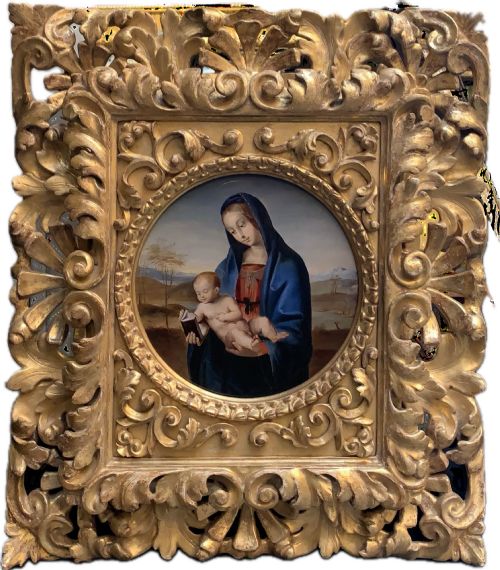
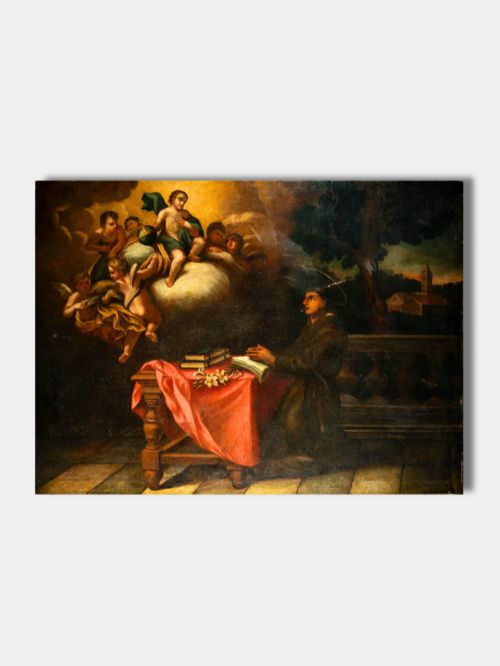
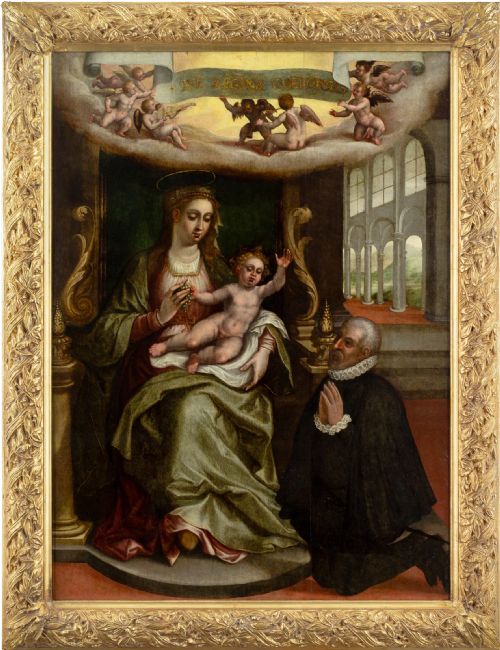
Oil on canvas dominates the selection, accompanied by tempera on canvas, wood panels, enamel and paper prints. Subjects range from traditional depictions of the Madonna and Child and the Holy Family to narrative scenes involving saints and biblical figures.
Italian, Russian, German and Spanish influences appear frequently within the inventory, linking specific regional schools of painting to broader European religious movements. Buyers regularly meet works produced in the circles and workshops of established masters, alongside copies after celebrated painters like Raphael and Murillo.
Materials and Technique
Artists built these works primarily using oil paint applied to prepared canvas or wood panels, sometimes incorporating gold leaf to highlight sacred figures and backgrounds. Enamel on metal plaques and tempera mediums provide alternative surfaces that demand precise hand-painting techniques.
Framing often involves giltwood and carved wooden surrounds that complement the religious themes of the central artwork. Print techniques such as etching, oleography and reverse glass painting represent later mechanical and manual methods used to reproduce devotional imagery.
Antique Christian Artwork Retail Price Guide 2026
Typical asking prices for christian artwork among the pieces listed under this phrase on Sellingantiques today, from the lower quarter to the upper quarter. They describe what is for sale here now, not the wider market.
Artistic styles span Renaissance Revival, Baroque, Gothic Revival, and Victorian religious interpretations.
Quality and Execution
The degree of painterly skill in handling facial expressions, drapery folds and light defines the distinction between standard workshop output and superior works. Pieces originating from the hand of a named master or a closely connected circle command greater artistic interest than generic school copies.
The preservation of the original paint layer, stability of the canvas or wood support, and the integrity of any giltwood framing heavily influence the physical standing of each piece. Depth of colour and subtlety in brushwork separate finely rendered historical panels from simpler decorative items.
Jozef Jansessens·Bernardino Luini·Miguel Barroso·Francesco Solimena·Raffaello Sanzio da Urbino·Cornelis Christian Dommersen·Christian Lindner·Antonio Allegri·Scipione Pulzone·Frederick Christian Lund·Orsola Maddalena Caccia·Bartolomé Murillo
The Antique Christian Artwork Glossary
- Oil on Canvas
- Pigments bound in a drying oil applied to a stretched woven fabric support. This combination allowed artists to blend tones smoothly and achieve rich luminosity.
- Tempera
- A permanent, fast-drying painting medium consisting of coloured pigments mixed with a water-binder such as egg yolk. It produces a matte surface prized in early icon painting.
- Giltwood
- Wood carved and treated with a thin layer of gold leaf or powder. It frequently frames religious artworks to create a sense of divine radiance.
- Limoges Enamel
- Fused glass powder applied to metal plates, developed to a high art form in French workshops. These glossy plaques depict intricate sacred narratives in miniature scale.
- Reverse Glass Painting
- An art form where the image is painted directly onto the back of a glass pane and viewed from the front. This technique yields a glossy finish with vibrant colour retention.
Antique Christian Artwork: Frequently Asked Questions
What periods do these artworks cover?
The pieces span from the sixteenth century through the seventeenth and eighteenth centuries into the Victorian era and the early twentieth century. This timeline captures major European artistic movements including the Renaissance, Baroque and various nineteenth-century revivals.
Earlier items often reflect traditional regional school techniques, while later pieces include both original religious portraits and nineteenth-century print reproductions of classical masterworks.
How were these religious pieces used?
Devotional artworks served as focal points for private prayer in homes, as well as altarpieces and decorative elements within churches and chapels. Icons and smaller panels offered portable focal points for personal contemplation.
Narrative scenes depicting biblical events and the lives of saints helped instruct viewers in scripture and tradition during periods when visual storytelling carried immense cultural weight.
Are these works original paintings or prints?
The inventory contains a mix of original hand-painted oil and tempera works on canvas or wood panels, alongside period prints and oleographs. Many oil paintings originate from the circles or workshops of known historical painters.
Print formats such as etchings and reverse glass pictures represent popular nineteenth-century methods for making sacred imagery accessible outside of major ecclesiastical collections.
How do I identify the subject of a painting?
Subjects often include distinct iconographic symbols, such as keys held by Saint Peter, lambs accompanying Saint John the Baptist, or specific attributes associated with the Madonna and Child. Inscriptions, titles on frames, or historical documentation left by previous owners frequently confirm the exact biblical narrative.
Comparing compositional layouts to known masterworks by artists like Raphael or Murillo helps clarify whether a piece is an original interpretation or an after-study.