


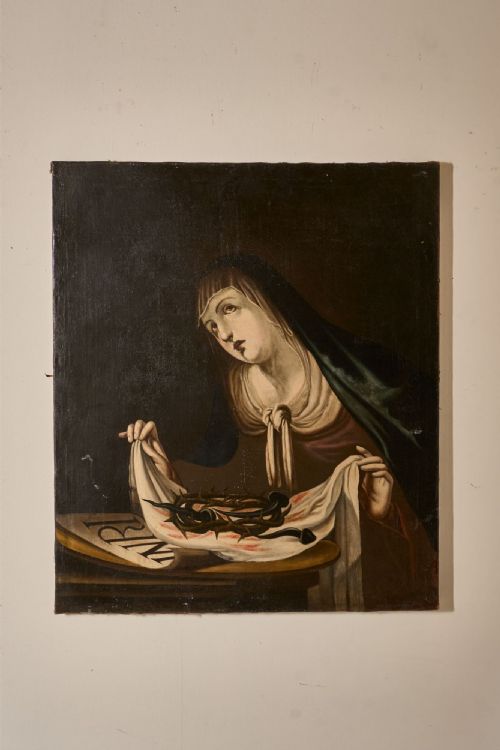


Devotional Oil Painting
These devotional oil painting examples are sacred works created for prayer and contemplation, offering collectors a direct link to centuries of personal and communal faith.
What these devotional oil painting works are
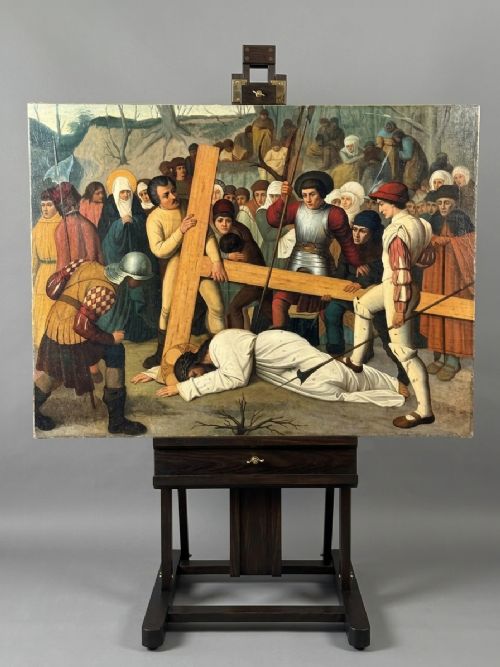
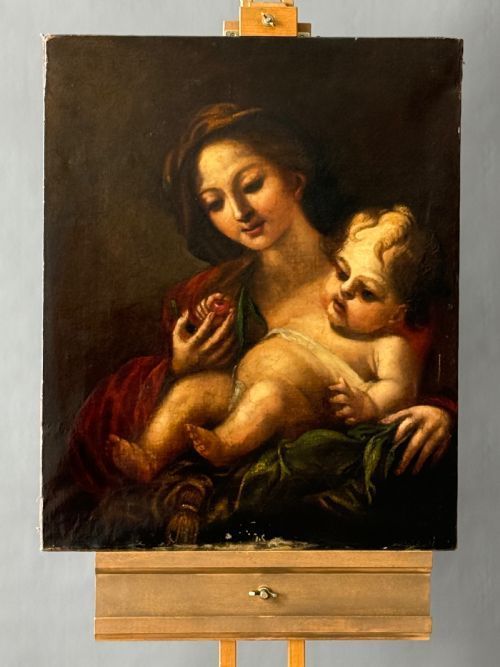
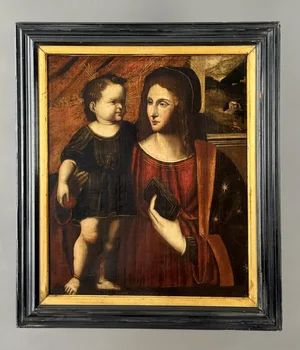
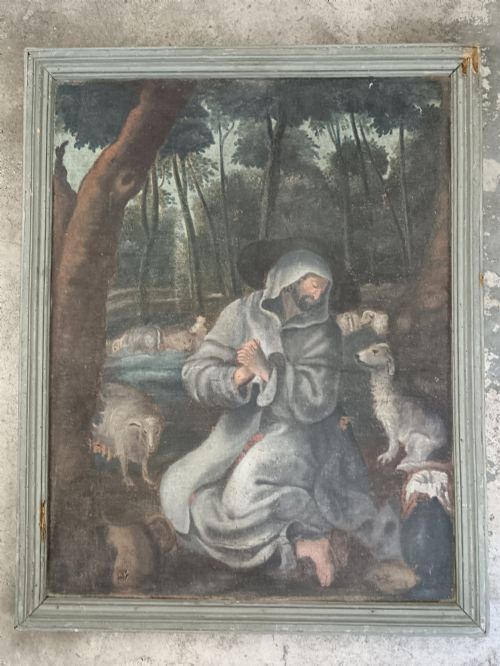
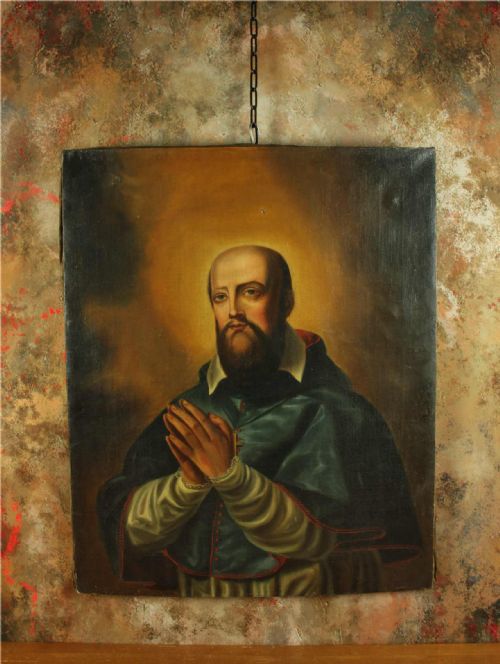
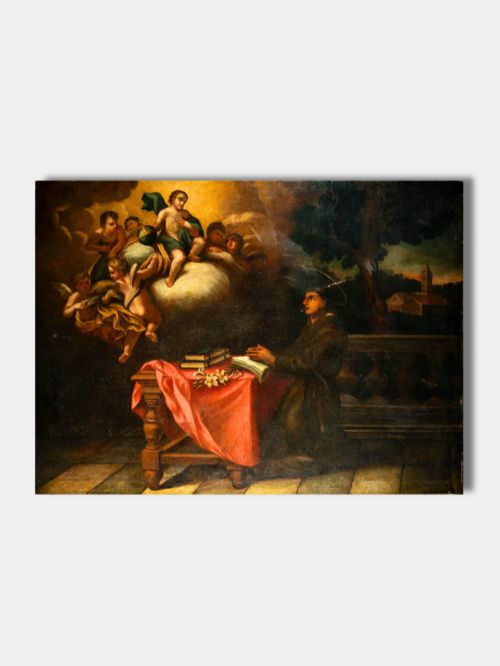
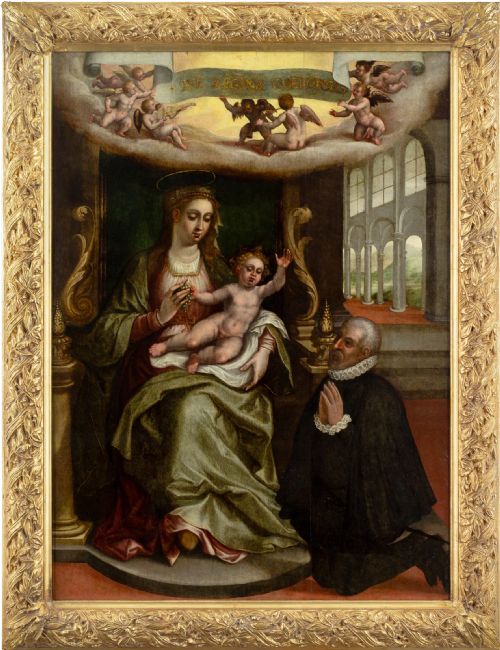
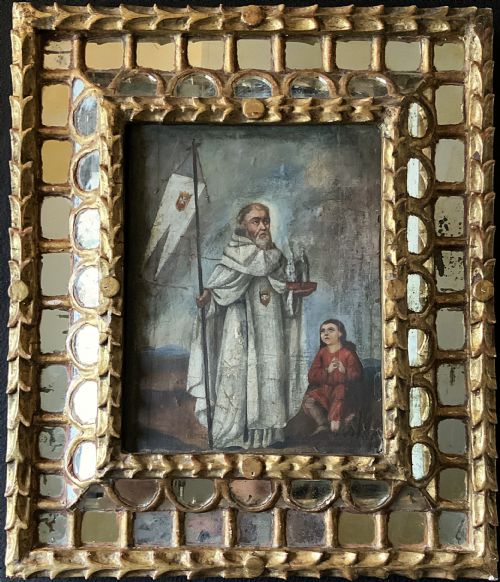
When you search for a devotional oil painting, you encounter sacred artworks produced across European traditions from the seventeenth to the nineteenth century. These pieces depict holy figures, saints, and narrative biblical scenes intended to inspire contemplation in private spaces or churches.
The selections available here span diverse regional traditions including Italian, Hessian, and French schools. You will find both intimate panels and larger canvases representing subjects such as the Virgin Mary, Christ the Saviour, and St. Francis of Assisi.
How they were made
These works utilise traditional oil paint applied to canvas or wood supports, often framed in gilt wood or gesso. Painters built up compositions through layered pigments, sometimes revealing earlier artistic thoughts known as pentimenti beneath the final surface.
Regional workshops followed established European painting techniques of their respective periods, utilising organic grounds and hand-stretched canvases. Many pieces bear the marks of age through surface craquelure and the natural patina of oil mediums over centuries.
Retail Price Guide 2026
Typical UK retail prices for devotional oil painting, calculated from the Sellingantiques database of over a million retail prices indexed since 2003. This retail price guide relies exclusively on Sellingantiques data; no external sources or auction records are used, so the figures do not describe the wider market.
Keep an eye out for double-sided pieces, where artists seemingly could not waste a good panel and painted a holy surprise on the back.
What varies in quality
Quality in a devotional oil painting rests upon the confidence of the brushwork and the expressive depth given to the figures. Finer examples display a sophisticated handling of light and shadow, particularly in drapery and facial expressions, whereas simpler works lean towards a folk or naïve execution.
The preservation of the original painted surface and its housing also distinguishes the tier of a piece. Retaining untouched gesso frames and stable canvas grounds elevates the historical integrity of the artwork.
The Devotional Oil Painting Glossary
- Pentimento
- An alteration in a painting, evidenced by traces of previous work showing through the top layer of paint. This phenomenon reveals the artist changing their mind during the creative process.
- Ex-Voto
- A votive offering given to a saint or a divinity, often taking the form of a painting commissioned in fulfilment of a vow or in gratitude for a grace received.
- Gesso
- A white paint mixture consisting of a binder mixed with chalk, gypsum, or pigment, used to prepare wood panels or canvases for painting.
- Craquelure
- A network of fine cracks in the paint surface or varnish of an oil painting, occurring naturally as the materials age.
Frequently Asked Questions
What is a devotional oil painting?
These are sacred artworks created to aid prayer, meditation, or remembrance in religious settings and private homes. They typically portray saints, biblical narratives, or holy figures.
Such paintings served as focal points for spiritual devotion across European schools from the seventeenth century onwards.
Where were these paintings displayed?
Historical devotional works hung in domestic chapels, parish churches, and private rooms for daily contemplation. Their scale often depended on whether they were intended for intimate personal prayer or communal worship.
Many smaller panels travelled with owners or occupied quiet corners of household interiors.
How do I date a religious painting?
Dating relies on stylistic evidence, costume details, framing methods, and the physical characteristics of the canvas or wood panel. Pigment analysis and the nature of the ground layer also offer clues to the period of origin.
Comparing regional European school conventions helps narrow the century of production.
How should I care for old canvases?
Keep these paintings away from direct sunlight, high humidity, and rapid temperature fluctuations to protect the fragile oil and canvas. Stable environmental conditions prevent cracking and warping of the wood or stretcher frames.
Dust gently with a soft, dry brush and avoid chemical cleaning agents entirely.