


Baroque Religious Artwork
Baroque religious artwork brings devotional subjects to life through dramatic painted canvases and reverse glass prints.
What baroque religious artwork is
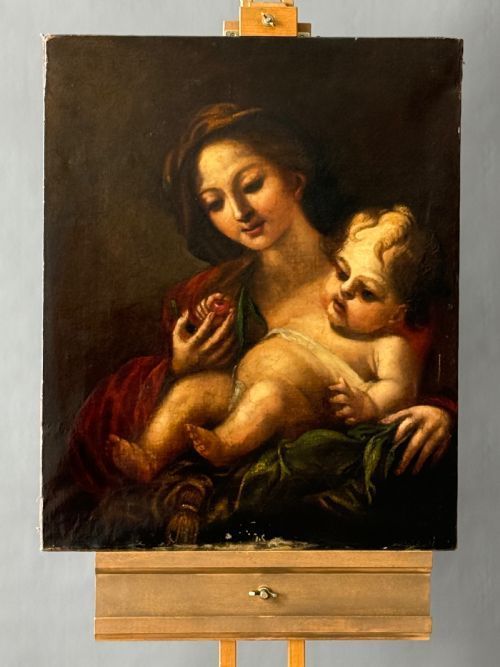
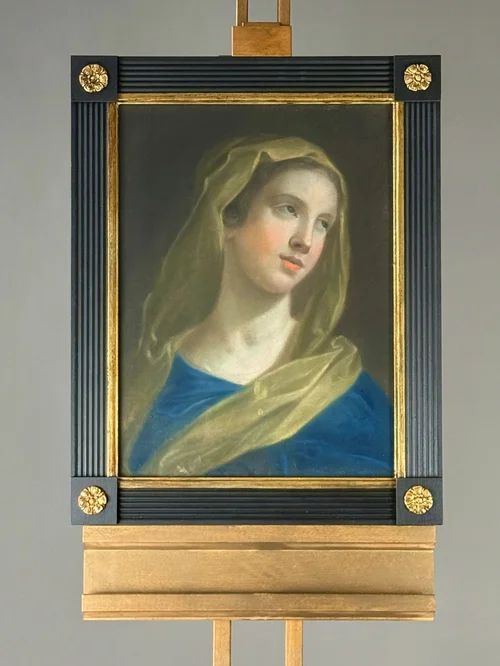
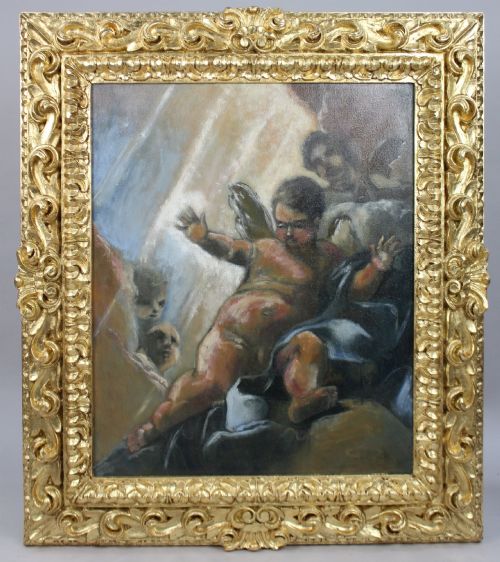
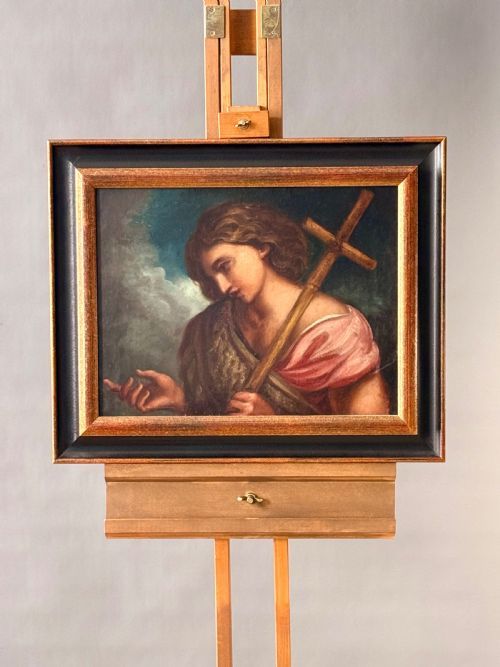
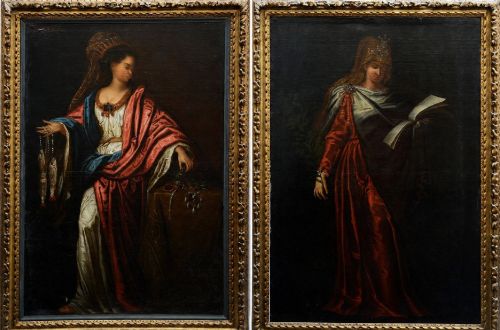
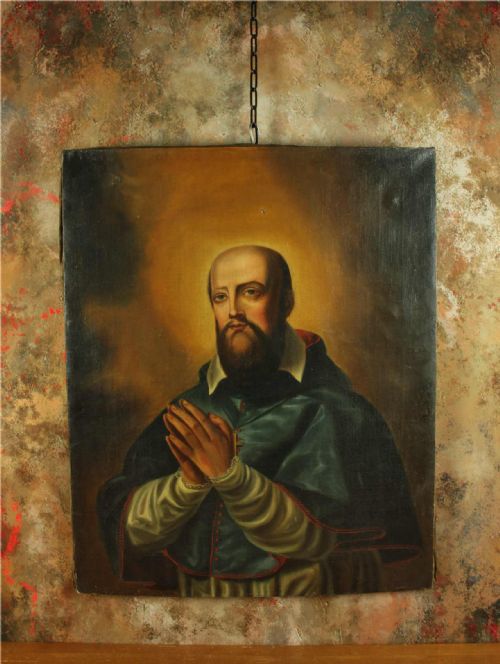
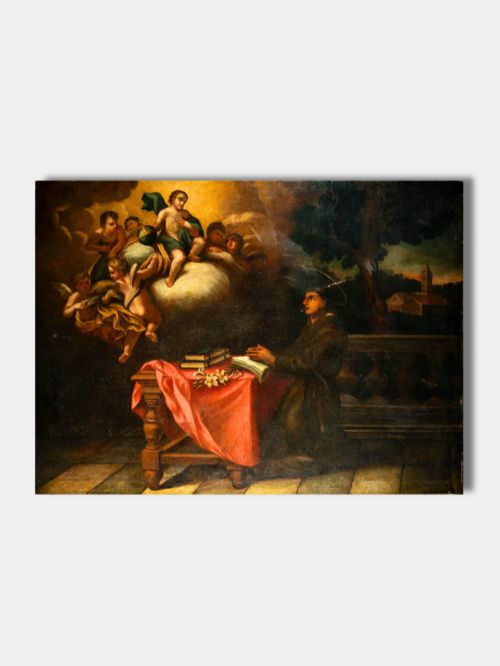
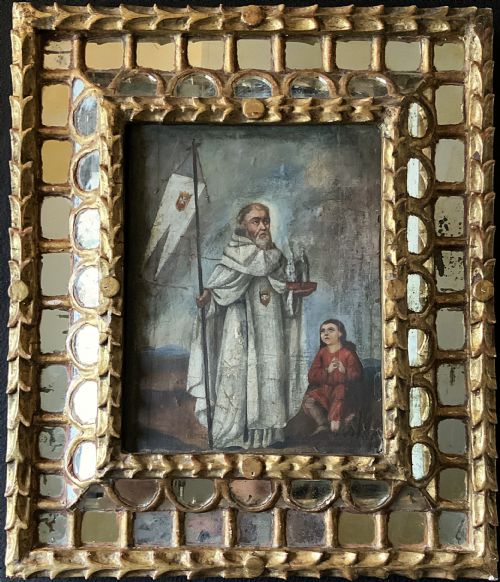
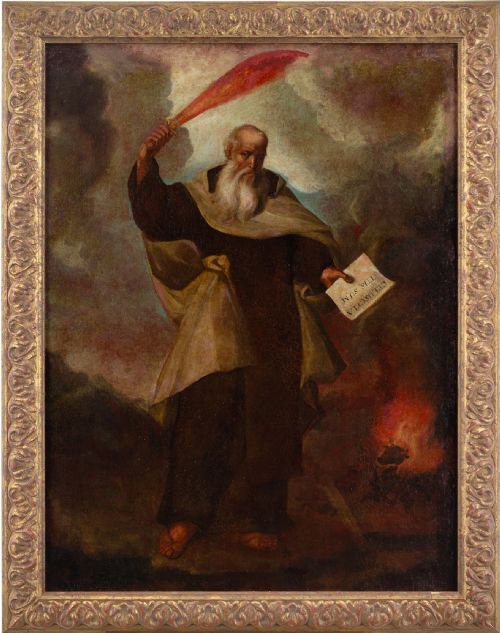
Baroque religious artwork encompasses devotional pieces created during the seventeenth and eighteenth centuries, capturing sacred figures and biblical narratives. When searching for baroque religious artwork, buyers encounter oil paintings on canvas and reverse glass mezzotints.
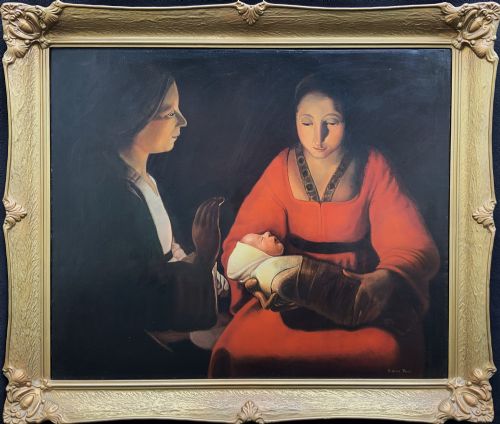
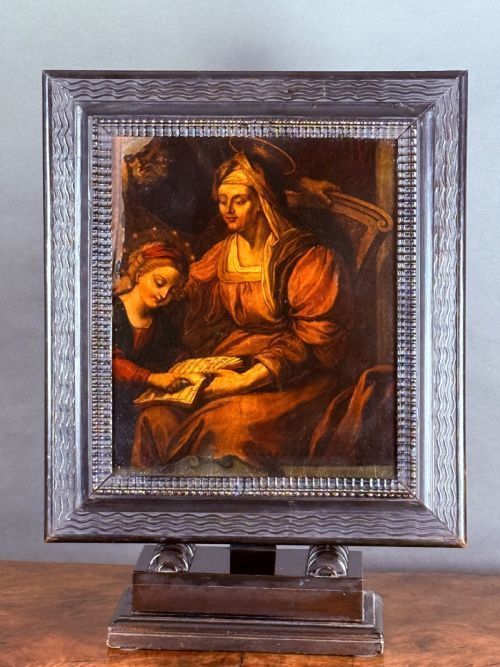
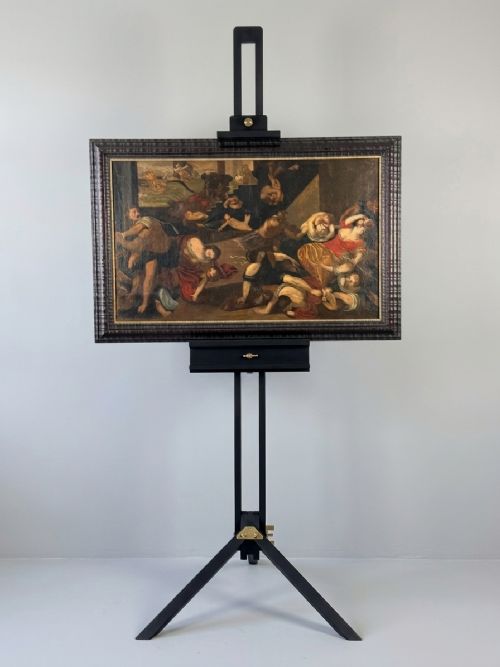
The selections on this page feature European regional schools, including Italian, French, and Hessian traditions. Subjects range from the Education of the Virgin and the Crucifixion to ex-voto portraits and depictions of popes.
How they were made
Makers utilised oil pigment and oil paint applied to canvas supports for traditional portraits and narrative scenes. Wood frames often encase these painted works.
Alternative techniques include reverse glass painting and reverse glass mezzotints on paper and glass. These optical methods required precise placement of imagery viewed through the glass plate.
Retail Price Guide 2026
Typical UK retail prices for baroque religious artwork, calculated from the Sellingantiques database of over a million retail prices indexed since 2003. This retail price guide relies exclusively on Sellingantiques data; no external sources or auction records are used, so the figures do not describe the wider market.
Current listings span the seventeenth and eighteenth centuries, featuring oil paint, canvas, wood, glass, and paper.
What varies in quality
Quality rests in the handling of the regional school and the expressiveness of the sacred figures, distinguishing workshop production from master hands. Handling of oil paint and the preservation of the glass surface dictate the visual impact.
Depth of iconography and historical documentation elevate certain portraits and devotional panels above standard devotional objects.
The Baroque Religious Artwork Glossary
- Reverse glass painting
- A technique where the artist paints directly onto the reverse side of a glass sheet so the image is viewed through the front. This method creates a luminous surface finish.
- Mezzotint
- A printmaking process of the intaglio family where tones are worked from dark to light. Early examples utilise specialised tools to build up rich tonal gradations.
- Ex-voto
- A votive offering presented to a saint or divinity in fulfilment of a vow. These portraits record acts of devotion and divine intervention.
- Baroque
- The artistic style dominant in Europe during the seventeenth and eighteenth centuries characterised by drama and rich detail. It informs the theatrical composition of these sacred works.
Frequently Asked Questions
What is reverse glass painting?
Reverse glass painting involves applying pigment directly to the back of a glass panel. The finished artwork is viewed through the transparent front.
This technique produces a distinct glossy sheen and preserves the colours from atmospheric dirt.
How do I identify a regional school?
Regional schools are identified through stylistic traits, subject matter, and archival attribution. Italian works often display classical drapery, while Hessian or French pieces reflect local devotional customs.
Examining the canvas preparation and frame construction assists in confirming geographic origins.
What is an ex-voto portrait?
An ex-voto portrait is a religious painting commissioned to give thanks for a miracle or survival. These works frequently include donors alongside sacred figures like the Virgin Mary.
They serve as personal records of faith within domestic or ecclesiastical settings.
How should I care for oil paintings?
Oil paintings require stable environmental conditions away from direct sunlight and excessive humidity. Canvas supports benefit from minimal handling and occasional professional inspection.
Glass-fronted pieces need gentle cleaning with appropriate solutions to protect the delicate surface.