


17th Century Art
These pieces of 17th century art bring historic portraiture and domestic craft into a room, offering a direct tangible link to the past.
What 17th century art includes
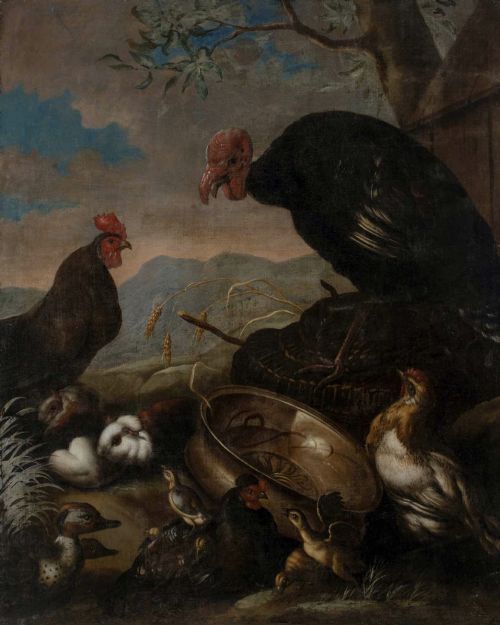
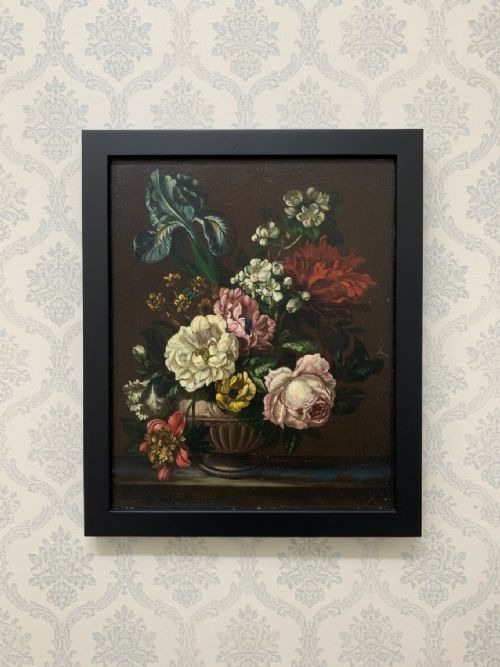
When you search for 17th century art, you encounter a selection spanning oil paintings on canvas and wood panel alongside robust oak furniture and metalware.
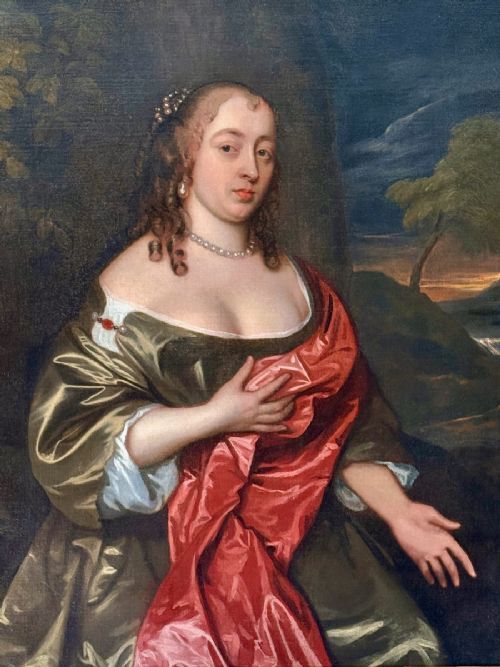
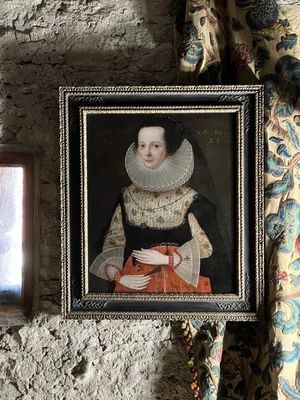
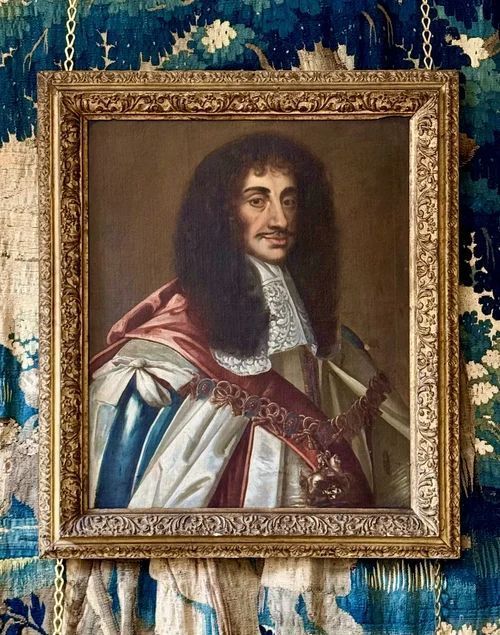
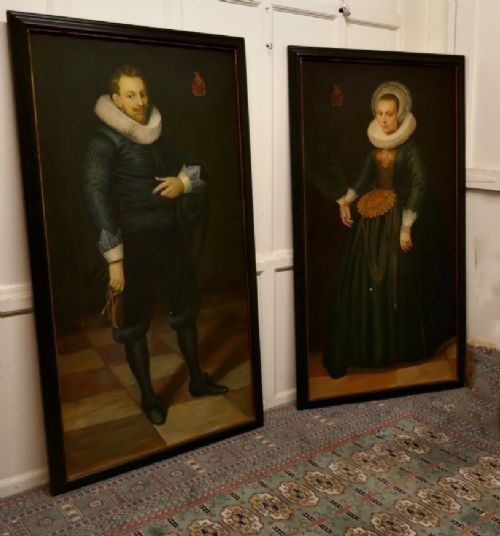
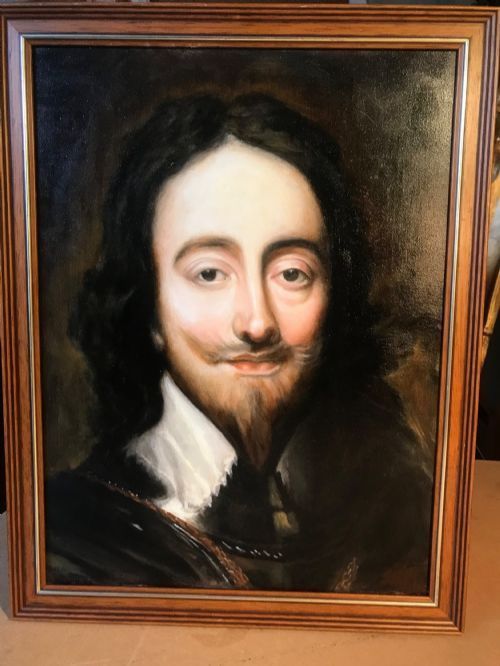
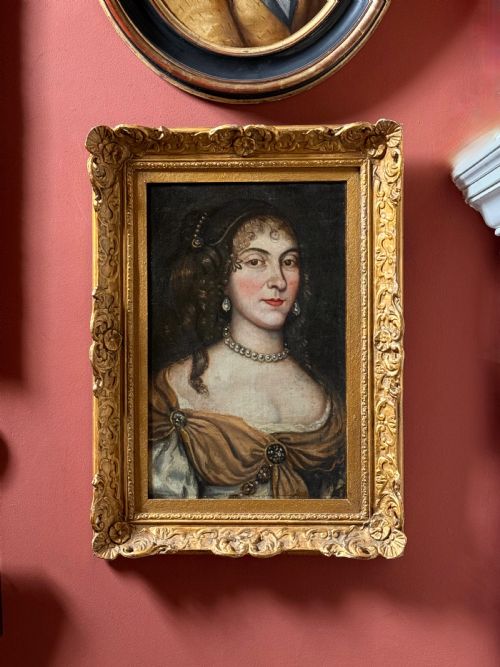
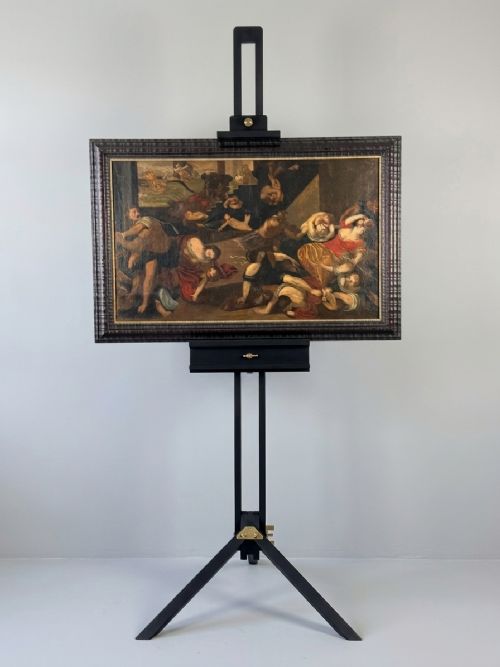
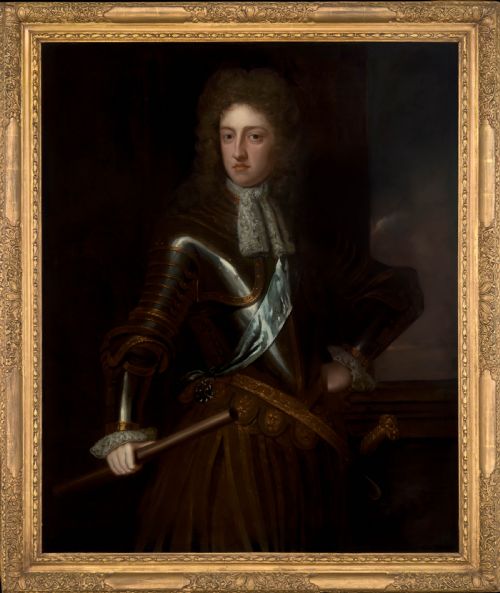
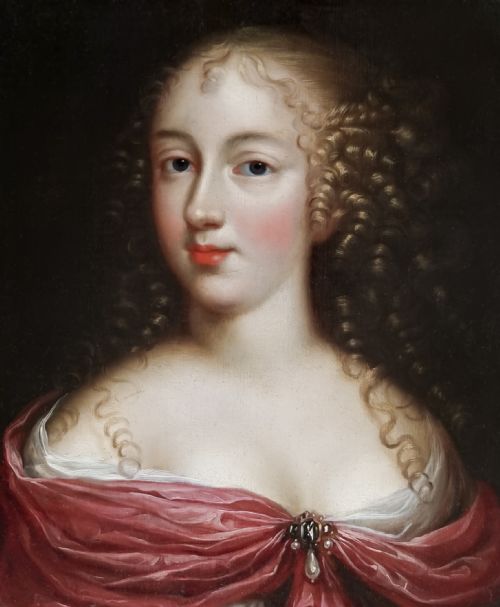
The paintings on this page predominantly present formal portraits of sitters from the period, executed by regional schools or circles of known practitioners.
Beyond framed oils, the archive and current listings encompass carved oak chests, cupboards, and tables from the same century, reflecting both high court style and provincial vernacular production.
Materials and construction
Painters of this era applied oil paint to prepared wood panels or woven canvas supports, sometimes finished with gold leaf accents.
Carpenters utilised native timber like oak and fruitwood, constructing two-part chests, cupboards and tables with pegged joints and geometric mouldings.
Metal objects such as apothecary mortars were cast in bell metal using traditional foundry techniques.
Retail Price Guide 2026
Typical UK retail prices for 17th century art, calculated from the Sellingantiques database of over a million retail prices indexed since 2003. This retail price guide relies exclusively on Sellingantiques data; no external sources or auction records are used, so the figures do not describe the wider market.
Among the carved oak panels hides a lively folk art depiction of a squirrel and a crocodile sharing domestic space.
Assessing quality
The distinction between standard works and finer examples lies in the confidence of the brushwork and the precision of the sitter's anatomy and attire.
In wooden objects and furniture, quality reveals itself in the depth and crispness of the carved details, such as foliate panels or geometric mouldings, and the preservation of original timber.
Cornelius Johnson·David Scougall·Henry Stone·John Riley·Anthony Van Dyck·Bartholomeus Van Der Helst·Bartolomé González
The 17th Century Art Glossary
- Wood Panel
- A rigid wooden support used for paintings before canvas became dominant. Artists prepared these boards with gesso before applying oil paint.
- Oil on Canvas
- A painting medium where pigments mixed with oil are applied to stretched fabric. This combination allowed for richer colours and softer blending.
- Baroque
- An artistic style originating in the 17th century characterised by movement, drama and deep chiaroscuro. It marked a shift away from rigid Renaissance formality.
- Jacobean
- The style of art and architecture prevalent during the reign of James I. It is marked by a continuation of Elizabethan traditions combined with burgeoning continental influences.
- Bell Metal
- An alloy of copper and tin traditionally used for casting bells and mortars. This dense metal produced resonant objects capable of bearing sharp cast details.
Frequently Asked Questions
How do I identify a 17th century painting?
Look closely at the preparation of the canvas or wood panel, alongside the pigments and stylistic conventions typical of the period. Portrait subjects often wear distinct ruffs, lace collars, or armour specific to the 1600s.
Examine the stretcher bars or panel edges for signs of age, such as handmade nails, oxidation, and historical framing marks that corroborate the era.
What is a two-part chest?
A two-part chest is a piece of furniture constructed in upper and lower sections to facilitate transport in smaller homes. These modular units were particularly common in oak during the 17th century.
The separate boxes sit one atop the other, often featuring geometric moulding, drawer partitions, and panelled sides that showcase regional cabinet-making techniques.
Where were these oak pieces made?
English regional workshops produced the majority of the oak furniture, with specific counties like Lancashire and Cheshire developing distinct carving traditions. Continental pieces from Dutch or Hessian schools also appear.
Local timber availability and domestic demand dictated whether a piece took the form of a gateleg table, a wainscot chair, or a geometric chest of drawers.
How should I care for oil paintings on panel?
Maintain stable room humidity and temperature to prevent the wood panel from warping or cracking over time. Avoid placing the artwork in direct sunlight to protect the oil pigments and varnishes.
Dust the surface gently with a soft, dry brush and consult a professional conservator before attempting any cleaning of the paint layer.