
Fine Art Portraiture
Fine art portraiture captures likeness and status through historic painted canvases framed in gilded wood.
Fine Art Portraiture
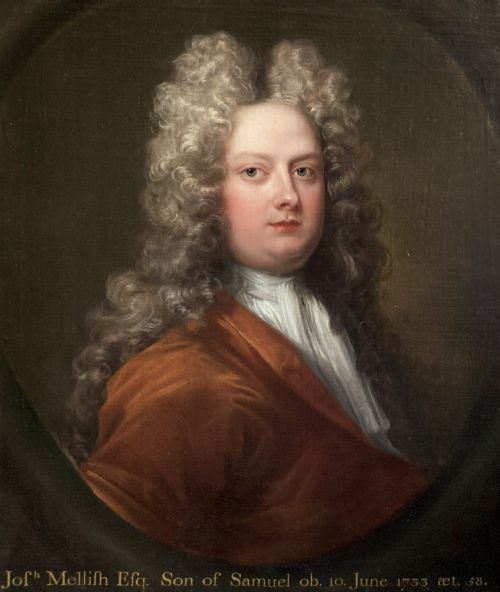
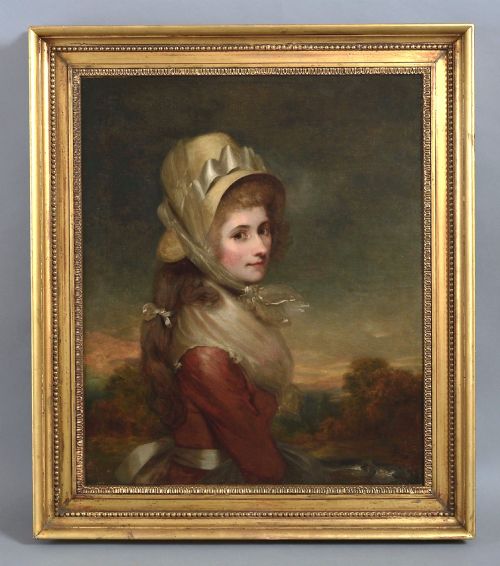
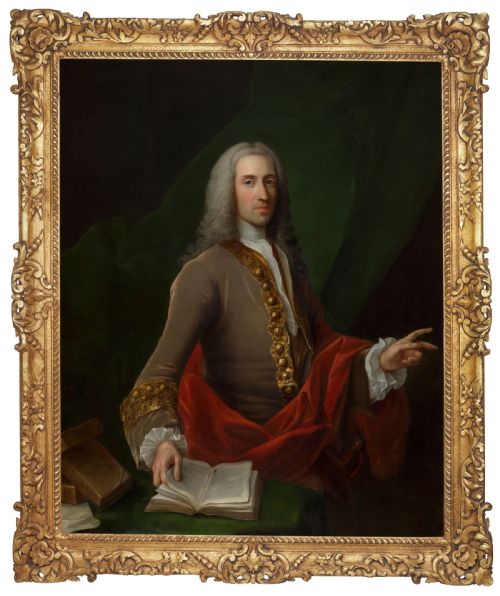
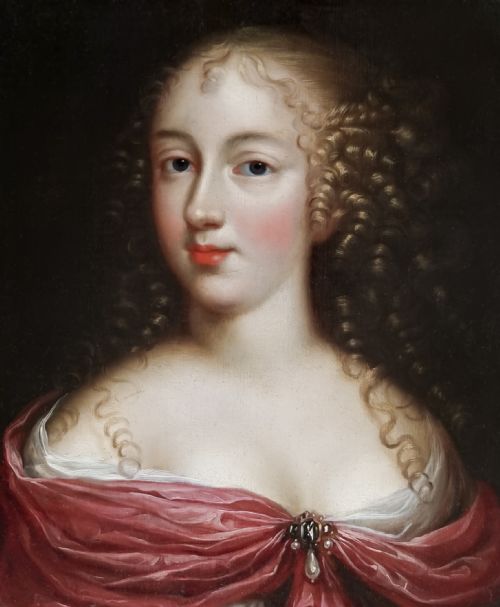
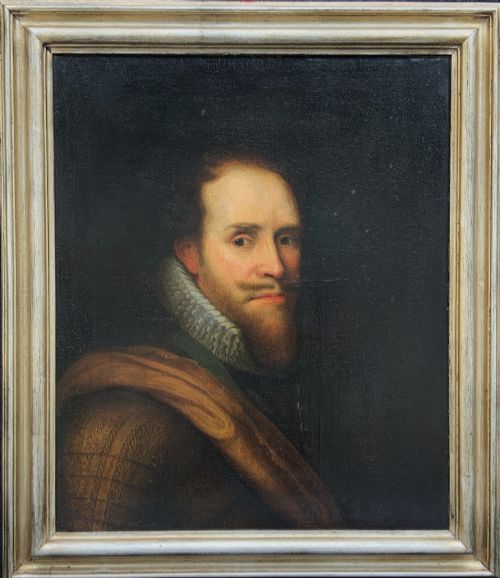
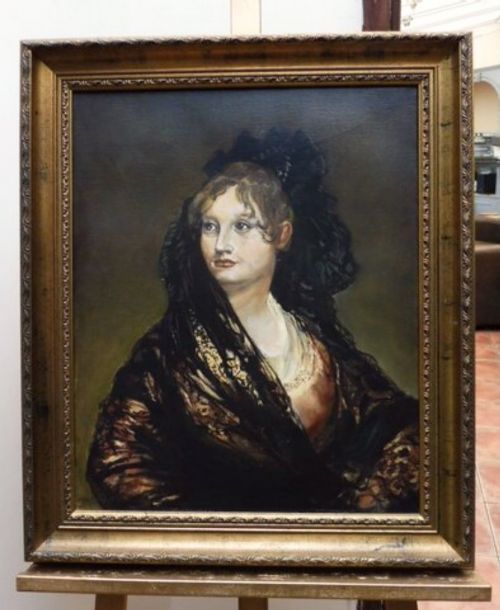
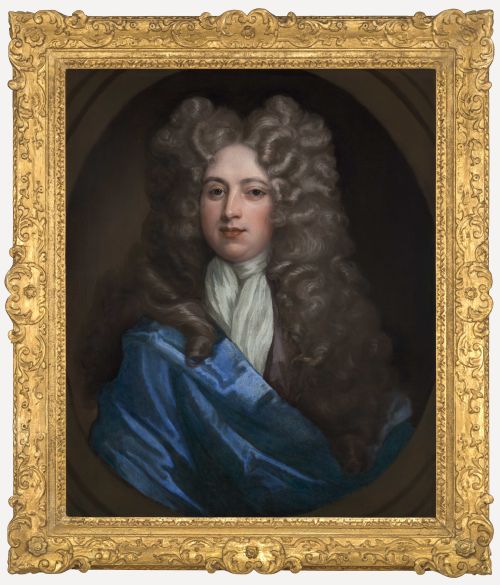
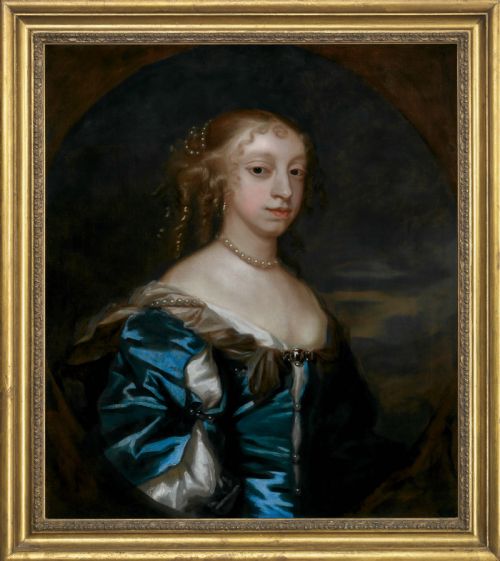
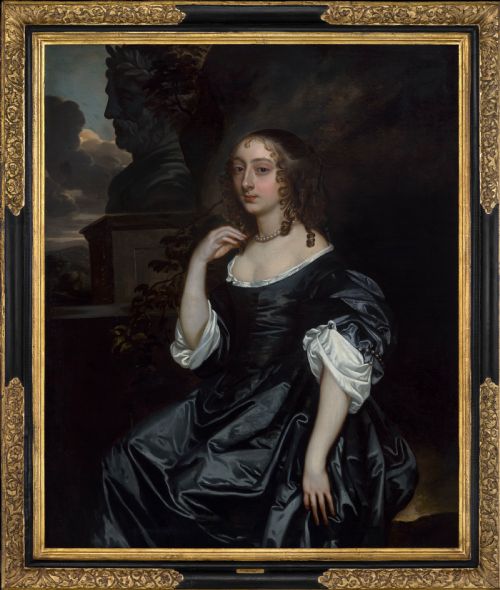
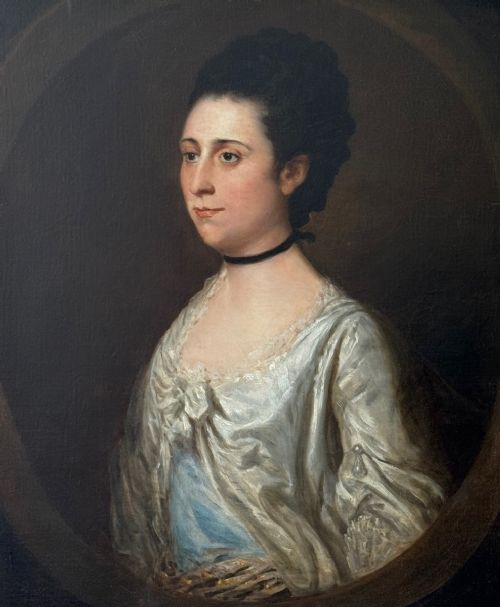
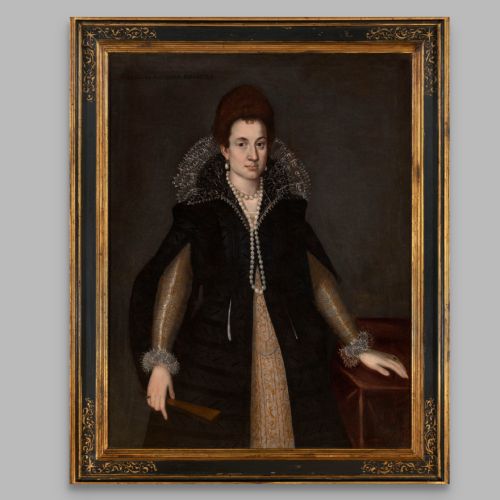
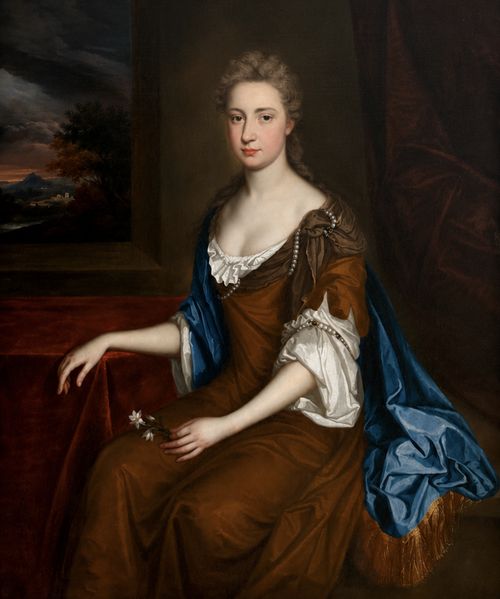
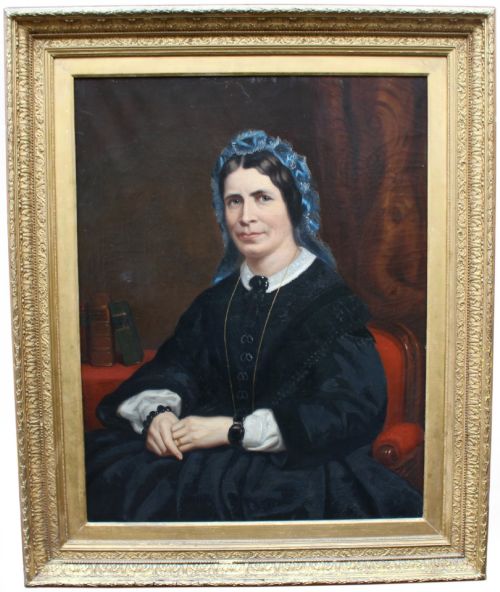
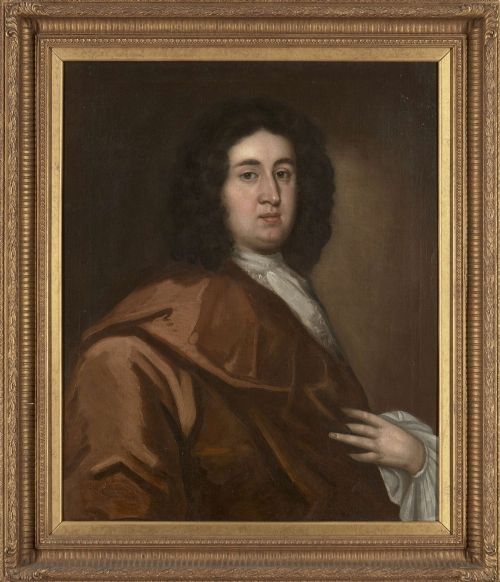
Fine art portraiture encompasses historic painted likenesses of noblemen, ladies, gentlemen, and family groups rendered across several centuries. The selections on this page lean heavily toward seventeenth-century Dutch and English school works, alongside eighteenth-century oil paintings and nineteenth-century Victorian pieces.
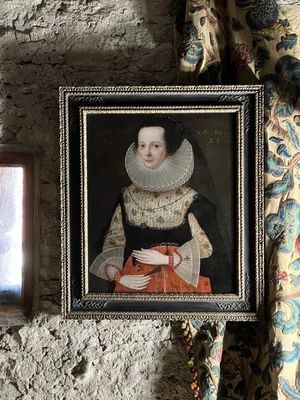
Subjects appear in elaborate costume, holding books, pipes, or parasols, or arrayed in decorative armour and rich velvet dresses. These oil paintings and framed artworks record individual identities and social standing from periods spanning the Jacobean era to the early twentieth century.
How they were made
Artists painted primarily with oil paint upon stretched canvas, prepared wooden panels, or rigid board supports. Pigments were applied in layered glazes to build depth in flesh tones, garments, and background drapery.
Frames utilise carved wood, gesso, and gold leaf applied to create ornate gilded surrounds. These materials provide structural support while enhancing the visual presence of the portrait.
Fine Art Portraiture Retail Price Guide 2026
Typical asking prices for fine art portraiture among the pieces listed under this phrase on Sellingantiques today, from the lower quarter to the upper quarter. They describe what is for sale here now, not the wider market.
Several portraits capture sitters holding pipes, books, or red parasols as personal accessories.
What varies in quality
The standard of fine art portraiture depends largely on the anatomical precision of the hands, face, and drapery executed by the artist. Master practitioners capture subtle psychological depth and textural nuance in lace, velvet, and skin.
Preservation of the original paint layer and the condition of the underlying canvas or panel significantly influence overall merit. Surviving historic frames finished in original gold leaf also contribute substantially to the integrity of the piece.
Charles Jervas·Edward Fisher·Sir Joshua Reynolds·Sir Martin Archer Shee·Jeremiah Davison·Pierre Mignard·Thomas Murray·Sir Peter Lely·Thomas Beach·Pietro Fachetti·John Closterman·Jonny Gaston·Sir Allan Ramsay·Albin Mattenheimer·Sir Anthony van Dyck·Cornelius Johnson·Florence Small·Emily Eyres·Philip Naviasky·Theodore Jensen
The Fine Art Portraiture Glossary
- Oil on Canvas
- A painting medium where pigments suspended in drying oils are applied to a woven fabric support. This technique allowed artists to achieve rich colour saturation and subtle tonal gradations.
- Giltwood
- Wood that has been coated with a thin layer of gold leaf or powder. It frequently frames historic portraits with reflective ornamentation.
- Gesso
- A plaster mixture applied to wood panels or canvas as a prepared base for painting. It creates a smooth, stable surface for oil pigments.
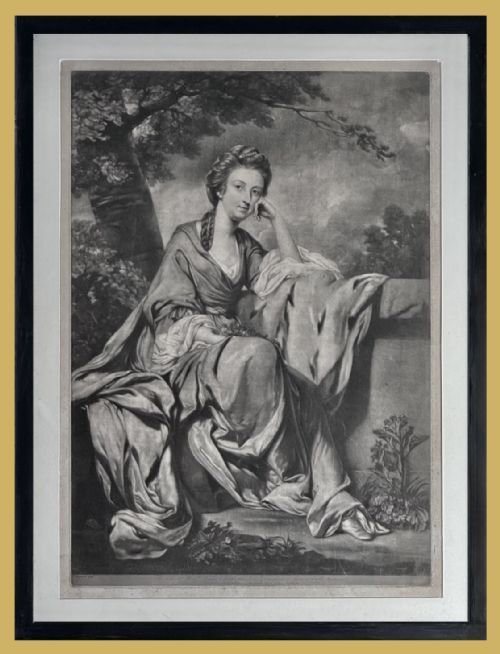
- Mezzotint
- A printmaking process of the intaglio family where a copper plate is roughened to achieve deep tonal variations. It was often utilised to reproduce famous painted portraits in monochrome.
- Jacobean
- A stylistic period spanning the reign of James I, characterised by formal, linear portraiture and elaborate costume detail. Paintings from this era often depict sitters in stiff ruffs and embroidered doublets.
Fine Art Portraiture: Frequently Asked Questions
What is fine art portraiture?
Fine art portraiture consists of painted likenesses of individuals executed in oil on canvas, panel, or board by historic artists. These works record the physical appearance, costume, and social status of sitters from past centuries.
Subjects range from noblewomen in elaborate seventeenth-century costume to Victorian gentlemen and children. The pieces function as both historic records and decorative artworks.
How should I hang an oil portrait?
Historic oil portraits require stable wall environments away from direct sunlight and dramatic temperature fluctuations. Hanging them securely on appropriate wall fixings ensures the heavy wooden frames remain properly supported.
Displaying them at eye level allows viewers to appreciate the fine details of the facial expression and brushwork. Proper clearance from heat sources protects both the canvas and the giltwood frame.
How do I identify the period of a portrait?
The clothing, hairstyles, and accessories worn by the sitter offer the clearest initial clues to the date of execution. Doublets, ruffs, periwigs, and Victorian dresses map directly to specific historic decades.
Stylistic conventions of the paint application and framing techniques provide secondary confirmation. Comparing the canvas preparation and stretcher construction further narrows down the date.
What is an English school painting?
An English school attribution refers to a work created by an artist working within Britain during a particular era. These painters often followed prevailing portrait conventions established by royal courts.
Such pieces frequently record British nobility, gentry, or military officers. They reflect the domestic artistic traditions of the period.