


Classical Oil Painting
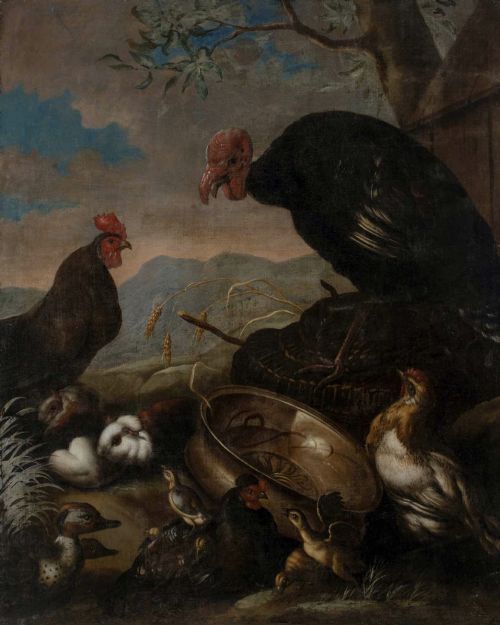
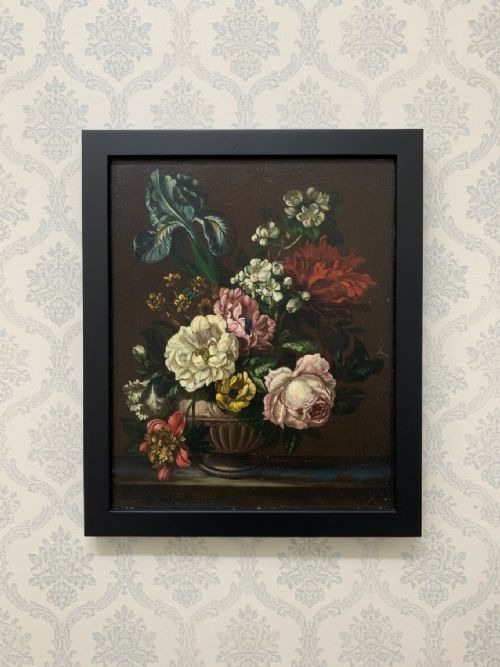
A classical oil painting brings centuries of mythology, portraiture, and grand landscapes into an interior.
Classical Oil Painting
A classical oil painting encompasses fine art works ranging from the sixteenth century through to later revivals, capturing mythological scenes, historical narratives, and formal portraits. Buyers exploring this category encounter canvases and panels depicting figures from antiquity, architectural ruins, and carefully composed still lifes.
The selections span distinct periods including the seventeenth, eighteenth, and nineteenth centuries, alongside later twentieth-century interpretations and copies. Works attributed to specific European schools or executed in the manner of established masters appear frequently alongside framed wall art.
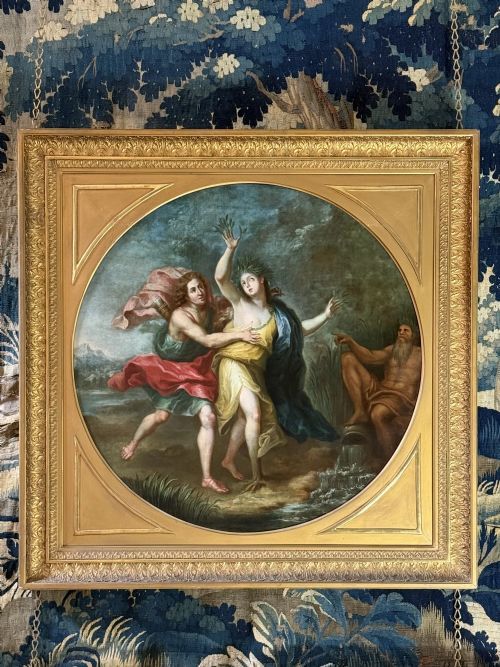
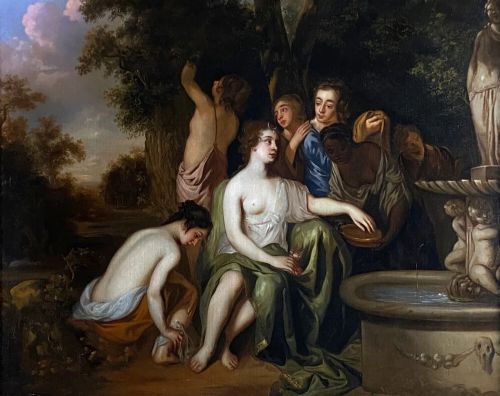
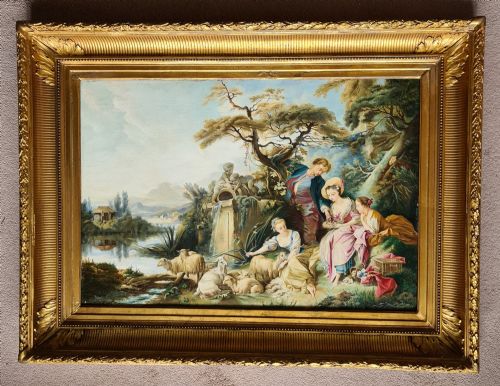
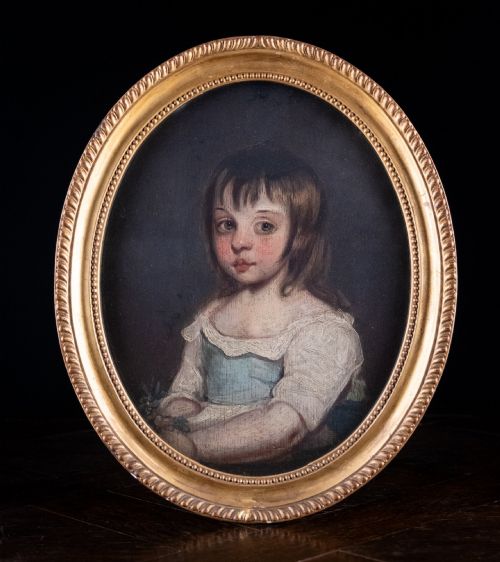
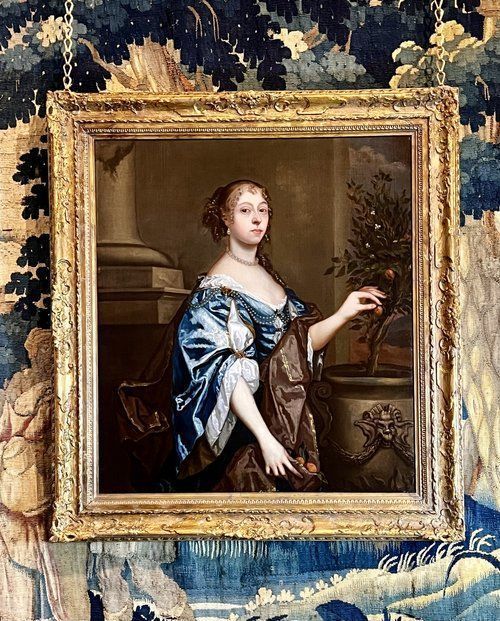
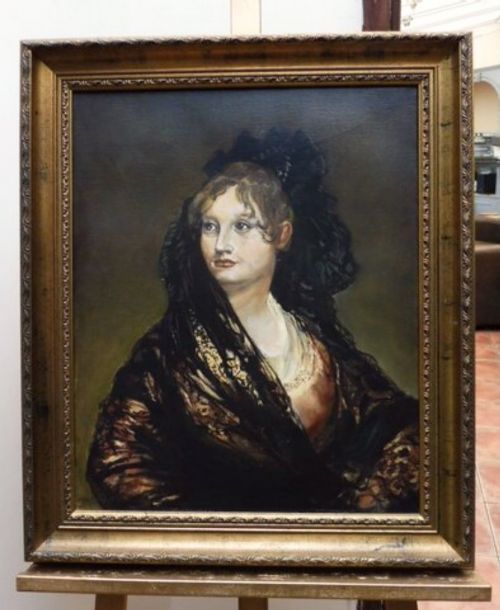
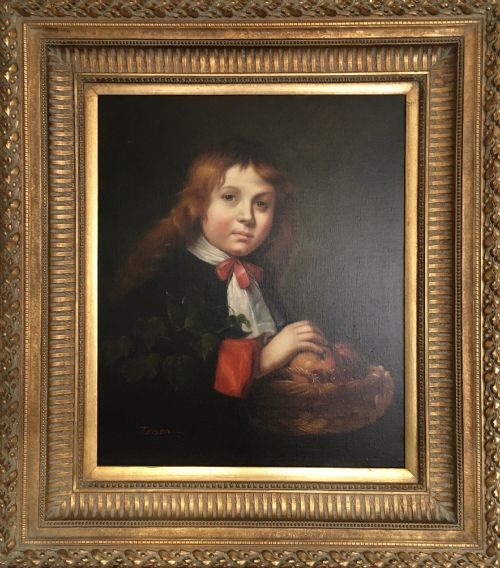
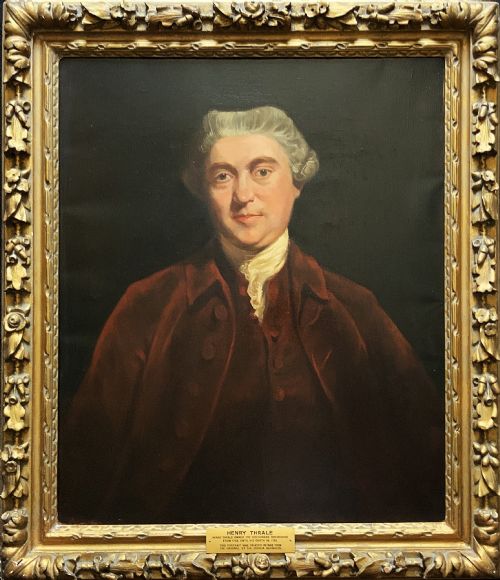
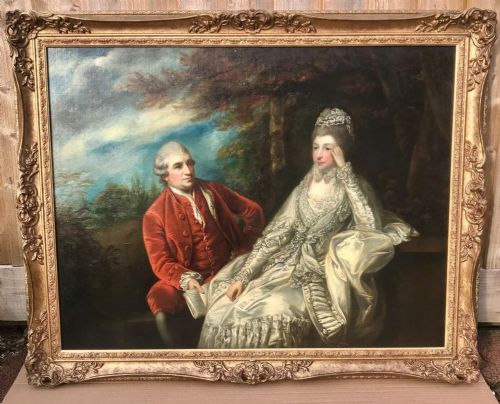
Subjects frequently draw on classical mythology, such as deities, sibyls, and pastoral landscapes populated by figures in classical dress. Portraiture also forms a substantial part of the genre, depicting sitters from nobility and country life alike.
Materials and Construction
Pigments ground in oil were traditionally applied to stretched canvas or wooden panels, allowing for smooth blending and deep tonal graduation. Artists built up compositions through successive layers of glaze and opaque paint to achieve luminosity and depth.
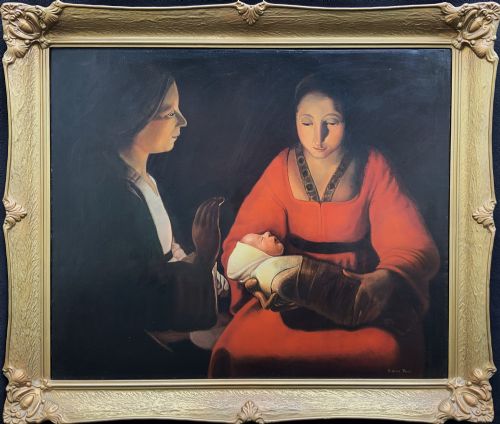
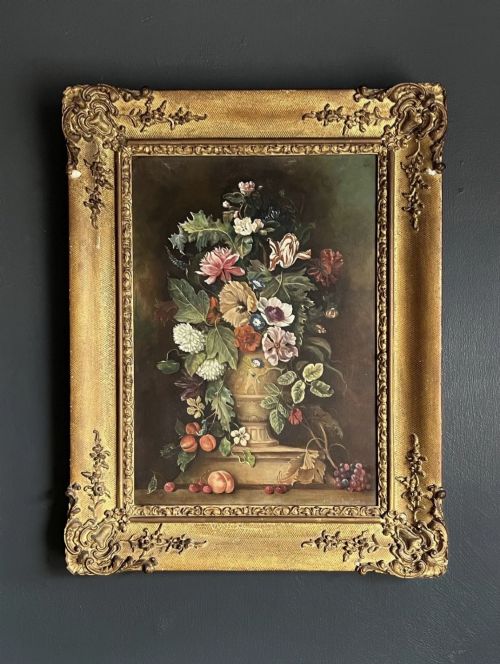
Many surviving examples are housed in their original or period-appropriate frames constructed from wood, embellished with gesso, and finished with gold leaf or carved giltwood. These frames serve both a structural and decorative purpose, often integral to the presentation of the artwork.
Listings feature canvases spanning from the sixteenth century through to mid-twentieth-century interpretations, executed on both wood panels and woven canvas supports.
Factors of Quality
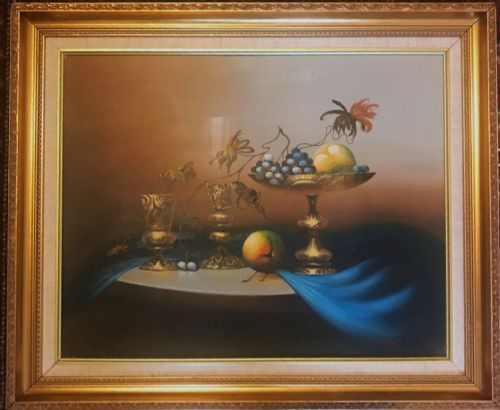
The execution of the brushwork and the handling of light and shadow determine the artistic merit of a canvas. Superior examples display confident draughtsmanship in human anatomy and drapery, particularly within complex multi-figure mythological scenes or detailed portraiture.
The condition of the painted surface and its housing also influence the standing of a piece. Works retaining their original panels or unlined canvases, paired with well-preserved period gesso and giltwood frames, represent the upper tier of the discipline.
Charles Antoine Coypel·Sir Peter Lely·Angelo Maria Crivelli·Pierre Mignard·Pieter Borsseler·Francisco Jose de Goya·Sir Joshua Reynolds·Jacob Philipp Hackert·Bernardino Luini·John Opie
The Classical Oil Painting Glossary
- Oil on canvas
- Pigment mixed with a drying oil applied to a woven fabric support. This material combination became standard for European painting from the Renaissance onward.
- Giltwood
- Wood that has been coated with gold leaf or gold paint. Such frames often feature heavily carved decorative elements typical of period aesthetics.
- Panel painting
- A rigid support made from wood rather than flexible canvas. These are frequently encountered in earlier seventeenth-century works.
- Gesso
- A paint mixture consisting of a neutral binder mixed with chalk, gypsum, or pigment. It was used as a prepared surface on wood frames before gilding.
- Mythological scene
- An artwork depicting narratives drawn from classical Greek or Roman stories. These subjects were central to academic painting traditions.
Classical Oil Painting: Frequently Asked Questions
What is a classical oil painting?
A classical oil painting is a work of fine art executed in oil paint on canvas or panel that depicts traditional subjects such as mythology, history, portraits, or landscapes. These pieces reflect the artistic conventions and techniques of European painting traditions from the sixteenth century onwards.
Such works often demonstrate formal composition, sophisticated use of light and shadow, and adherence to academic standards established by historical European schools.
How were these paintings displayed?
Historically, these artworks were framed in ornate wooden surrounds, often finished with gesso and gold leaf, designed to complement domestic interiors and state rooms. They served as focal points in galleries, libraries, and formal reception spaces.
Today, they continue to be hung as statement wall art in period and contemporary interiors alike, paired with appropriate picture lighting to showcase their tonal depth.
How can I identify the period?
Dating a canvas involves examining the preparation of the support, the style of the brushwork, and the framing materials used. Earlier works from the seventeenth and eighteenth centuries often utilise wooden panels or hand-woven canvases with specific preparation grounds.
Subject matter, costume details, and the palette of the pigments also offer clues to whether a piece originates from its primary era or represents a later nineteenth- or twentieth-century revival.
What is the difference between an original and a copy?
An original painting is created directly by an artist or within their immediate studio, whereas copies and pieces executed in the manner of a master were often produced for study or as later tributes. Many fine examples on the market include period copies after renowned artists.
Quality in these pieces is judged by the skill of the execution and the vibrancy of the brushwork, regardless of whether the composition is original or derived from an earlier master.