



Military Portrait in Armour
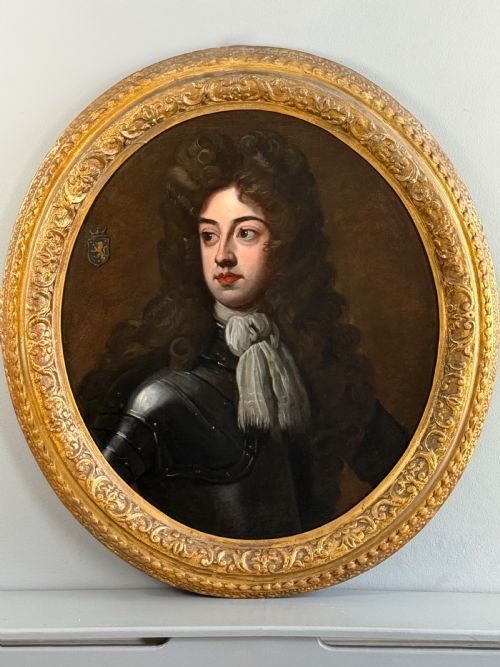
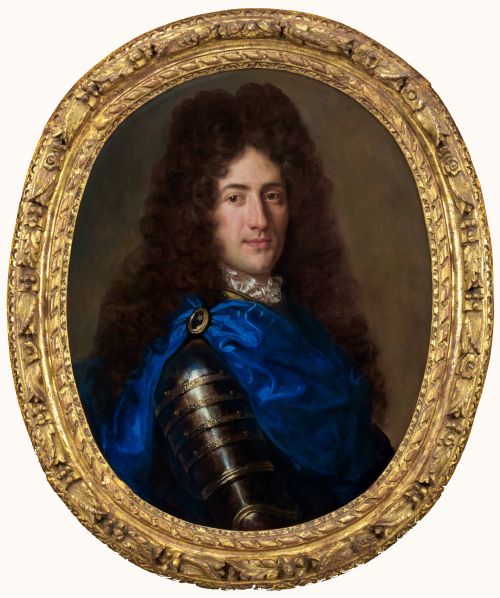
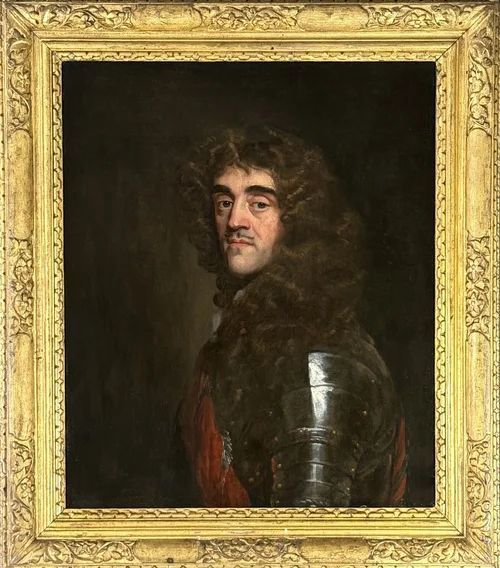
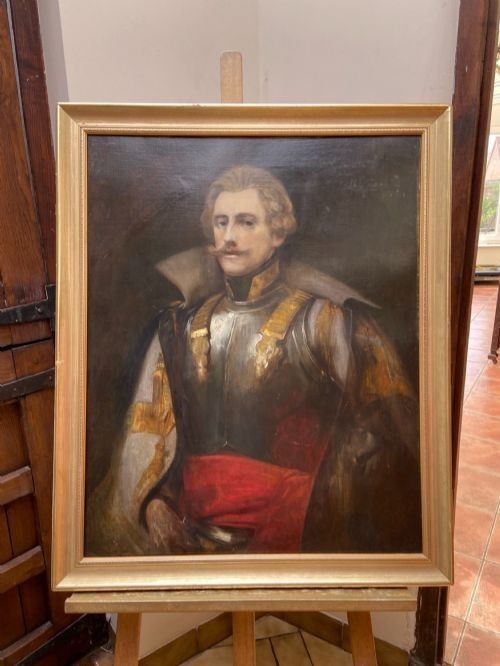
A military portrait in armour captures officers and noblemen in steel plates, offering a striking record of rank and martial identity.
Military Portrait in Armour
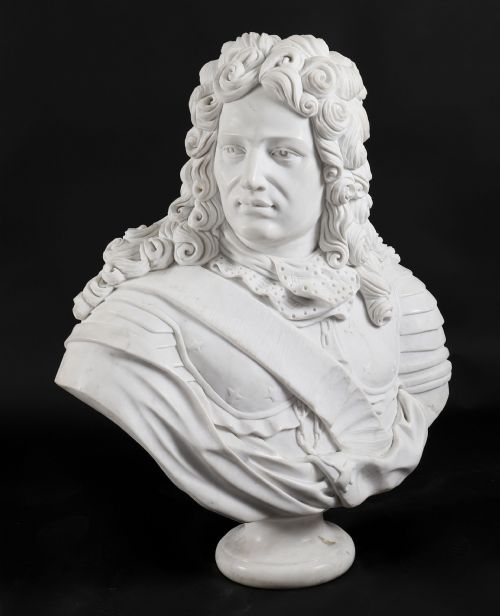
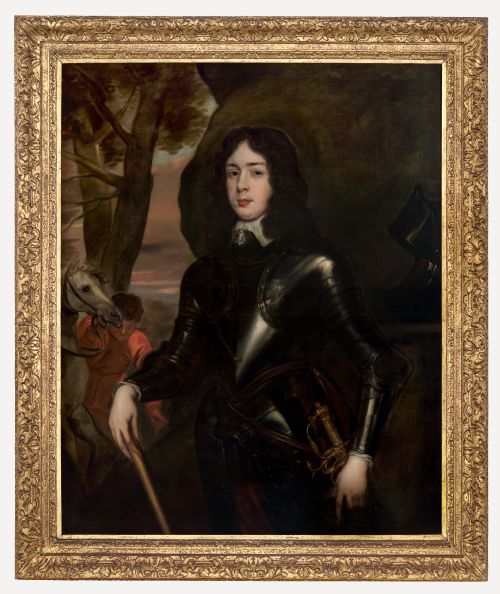
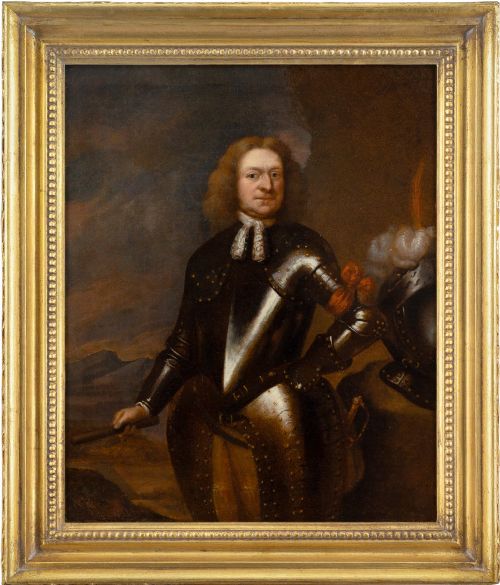
A military portrait in armour depicts figures from the sixteenth century to the nineteenth century, capturing aristocrats, commanders, and noblemen clad in plate steel and heavy coats. These works primarily take the form of oil on canvas paintings, alongside occasional prints and marble busts.
Buyers will most frequently encounter seventeenth-century and eighteenth-century canvases executed in Baroque styles, reflecting the visual language of European courts and military campaigns. Pieces range from intimate depictions to large-scale works portraying specific historical figures and officers of the New Model Army.
The subjects wear distinct ceremonial or field armour, sometimes accompanied by sashes, badges such as the Lesser George, or horses and grooms in the background. Origins span British, French, German, and Italian schools, showing diverse regional approaches to portraiture.
Materials and techniques
Painters built these works using oil on canvas, applying rich pigments to render the sheen of polished steel, velvet sashes, and lace collars with deep contrast. Canvases were stretched over wooden frames, while archival prints utilised ink on paper through mezzotint techniques.
Sculpted pieces in this category employ carved wood and giltwood for frames, alongside carved Italian marble for sculptural busts of noblemen. The interplay of dark backgrounds and highlighted armour plate defines the visual execution across these mediums.
Listings feature oil on canvas paintings, prints, and marble busts spanning the sixteenth century to the twentieth century.
Quality and execution
The distinction between standard works and exceptional examples lies in the artist's ability to render the reflective qualities of metal and the psychological depth of the sitter's face. Superior pieces display masterly brushwork in the intricate details of plate joints, lace, and insignia, rather than formulaic reproduction.
Provenance and attribution significantly influence the standing of a canvas, with works from established circles or documented schools commanding greater historical interest. The preservation of the original canvas and the integrity of the paint surface also determine the standing of the piece.
Sir Godfrey Kneller·Sir Anthony van Dyck·John Greenhill·Nicolas De Largillière·John Closterman
The Military Portrait in Armour Glossary
- Baroque
- An artistic style of the seventeenth and eighteenth centuries characterised by drama, rich colour, and dynamic movement. It heavily influenced court portraiture across Europe.
- Mezzotint
- A printmaking process of the intaglio family where the plate is roughened to achieve tones and rich dark areas. It was widely used for reproducing famous painted portraits.
- Cuirassier
- A type of cavalry soldier equipped with armour comprising a breastplate and backplate. Portraits of these officers frequently highlight the heavy steel torso defence.
- Giltwood
- Wood that has been treated with gold leaf or a gold-coloured finish, commonly utilised for ornate antique picture frames surrounding these canvases.
Military Portrait in Armour: Frequently Asked Questions
How do I identify the rank of the sitter?
SITTERS often display specific insignia, sashes, or the style of their armour to denote their military standing and social rank. General officers and noblemen frequently wear high-status decorations such as the Lesser George or command batons.
Background elements like horses, tents, or battle scenes further indicate a subject's active military leadership during conflicts of the seventeenth and eighteenth centuries.
What is the significance of the armour depicted?
ARMOUR in these portraits often served as a symbolic link to chivalry and ancestral martial prowess rather than functional field wear. By the seventeenth century, full plate suits were increasingly reserved for ceremonial representation.
Portraitists utilised the polished steel to demonstrate their skill in capturing reflected light, creating a dramatic contrast against rich velvet drapery and dark backgrounds.
How should I care for an oil painting on canvas?
PRESERVE oil paintings by keeping them away from direct sunlight and maintaining stable room temperatures to prevent canvas warping and paint cracking. Dust the surface gently with a soft, dry brush without applying pressure.
Avoid using liquid cleaners or household solvents on the paint or the giltwood frame, as professional conservation is required for deep cleaning.
Can I determine the exact date of a portrait?
DATING relies on the costume, the cut of the hair, the style of the armour, and any documented provenance or inscriptions on the reverse of the canvas. Seventeenth-century and eighteenth-century fashions changed rapidly, providing clear chronological markers.
Stylistic comparisons with documented works by the same school or studio help narrow the timeframe of execution.