
Georgian Period Canvas Art
Georgian period canvas art captures the character and dignity of past centuries through oil paintings on stretched canvas.
Georgian Period Canvas Art
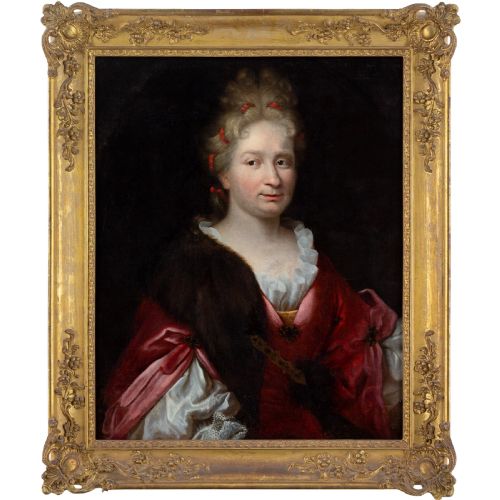
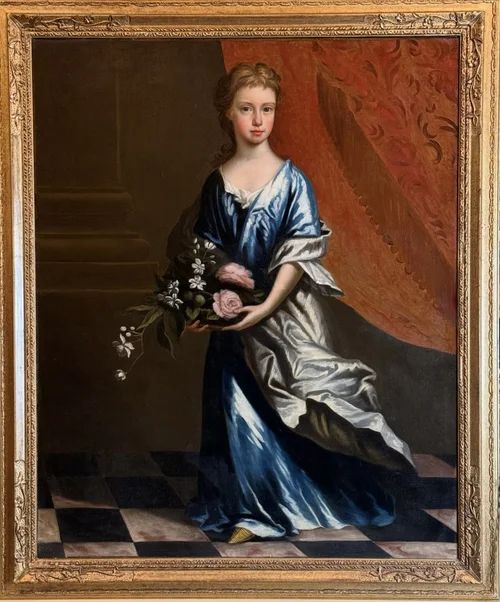
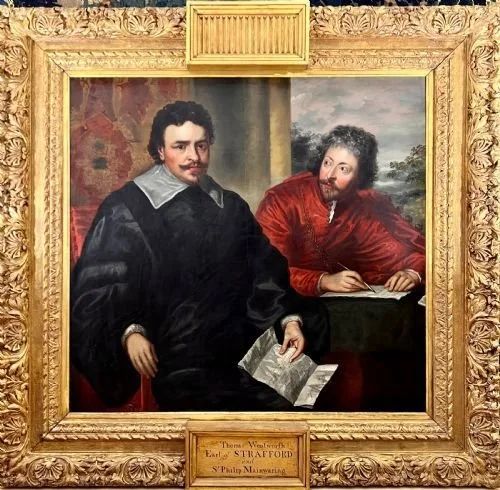
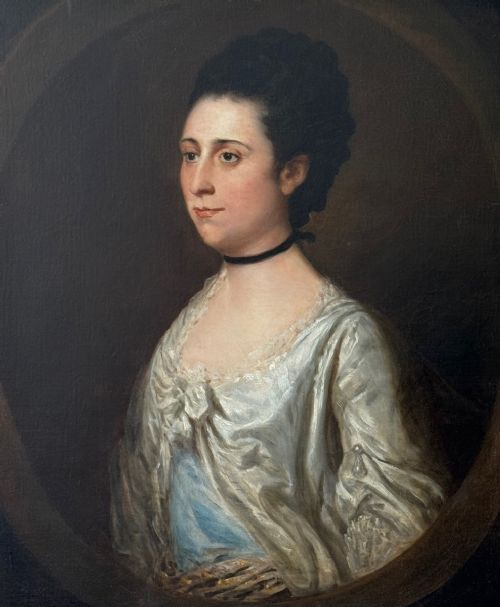
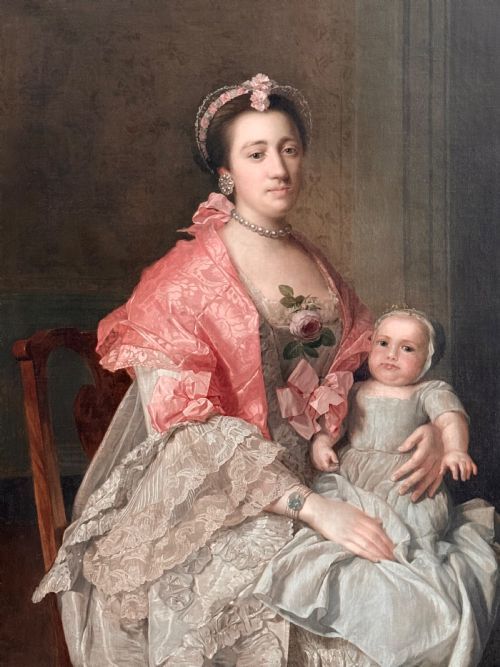
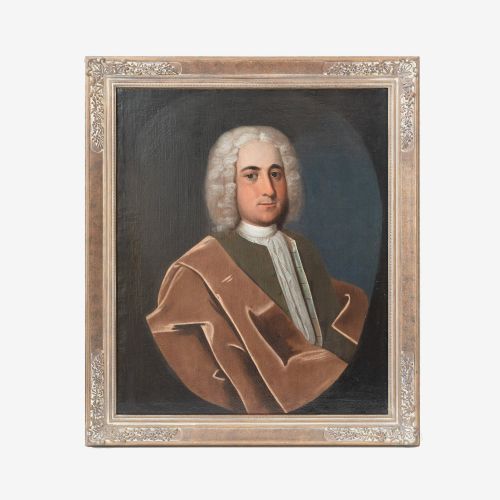
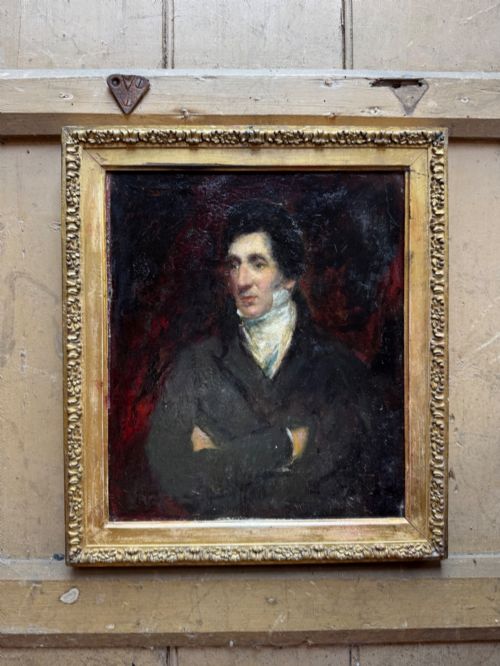
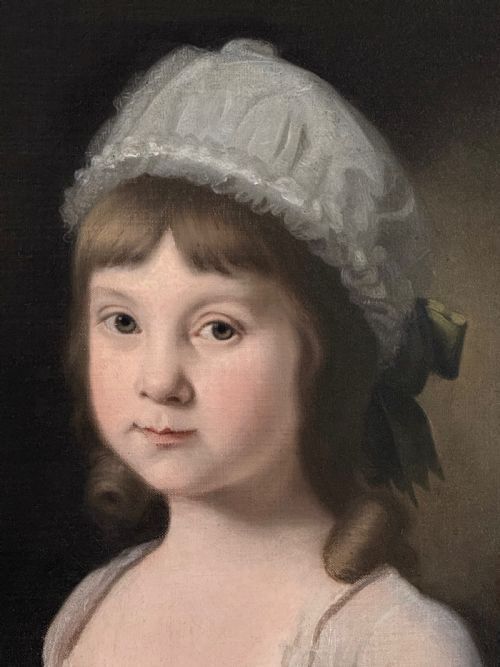
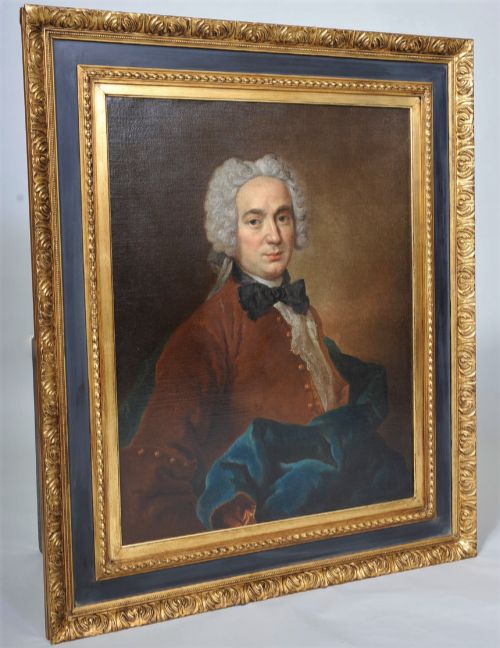
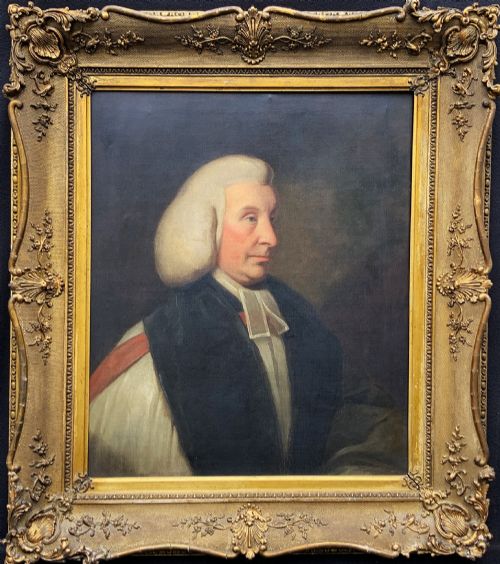
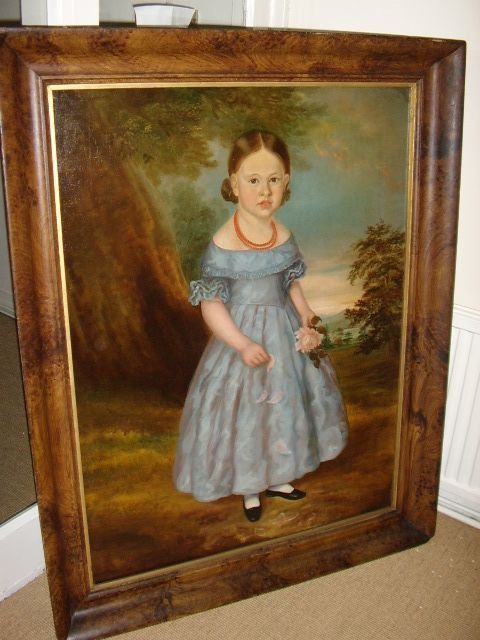
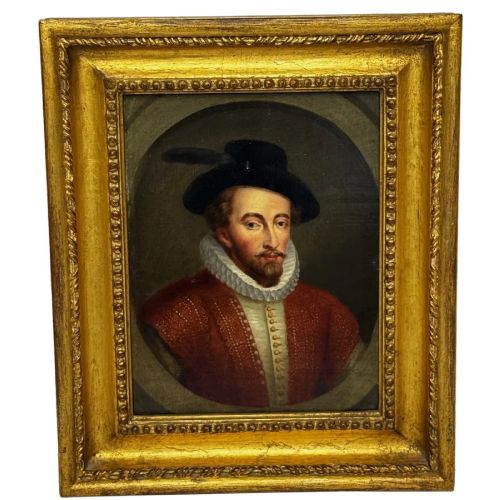
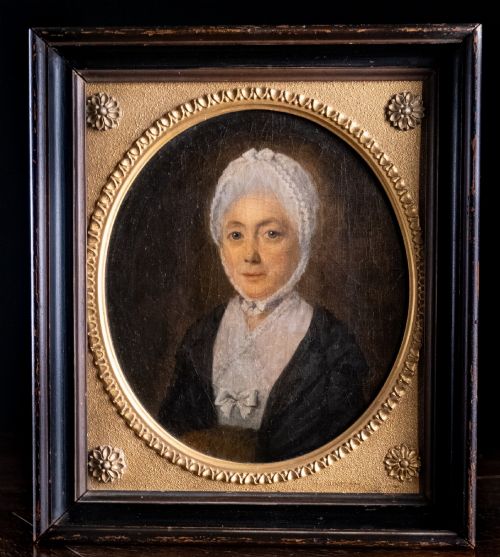
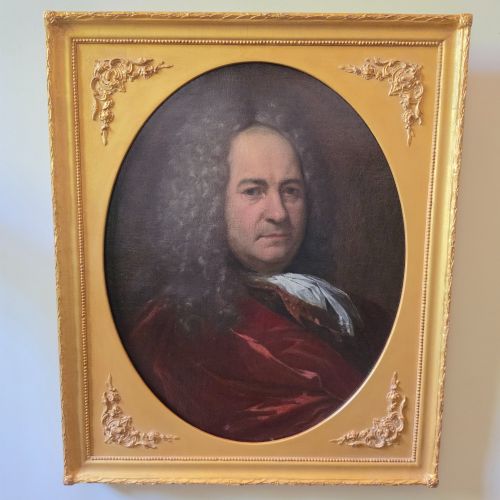
Georgian period canvas art primarily consists of oil paintings created during the eighteenth and early nineteenth centuries, focusing heavily on portraiture alongside occasional landscapes, seascapes, and figurative scenes. These works capture sitters ranging from aristocracy to children and professionals, often reflecting the social standing and fashion of the era.
The pieces most frequently met on this page include oil portraits on canvas, framed in period materials such as giltwood, representing British schools and regional circles from the Georgian and Regency eras.
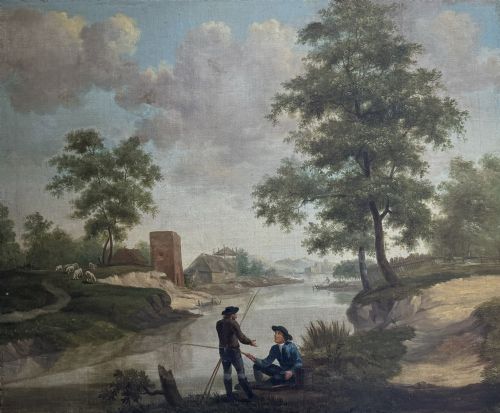
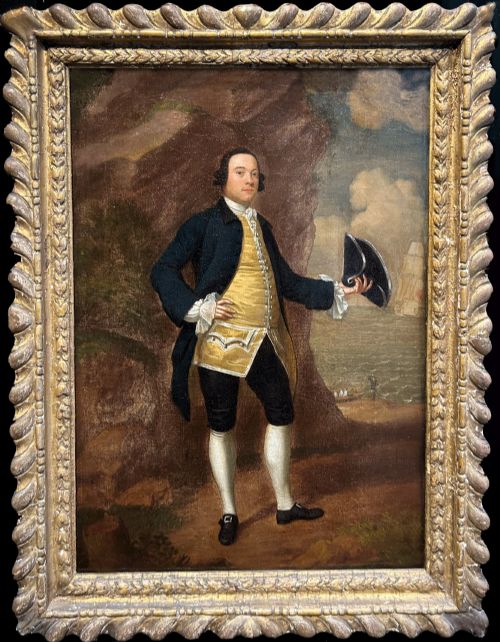
Beyond formal portraits, the selection extends to naive art, coastal landscapes, and maritime scenes depicting ships at sea, illustrating the diverse visual culture spanning the seventeenth to the early twentieth centuries.
Materials and Technique
Artists of this period applied oil paint to stretched canvas, building up rich surfaces through layered glazes and opaque pigments that captured the sheen of silk dresses, crimson coats, and powdered wigs.
Many of these works are housed in their original frames constructed from wood and giltwood, sometimes enhanced with delicate applications of gold leaf to accentuate the carved details.
The underlying support relies on traditional wooden stretchers holding the canvas firm, while the paint layers themselves demonstrate the brushwork and glazing techniques characteristic of eighteenth-century British and European schools.
One portrait preserves the steadfast gaze of a beloved dog named Mr Quiz alongside his human companion.
Judging Quality
Quality in these oil paintings rests upon the dexterity of the brushwork, particularly in the rendering of facial expressions, hands, and textiles such as lace and silk ribbons.
The handling of light and shadow, spatial depth, and anatomical proportion separates works by accomplished practitioners or recognised circles from simpler regional or naive efforts.
The preservation of the original canvas and the integrity of the period giltwood frame significantly influence the overall character and integrity of the piece.
Joshua Reynolds·Thomas Beach·Thomas Lawrence·Allan Ramsay·Jeremiah Davison·Henry Pickering·James Maubert·Joseph Highmore·John Hamilton Mortimer·George Morland
The Georgian Period Canvas Art Glossary
- Oil on Canvas
- A painting technique where pigmented oil paint is applied to a woven fabric support stretched over a wooden frame. This medium allowed artists to achieve rich colour depths and subtle tonal gradations.
- Giltwood
- Wood that has been coated with a thin layer of gold leaf or gilt paste. It is commonly found on traditional frames surrounding Georgian and Regency portraits.
- British School
- A term used to classify works produced by artists working in Britain or following British artistic traditions. It helps identify regional stylistic traits when a specific master is unknown.
- Regency
- The stylistic period in Britain roughly spanning the early nineteenth century, characterised by classical restraint and elegance in both portraiture and decorative arts.
- Naive Art
- Artwork created by individuals without formal academic training, often displaying charming proportions and direct perspective. These pieces offer an unpretentious view of historical subjects.
Georgian Period Canvas Art: Frequently Asked Questions
What subjects appear most often?
Portraits of individuals, couples, and children dominate the selection, depicting aristocrats, gentlemen, ladies, and professionals in formal attire.
Alongside portraits, occasional landscapes, coastal scenes, and depictions of ships at sea provide a broader view of historical painting.
How do I identify the period?
Dating relies on the clothing styles, hairstyles, and painting techniques visible in the artwork, alongside recorded attributions or stylistic markers from British schools.
Costume details such as powdered wigs, lace ruffs, or silk dresses with ribbon bows often point to specific decades within the eighteenth or early nineteenth centuries.
Where were these painted?
Most works originate from British artists and regional schools operating during the Georgian, Regency, and early nineteenth-century periods.
Some pieces reflect continental influences or are attributed to the circles and studios of prominent portraitists of the time.