

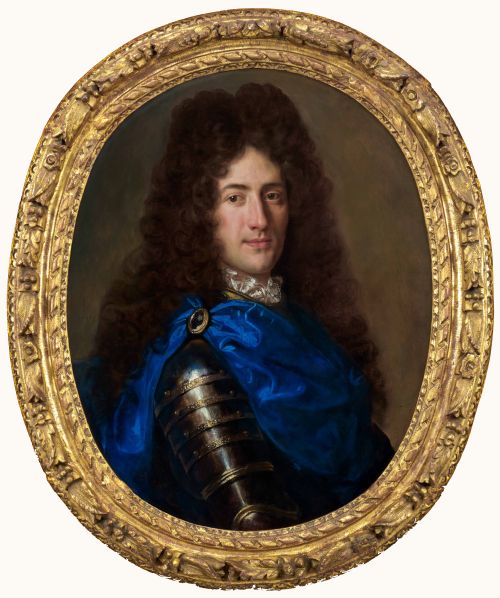


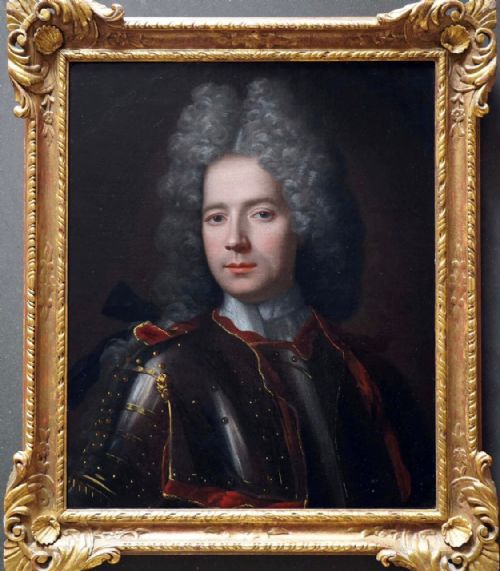


Aristocratic Male Portrait
An aristocratic male portrait captures the likeness and status of nobility, offering a direct window into historical power and lineage.
What an aristocratic male portrait is
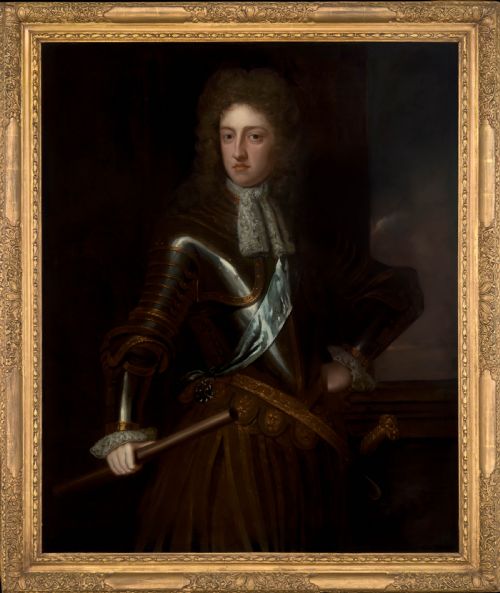
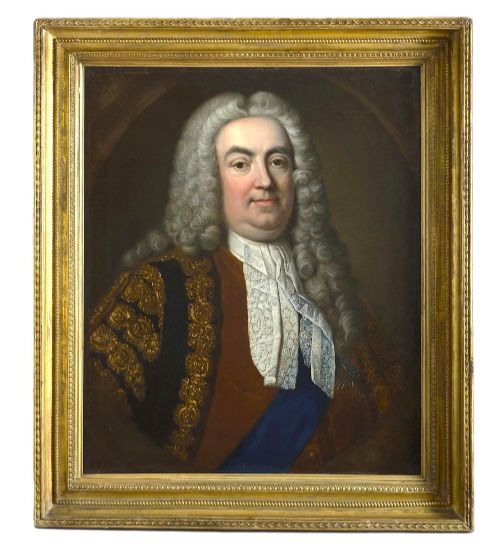
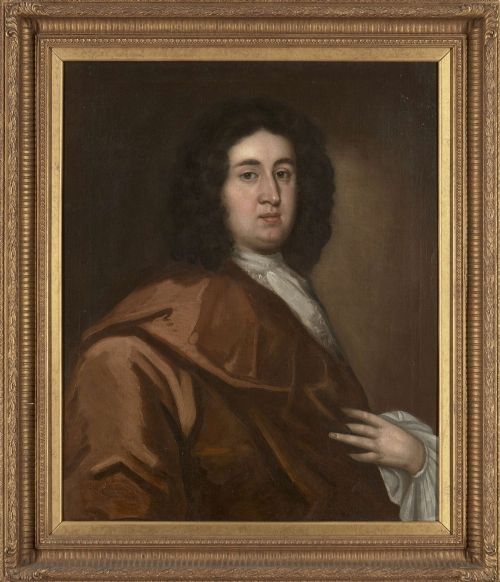
When searching for an aristocratic male portrait, you encounter painted representations of noble figures from past centuries. These works record the physical appearance, rank, and societal standing of dukes, earls, and princes.
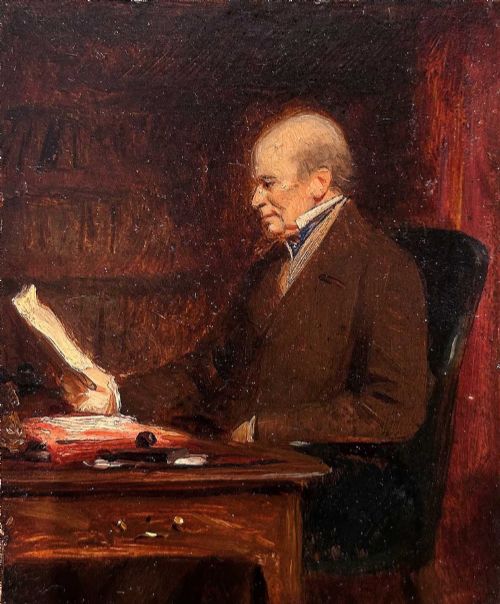
The selections span the seventeenth, eighteenth, and nineteenth centuries, reflecting shifts in portraiture from the Baroque era through the Georgian and Victorian periods. You find both finished canvases and preparatory studies.
Many examples connect directly to notable figures such as Prince George of Denmark and various earls and dukes. These pieces range from studio productions to works by named painters of their respective eras.
How they were made
Artists often worked within established studios, employing layered brushwork to build form and texture. Finished canvases were then traditionally housed in decorative giltwood frames to complement the subject's status.
Retail Price Guide 2026
Typical UK retail prices for aristocratic male portrait, calculated from the Sellingantiques database of over a million retail prices indexed since 2003. This retail price guide relies exclusively on Sellingantiques data; no external sources or auction records are used, so the figures do not describe the wider market.
The listings show works executed in oil on canvas, linen canvas, and watercolour on paper across the seventeenth, eighteenth, and nineteenth centuries.
What varies in quality
Distinctions in quality often rest upon the handling of the subject's likeness and the dexterity of the brushwork. Studio output and pieces by followers demonstrate different degrees of finish compared to primary master hands.
The preservation of the paint surface and the original integrity of the canvas or paper support also dictate the standing of a piece. Finer works maintain clear facial modelling and expressive depth within the drapery and background.
Sir Godfrey Kneller·Stephen Pearce·George Hamilton Barrable·George Hayter
The Aristocratic Male Portrait Glossary
- Canvas
- A heavy woven fabric used as a surface for oil painting. It provides the tensile strength needed for large-scale historical portraits.
- Giltwood
- Wood carved and coated with gold leaf or a gold-coloured metallic finish. This material creates ornate frames suitable for noble artwork.
- Baroque
- An artistic style prevalent in the seventeenth century characterised by drama, rich colour, and deep shadow. It adds theatrical presence to early portraits.
- Study
- A preparatory drawing or painting made to test ideas or record details before executing a final larger work. These pieces reveal the artist's working method.
Frequently Asked Questions
Who are the subjects in these portraits?
The subjects are historical nobility, including princes, dukes, and earls from British history. Their identities are often recorded in the title or accompanying documentation.
These individuals held significant political, military, or social power during their lifetimes, making their likenesses historical records of the ruling class.
How do I date an oil painting?
Dating relies on stylistic evidence, costume details, and recorded biographical dates of the sitter or artist. Clothing fashions and wig styles change predictably across decades.
Furthermore, the physical materials, such as the weave of the canvas and the composition of the stretcher frame, offer clues to the period of creation.
How should I care for an antique oil painting?
Protect the canvas from direct sunlight and maintain stable indoor humidity and temperature levels to prevent cracking of the paint layer. Avoid using chemical cleaners on the surface.
Dust the giltwood frame gently with a dry, soft brush and consult a professional conservator if the canvas requires cleaning or structural repair.