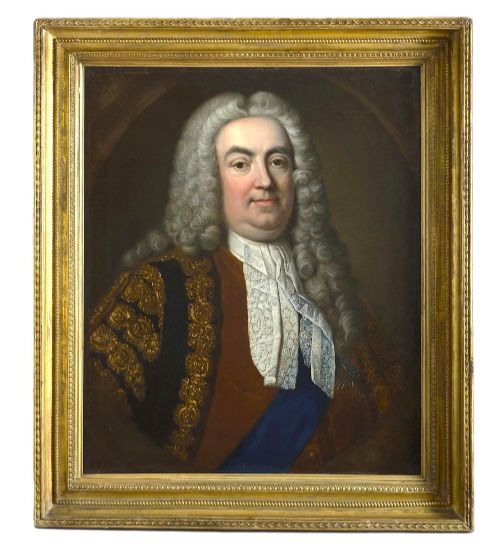
Titan Fine Art has dated this 18th Century Portrait Painting to the 17th Century.
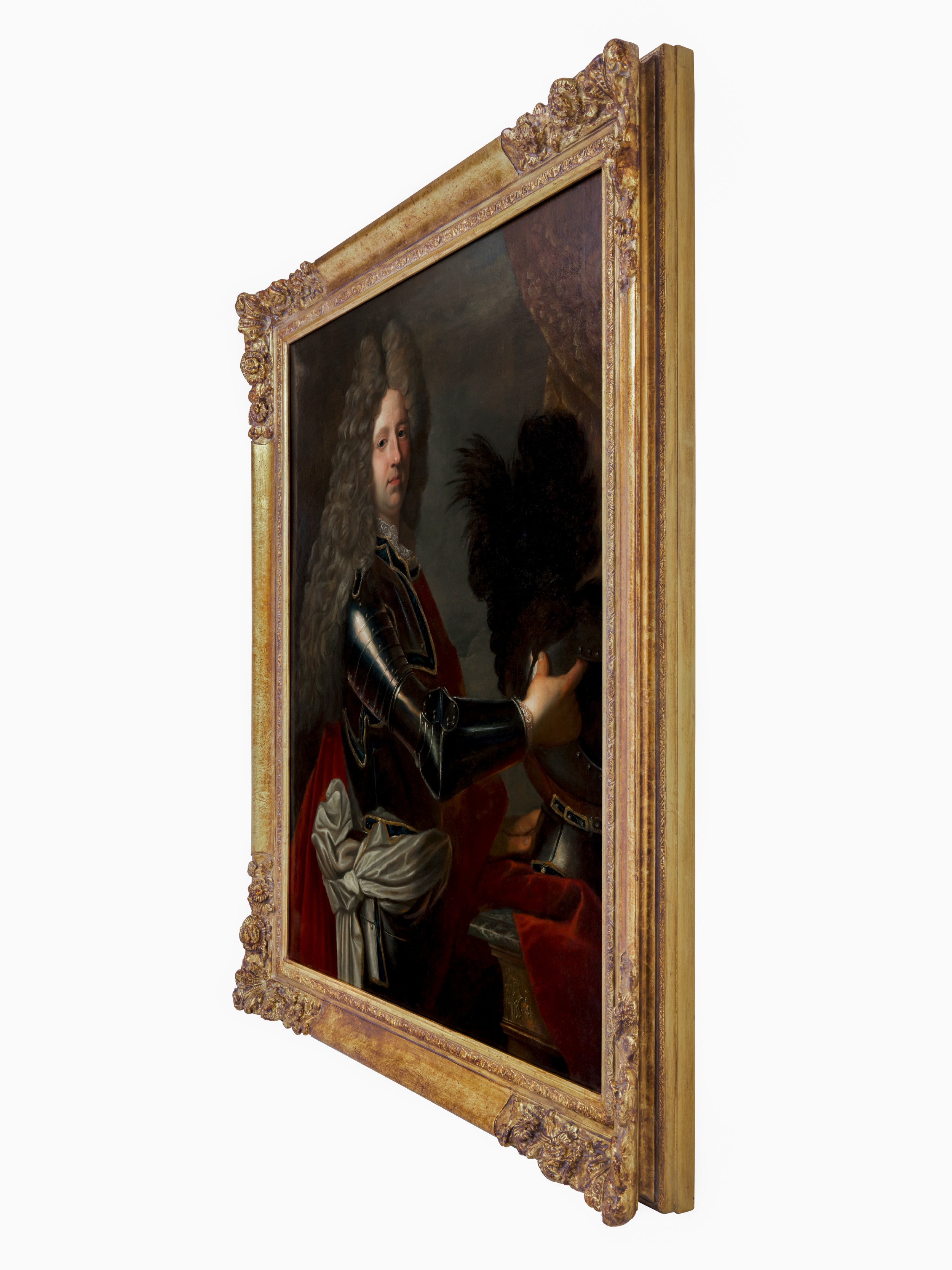
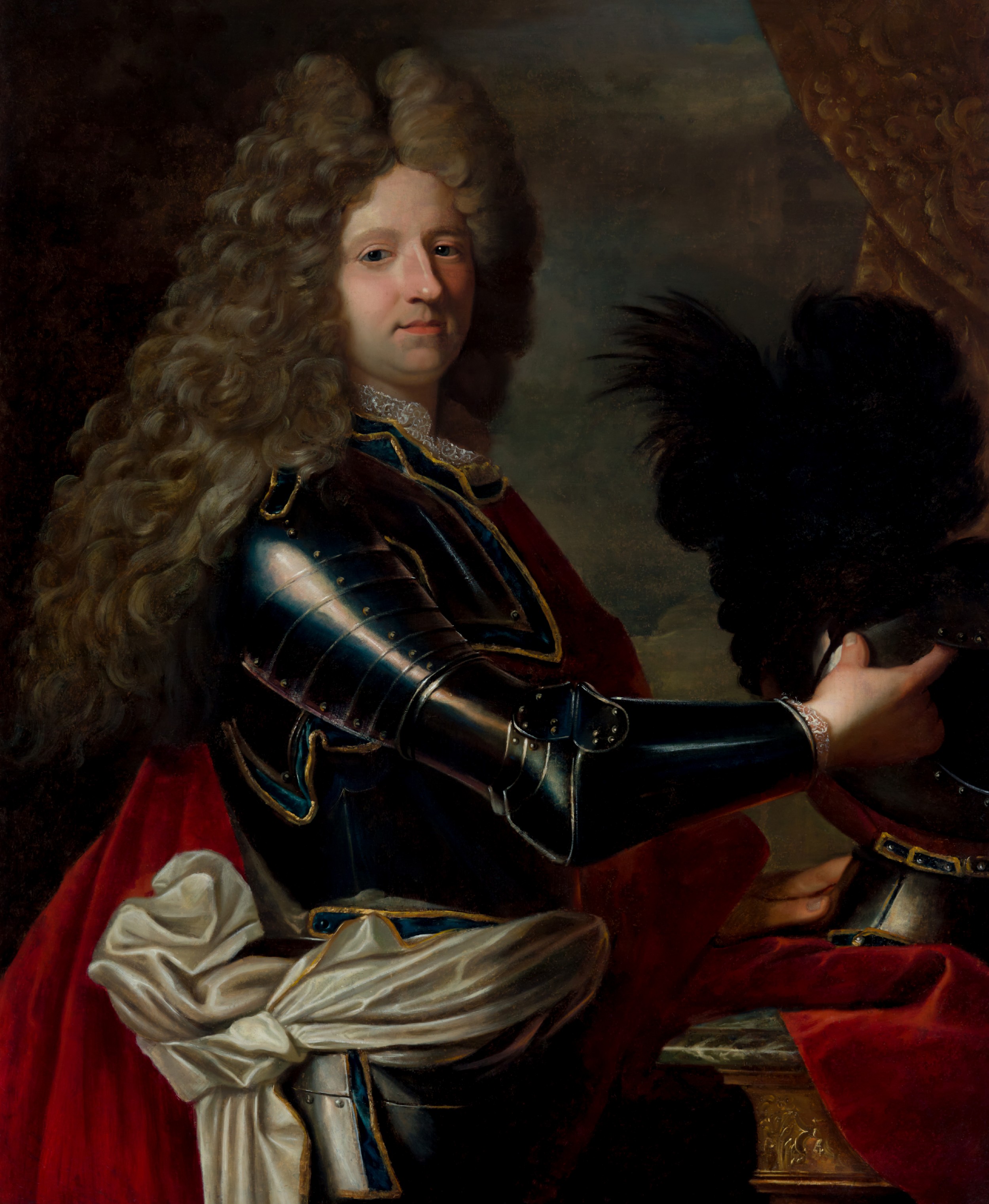
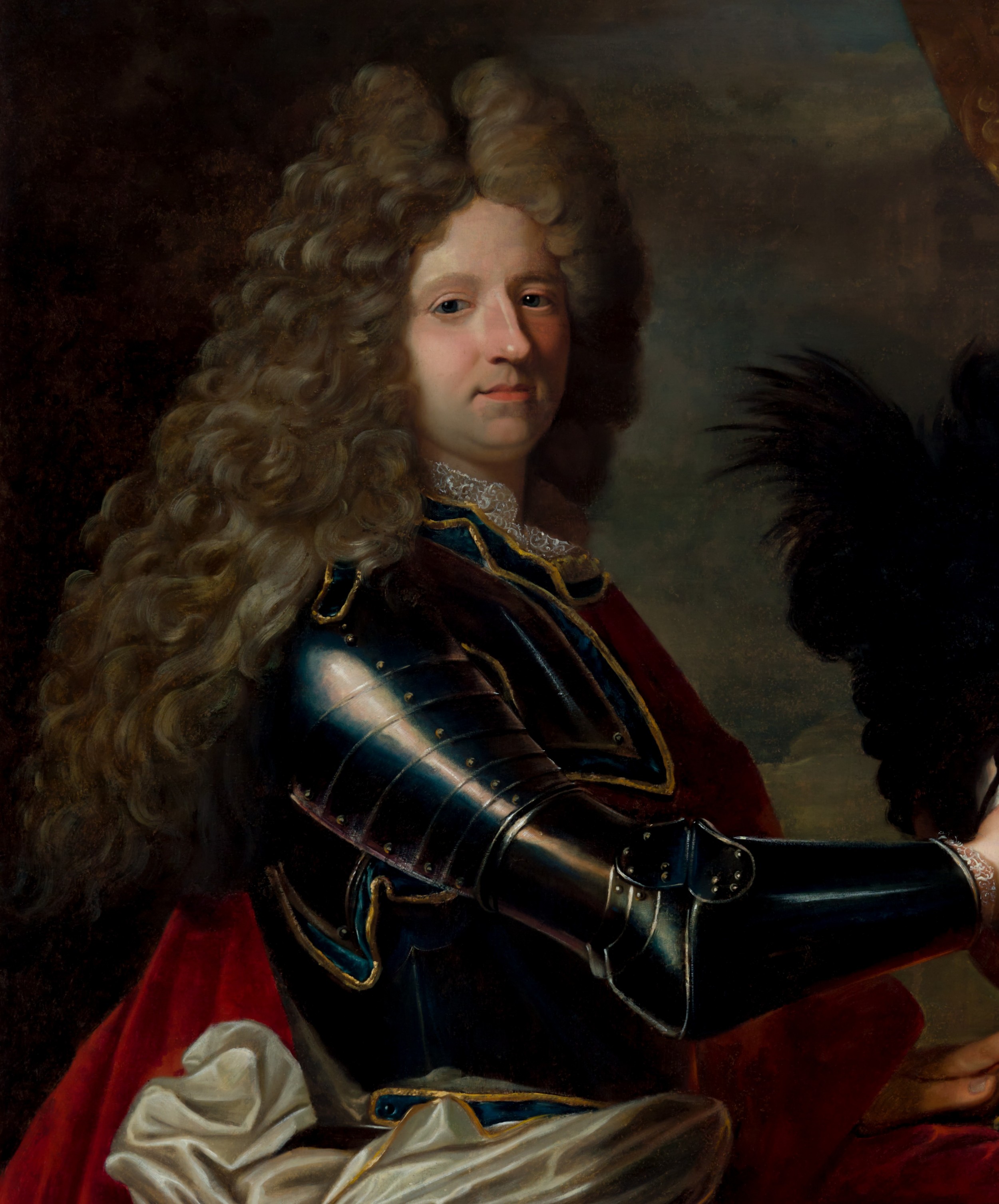
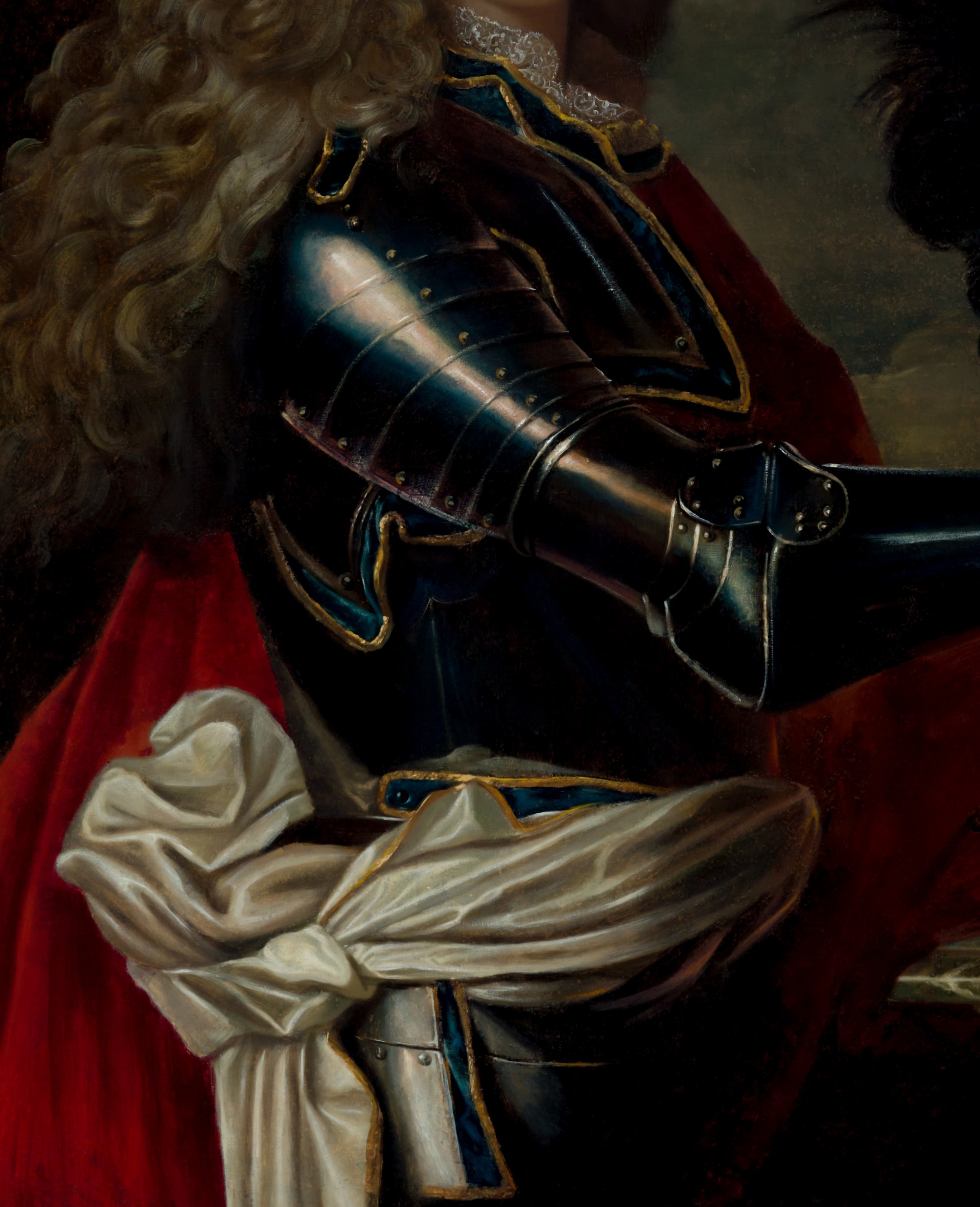
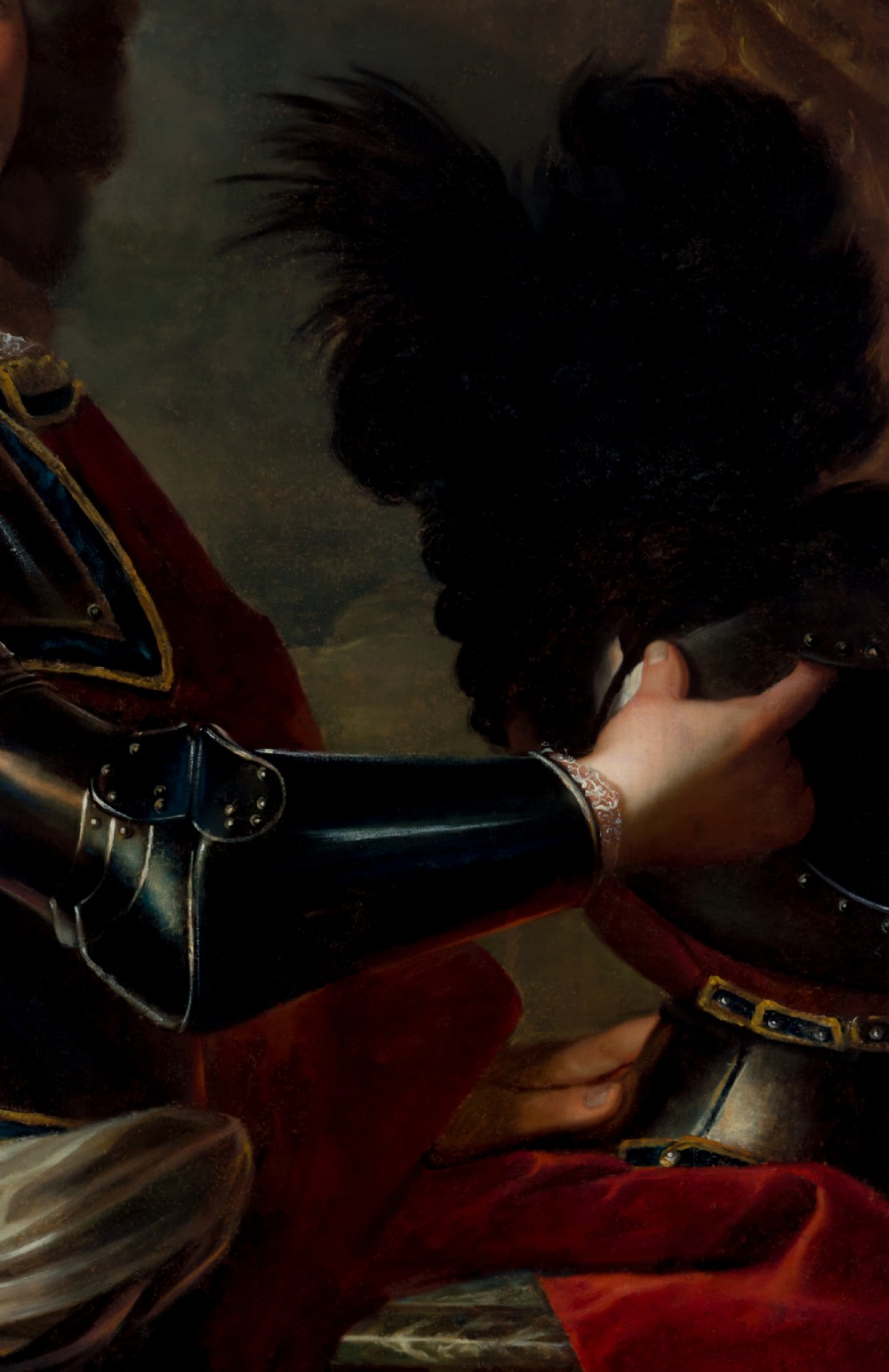
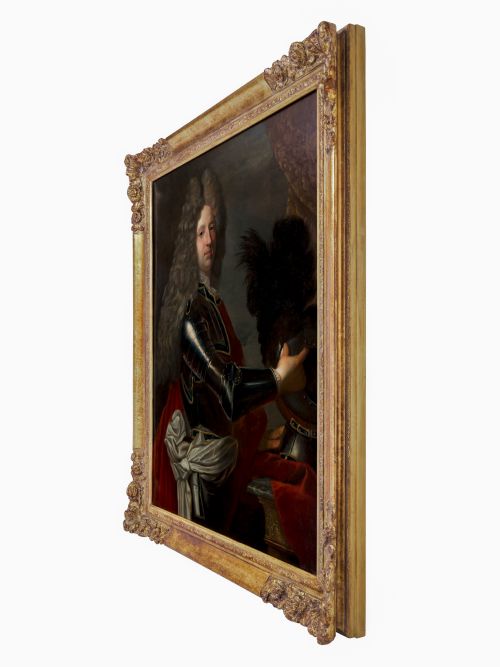
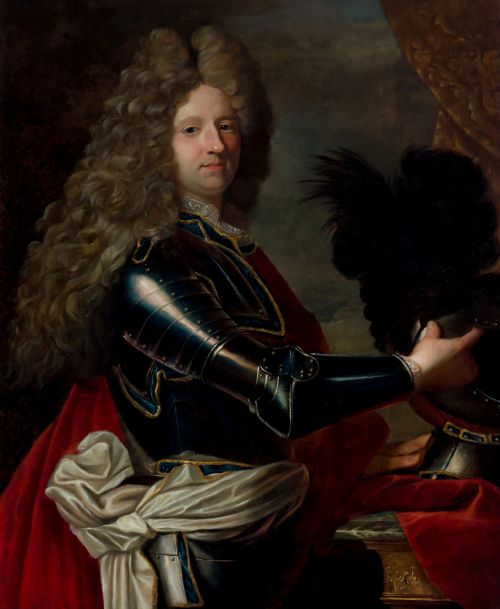
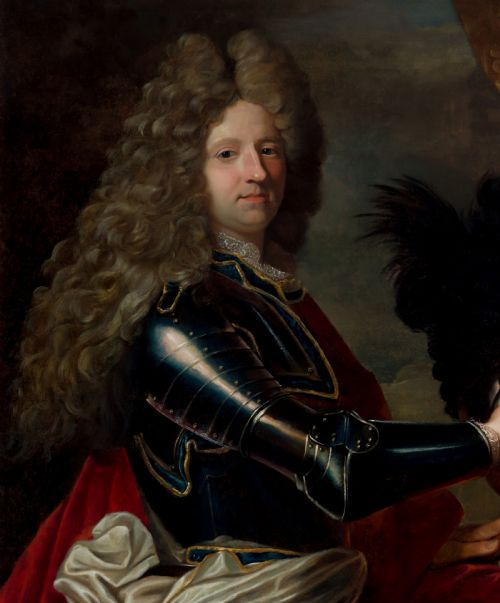
His full-bottomed wig falls in long curls almost to his waist, while his outstretched arm leads to a helmet crowned by a dramatic plume of black feathers. Lace at the neck and wrist softens the military imagery with the refinement expected of a court portrait. The result is a powerful and highly decorative image of rank, command and aristocratic status.
Marc de Beauvau-Craon belonged to one of Lorraine’s leading noble families. His father, Louis de Beauvau, Marquis de Beauvau, served the Duke of Lorraine as counsellor and captain of his guards, while his mother, Anne-Henriette de Ligny du Charmel, came from another distinguished Lorrainese lineage. Marc grew up close to Léopold, Duke of Lorraine, and the two remained closely connected throughout their lives. He served as chamberlain and, from 1711, Grand Equerry, one of the principal offices of the ducal court.
In 1704 Marc married Anne-Marguerite de Ligniville, daughter of Melchior de Ligniville, Marshal of Lorraine. Their marriage connected two of the duchy’s most prominent families and produced twenty children. Among them were Charles-Juste de Beauvau-Craon, later Marshal of France and member of the Académie française, and Marie-Françoise-Catherine, Marquise de Boufflers, one of the most celebrated women at the later court of Stanislas Leszczynski.
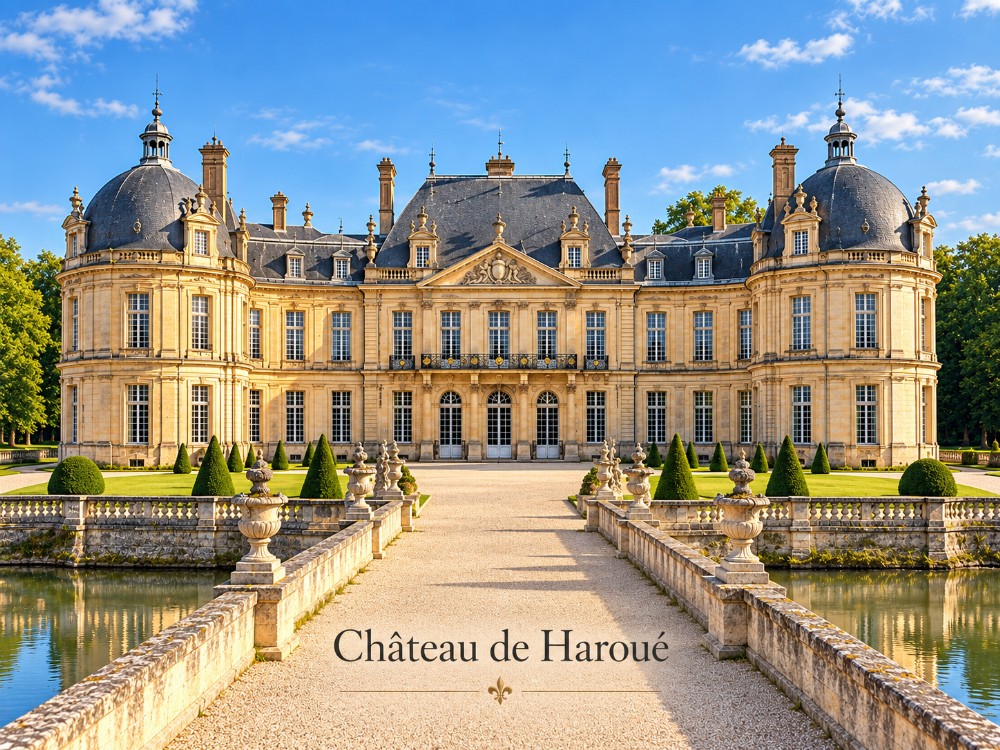
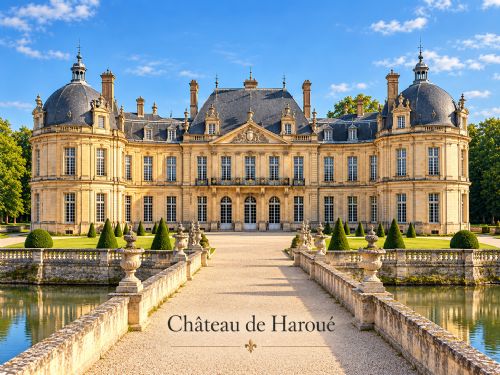
Marc’s life was centred for many years at the court of Lunéville, but from 1720 he commissioned Germain Boffrand to create the magnificent Château de Haroué as the Beauvau-Craon family seat. The château remains one of the great architectural monuments of eighteenth-century Lorraine, famously associated with the conceit of 365 windows, 52 chimneys, 12 towers and four bridges.
His rise continued rapidly. He became Marquis de Craon in 1712, Prince of the Holy Roman Empire in 1722 and later a Grandee of Spain. He was entrusted with the education of François-Étienne of Lorraine, the future husband of Maria Theresa of Austria and later Holy Roman Emperor Francis I. Marc subsequently followed him to Florence, where he presided over the Council of Regency and effectively governed Tuscany on his behalf.
The composition derives from the celebrated portrait type associated with Hyacinthe Rigaud and his workshop, the prime version of which is now in the Musée Lorrain, Nancy, and is generally dated to about 1711. This timing is especially appropriate, coinciding with Marc’s appointment as Grand Equerry and the period of his rapid elevation at court. Rigaud was the defining French portraitist of the age of Louis XIV, and his studio established the sumptuous visual language of aristocratic and royal portraiture that dominated Europe for decades.
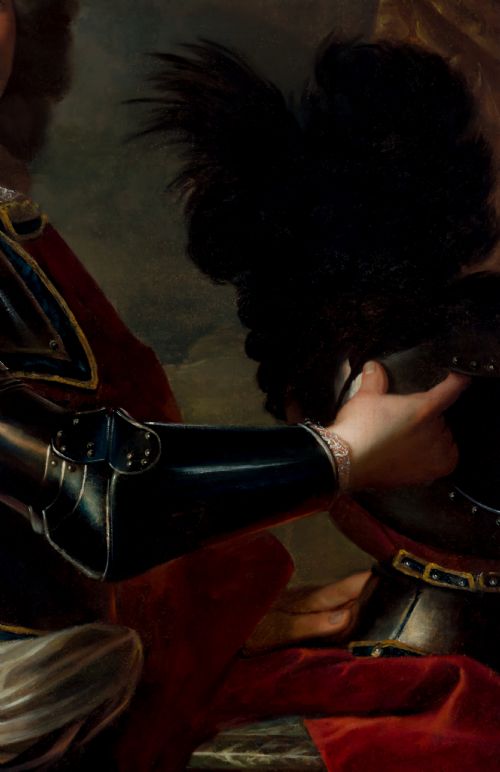
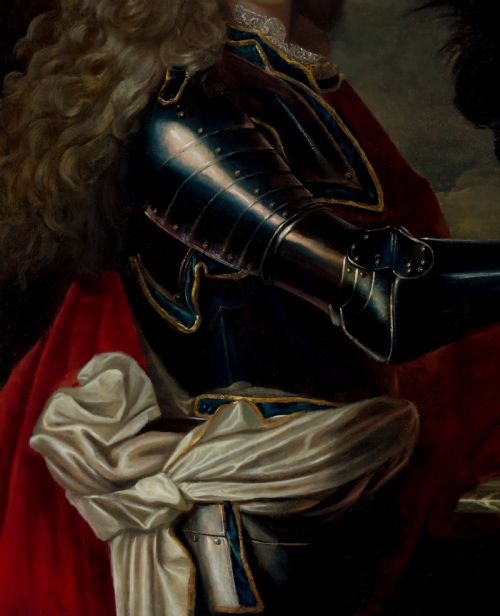
This portrait therefore combines commanding decorative presence with an unusually rich and identifiable history. Its scale, armour, crimson drapery, white sash, plumed helmet and cascading wig make it a striking statement piece, while the sitter’s connections with Lunéville, the Château de Haroué, the House of Lorraine and the future Imperial court give the painting exceptional historical resonance.
Measurements: Height 125 cm, Width 106 cm framed (49.2 x 41.7 in.).
Titan Fine Art has dated this 18th Century Portrait Painting to the 17th Century.
Specialist in 17th & 18thc portraits. Highly curated selection, museum-level research & pro conservation. Exceptional art, expertly vetted.
You can view the stock and full dealer information on the Titan Fine Art Profile Page
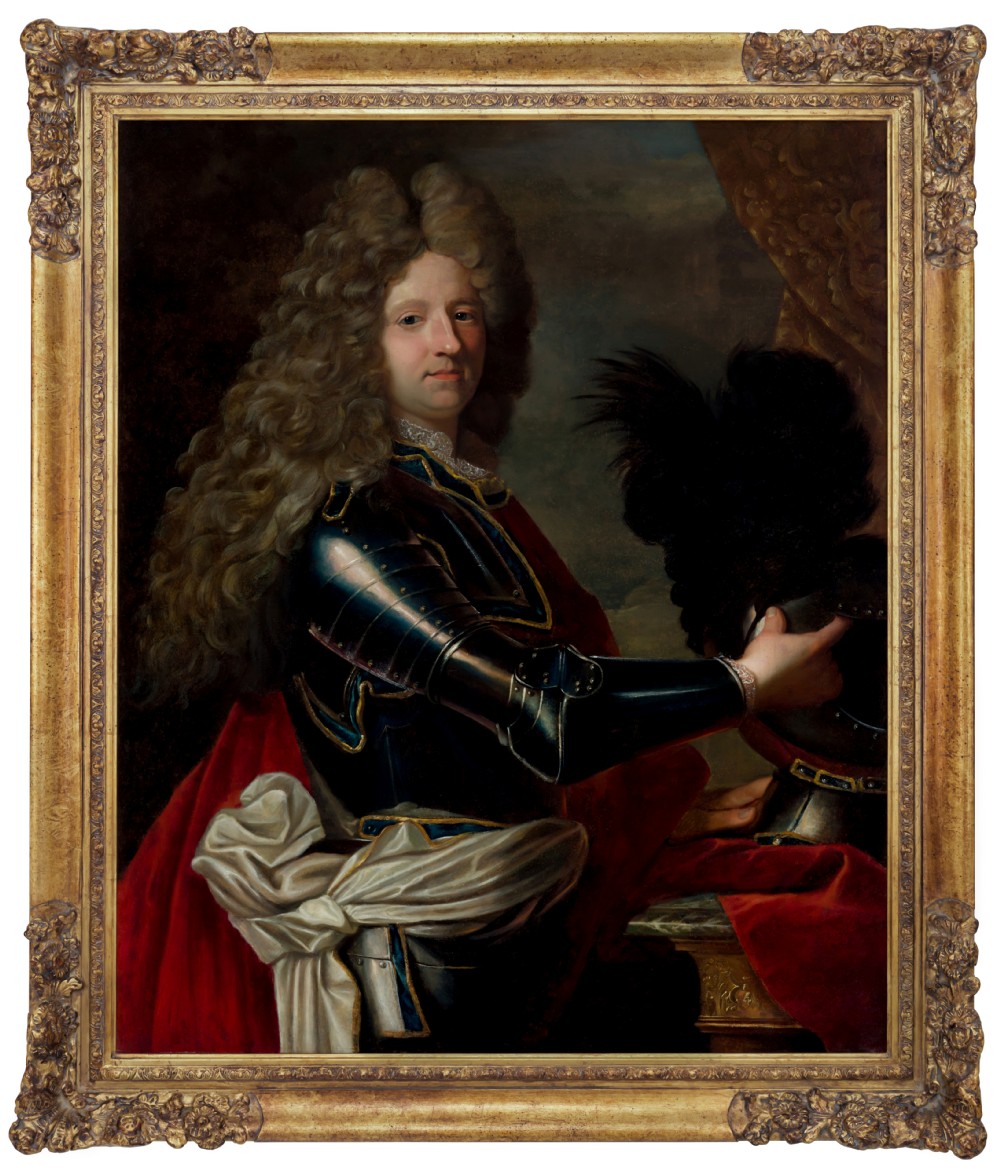
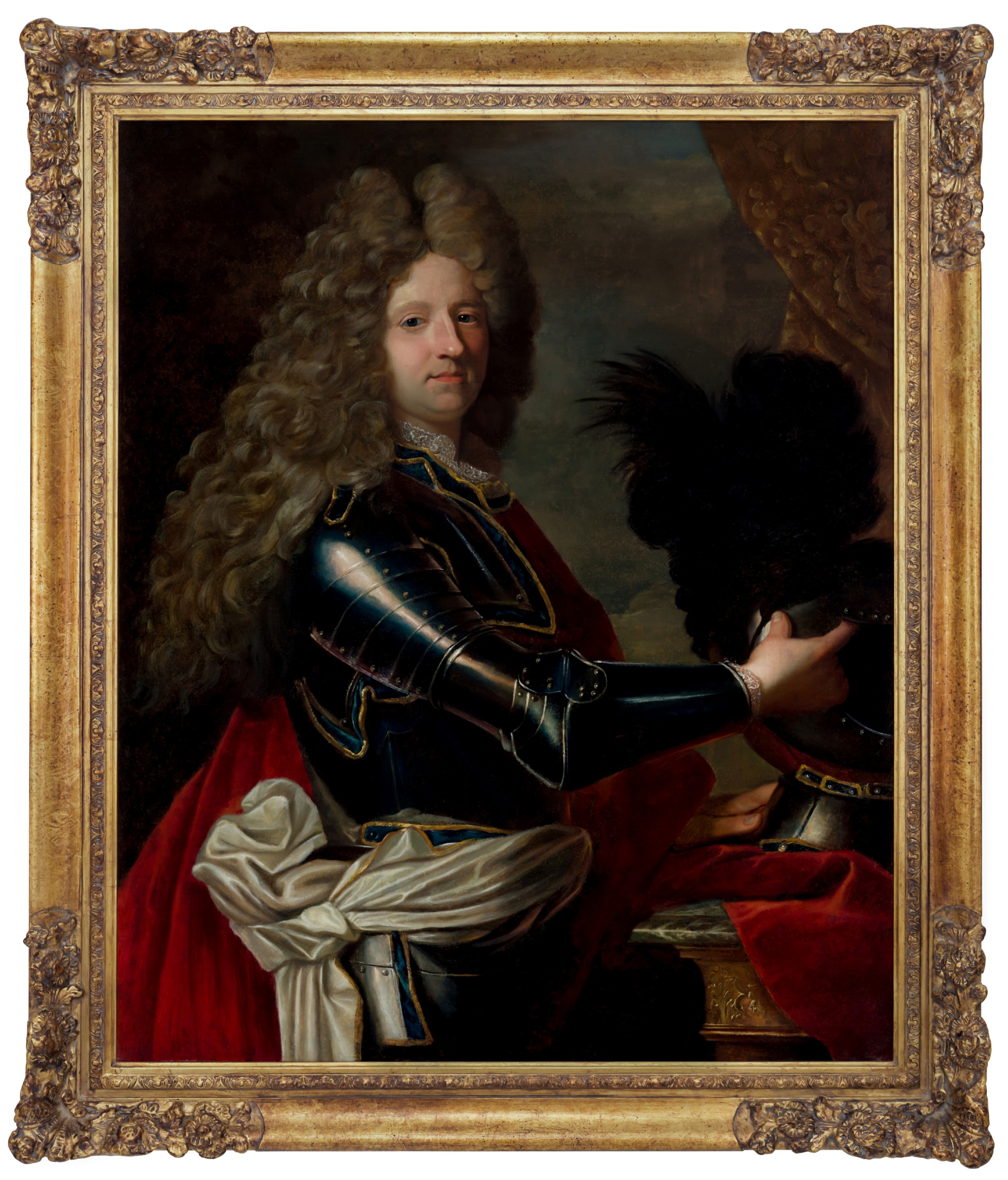
Portrait of Marc De Beauvau-craon, Prince of Craon, 18th Century; After Hyacinthe Rigaud (1659–1743), Oil on Canvas Painting