

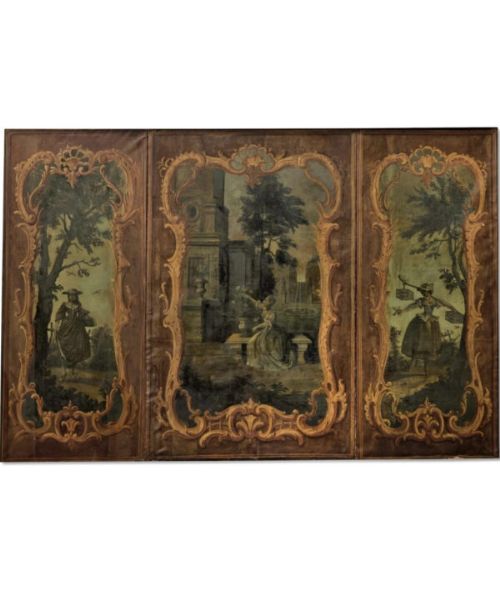
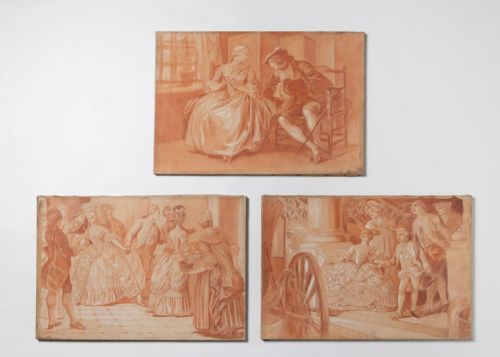

18th Century French Artwork
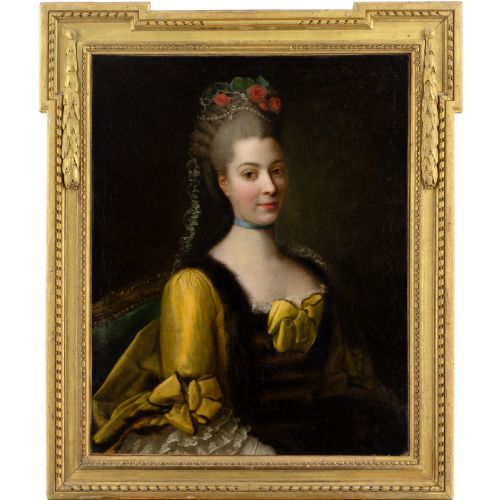
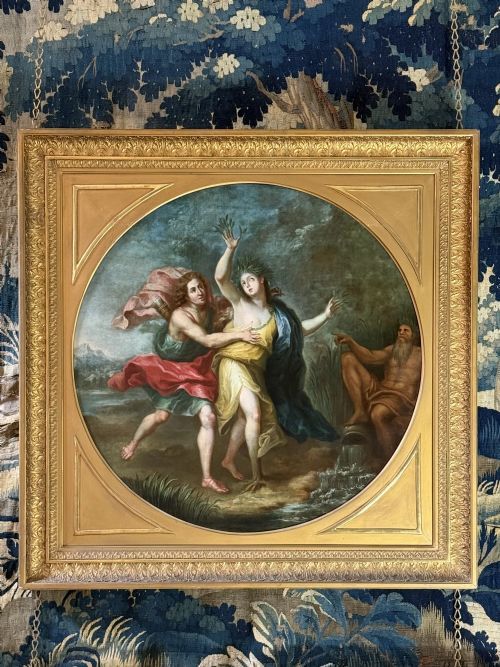
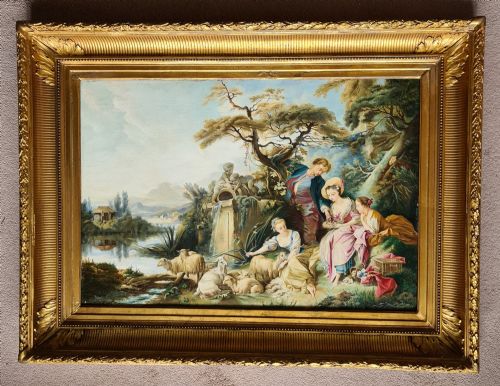
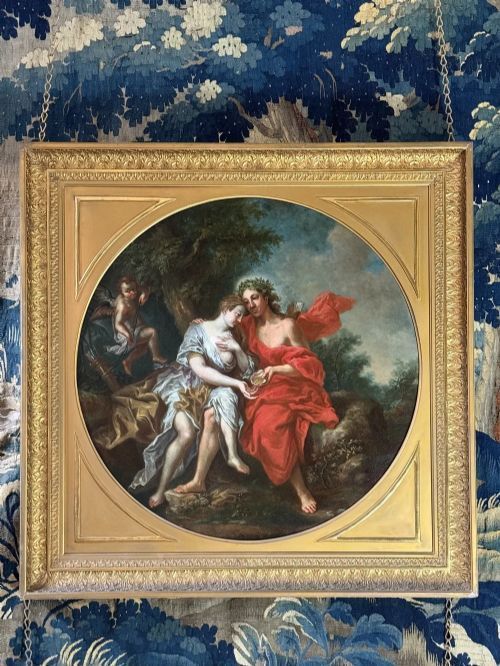
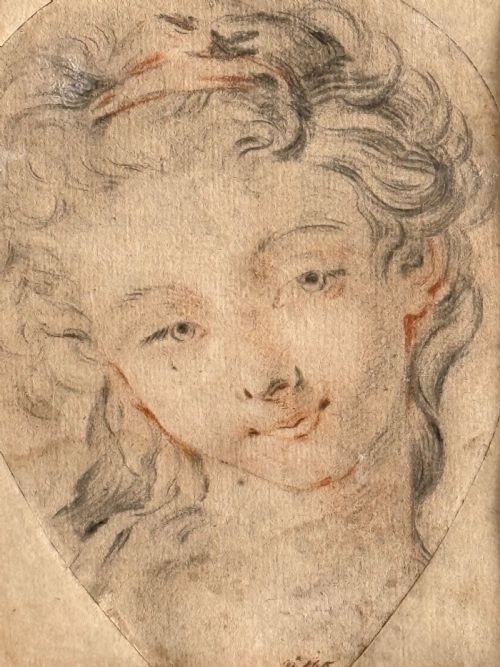
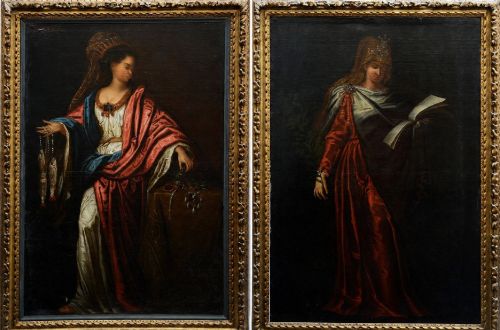
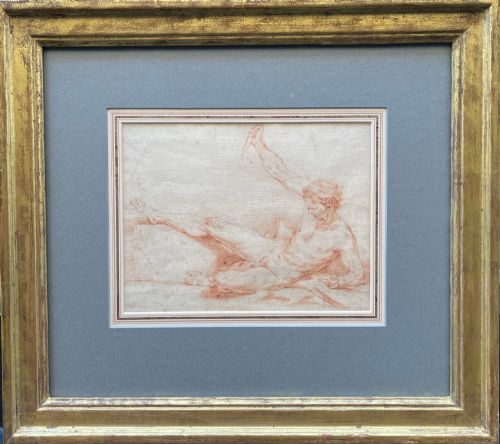
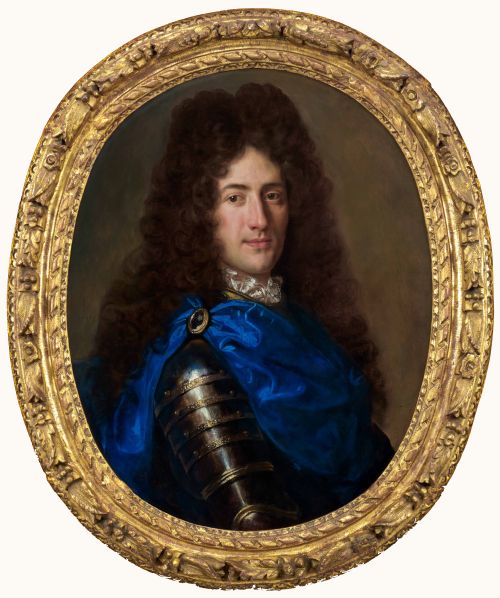
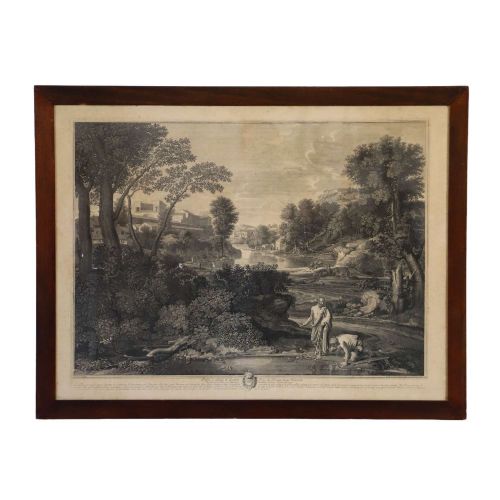
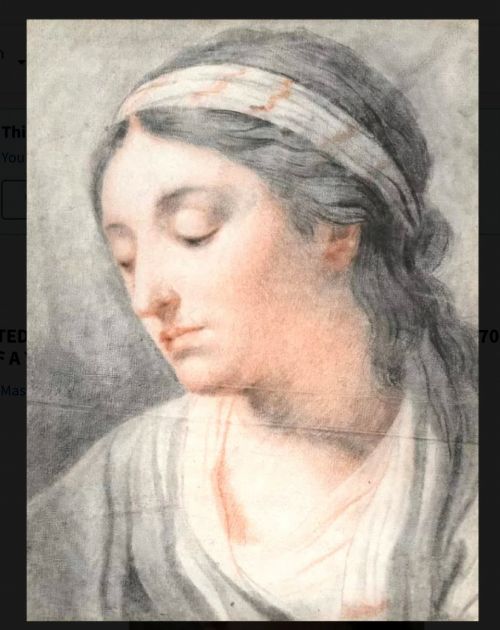
18th century french artwork encompasses oil paintings, drawings, engravings, and panels that capture portraiture, classical mythology, and landscape scenes.
18th Century French Artwork
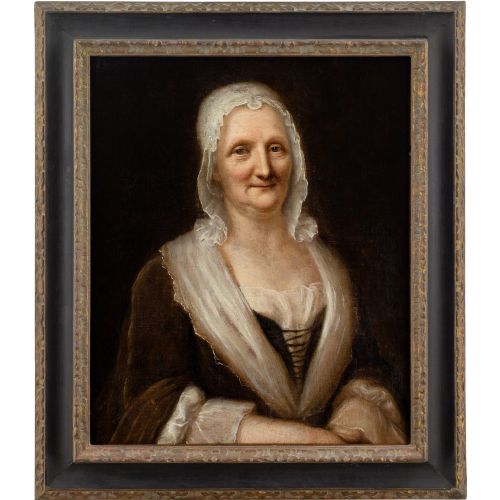
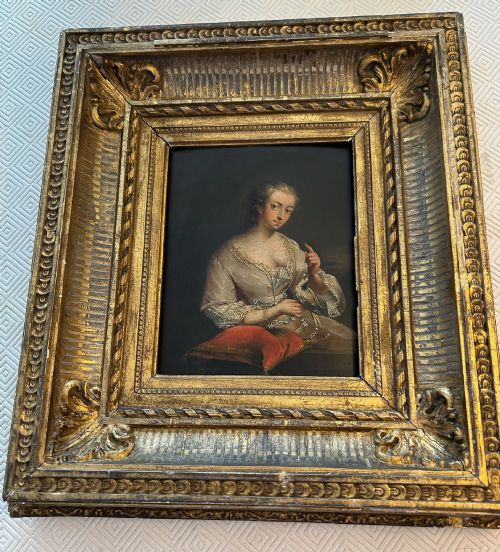
18th century french artwork centres predominantly on oil on canvas paintings, framed drawings, and detailed engravings originating from French schools. The works frequently depict aristocratic portraits, mythological narratives, and pastoral scenes reflective of the period's prevailing aesthetics.
Buyers will encounter oil paintings on canvas and copper alongside works on paper, often housed within period gilt wood frames. Subjects range from classical depictions of deities to intimate character studies and military portraits.
The selection includes pieces attributed to prominent academic circles as well as decorative wall art panels, needlework pictures, and enamel plaques. These varied formats provide tangible examples of European visual culture from the era.
Materials and Techniques
Painters of the period utilised oil paint on prepared canvas or copper supports, building depth through layered glazes and precise brushwork. Engravings and prints were meticulously struck from engraved plates on fine paper substrates.
Many surviving works retain their original giltwood or gilt frames, carved from wood and finished with applied gold leaf. Additional techniques represented include watercolour, pastel, enamel work on metal plaques, and needlework textiles.
Among the historical portraits and classical deities, a delicate portrayal of a white spider lily and butterfly shares the canvas.
Assessing Quality and Execution
The condition of the paint surface, the presence of original framing materials, and the legibility of fine details in engravings heavily influence the overall standard of a piece. Finer examples maintain crisp linework, vibrant pigment preservation, and minimal historic intervention.
Charles-Antoine Coypel·Francois Boucher·Hyacinthe Colin de Vermont·Joseph Vivienne·Étienne Baudet·Jean-Baptiste van Loo·François-André Vincent·Nicolas De Largillière·Pierre Gobert·Louis Léopold Boilly·Pierre-Joseph Redouté·C de Falens·Benjamin Eugene Fichel·Marcel Brunery
The 18th Century French Artwork Glossary
- French Rococo
- An artistic style characterised by lightness, ornate curves, and playful or romantic themes, frequently seen in mid-century pastoral paintings.
- Grisaille
- A painting executed entirely in shades of grey or neutral monochrome, often employed to imitate sculptural reliefs or decorative stonework.
- Oil on Canvas
- A technique where oil-based pigments are applied to a woven fabric support, allowing for rich blending and deep tonal gradation.
- Engraving
- A printmaking process where an image is incised into a metal plate using a sharp tool, producing fine, highly detailed lines on paper.
- French Neoclassical
- A later style drawing inspiration from classical antiquity, prioritising austere dignity, geometric clarity, and heroic subject matter.
18th Century French Artwork: Frequently Asked Questions
What subjects do these paintings feature?
The works primarily depict aristocratic portraits, mythological scenes involving classical deities, and pastoral landscapes. Religious themes and genre scenes also appear within the selection.
Subjects reflect the tastes of the French court and contemporary academic standards of portraiture and narrative art.
How should I care for an antique painting?
Antique canvases and works on paper require stable environmental conditions away from direct sunlight and excessive humidity. Protecting them from rapid temperature fluctuations preserves both the support and the pigments.
Framed works should be hung securely using appropriate hardware suited to the weight of the gilt wood frames.
Are the frames original to the artwork?
Many listings specify whether a piece retains its original giltwood or carved wooden frame. Surviving period frames complement the aesthetic of the artwork and add historical context.
Descriptions note period framing details where applicable to help identify matching eras of production.
How are different periods distinguished?
Stylistic shifts help differentiate periods, moving from the elaborate curves of Rococo toward the restrained geometry of Neoclassicism. Subject matter and handling of paint also evolve across the seventeenth, eighteenth, and nineteenth centuries.
Attributions and recorded dates provide further markers for establishing the era of execution.