


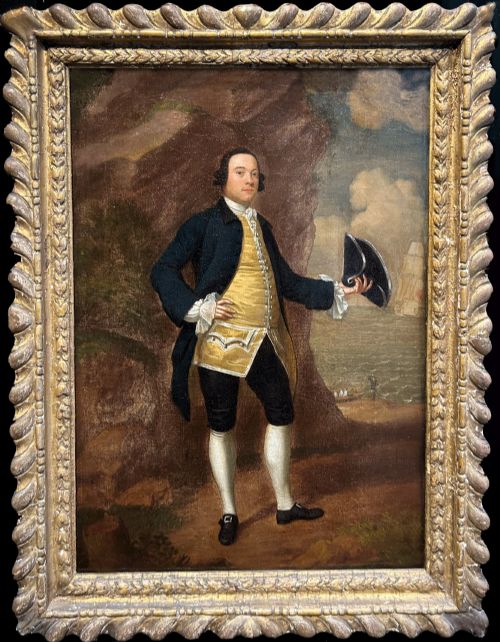
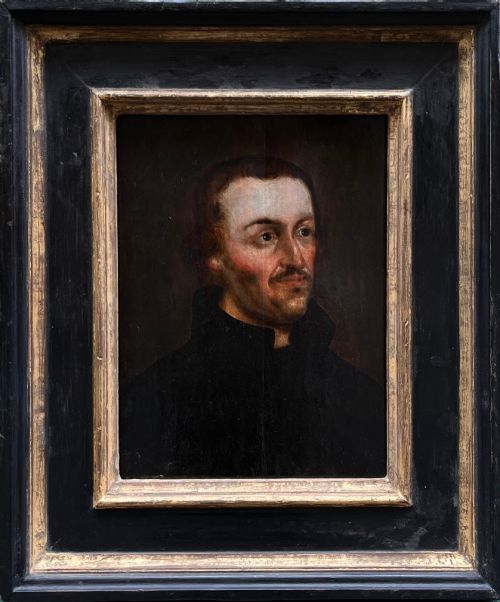
18th Century Male Portrait
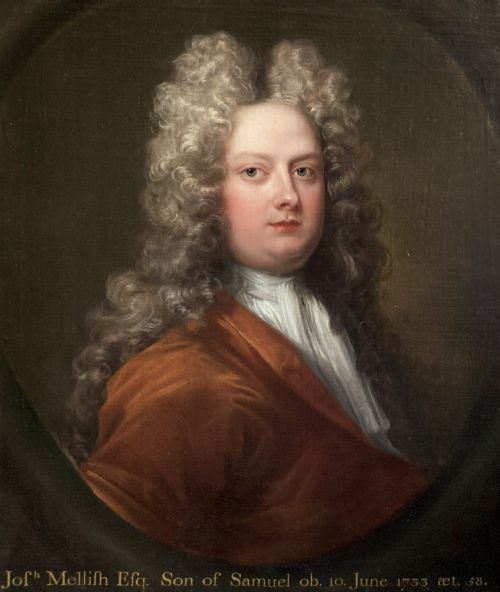
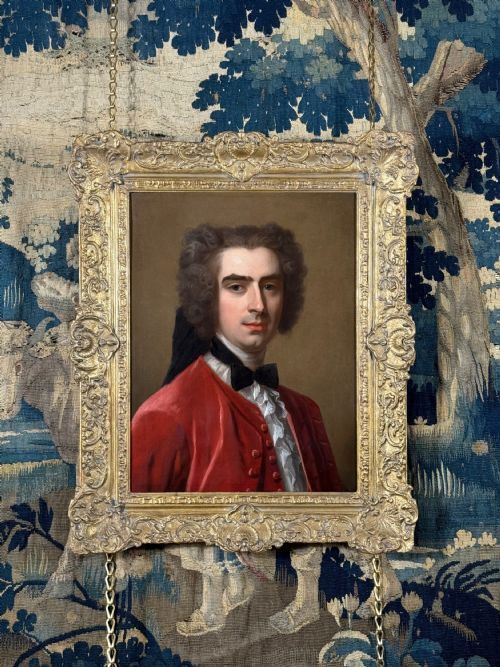
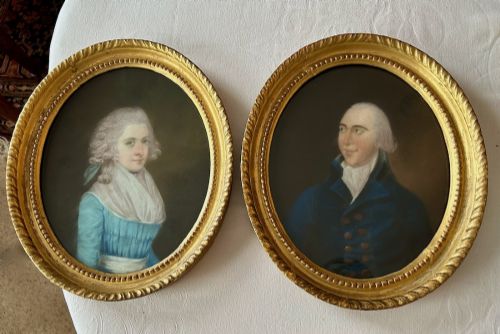
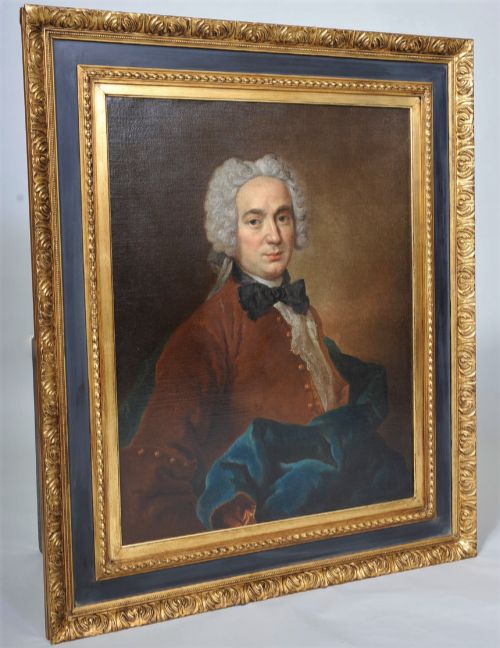
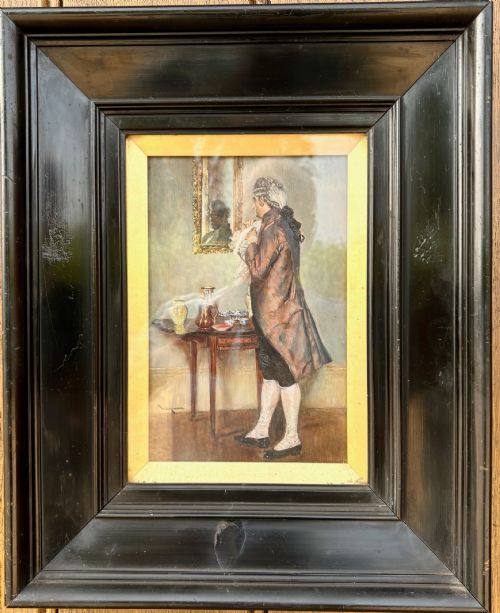
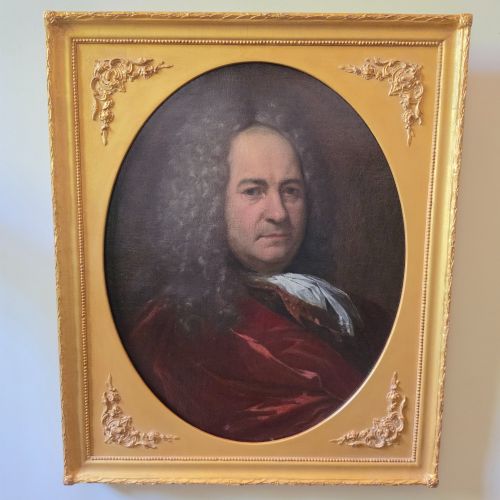
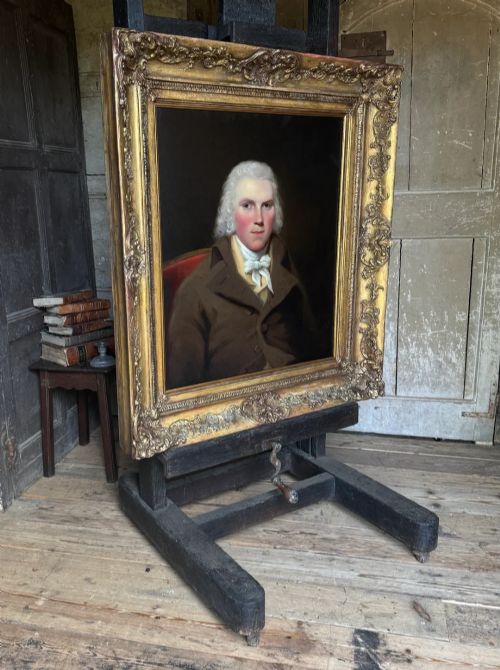
An 18th century male portrait records the likenesses of scholars, noblemen, and physicians through oil on canvas, pastel, and print.
18th Century Male Portrait
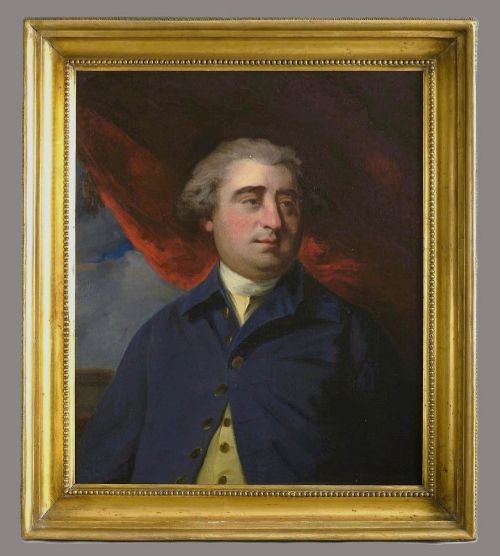
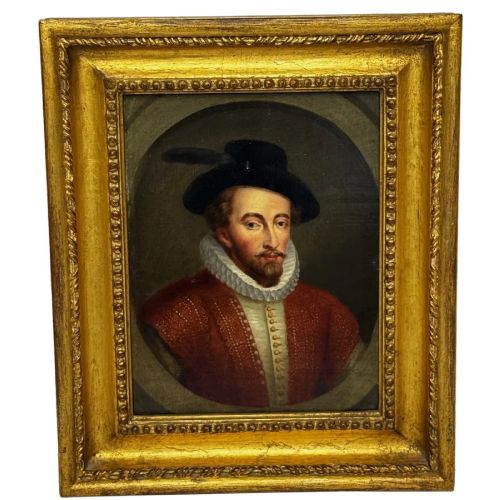
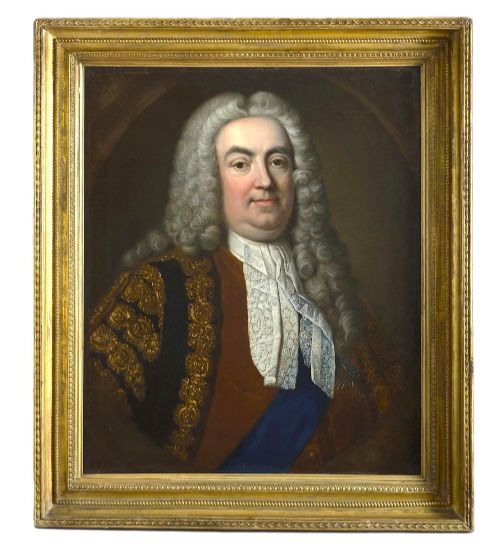
When searching for an 18th century male portrait, a buyer encounters painted depictions of gentlemen, scholars, military officers, and physicians from British, European, and Scottish schools. These works capture notable figures and anonymous sitters alike, reflecting the social hierarchies and intellectual pursuits of the Georgian era.
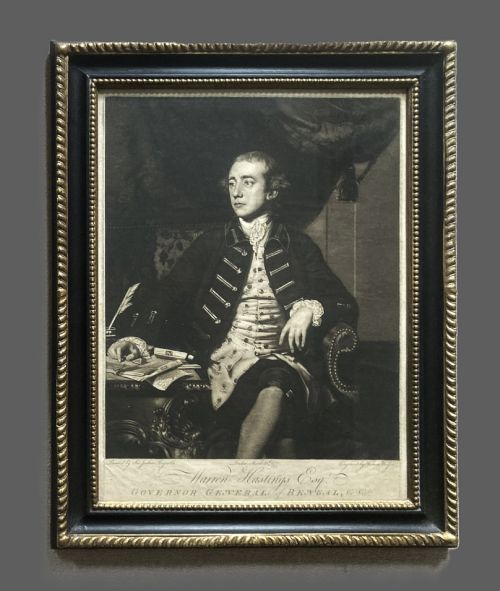
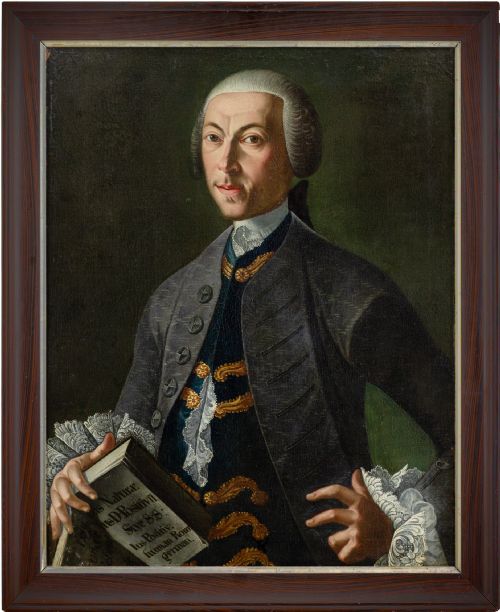
The most common formats on this page are oil paintings on canvas framed in giltwood or wood, alongside occasional pastel portraits and mezzotint prints. Subjects appear in formal attire such as scarlet jackets, armour, clerical robes, or academic gowns, often accompanied by indicators of their profession or status.
Assessing quality
The distinction between standard works and superior examples rests on the skill of the brushwork in rendering facial anatomy, hands, and the intricate textures of lace jabots or velvet coats. Master portraitists achieved a lifelike presence and psychological depth that lesser studio assistants or provincial school painters frequently missed.
Original condition also governs standing, with untouched painted surfaces retaining their pigment saturation, while later overpainting or relining alters the integrity of the canvas and diminishes the work.
18th Century Male Portrait Retail Price Guide 2026
Typical asking prices for 18th century male portrait among the pieces listed under this phrase on Sellingantiques today, from the lower quarter to the upper quarter. They describe what is for sale here now, not the wider market.
Listings feature works from the seventeenth, eighteenth, and nineteenth centuries, executed in oil on canvas, pastel, and paper.
SIR WILLIAM BEECHEY R.A·CHARLES JERVAS·JEAN-BAPTISTE VAN LOO·JOHN SMITH·SIR JOSHUA REYNOLDS·THOMAS WATSON·FRANCIS HAYMAN·TRAJAN HUGHES·JOSEPH VIVIENNE·GEORGE WATSON·MICHAEL DAHL·THOMAS HUDSON·JOSEPH HIGHMORE·JOHN HAMILTON MORTIMER·NICOLAS DE LARGILLIERE
The 18th Century Male Portrait Glossary
- Mezzotint
- A printmaking process where the copper plate is roughened to produce dark tones, allowing smooth gradations of light and shade. This technique was widely utilised in the eighteenth century to reproduce famous oil portraits.
- Jabot
- A decorative lace or linen ruffle attached to the front of a shirt, frequently seen on sitters in mid-eighteenth-century portraits. It denotes the formal fashion of the period.
- Giltwood
- Wood that has been coated with a thin layer of gold leaf or gold paint, commonly used for ornate picture frames from the Georgian era. The finish provides a warm, reflective border to the canvas.
- Pastel
- A medium consisting of powdered pigment combined with a binder, applied as a dry stick to paper. It creates a velvety matte surface highly favoured for intimate portraiture.
18th Century Male Portrait: Frequently Asked Questions
How do I identify the sitter in a portrait?
Many works bear contemporary inscriptions on the reverse of the canvas or frame naming the individual, their profession, or their birth and death dates.
In other instances, heraldic crests, clothing details, or accompanying objects like letters and books offer clues for archival research.
What is the difference between studio work and an original piece?
A primary portrait was painted directly by the master artist, whereas studio works or follower pieces were executed by assistants or pupils under the master's supervision.
Both date to the same period and share stylistic similarities, but studio pieces command different consideration among collectors.
How should I care for an oil painting on canvas?
Keep the canvas away from direct sunlight, extreme temperature fluctuations, and high humidity to prevent the paint layer from cracking or warping.
Dust the surface gently with a soft, dry brush and avoid using water or chemical cleaners on the paint or giltwood frame.
How can I distinguish an eighteenth-century frame from a later replacement?
Examine the construction of the wooden corners, the type of gesso used underneath the gold leaf, and signs of age such as shrinkage cracks in the wood.
Many antique portraits retain their original frames, though replacement frames from subsequent periods are common.