



Blue Coat Portrait Painting
A blue coat portrait painting captures historic subjects in distinctive tailoring, offering collectors an intimate window into past centuries through fine brushwork.
Understanding blue coat portrait painting
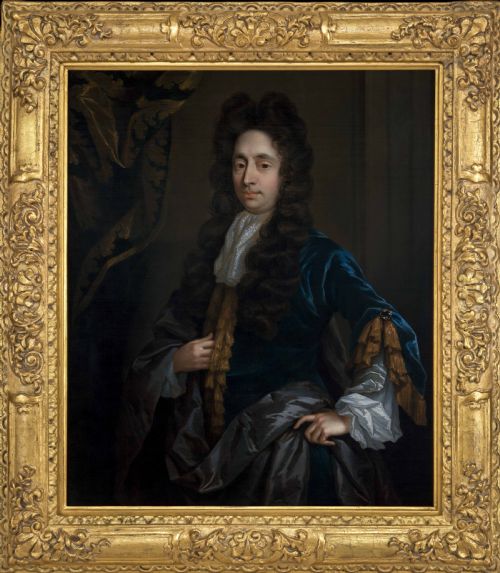
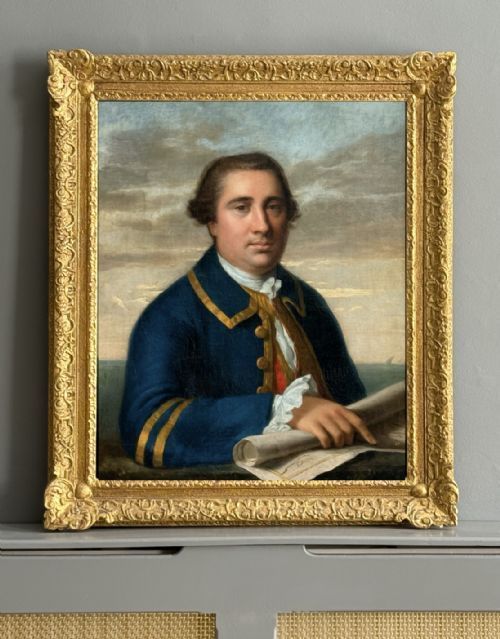
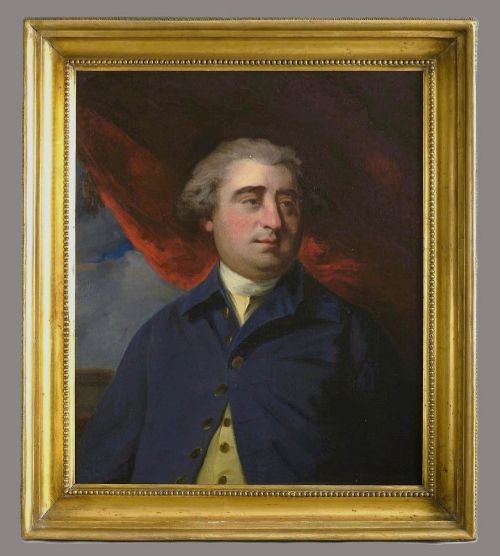
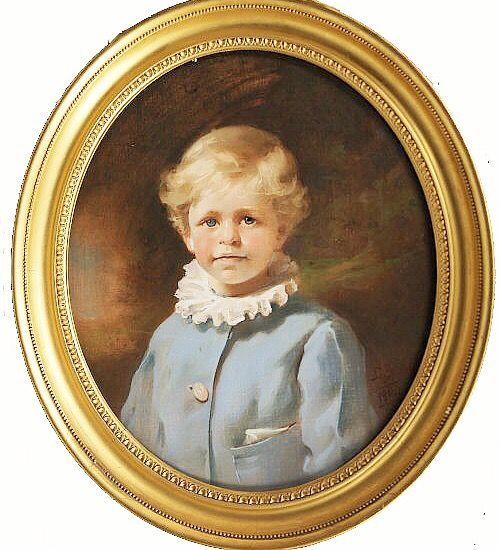
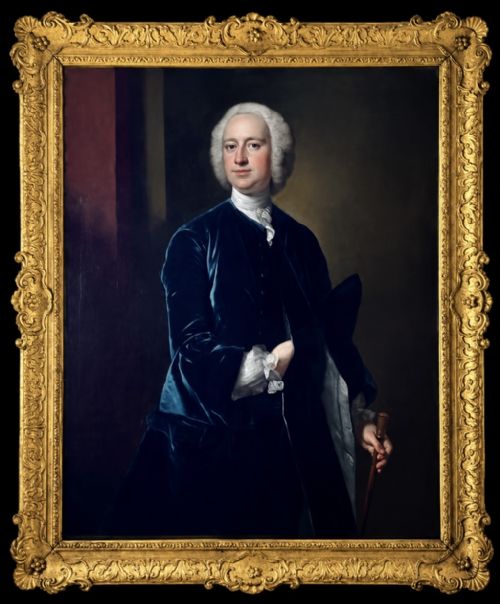
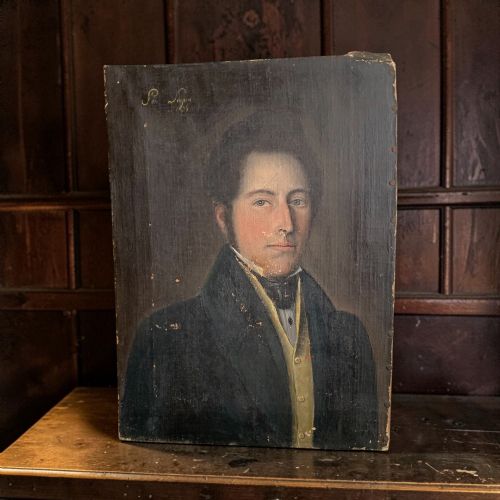
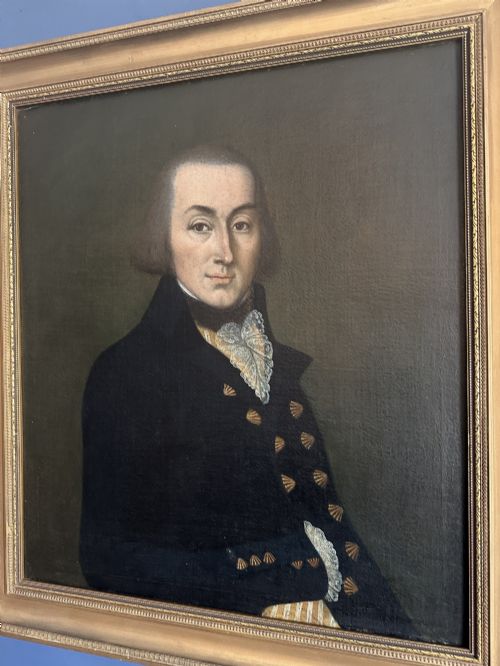
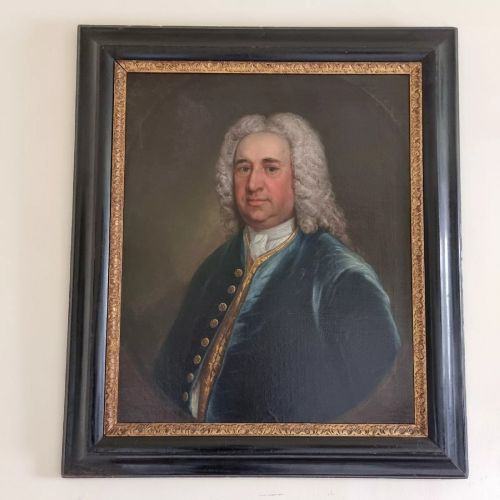
A blue coat portrait painting depicts identifiable gentlemen, musicians, and merchants rendered during the eighteenth century and the Victorian era. These artworks portray sitters from the Georgian period alongside later Victorian subjects, capturing shifting fashions in formal attire.
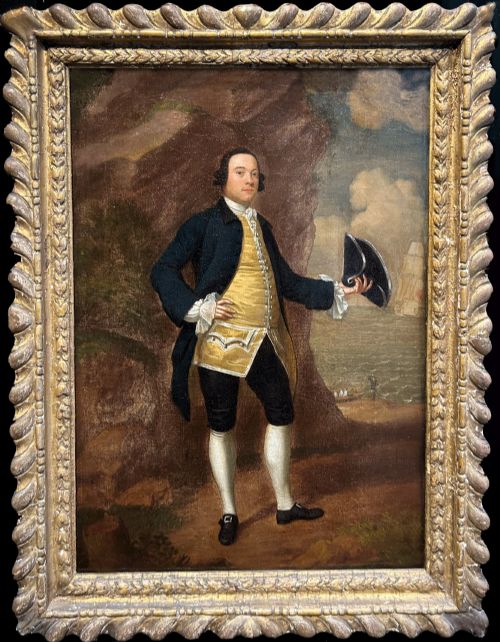
The subjects range from solitary gentlemen and naval captains to musicians and historical figures like the flautist Johann Quantz. Canvas and panel works dominate the selection, accompanied by occasional watercolours on paper.
Georgian examples reflect the predominant artistic output of the grouping, featuring followers of established portraitists and circle works. These paintings preserve the specific pigment choices and tailoring details that signal the social standing of the sitter.
Materials and technique
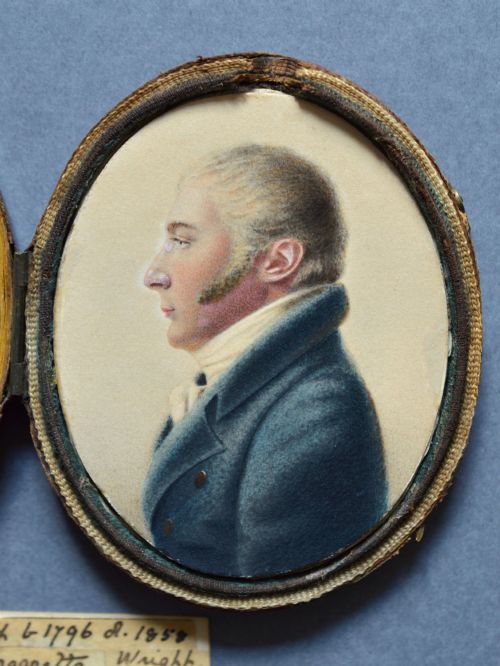
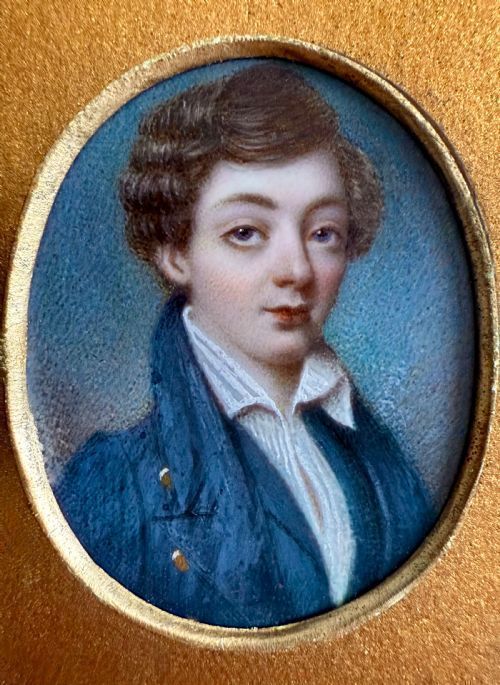
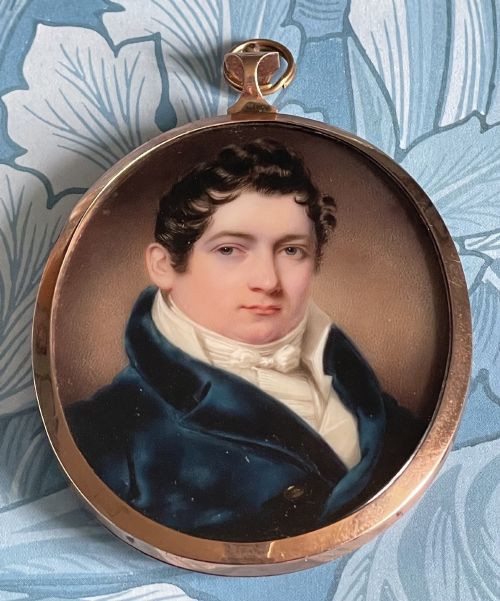
Painters utilised oil on canvas, oil on copper, and oil on panel as their primary surfaces, building depth through layered applications of pigment. Watercolours on paper appear alongside these larger oil mediums for more intimate domestic likenesses.
Many works retain their original giltwood and wood frames, often embellished with gold leaf and protected beneath glass. The framing materials complement the rich blue pigments utilised in the coats of the painted sitters.
Retail Price Guide 2026
Typical UK retail prices for blue coat portrait painting, calculated from the Sellingantiques database of over a million retail prices indexed since 2003. This retail price guide relies exclusively on Sellingantiques data; no external sources or auction records are used, so the figures do not describe the wider market.
The listings span the eighteenth century and the Victorian period, executed in oil on canvas, copper, and panel, as well as watercolour on paper.
Distinctions in quality
The finesse of facial modelling and the handling of fabric folds dictate the visual success of the piece. Superior examples display subtle tonal gradations in the blue coat rather than flat application.
Lemuel Francis Abbott·Ethel Mortlock·Edward Alcock·Enoch Seeman the Younger·Frans van der Mijn·Allan Ramsay·Francesco Renaldi·John Downman·John Closterman
The Blue Coat Portrait Painting Glossary
- Oil on canvas
- A painting medium where pigments suspended in drying oils are applied to stretched woven fabric. This combination provides a durable surface that supports rich colour saturation and subtle blending.
- Giltwood
- Timber carved and surfaced with thin gold leaf or metal powder to create a decorative frame. It provides a luminous border that isolates the painting from its surroundings.
- Circle of
- A designation used when a painting shows the direct influence and style of a known master without being an autograph work. It indicates a contemporary working within the same artistic orbit.
- Oil on copper
- A technique where thin metal sheets serve as the painting support, yielding an exceptionally smooth surface. This substrate preserves fine detail and prevents traditional canvas degradation.
Frequently Asked Questions
What periods do these paintings date from?
The available evidence points primarily to the eighteenth century and the Victorian era. Artists working within these periods captured sitters in distinct styles ranging from Georgian formality to later Victorian portraiture.
Most surviving works utilise traditional oil paints on canvas or panel, though rarer copper supports and watercolours on paper also appear in the historical record.
How can I tell who the sitter is?
Sitter identification often relies on inscriptions on the reverse of the canvas, period documentation, or historical records associated with the artist. Subjects include merchants, musicians, and gentlemen whose professions or social ranks informed their commission.
Some portraits record specific historical figures, such as the flautist Johann Quantz or members of the merchant navy, providing clues through their attire and contextual objects.
What framing is typical for these portraits?
Many of these artworks are housed in period giltwood frames constructed from wood and finished with gold leaf. These frames provide structural support and enhance the visual presence of the canvas.
The survival of an original period frame contributes to the historical integrity of the piece, though frames are occasionally replaced or restored over centuries of ownership.
How should I care for an oil portrait?
Oil paintings on canvas or panel require stable environmental conditions away from direct sunlight and excessive humidity. Maintaining moderate indoor temperatures prevents the wood and canvas from expanding or contracting.
Dusting should be performed gently with a soft, dry brush, avoiding liquid cleaners or harsh solvents that could damage the delicate layers of oil pigment and varnish.