
Georgian Period Portrait Painting
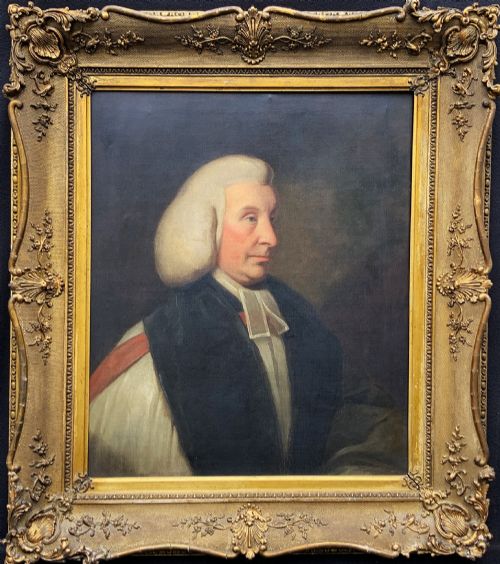
A georgian period portrait painting captures the distinct likeness and social standing of sitters from the eighteenth and early nineteenth centuries.
Georgian Period Portrait Painting
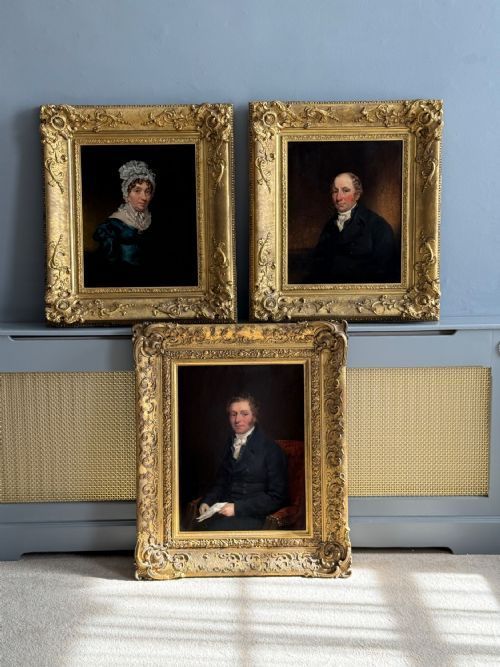
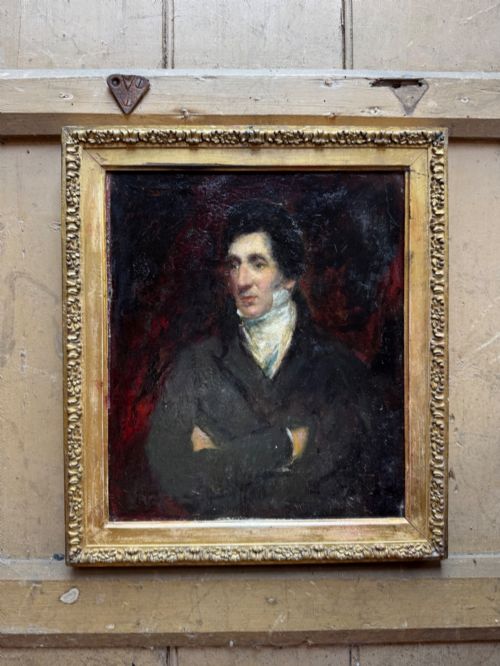
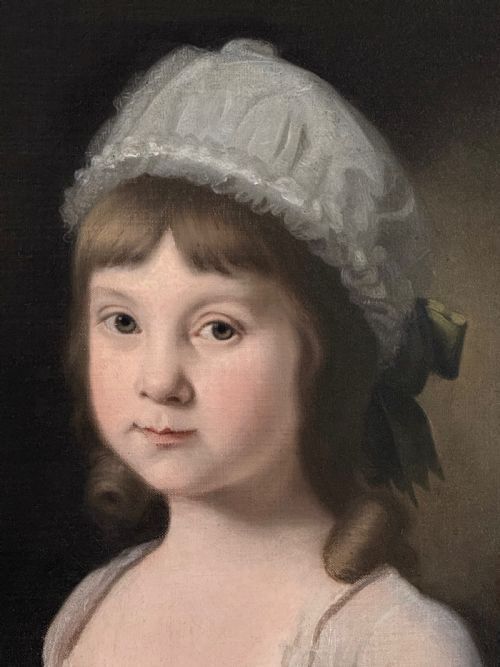
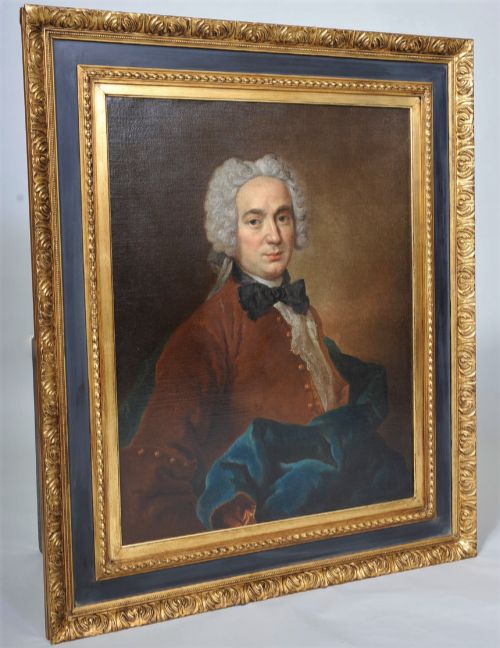
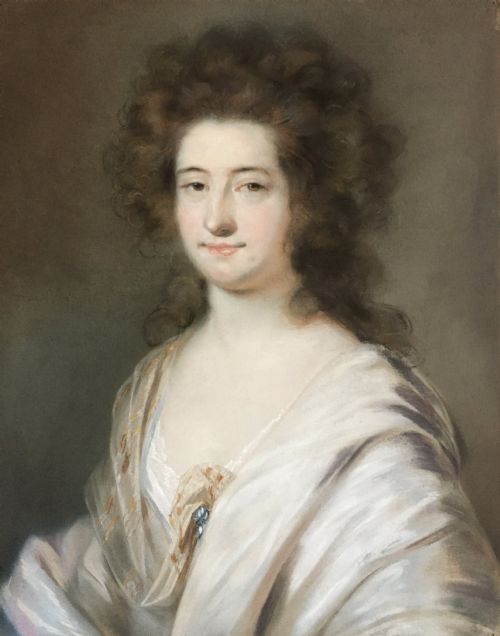
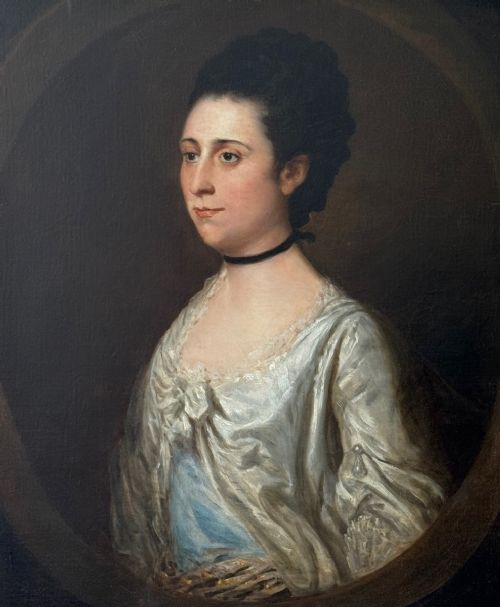
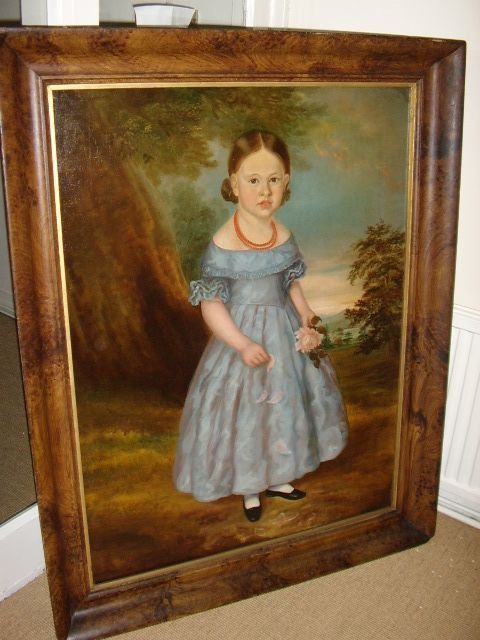
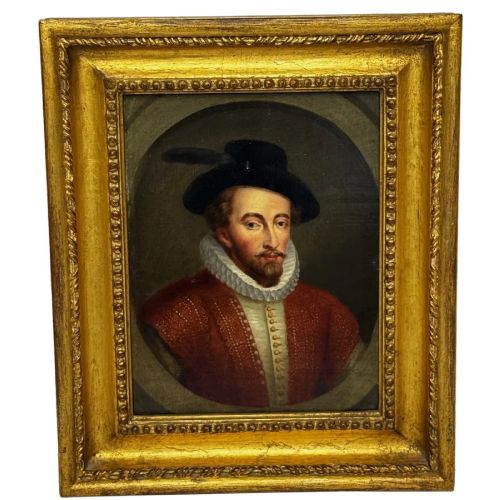
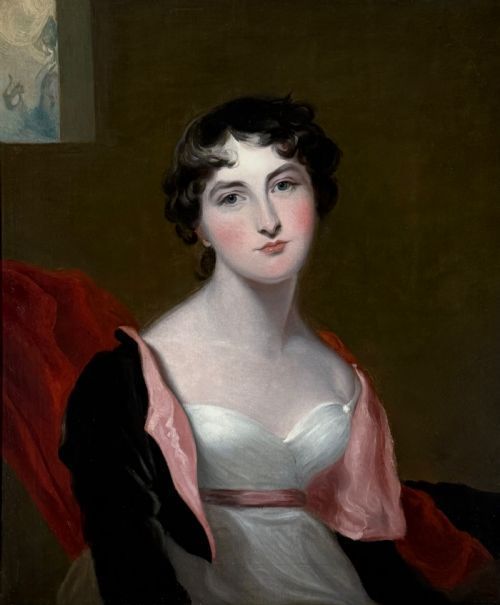
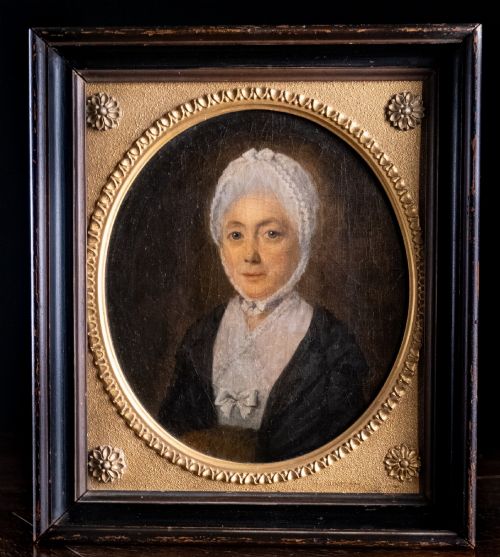
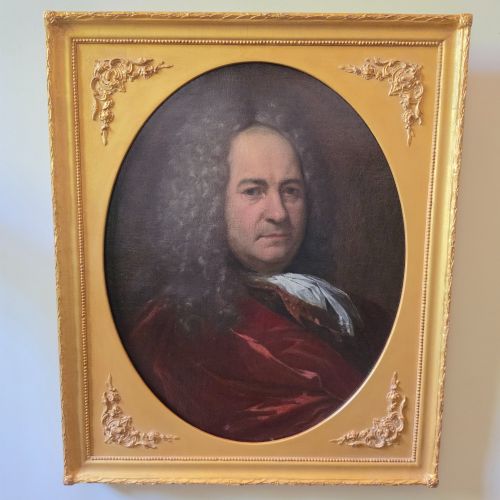
A georgian period portrait painting typically depicts sitters from the eighteenth or early nineteenth centuries, ranging from children and ladies to physicians and gentlemen. These works span oil on canvas, panel, and copper, alongside delicate watercolours and pastel portraits.
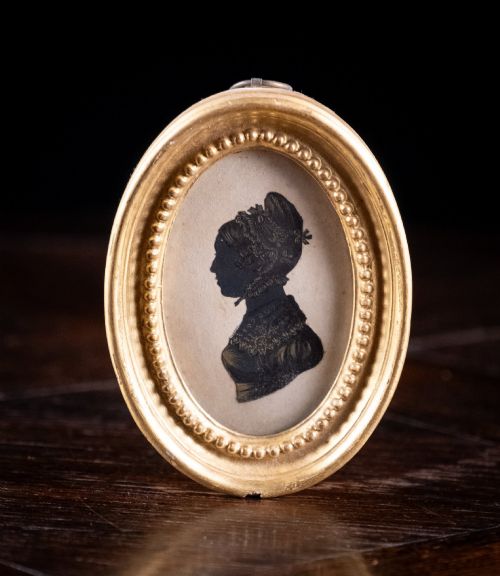
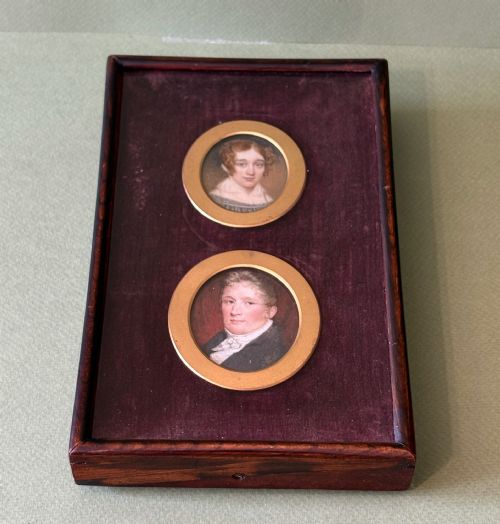
The selection includes large original oils in period frames, intimate portrait miniatures, and silhouettes. Works originate from the 18th century, the Regency era, and early Victorian periods, reflecting the shifting portrait styles of British and English school painters.
How they were made
Artists built these works primarily using oil paint applied to canvas, wood panels, or copper plates. Watercolour and pastel on paper served as key mediums for smaller, more intimate likenesses.
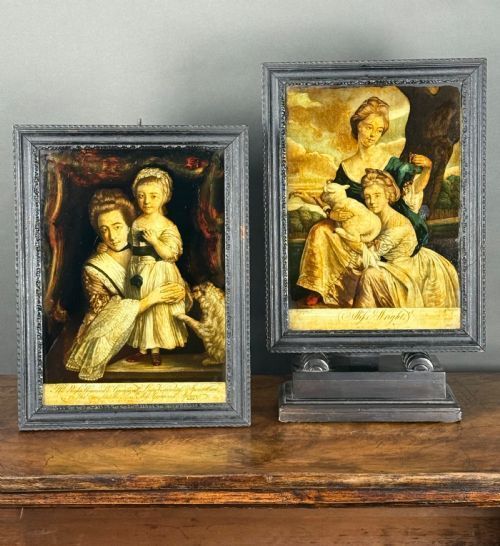
Framing often involved carved giltwood, while reverse glass mezzotints employed specialised printmaking and glass techniques to create depth.
Georgian Period Portrait Painting Retail Price Guide 2026
Typical asking prices for georgian period portrait painting among the pieces listed under this phrase on Sellingantiques today, from the lower quarter to the upper quarter. They describe what is for sale here now, not the wider market.
Listings feature works spanning the 18th century, Regency, and Victorian eras, executed in oil, watercolour, pastel, and reverse glass mezzotint.
What varies in quality
Skill in facial expression and anatomical rendering separates works by named artists and established circles from naive regional school paintings. The handling of textiles, lace, and background architectural details also demonstrates the painter's proficiency.
The survival of original giltwood frames and the stability of the canvas or panel influence the overall integrity and visual presence of the piece.
Joseph Clover RA·Joshua Reynolds PRA·John Russell·Thomas Beach·Sir Thomas Lawrence PRA·Allan Ramsay·Jeremiah Davison·Henry Pickering·James Maubert·Joseph Highmore·George Morland
The Georgian Period Portrait Painting Glossary
- Oil on canvas
- Pigment mixed with drying oil applied to a stretched fabric support. This was the primary medium for substantial formal portraits.
- Giltwood
- Wood carved and coated with gold leaf. It forms the decorative gilded frames associated with period works.
- Portrait miniature
- A small, highly detailed likeness executed on paper, ivory, or card. These portable pieces were often housed in protective cases.
- Regency
- The stylistic period spanning the early nineteenth century. Works from this era often feature softer lighting and distinct costume details.
- Reverse glass mezzotint
- A print transferred onto glass and hand-coloured from behind. This technique produces a luminous finish unique to the period.
Georgian Period Portrait Painting: Frequently Asked Questions
How do I identify a georgian period portrait painting?
Look closely at the sitter's costume, hair styling, and the construction of the canvas or stretcher frames, which typically conform to eighteenth-century conventions. Examining the artist's technique and any accompanying signatures or attribution records also helps establish the correct period.
Paintings from this era frequently utilise oil on canvas or copper, mounted within period giltwood frames that match the age of the artwork.
Where should I hang a portrait miniature?
Portrait miniatures suit intimate spaces such as studies, hallways, or grouped gallery walls where viewers can appreciate their fine detail at close range. Their small scale requires positioning away from direct, harsh sunlight to protect the pigments.
Pairing them with other works from the same era enhances their historical context within a room.
Are these paintings cleaned or restored?
Many surviving works retain their original varnishes and surfaces, while others have undergone professional conservation to stabilise the canvas and remove accumulated surface dirt. Documentation from dealers often notes the extent of any previous intervention.
Careful conservation preserves the integrity of the original brushwork and the underlying support material.
What is the difference between oil and watercolour portraits?
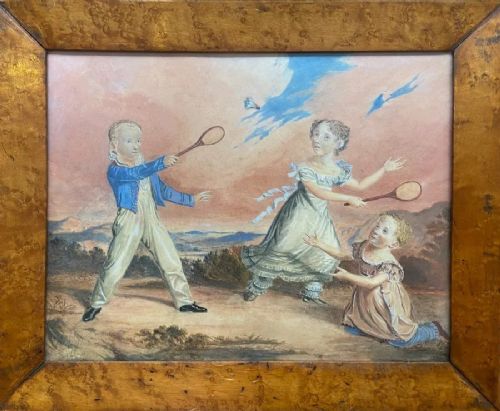
Oil portraits on canvas or panel provided a durable, large-scale medium suited for formal and public display by prominent British artists. Watercolour and pastel portraits offered a faster, more intimate medium often employed for informal likenesses of children and family members.
Both formats capture the prevailing aesthetic values of the eighteenth and nineteenth centuries through different material applications.