


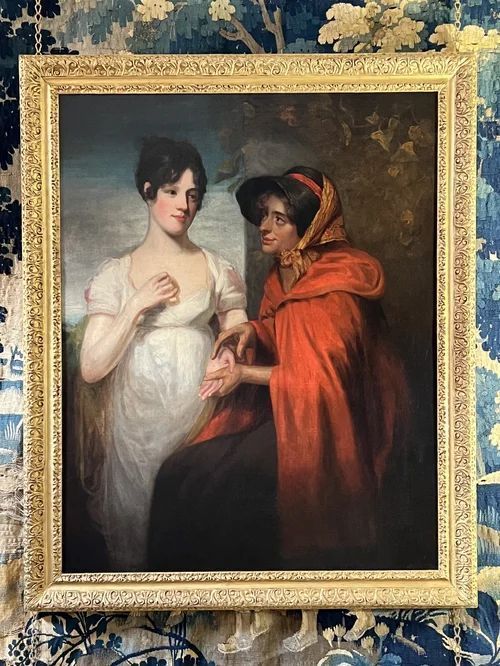
Fine Art Oil Portrait
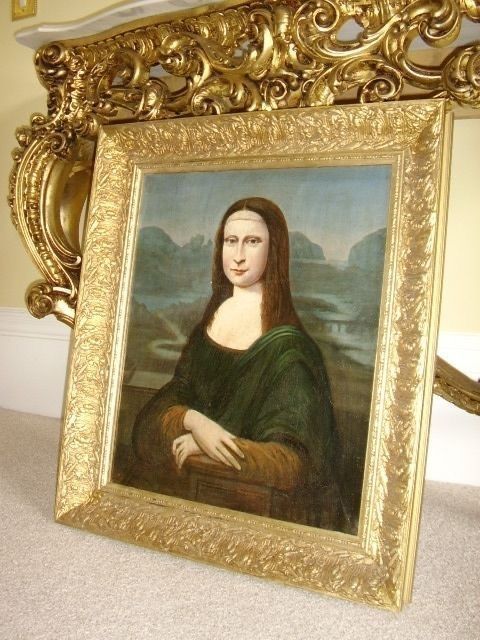
A fine art oil portrait brings the direct gaze of centuries past into a room, rendered in rich pigments on canvas.
What They Are
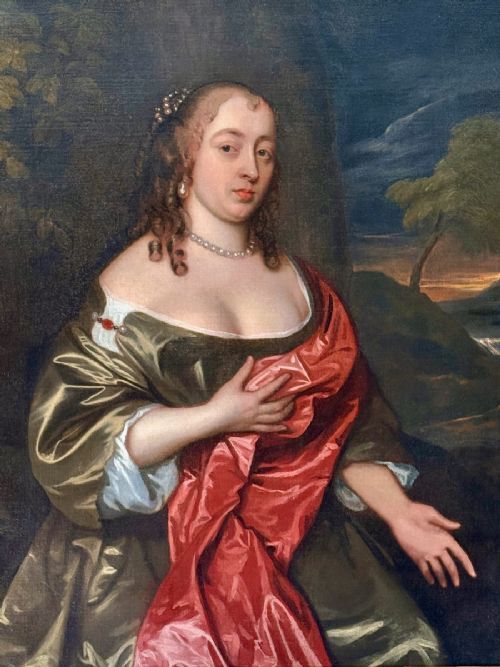
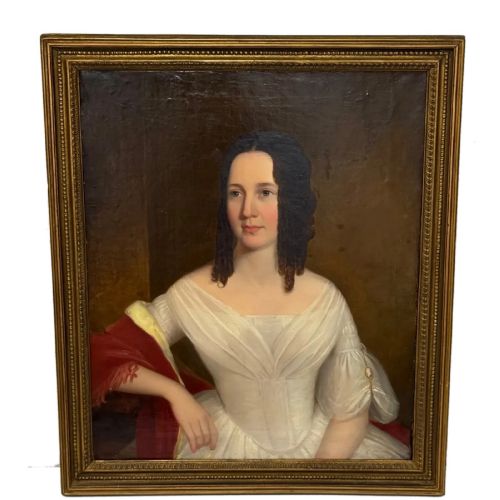
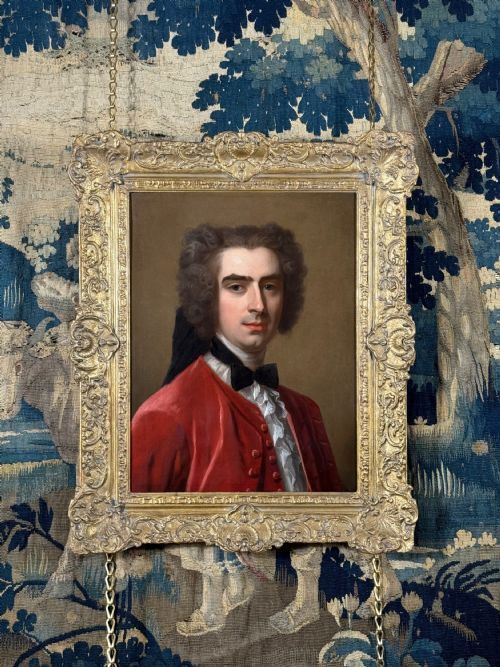
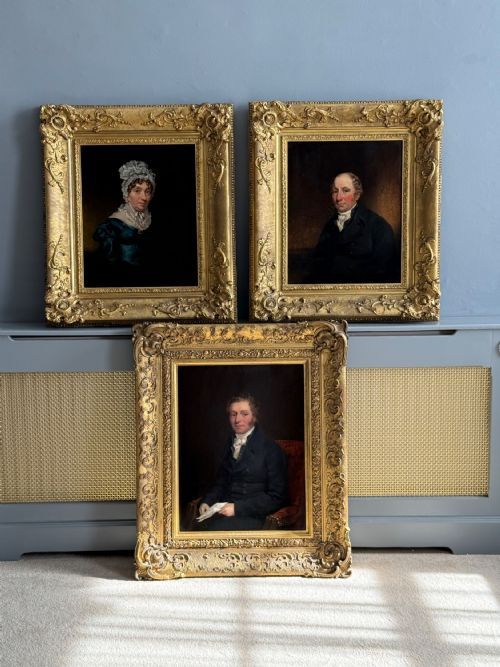
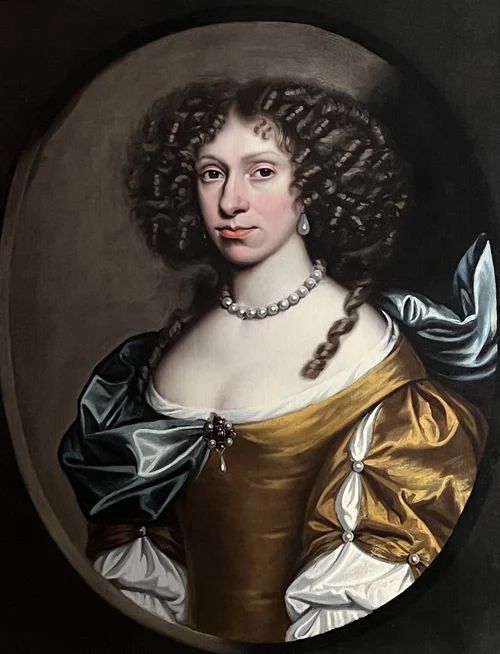
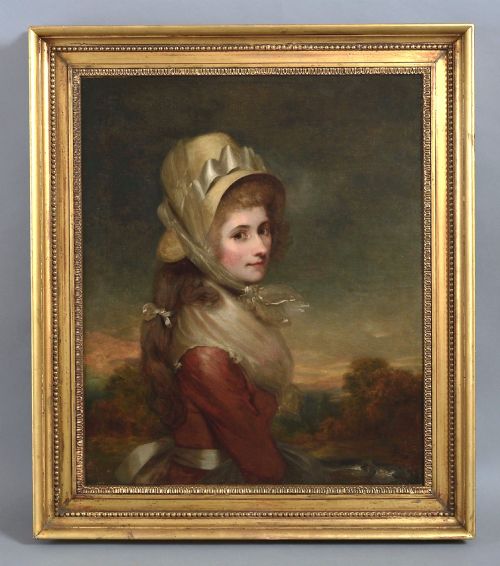
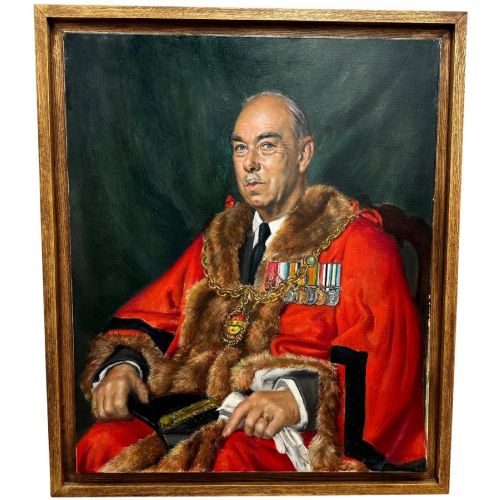
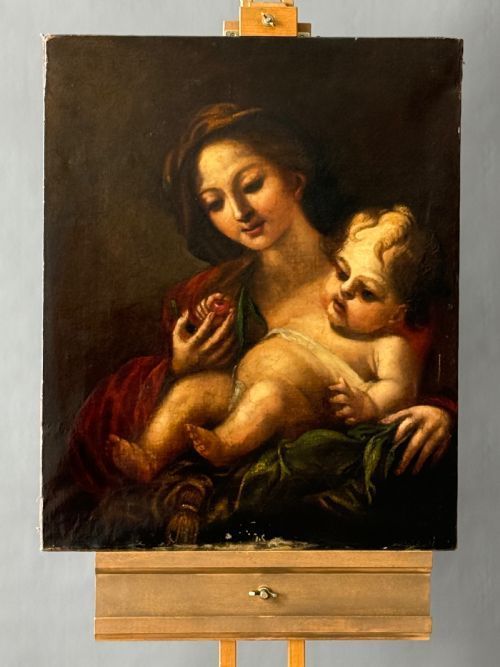
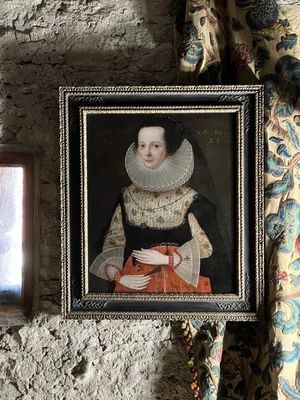
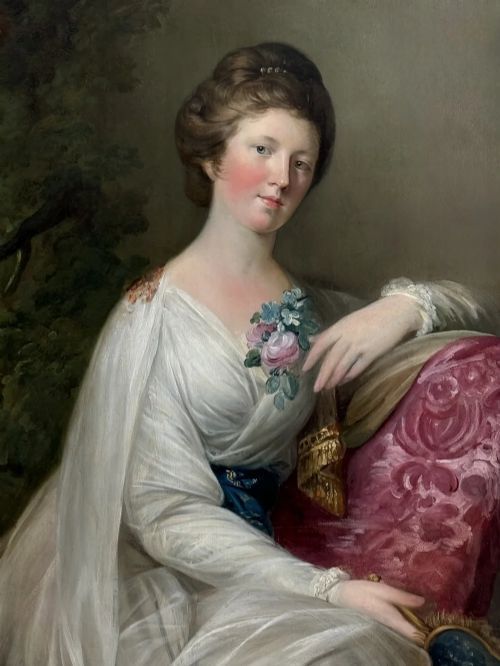
A fine art oil portrait captures individual likenesses across the seventeenth, eighteenth, and nineteenth centuries, spanning Georgian, Regency, and Baroque styles. These works range from intimate depictions of young children and gentlemen to formal studies of ladies in blue silk gowns.
The pieces on this page include works attributed to named hands such as Thomas Murray, Michael Dahl, John Russell, and Adriaen Hanneman, alongside circles and followers of artists like Sir Thomas Lawrence and Gilbert Jackson. Subjects extend from domestic sitters like Elizabeth Ogle and the Hon. William Feilding to historical depictions such as William Shakespeare.
Framing often completes the piece, featuring hand-carved gilt frames, gesso, and gold leaf that reflect the decorative tastes of their respective periods. Whether executed as single canvases or pair portraits, these paintings preserve the attire, status, and artistic conventions of historic sitters.
How They Were Made
These works are built with oil on canvas, utilising the slow-drying properties of oil paint to build deep tones, skin textures, and textile details such as lace and silk ruff collars. Canvases are stretched over wooden supports and often paired with heavy wooden frames finished in gesso and gold leaf.
Many frames carry intricate hand-carved gilt wood ornamentation, reflecting the master craftsmanship of period gilders who worked to complement the depth of the oil paintings within.
Retail Price Guide 2026
Typical UK retail prices for fine art oil portrait, calculated from the Sellingantiques database of over a million retail prices indexed since 2003. This retail price guide relies exclusively on Sellingantiques data; no external sources or auction records are used, so the figures do not describe the wider market.
A kitten occasionally shares the canvas, keeping a watchful eye over a mother and child across the centuries.
What Varies in Quality
Quality rests in the precision of the brushwork and the psychological depth of the sitter's expression, separating workshop copies from master output. Superior handling of light on fabrics like silk and velvet distinguishes the finest works.
The integrity of the original canvas, the preservation of the ground layer, and the authenticity of the period gilt wood frame contribute significantly to the standing of any given piece.
Thomas Murray·Michael Dahl·Sir Thomas Lawrence·John Russell·Adriaen Hanneman
The Fine Art Oil Portrait Glossary
- Oil on Canvas
- A painting medium where pigments are suspended in a drying oil, applied to a woven fabric support stretched over a wooden frame. This combination allows for rich blending and longevity.
- Gesso
- A plaster-like mixture applied to wooden frames as a smooth base before gilding with gold leaf. It provides the foundation for crisp carved details.
- Baroque
- An artistic style from the seventeenth and early eighteenth centuries characterised by drama, deep shadow, and rich ornamentation. Portraits from this era emphasise theatrical presence.
- Regency
- A British stylistic period spanning the early nineteenth century known for classical elegance and restrained neoclassical refinement in portraiture.
- Ruff
- A prominent pleated starched collar worn in Elizabethan and Jacobean times, frequently seen framing the neck of sitters in early seventeenth-century works.
Frequently Asked Questions
How do I care for an antique oil portrait?
Keep the painting away from direct sunlight and steady fluctuations in temperature or humidity to protect both the canvas and the wooden stretcher.
Dust the surface gently with a soft, dry brush and avoid chemical cleaning agents on the oil layer or the gilt frame.
What does attribution to a circle mean?
Attribution to a circle indicates that an artist worked closely within the studio or under the direct influence of a known master during that period.
These pieces share the distinctive techniques and stylistic hallmarks of the named painter without bearing their signature.
How can I tell a seventeenth-century portrait from a nineteenth-century one?
Seventeenth-century works often feature rigid poses, dark backgrounds, and formal attire such as lace ruffs, reflecting Baroque conventions.
Nineteenth-century portraits typically display looser brushwork, softer lighting, and more naturalistic expressions influenced by Regency and later academic styles.
Are the frames original to the paintings?
Many antique portraits retain their original or period-appropriate frames, particularly those featuring hand-carved gilt wood and gesso ornamentation.
Frames were often chosen to match the status of the sitter and the interior decorative fashion of the painting's creation date.