



Oval Portrait Painting
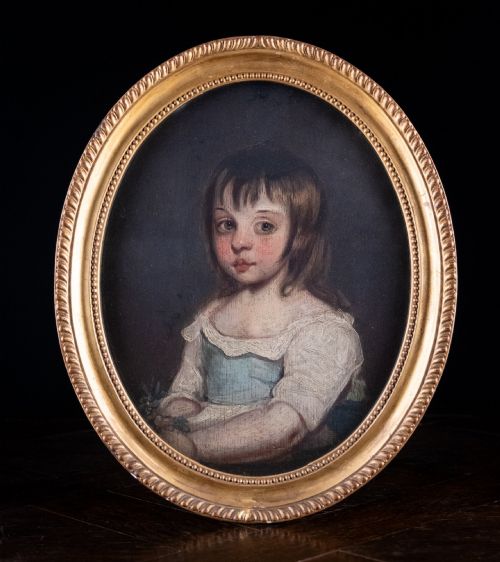
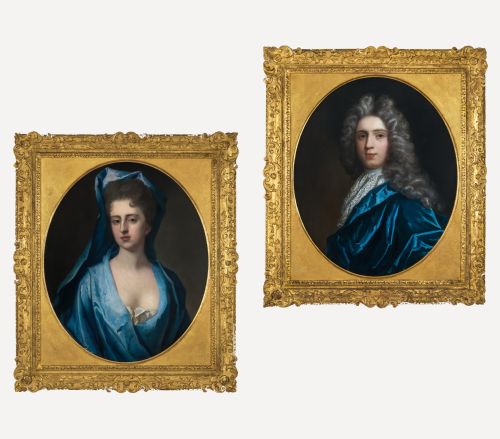
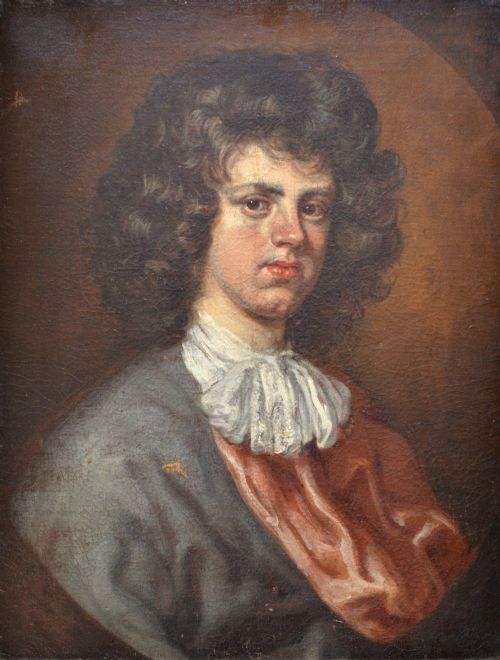
When an oval portrait painting comes to hand, it brings the distinct presence of earlier centuries into a room through curved borders that soften a likeness.
Oval Portrait Painting
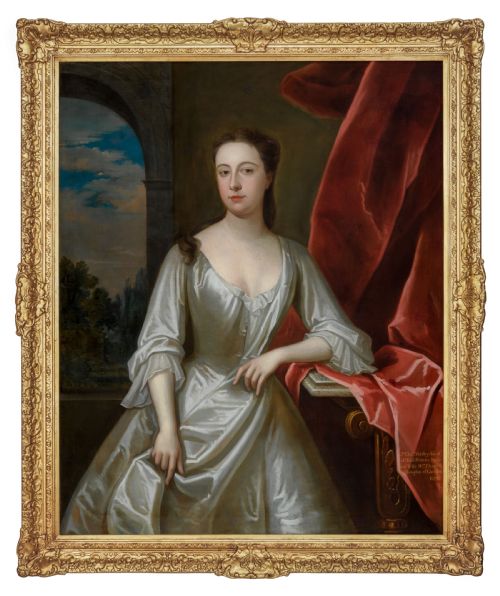
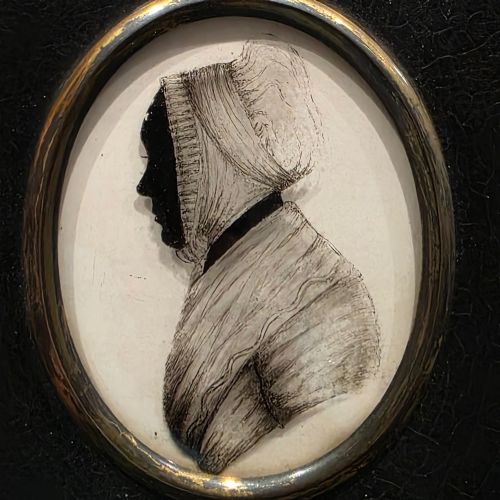
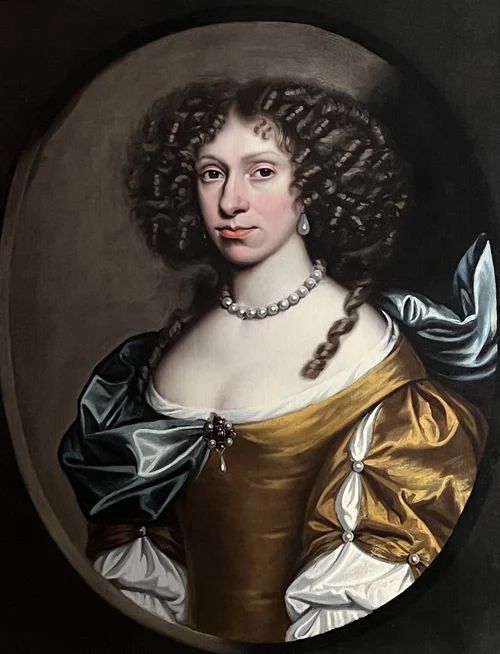
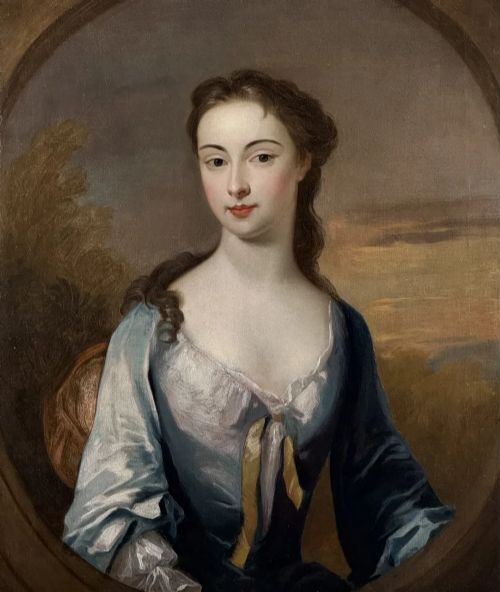
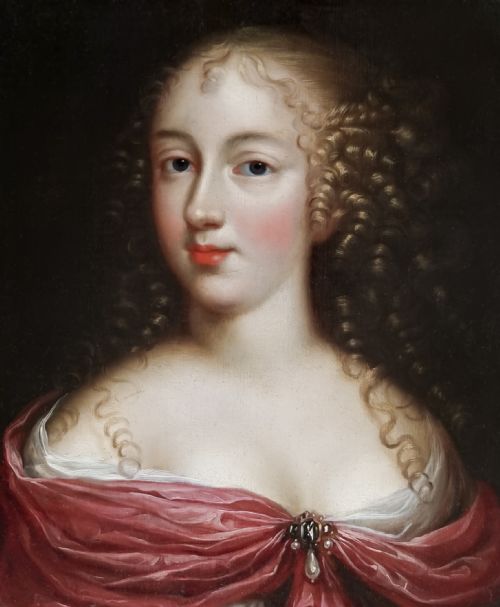
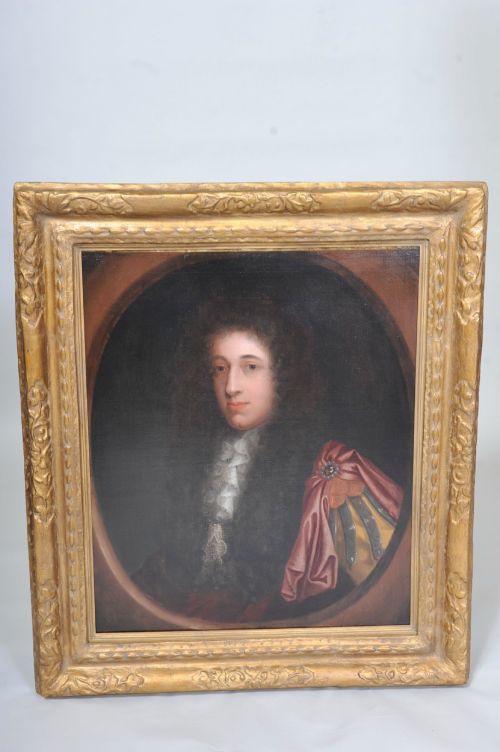
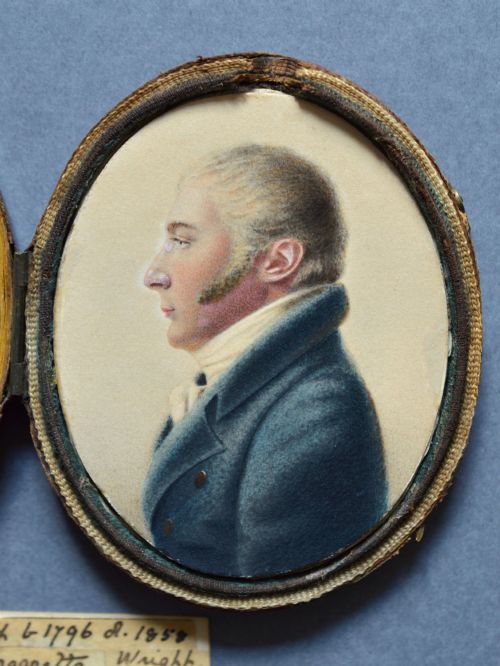
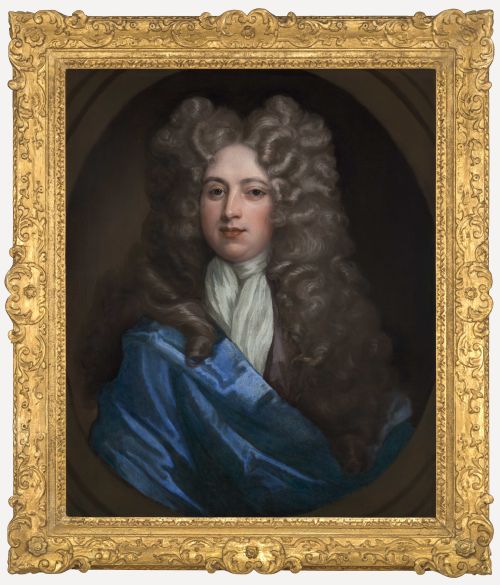
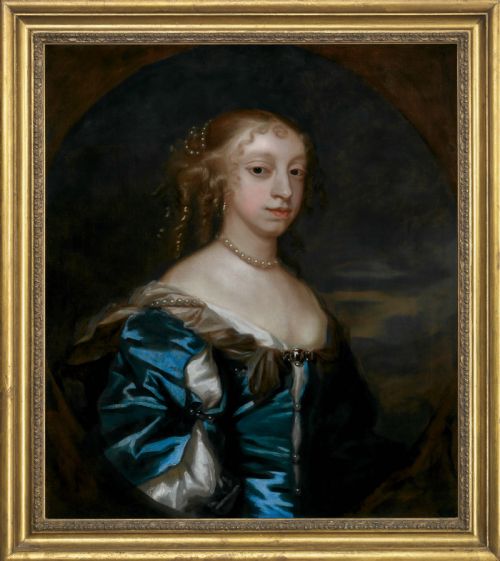
An oval portrait painting encompasses framed likenesses executed across the sixteenth, seventeenth, eighteenth, and nineteenth centuries, spanning Georgian, Regency, and Victorian periods. These works appear as oil on canvas, oil on panel, watercolour, pastel, enamel, and reverse-painted silhouettes.
The format ranges from intimate portrait miniatures housed in gilt frames to large-scale canvas works depicting nobility, clergy, and country gentlemen. Many examples emerge from British and European schools, carrying the stylistic marks of Baroque, Renaissance, and academic traditions.
How they were made
Surrounding frames utilise carved giltwood and gilded wood, shaped specifically to contain the curved perimeters of the canvas or board. The framing technique often mirrors the period of the artwork itself, securing the piece within a traditional profile.
Oval Portrait Painting Retail Price Guide 2026
Typical asking prices for oval portrait painting among the pieces listed under this phrase on Sellingantiques today, from the lower quarter to the upper quarter. They describe what is for sale here now, not the wider market.
Listings span multiple centuries, ranging from sixteenth-century Renaissance works to twentieth-century pastels.
What varies in quality
The handling of skin tones, textiles, and facial expression dictates the success of the likeness, separating hurried workshop output from master execution. A deft brush brings vitality to the eyes and clothing, whereas lesser hands produce stiff and flat forms.
The preservation of the original surface and the integrity of the giltwood frame influence the overall character of the piece. Works retaining their initial canvas support and uncompromised paint layers hold greater visual cohesion.
Sir Godfrey Kneller·Henry Bone ARA·Charles Jervas·Michael Dahl·Thomas Murray·Pierre Mignard·Mary Beale·Richard Cosway·Thomas Beach·John Russell·Thomas Lawrence
The Oval Portrait Painting Glossary
- Oil on canvas
- Pigments bound in a drying oil, typically linseed, applied to a stretched woven fabric support. This combination allowed artists to blend tones smoothly and achieve rich textures.
- Giltwood
- Timber carved and coated with a thin layer of gold leaf or gold powder over a prepared gesso base. It provided reflective, ornate framing for formal portraiture.
- Portrait miniature
- A small, highly detailed painting designed for intimate viewing or portable display. These works often utilised watercolour on vellum, enamel, or ivory.
- Reverse painted silhouette
- An image created by applying pigment or foil to the back of a glass panel so the design is viewed through the front. This technique protected the delicate profile from surface wear.
Oval Portrait Painting: Frequently Asked Questions
How do I date an oval portrait painting?
Dating relies on examining the sitter's costume, periwig, and hairstyle alongside the construction of the stretcher or panel. Clothes and facial accessories follow strict historical periods that help narrow the decade of creation.
Secondary clues include the type of pigment, the handwriting on inscriptions, and the style of the giltwood frame. Comparing the brushwork to known studio methods of the seventeenth or eighteenth century provides further confirmation.
Why were portraits painted in an oval format?
The curved boundary of an oval composition draws the eye naturally toward the centre of the face. This framing device eliminates heavy corners, lending a softer and more intimate quality to the subject.
Artists found that the curved edge complemented the natural contours of the human head and shoulders. It became a preferred choice for miniatures and formal bust-length commissions alike.
Where should I hang an antique portrait?
These works suit traditional spaces such as studies, drawing rooms, or hallways where lighting can be controlled. Placing them away from direct sunlight protects vulnerable oil pigments and watercolours from fading.
Pairing a framed oval canvas with period furniture creates a cohesive historical atmosphere within a modern interior. The curved silhouette contrasts pleasingly against linear wall panelling or bookcases.
What is the difference between a canvas and a panel portrait?
Canvas paintings utilise stretched woven fabric that yields slightly to the touch and responds to atmospheric humidity changes. They became widespread from the seventeenth century onward for works of varying scale.
Panel portraits use solid wood or copper supports, offering a rigid ground that preserves fine, tight brushwork. Earlier pieces from the sixteenth and seventeenth centuries frequently employed wooden boards.