




18th Century Miniature Painting
These 18th century miniature painting examples offer exquisite detail on a tiny scale, capturing historic faces through delicate brushwork.
What 18th Century Miniature Painting Is
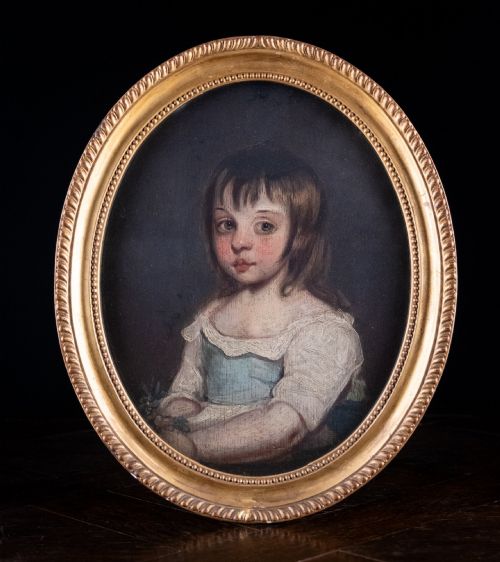
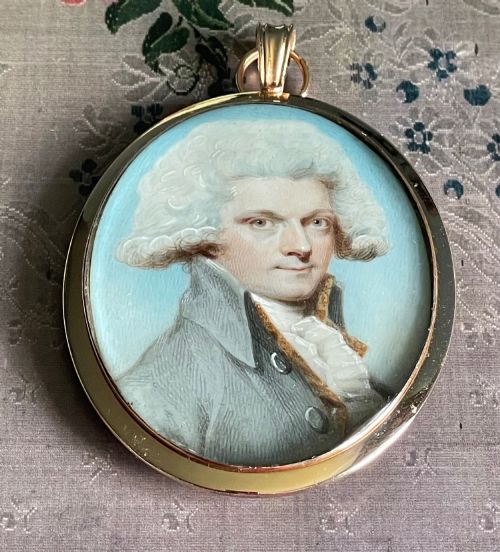
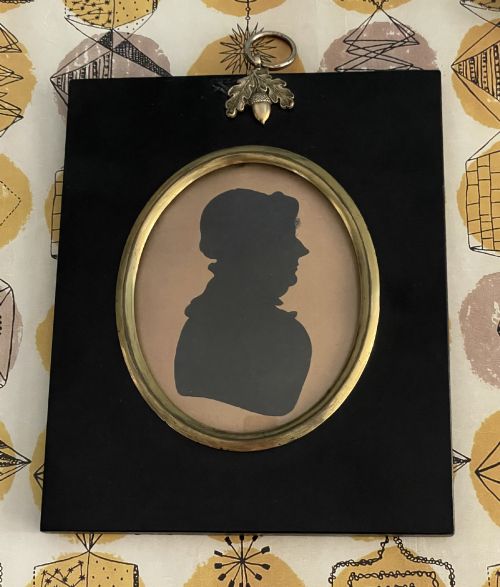
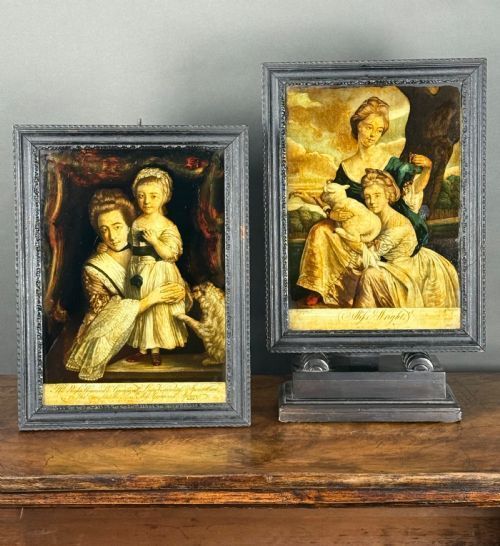
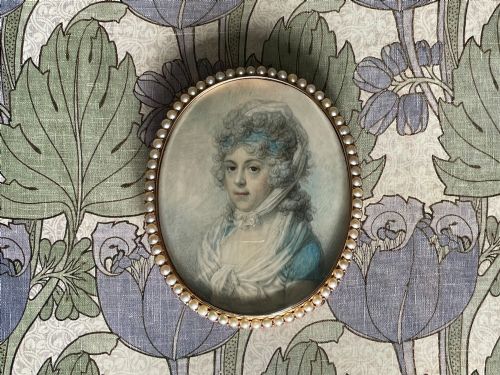
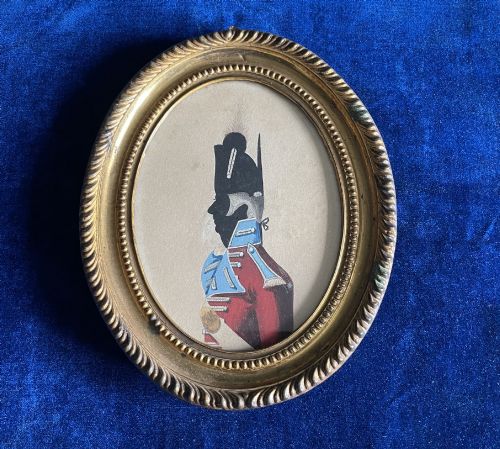
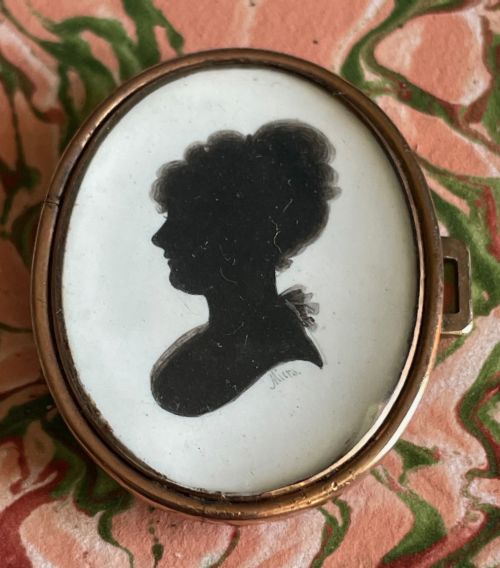
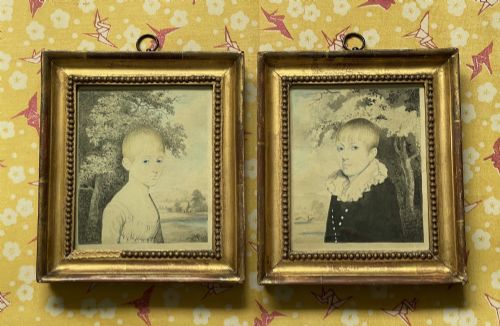
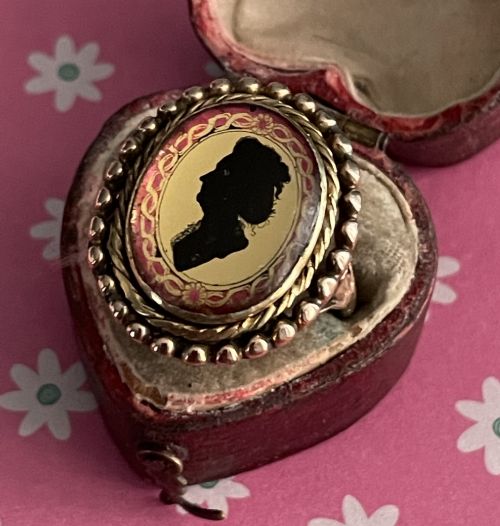
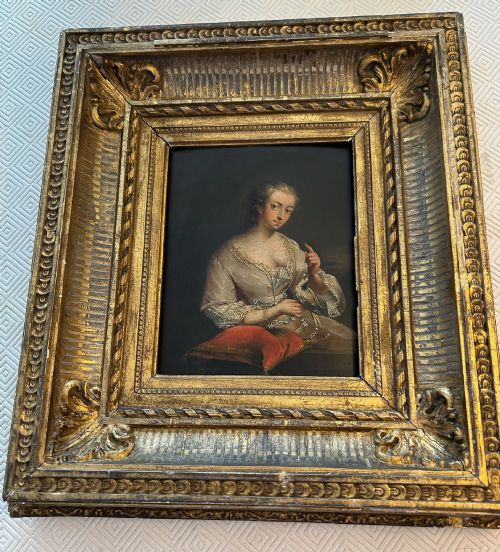
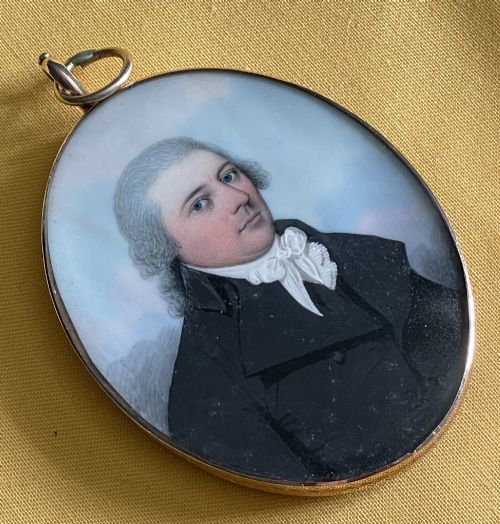
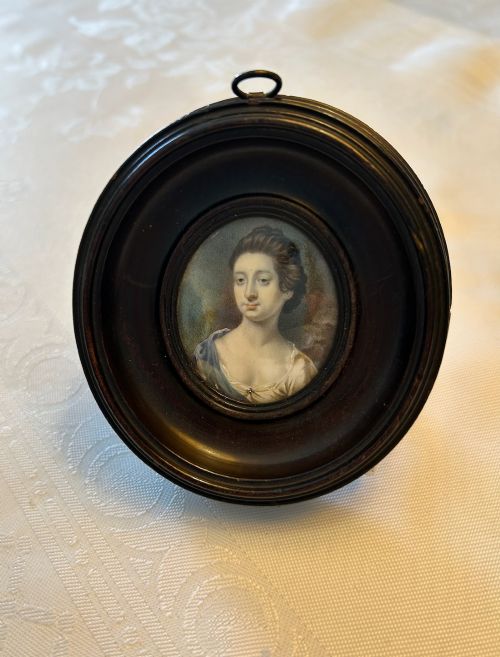
Buyers seeking an 18th century miniature painting encounter intimate portraits executed with extraordinary precision on small formats. These works capture specific sitters, including children, officers, and nobility, immortalised by period artists.
The pieces on this page span the Georgian, Regency, and mid-nineteenth century eras, reflecting the sustained popularity of personal portraiture. Most examples take oval or framed formats designed to sit on desks or hang closely.
Portraits dominate the selection, alongside occasional landscape studies from the late eighteenth century. These miniature paintings bridge personal memory and fine art through meticulous execution.
Materials and Construction
Artists painted these works primarily in watercolour on paper or specialised supports, though oil paint also appears on select school pieces. Frames incorporate gilt metal, brass, burr wood, and gold, occasionally utilising piano key sections to border the art.
Glass protects the delicate painted surfaces from dust and handling while allowing close inspection of the brushwork. Gilt metal stands and dedicated frames complete the construction, securing the miniature portrait for display.
Retail Price Guide 2026
Typical UK retail prices for 18th century miniature painting, calculated from the Sellingantiques database of over a million retail prices indexed since 2003. This retail price guide relies exclusively on Sellingantiques data; no external sources or auction records are used, so the figures do not describe the wider market.
Materials recorded in current and past stock include gold, brass, burr wood, and gilt metal frames.
Distinctions in Quality
The housing contributes to the overall merit, with heavy cast gilt frames and gold settings distinguishing superior commissions from simpler brass mounts. Preservation of the underlying paper and uncompromised glass protection also dictate the standing of each miniature.
Christian Friedrich Zincke·Edward Pugh·John Barry·Archibald Skirving·Cosway
The 18th Century Miniature Painting Glossary
- Miniature painting
- A small-scale artwork, typically a portrait, executed with intense fine detail. These works required magnifying lenses to achieve their microscopic precision.
- Portrait miniature
- A personal likeness painted on a small support for private display or gifting. They frequently served as tokens of affection between family members or military officers.
- Gilt metal
- Base metal treated with a thin layer of gold or gold-coloured wash. It provides a durable and decorative border for portable artwork.
- Piano key frame
- A decorative border constructed from antique ivory or bone slips taken from keyboard instruments. This framing style appears on select period miniature works.
- Burr wood
- Wood featuring intricate, swirling grain patterns caused by tree growths. It provides a rich, textured frame for Georgian miniatures.
Frequently Asked Questions
How were these miniatures displayed?
Owners kept these small portraits on desks using stands or hung them closely on private chamber walls. Many were also worn as lockets or carried in pockets as personal tokens.
Their portable nature meant sitters could travel with likenesses of family members or military figures across the country.
What subjects appear in these paintings?
Portraits of identified nobility, children, gentlemen, and military officers form the vast majority of the surviving subjects. Landscapes also appear occasionally from late eighteenth-century hands.
Artists focused heavily on capturing the distinct likeness and costume of the individual sitter with immense precision.
How do I identify a Georgian miniature?
Look for specific clothing styles, hair powder, and framing materials typical of the Georgian and Regency periods. Signatures or attributions on the reverse often point to known miniaturists.
The use of watercolour on paper beneath curved glass remains a standard indicator of genuine eighteenth-century production.
Why are some miniatures painted on piano keys?
Makers utilised reclaimed ivory or bone slips from musical instruments as a smooth, stable surface for watercolour pigments. This practice repurposed valuable material for fine portraiture.
The pale background of the ivory also enhanced the luminosity of the painted flesh tones.