


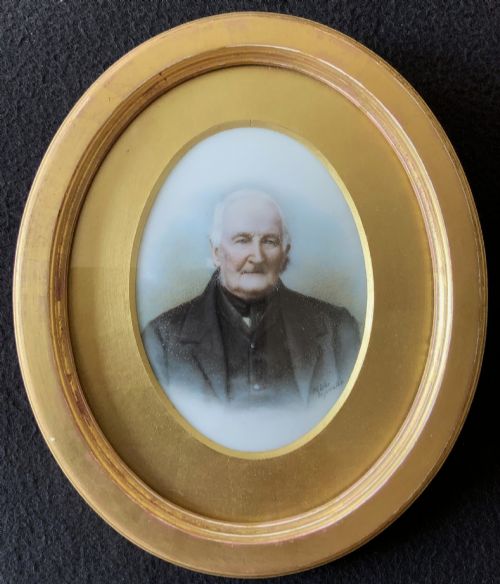
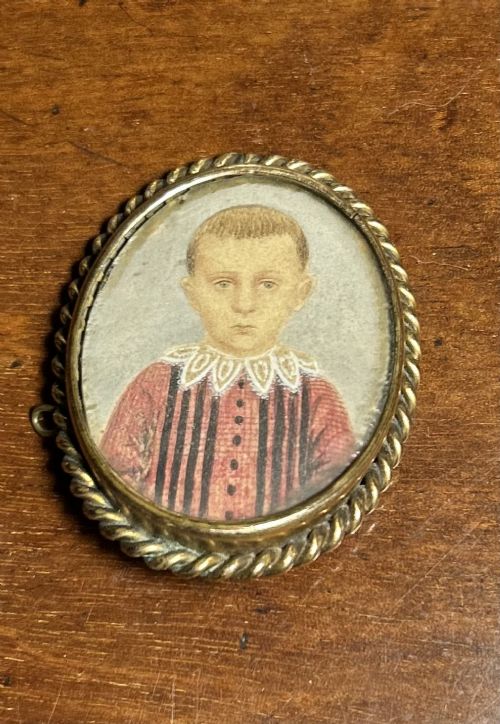
Oval Miniature Painting
An oval miniature painting is a delicate portrait held in the hand or worn as a pendant, prized for its intimate scale and fine brushwork.
Oval Miniature Painting
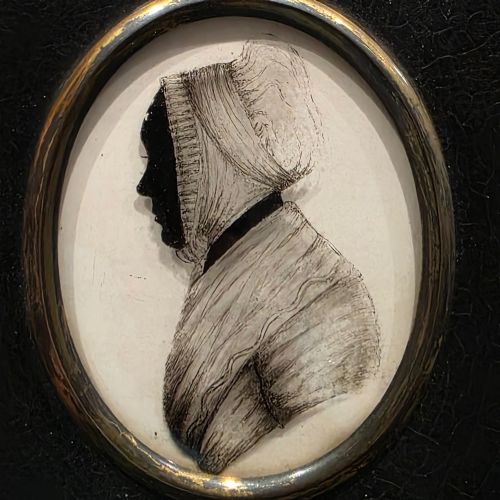
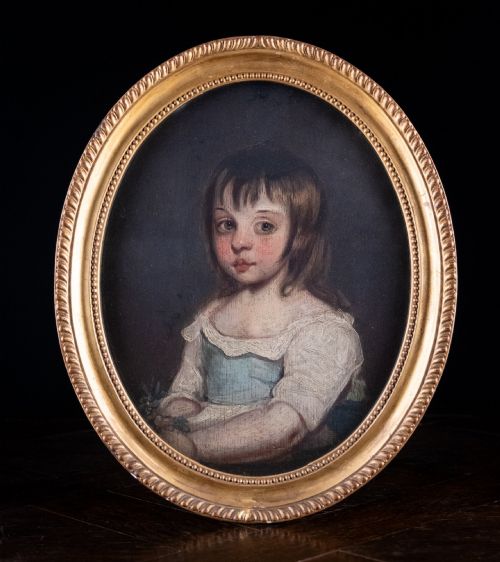
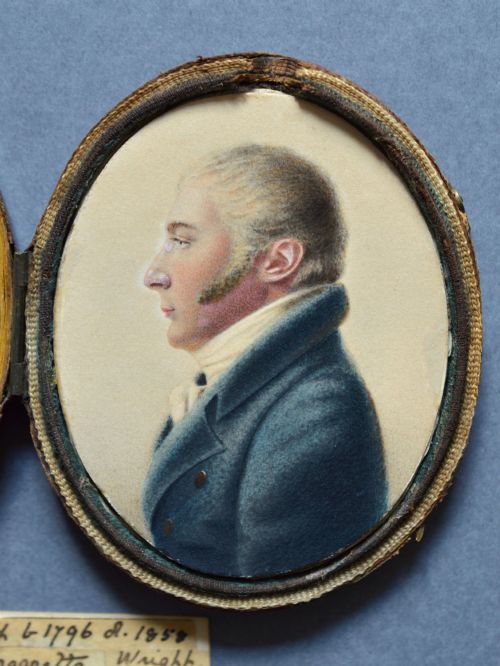
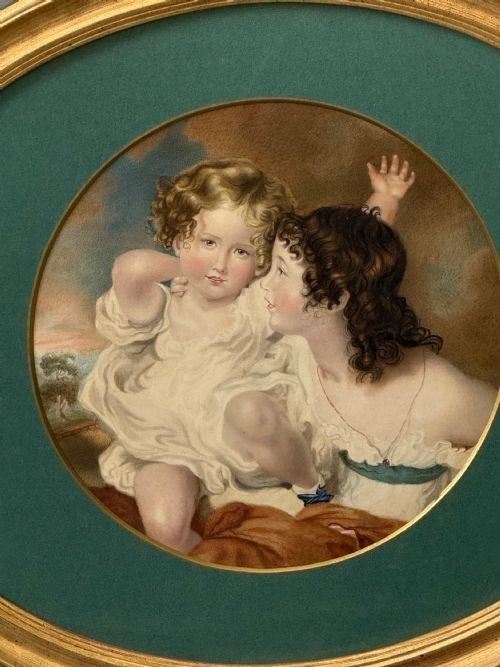
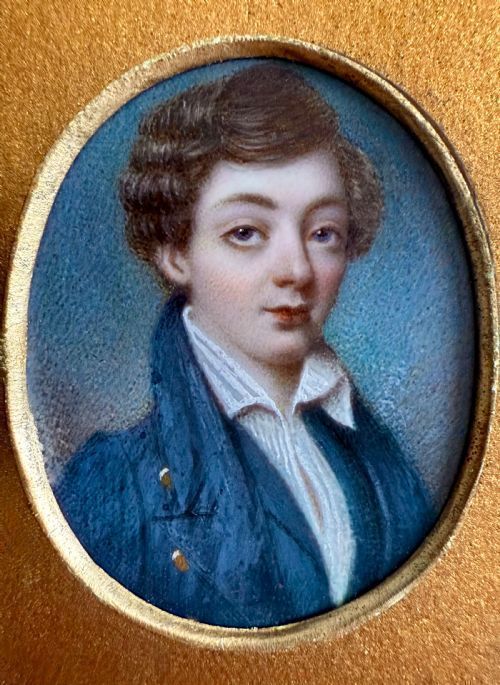
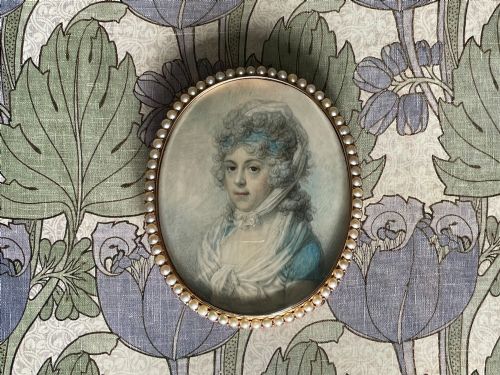
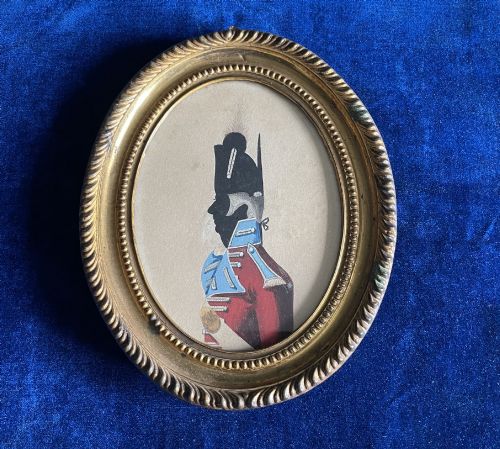
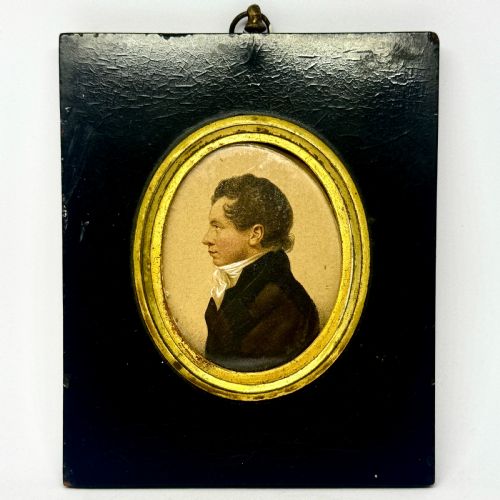
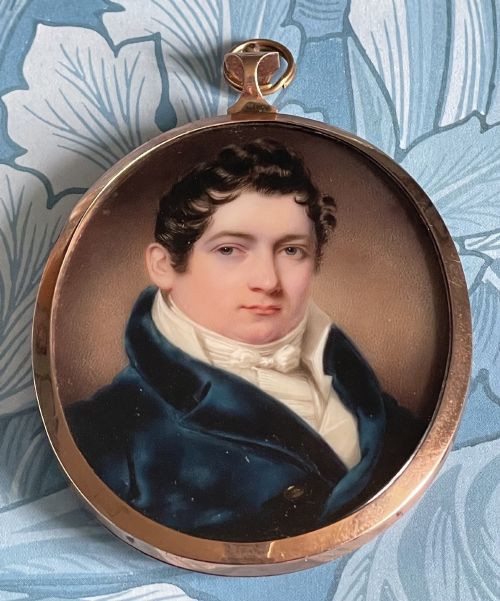
When you search for an oval miniature painting, you encounter small portraits executed across the eighteenth, nineteenth and early twentieth centuries. These works capture sitters in watercolour, enamel, oil and silhouette, spanning Georgian, Regency and Victorian periods.
The majority of pieces you meet on this page are paper or glass supports housed within brass, gilt metal, ebonised wood or gold frames. Portrait miniatures dominate the selection, showing subjects ranging from British figures to Mughal rulers.
Materials and methods
Makers rendered these tiny portraits using watercolour on paper or delicate enamel surfaces, occasionally employing oil paint upon copper or glass. Silhouettes were painted directly onto glass or paper, capturing profiles with ink or pigment.
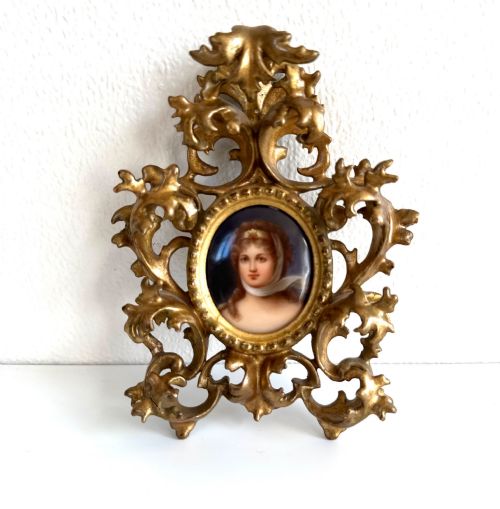
Protective mountings involved brass, gilt metal, wood and gold, often configured as framed artwork, brooches or pendant lockets. Seed pearls and specialised ebonised frames frequently completed the housing for these small works.
Oval Miniature Painting Retail Price Guide 2026
Typical asking prices for oval miniature painting among the pieces listed under this phrase on Sellingantiques today, from the lower quarter to the upper quarter. They describe what is for sale here now, not the wider market.
Listings feature works spanning the eighteenth century through to the Edwardian period, utilising media from watercolour and enamel to pencil.
Assessing the work
The sophistication of the enclosing frame, whether solid gold, chased brass or polished ebonised wood, matches the skill of the portrait within. Signed works and documented attributions elevate the standing of a piece.
James Sharples·Henry Bone·Thomas John Horsley·Richard Cosway·John C D Engleheart·Frederick Buck·William Naish·Nicolas Freese·John Miers
The Oval Miniature Painting Glossary
- Silhouette
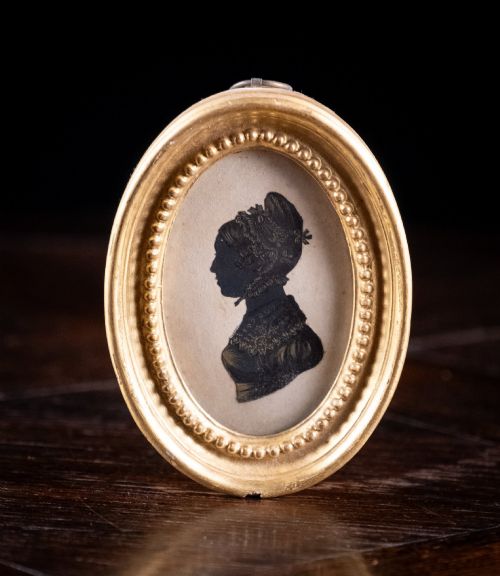
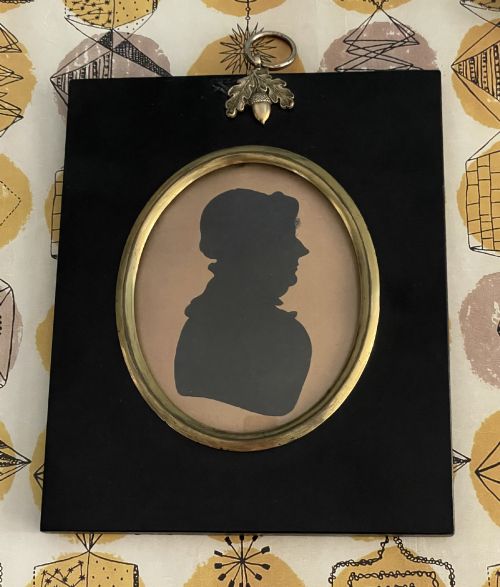
- A solid dark profile portrait, usually cut from paper or painted on glass. These monochrome likenesses gained popularity during the Georgian and Regency eras.
- Enamel
- A glassy substance fused to a metal backing through high heat. Henry Bone utilised this technique for durable, luminous portrait miniatures.
- Locket
- A small ornamental case worn on a chain or as a brooch. Many oval miniature paintings were built directly into these hinged gold or gilt metal pendants.
- Reverse painted
- An application of pigment to the rear side of a piece of glass so the image is viewed through the transparent pane. This method protected the delicate paint surface from damage.
Oval Miniature Painting: Frequently Asked Questions
How were oval miniature paintings worn?
Many of these small portraits were mounted as pendants, lockets or brooches designed to be worn close to the heart. Sitters often commissioned them to keep the likeness of a family member near during travels.
Protective cases made from gold, brass or ebonised wood kept the fragile watercolour or enamel surfaces safe from daily wear while being displayed on clothing.
What is a reverse painted glass miniature?
This technique involves applying pigment directly to the back of a glass pane so the finished portrait appears through the smooth front surface. Artists utilised this method to give the image a glossy finish and shield the paint from moisture.
Pieces executed this way frequently date from the Georgian and Regency periods, often taking the form of silhouettes or memorial portraits.
How do I identify a Georgian miniature?
Georgian examples typically feature powdered hair, high collars and clothing styles specific to the late eighteenth and early nineteenth centuries. The framing often consists of simple ebonised wood or thin gilt metal mounts.
Signatures or contemporary handwritten notes on the reverse of the paper or frame frequently provide clues to the exact date and sitter.
Are these paintings executed on paper?
While many artists used fine paper or vellum for watercolour portraits, others painted on enamel, copper or glass. The choice of ground depended on the period and the specific technique the artist preferred.
Enamel versions present a glossy, ceramic-like finish, whereas paper supports show a matte texture beneath the protective glass of the frame.