


Georgian Lady Miniature
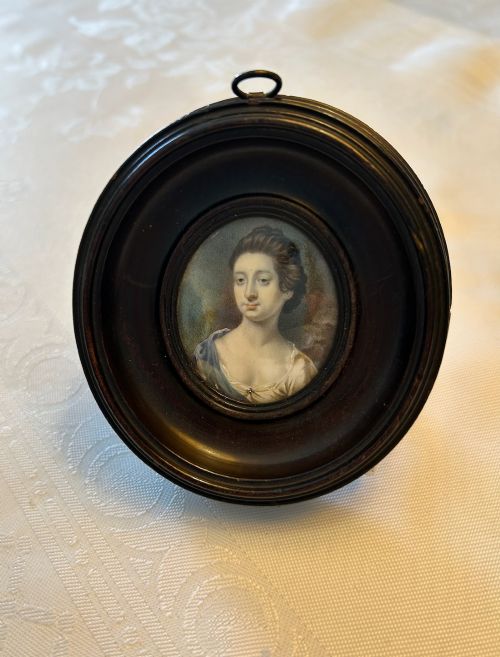
A georgian lady miniature is a small, hand-painted portrait capturing a woman of the period with intimate precision.
Georgian Lady Miniature
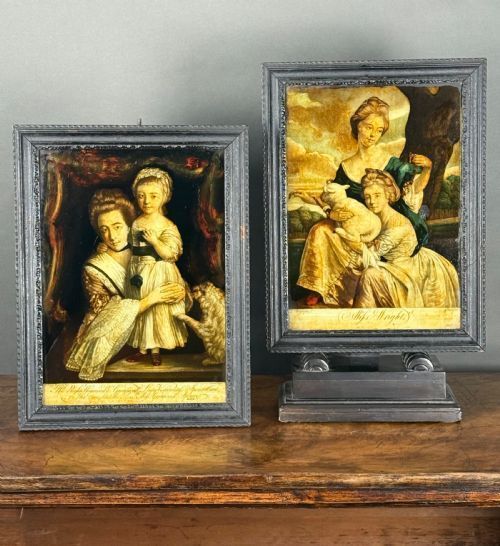
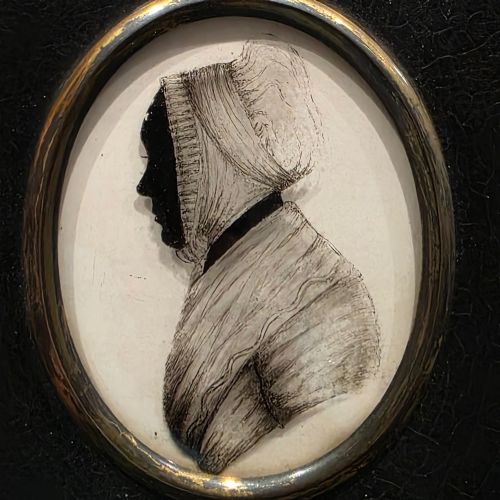
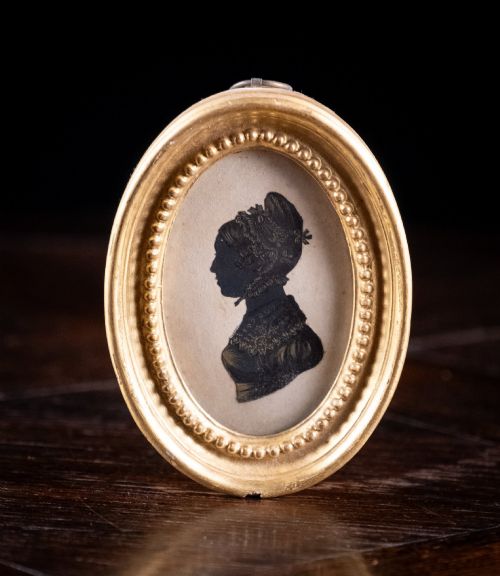
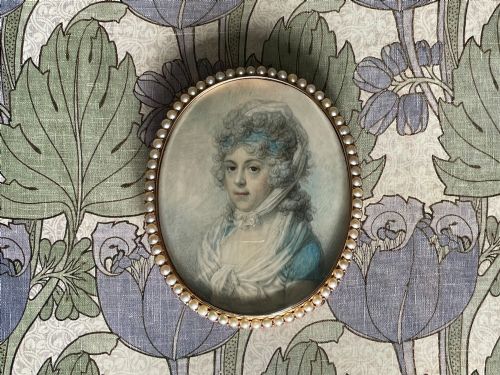
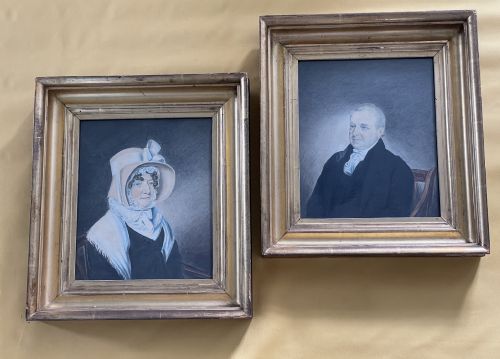
When searching for a georgian lady miniature, collectors encounter small-scale portraits spanning the eighteenth and nineteenth centuries, including Regency and Victorian eras. These works appear primarily as framed wall art, oval portrait miniatures, and delicate silhouette studies.
The subjects range from named sitters like Lady Godolphin and Mrs Grace Williams to unrecorded sitters depicted in lace caps, turbans, and riding habits. Most examples on this page date from the Georgian and Regency periods, rendered on paper, ivory, and glass.
How They Were Made
Artists utilised watercolour, gouache, pastel, and oil paints applied to paper, ivory, porcelain, and copper bases. Reverse painting on glass and meticulous silhouette cutting formed alternative methods for capturing profile likenesses.
Frames play a structural and aesthetic role, constructed from ebonised wood, rosewood, brass, and giltwood to protect and present the delicate painted surface.
One exceptional portrait connects directly to the historical origins of Earl Grey tea and Lord Byron.
What Varies in Quality
The preservation of the original pigment, the tightness of the mounting, and the integrity of the period frame - whether ebonised wood or gilded brass - influence the overall standing of the piece.
Richard Cosway·William Naish·Nicolas Freese·George Atkinson·George Hargreaves·Archibald Skirving·Thomas Woolnoth·William Grimaldi·Henry Jacob Burch·Ozias Humphry·Lady Francis Herbert·Isaac Wane Slater·Jeremiah Steele
The Georgian Lady Miniature Glossary
- Silhouette
- A solid dark profile portrait, often cut from paper or reverse painted on glass. These shadow portraits gained popularity during the Georgian era.
- Ivory miniature
- A small portrait painted on a thin slice of prepared ivory. The translucent quality of the material lends a luminous depth to skin tones.
- Reverse glass mezzotint
- An image transferred and painted on the underside of a glass panel. This technique created a glossy, protected finish popular in the eighteenth century.
- Ebonised wood
- Timber stained to imitate ebony, commonly used for framing miniature portraits. It provides a dark, contrasting border that draws the eye inward.
Georgian Lady Miniature: Frequently Asked Questions
How were these miniatures originally displayed?
These small portraits were typically hung in intimate domestic spaces, grouped in arrangements on drawing room walls, or worn as personal jewellery such as stick pins.
Their portable scale allowed owners to carry likenesses of family members and notable figures while travelling.
What materials are common in these portraits?
Painters worked on ivory, paper, porcelain, and copper, using watercolour, gouache, and oil. Silhouettes utilised glass and card.
Frames were fashioned from rosewood, ebonised wood, and gilded brass to protect the fragile surfaces.
How do I date a miniature portrait?
Dating relies heavily on costume, hair styling, and framing techniques. High collars, lace caps, ringlets, and turban caps point precisely to Georgian and Regency fashions.
Backing papers, artist signatures, and period inscriptions also provide reliable chronological markers.
How should I care for a miniature?
Keep miniatures away from direct sunlight to prevent the fading of delicate watercolours and gouache pigments. Stable humidity protects organic materials like ivory and paper from warping.
Display them in secure, climate-controlled environments away from damp walls.