


Gilt Metal Portrait Miniature
A gilt metal portrait miniature captures a vanished face in miniature, offering a tangible link to Georgian and Victorian sitters.
Gilt Metal Portrait Miniature
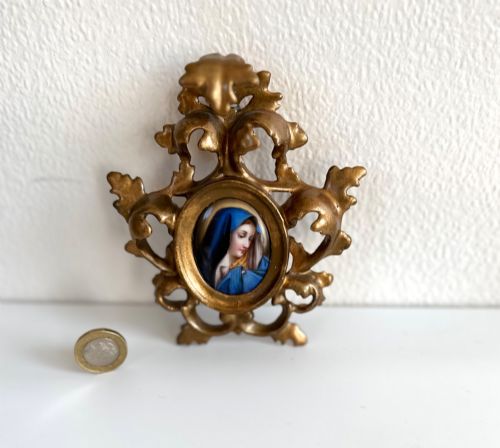
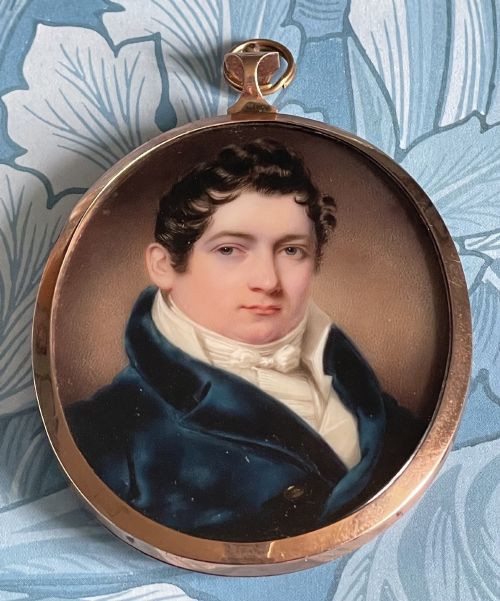
A gilt metal portrait miniature brings together small-scale painting and polished metal framing, often created in oval or rectangular formats. These portable likenesses depict notable figures, naval officers, or unnamed sitters from the eighteenth and nineteenth centuries.
You will most commonly encounter pieces housed in brass, gilt bronze, or gilt metal surrounds, occasionally paired with glass fronts and velvet backings. The selection spans Georgian works through to Victorian Rococo Revival interpretations and French Second Empire examples.
Beyond standalone framed paintings, the category includes miniature paintings set within jewellery caskets or mounted on dedicated gilt metal stands. The subjects range from watercolour studies to delicate oil paintings and enamel works.
Materials and construction
Artists painted these delicate likenesses using watercolour, gouache, or oil on prepared surfaces such as paper, card, or ivory. The resulting image was then sealed behind protective glass to prevent dust and moisture from damaging the pigment.
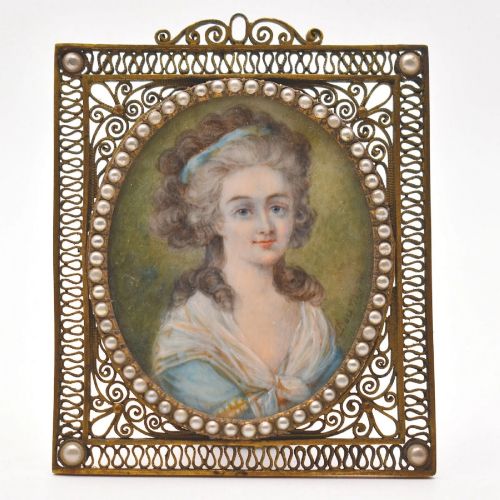
The surrounding frames utilise cast and chased gilt metal, brass, or gilt bronze, sometimes enhanced with seed pearls or velvet linings. Casket mounts and easel stands incorporate similar metalworking techniques to secure the miniature securely.
At least one portrait immortalises a naval officer keeping a perpetual watch from his oval metal frame.
Assessing quality and execution
The skill of the brushwork largely defines the merit of a piece, distinguishing confident portraiture from stiffer, less refined renderings. Finer miniatures capture subtle skin tones, realistic fabric textures, and distinct facial expressions with remarkable precision.
The weight, casting crispness, and finishing of the gilt metal frame contribute significantly to the overall presence of the object. Heavier cast bronze surrounds and detailed ornamentation indicate higher standards of craftsmanship compared to plain pressed metal mounts.
John C D Engleheart·Dumont·William Naish·Emma Kendrick·Henry Jacob Burch·Diana Hill
The Gilt Metal Portrait Miniature Glossary
- Gilt metal
- A base metal treated with a gold wash or mercury gilding to impart a rich golden finish. This material provided a durable and decorative housing for delicate paintings.
- Miniature painting
- A detailed artwork executed on a very small scale, requiring fine brushes and steady hands. These works often captured likenesses before the widespread adoption of photography.
- Gouache
- An opaque water-based paint that dries to a matte finish, frequently employed alongside watercolour in miniature portraits. It allowed artists to build up highlights and dense background colours.
- Rococo Revival
- A nineteenth-century design movement drawing inspiration from eighteenth-century French styles, characterised by asymmetrical scrolls and florid ornamentation. Frames from this period often display exuberant cast metal foliage.
Gilt Metal Portrait Miniature: Frequently Asked Questions
How were portrait miniatures displayed?
These small works were designed to be carried in pockets, worn as jewellery, or displayed on desks using attached stands. Many also featured rings or loops for suspension.
Over time, owners placed them on mantelpieces or hung them in intimate spaces within the home, allowing for close contemplation of the sitter.
What subjects appear in these paintings?
Sitters include military officers, society ladies, gentlemen, and religious figures such as the Madonna. Some depict specific named individuals, while others remain anonymous.
Artists also occasionally painted genre scenes or copied established works, such as pastoral compositions after Boucher.
How do I distinguish Georgian from Victorian pieces?
Georgian examples often feature restrained framing and simpler watercolour techniques typical of the eighteenth century. Sitters wear characteristic period attire like lace collars or powdered wigs.
Victorian pieces frequently display heavier cast frames, sometimes reflecting Rococo Revival tastes with elaborate scrolls. The painting style and clothing fashions help confirm the manufacturing era.
Can I clean the glass on a miniature?
Cleaning should be approached with extreme caution to avoid disturbing the fragile seals around the glass. Moisture or dust entering the interior can permanently ruin the delicate paint surface.
It is safest to leave the inner components undisturbed and only gently dust the exterior metal frame with a soft, dry cloth.