


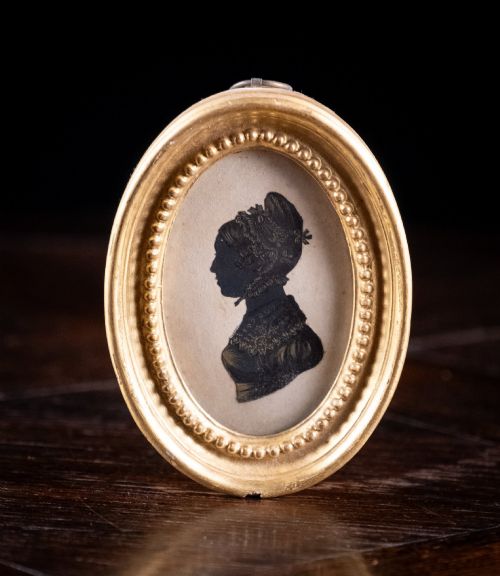
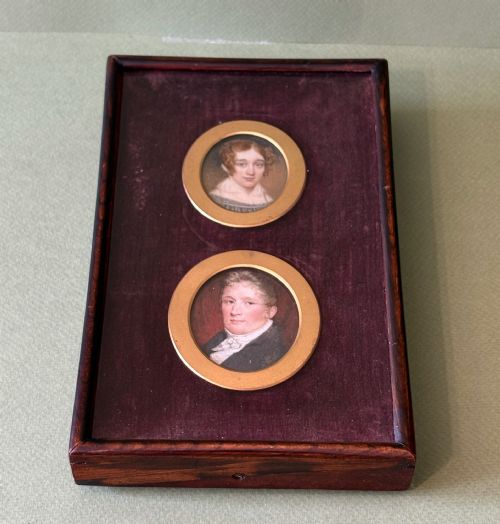
Miniature Portrait Painting
These small likenesses carry centuries of private identity, offering an intimate glimpse into past lives through delicate brushwork.
Miniature portrait painting
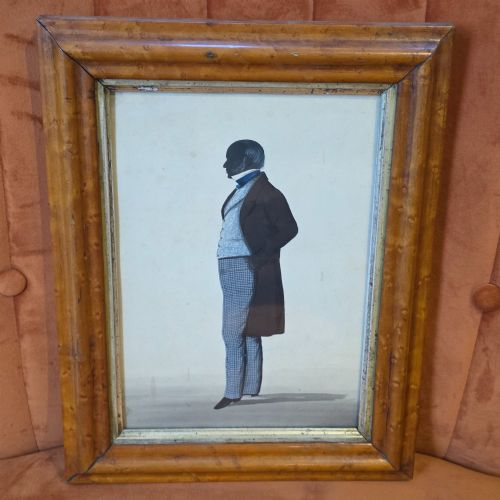
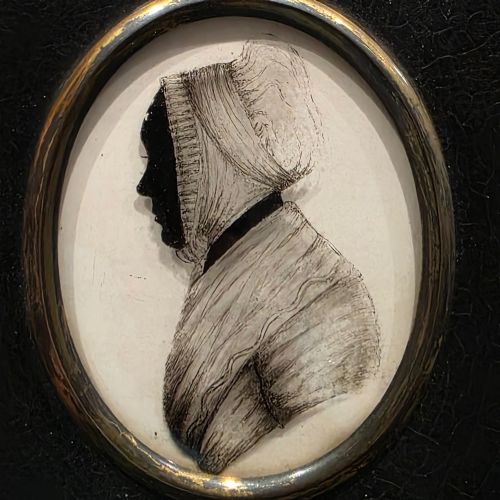
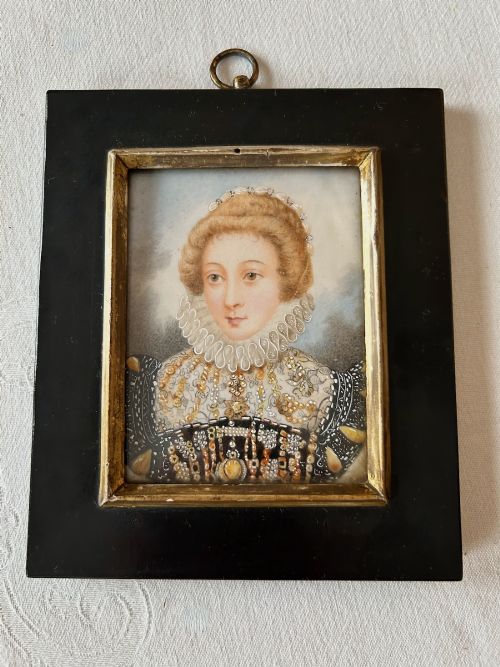
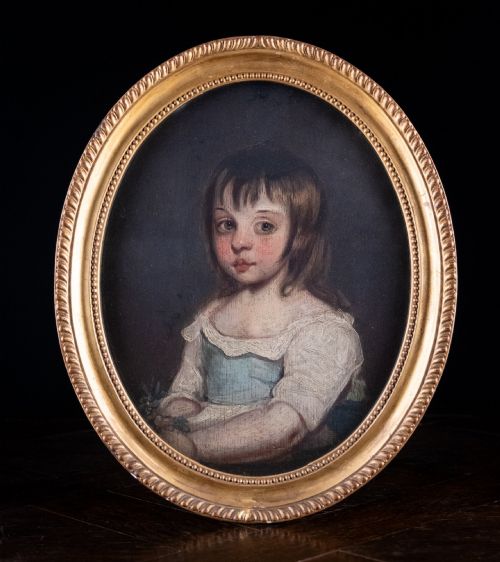
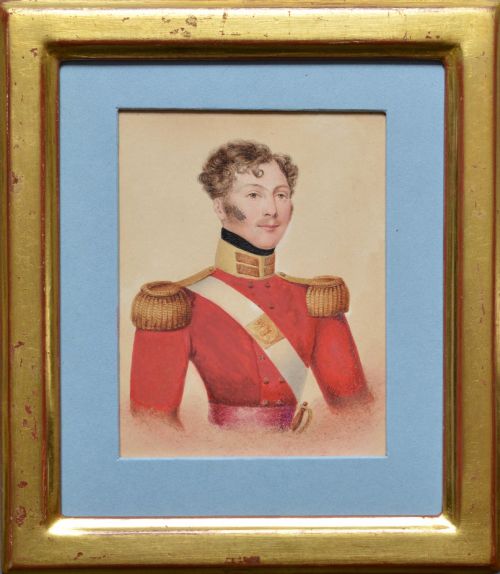
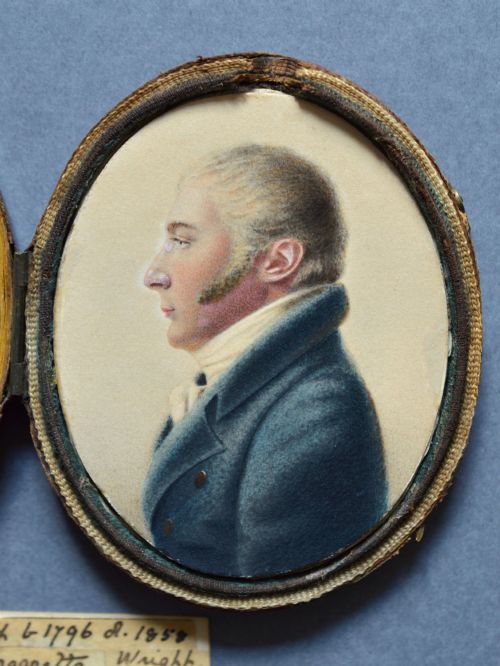
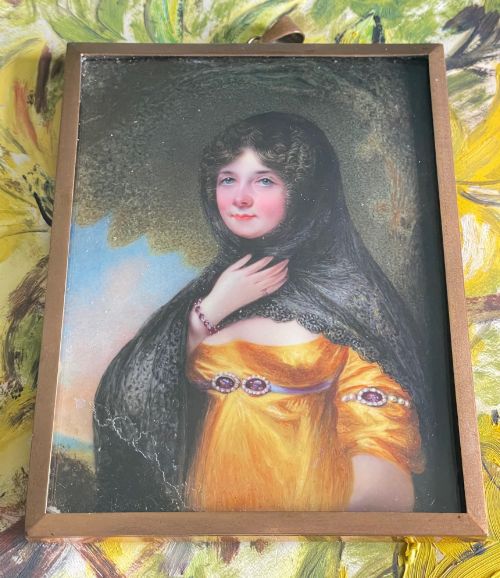
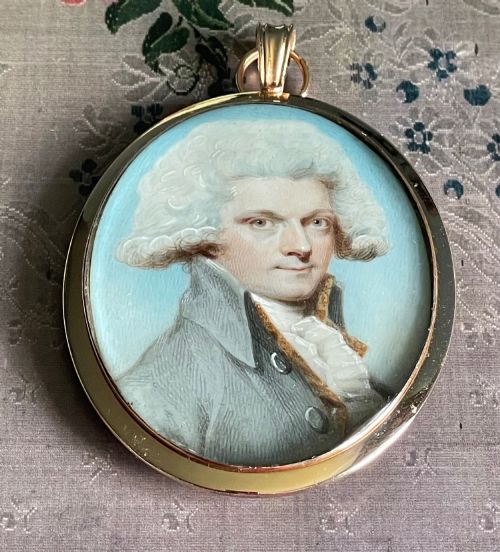
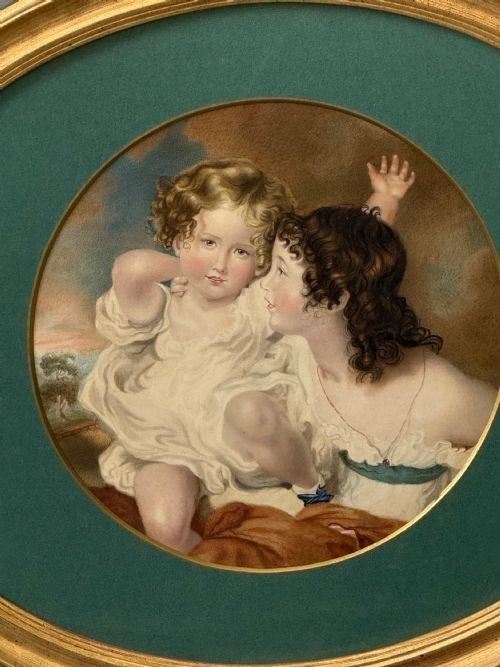
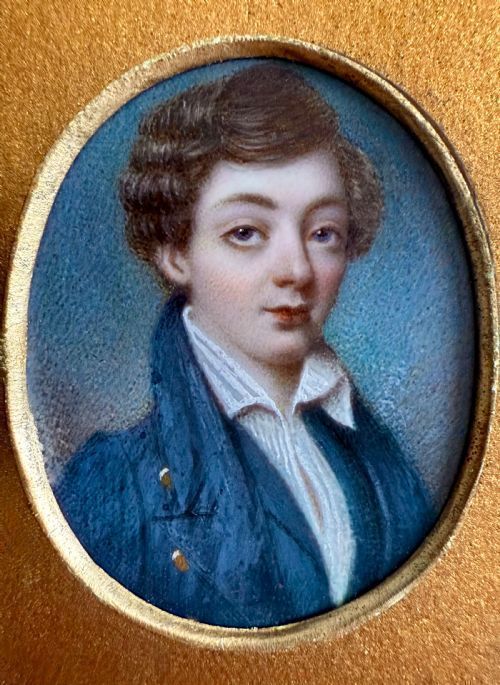
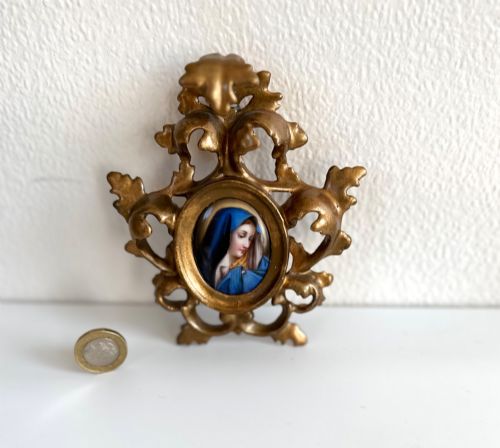
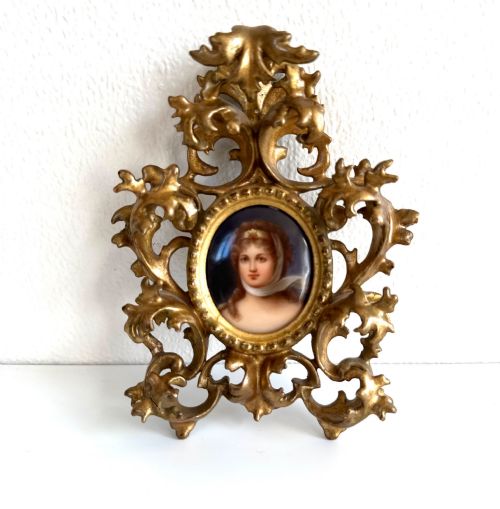
The subjects range from formally dressed gentlemen and young ladies with ringlets to historical figures and religious icons. Many pieces retain their original mountings, including brass frames, ebonised wood, and brooch mounts designed for personal wear.
How they were made
Artists applied watercolour, gouache, oil, or pencil onto delicate surfaces such as ivory, paper, glass, metal panels, copper, and card. Each medium required immense control at a tiny scale, often utilising fine sable brushes to render facial expressions and costume details.
Framing and protection were integral to the construction, with pieces typically set behind glass within gilt wood, rosewood, or papier-mâché frames. Metal panels and ivory sheets provided smooth grounds that allowed for highly detailed stippling and linear work.
Retail Price Guide 2026
Typical UK retail prices for miniature portrait painting, calculated from the Sellingantiques database of over a million retail prices indexed since 2003. This retail price guide relies exclusively on Sellingantiques data; no external sources or auction records are used, so the figures do not describe the wider market.
One historical sitter managed to squeeze an entire royal lineage and a lace collar into a space smaller than a playing card.
What varies in quality
The sophistication of the brushwork largely defines the standard of a piece, distinguishing stiff likenesses from those with living depth in the eyes and skin tones. Handling of light and shadow, particularly in fabrics like lace and velvet, reveals the true hand of a skilled miniaturist.
Condition and originality of the surrounding frame matter immensely, as intact glass and period mounts preserve the integrity of the delicate pigments within. Works signed by known artists or retaining period documentation command greater artistic interest.
Samuel Cotes·John Michael Wright·Patrick Wybrant·G. Marshall Mather
The Miniature Portrait Painting Glossary
- Grisaille
- A painting executed entirely in shades of grey or neutral monochrome, often used to create the illusion of sculpture.
- Gouache
- An opaque water-based paint that provides solid, matte coverage, frequently combined with watercolour in miniature works.
- Ivory
- A smooth organic material commonly used as a painting surface in the eighteenth and nineteenth centuries for its luminous quality.
- Ebonised
- Wood treated with a finish to imitate expensive ebony, popular for dark, contrasting framing on small portraits.
Frequently Asked Questions
How were miniature portraits displayed?
Owners usually hung these small works closely together on private walls or kept them inside fitted travel cases. Some were mounted directly into brooches to be worn against the clothing.
This portability allowed sitters to carry likenesses of family members or spouses across long distances during travel.
What materials were used for the painting surface?
Artists painted on thin slices of ivory, prepared paper, card, and metal panels such as copper. Each surface gave a distinct texture and luminosity to the finished portrait.
Glass and celluloid also appeared in later examples to protect the delicate pigments from dust and moisture.
How do I identify the period of a piece?
Costume, hairstyles, and framing styles offer the clearest clues to a portrait's date of origin. High collars, powdered wigs, and Regency bonnets align with specific decades in the historical record.
The backing materials and fastening methods of the frames also shift noticeably between the Georgian and Victorian eras.
Are these works signed by the artists?
Some pieces bear signatures or initials, either hidden near the edge of the painted surface or inscribed on the reverse. Many surviving works remain anonymous, executed by regional schools or skilled amateurs.
Attributions often rely on stylistic comparison with documented works from the same period.