


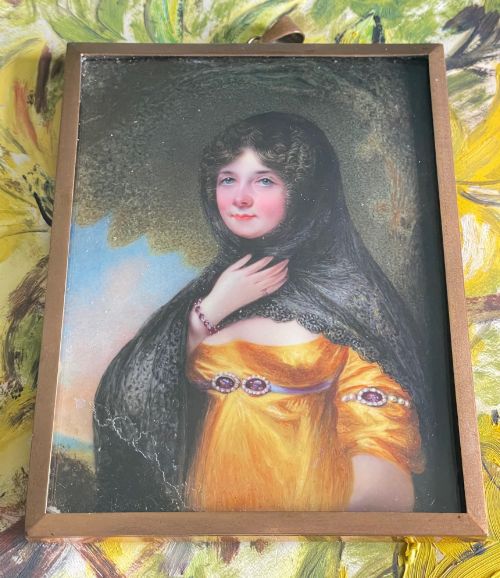
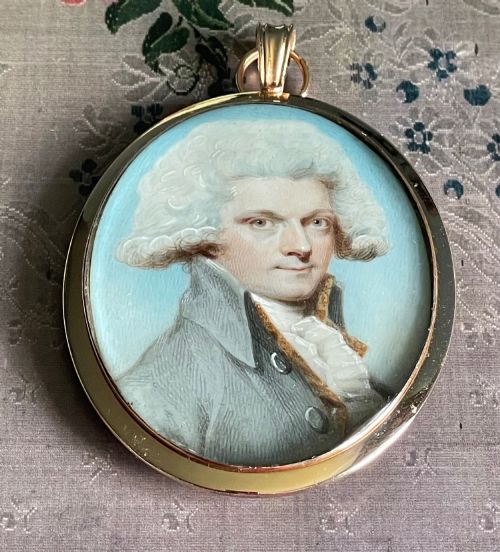
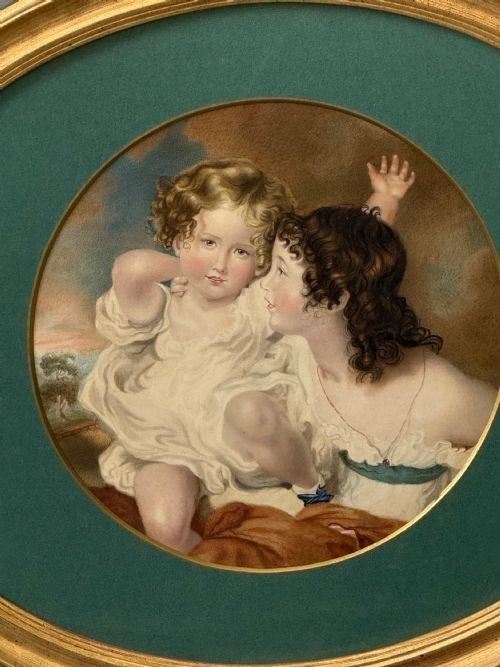

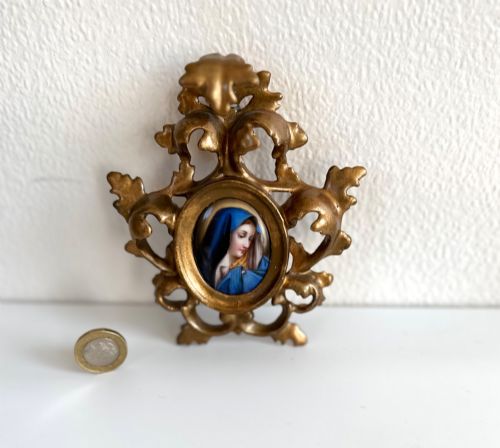

Gold Framed Miniature
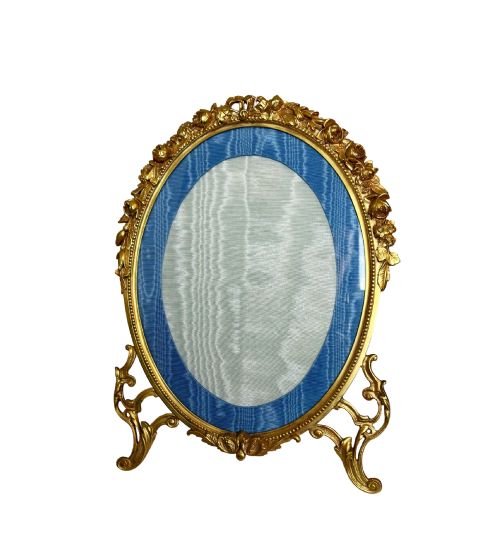
A gold framed miniature offers an intimate portrait in miniature, prized for its delicate brushwork and rich metal casing.
Understanding a gold framed miniature
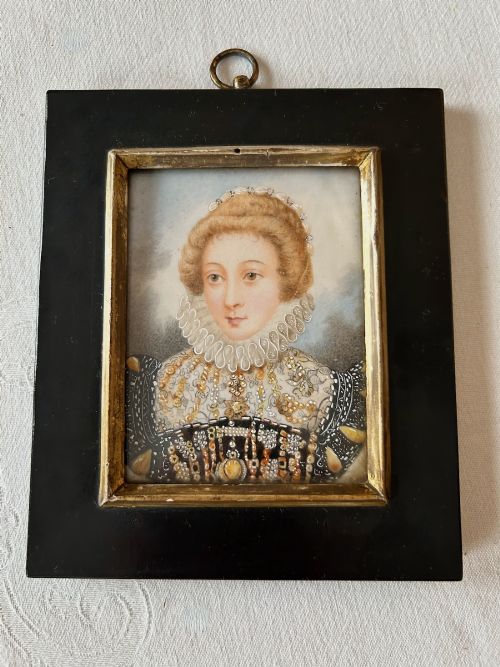
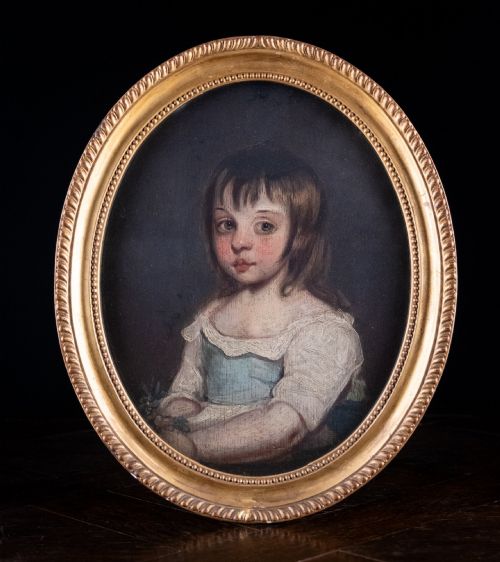
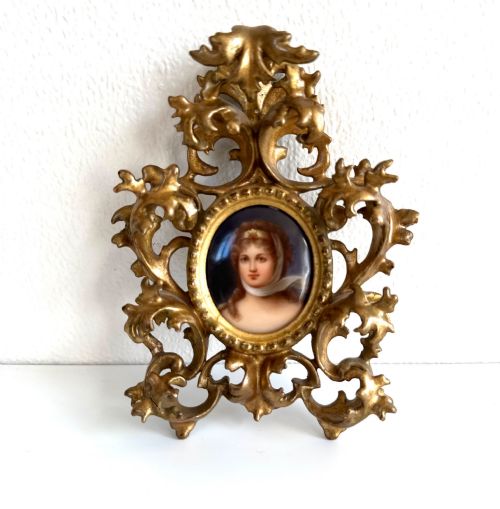
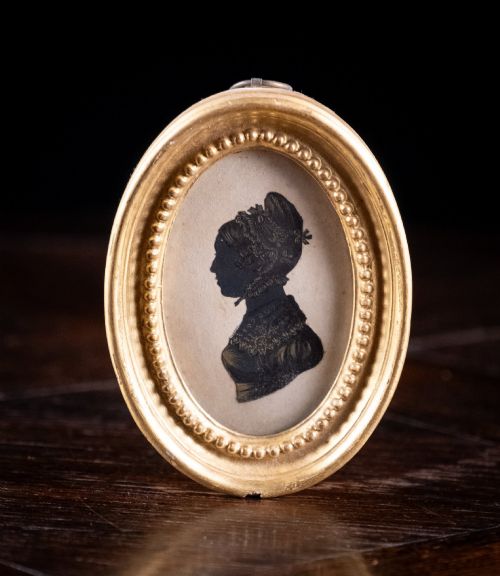
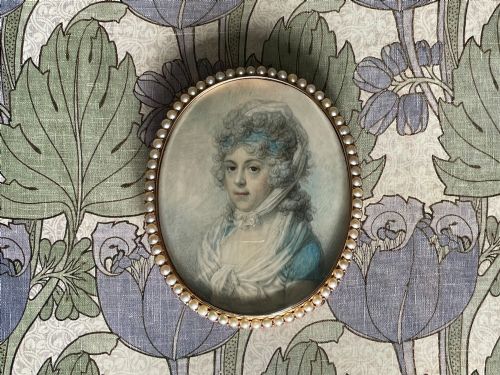
A gold framed miniature captures the likeness of a sitter through detailed painting on ivory or glass, set within a precious metal surround. These works span the eighteenth and nineteenth centuries, taking the form of portrait miniatures and miniature paintings.
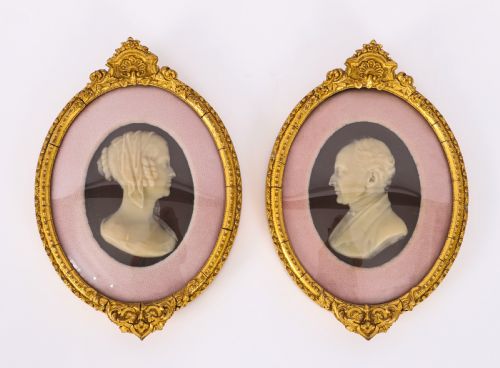
Buyers will encounter distinct stylistic periods on this page, including Georgian, Regency, and Victorian eras. The subjects range from aristocratic sitters to narrative scenes after Boucher, housed in gilt metal, gold, or gilt wood frames.
The historical scope reaches from the late eighteenth century into the mid nineteenth century. Each piece reflects the aesthetic shifts of its period, moving from restrained Georgian portraiture towards later nineteenth century interpretations.
Materials and construction
Makers produced these works using watercolour applied directly to thin sheets of ivory or protective glass. This technique required immense precision due to the microscopic scale of the surface.
Surrounding housings utilise gold, gilt metal, and occasionally gilt wood or velvet backing. These materials protected the fragile painted surface while providing a decorative border suited to display.
Retail Price Guide 2026
Typical UK retail prices for gold framed miniature, calculated from the Sellingantiques database of over a million retail prices indexed since 2003. This retail price guide relies exclusively on Sellingantiques data; no external sources or auction records are used, so the figures do not describe the wider market.
One delightful miniature depicts birding after Boucher, proving that even tiny portraits needed a dash of feathered drama.
Assessing quality
The material integrity of both the painting and its gold frame influences the standing of the piece. Well preserved watercolour surfaces beneath clear glass maintain their original pigment intensity without fading or disruption.
Frederick Buck·George Engleheart·William Grimaldi·Henry Jacob Burch
The Gold Framed Miniature Glossary
- Miniature painting
- A small scale artwork executed with fine brushes, typically depicting portraits or narrative scenes. These require specialised techniques to achieve detail in a restricted space.
- Watercolour on ivory
- A traditional medium where water soluble pigments are layered over a prepared slice of elephant ivory. The translucent quality of the material lends a natural luminosity to skin tones.
- Gilt metal
- Base metal treated with a thin layer of gold to give the appearance of solid precious metal. It provided a durable and cost effective framing solution for portable portraits.
- Georgian period
- The era spanning the reigns of the four Georges, characterised by distinct neoclassical and Rococo design influences. Portrait miniatures from this time often exhibit refined restraint.
- Regency period
- A distinct stylistic phase within the early nineteenth century noted for classical elegance. Pieces from this era reflect evolving fashions in dress and portrait composition.
Frequently Asked Questions
What are portrait miniatures painted on?
Artists typically painted these small portraits on thin sheets of ivory or protective glass using watercolours. The ivory surface imparts a warm, translucent glow to the painted skin tones.
Some examples also utilise paper or vellum, though ivory remains the predominant material found across eighteenth and nineteenth century works.
How were these small portraits worn or displayed?
Owners often wore them as personal jewellery suspended from ribbons, pinned to clothing, or carried inside pockets as tokens of affection. They were also displayed on tables or hung in private rooms.
The inclusion of a gold or gilt metal frame with a hanging loop facilitated both portable wear and domestic display.
How do I distinguish Georgian from Victorian pieces?
Georgian miniatures typically feature powdered hair, high waisted attire, and delicate framing associated with the eighteenth century. Victorian examples from the mid nineteenth century show different hairstyles and framing styles.
Examining the costume of the sitter and the construction of the gold frame helps establish the correct historical period.
Are all miniature paintings signed by the artist?
Many fine pieces remain unsigned because the makers considered them personal objects rather than grand gallery works. Attributions rely on stylistic comparison and recorded signatures when present.
Signed works by documented masters carry distinct provenance, while unsigned examples are judged purely on artistic merit and technique.