
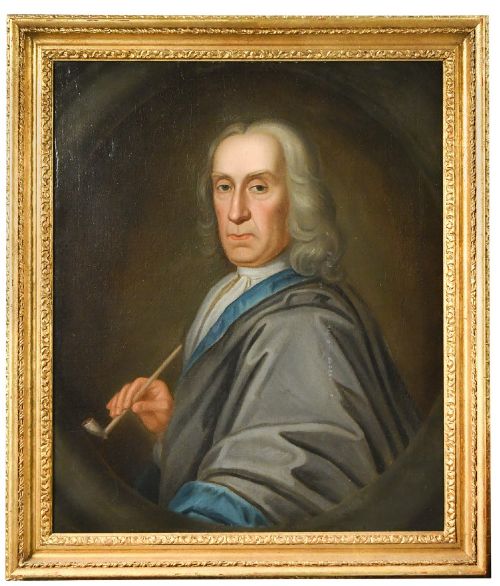

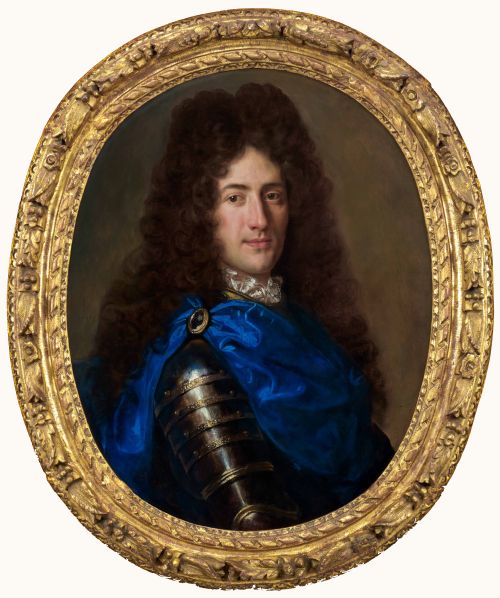

18th Century Style Portrait
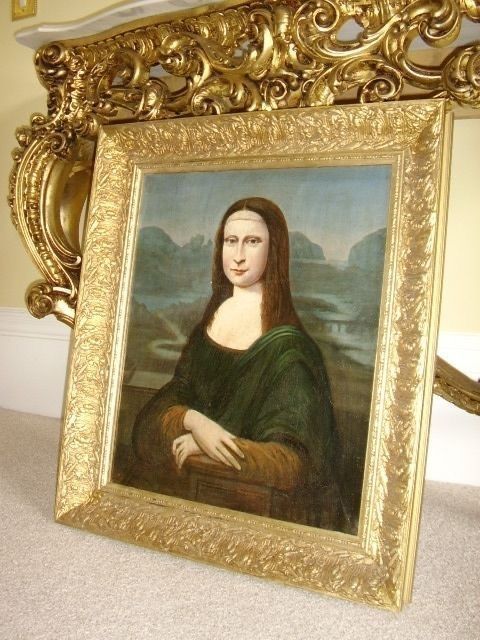
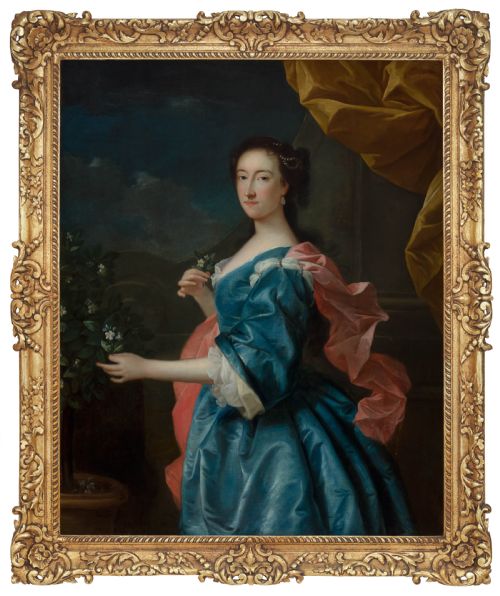
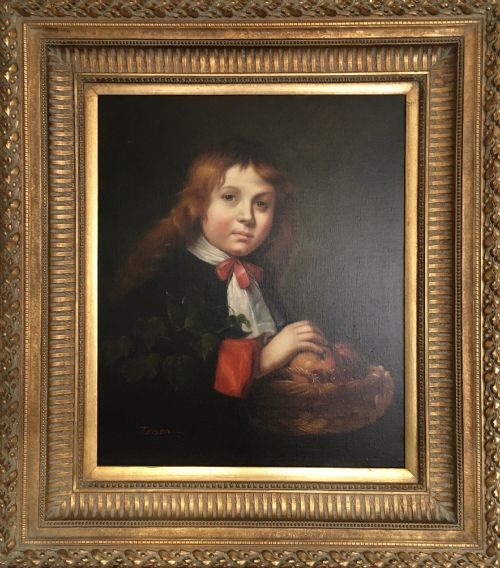
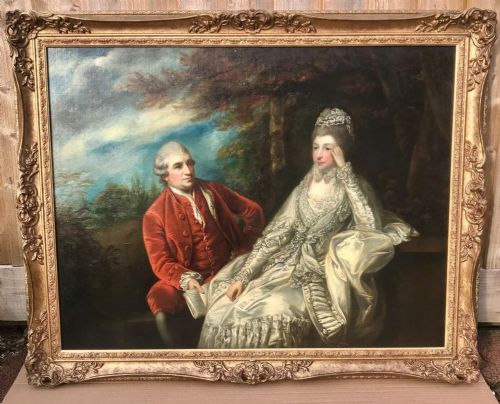
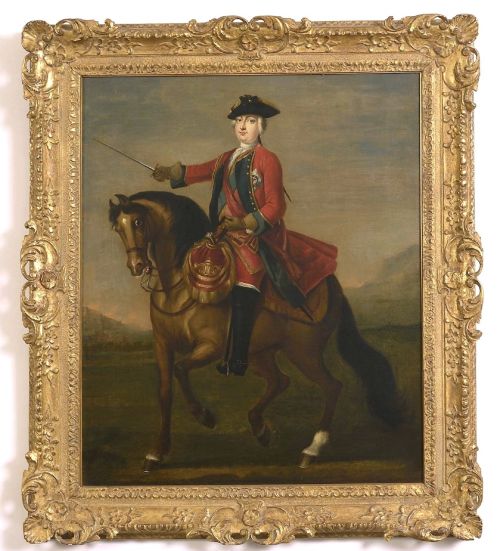
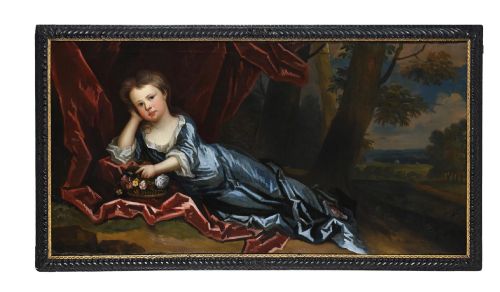
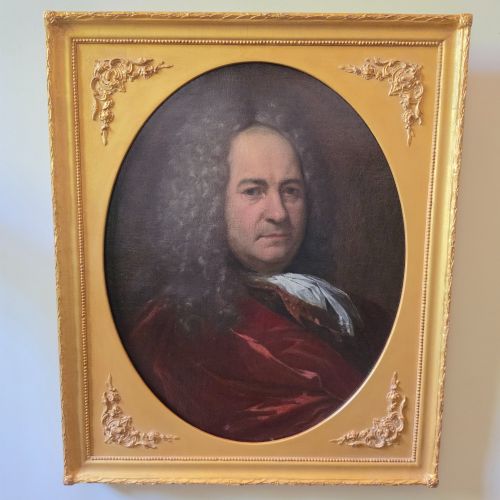
An 18th century style portrait brings the grand aesthetic of earlier centuries into a room through later interpretations, revivals and prints.
What 18th century style portrait pieces are
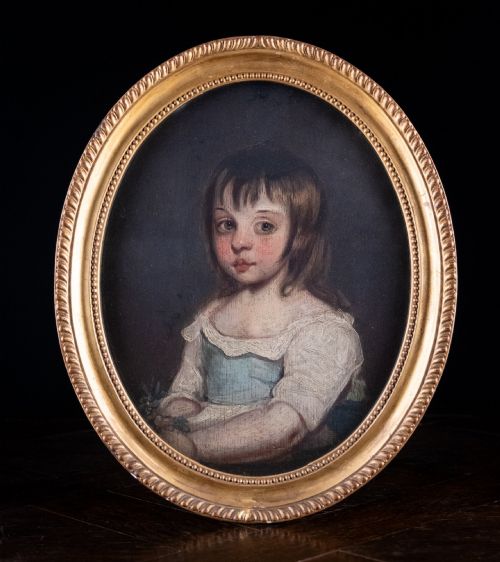
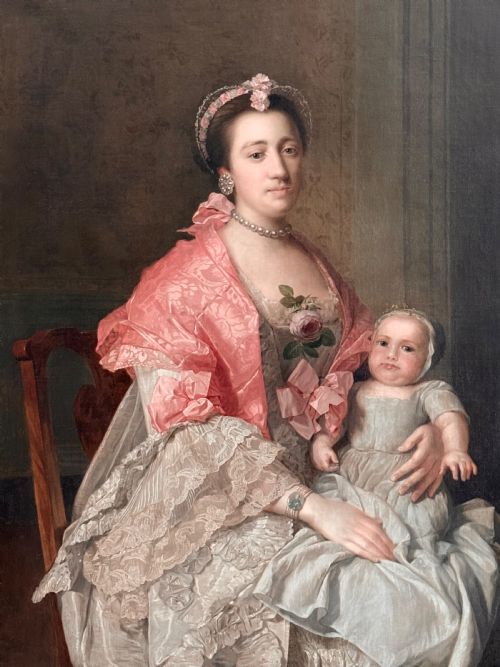
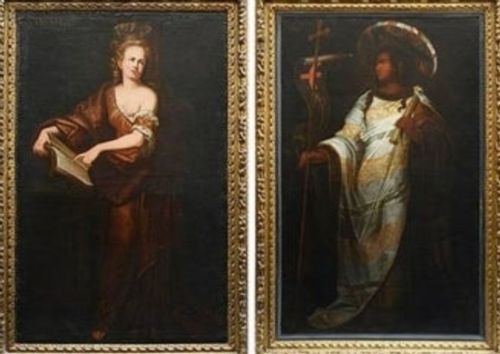
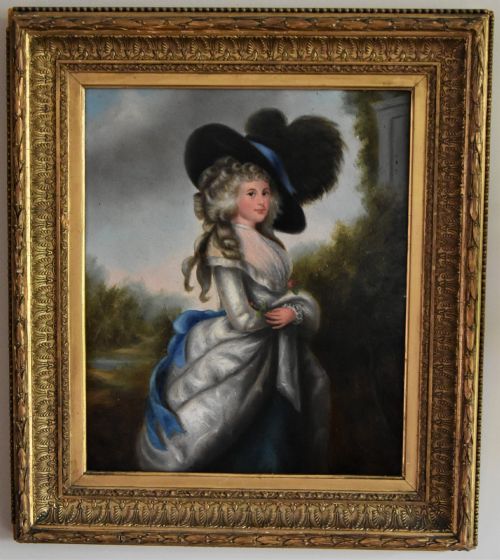
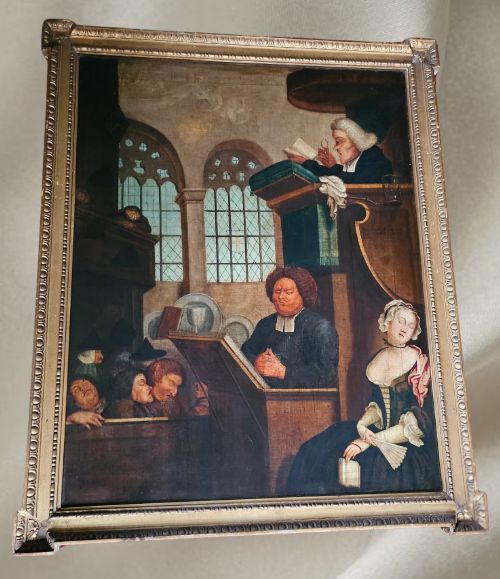
When you search for an 18th century style portrait, you encounter works that evoke Georgian, Regency, French Rococo and Neoclassical visual traditions. The offerings span paintings, miniature paintings, portrait miniatures, framed prints and framed wall art from subsequent eras.
Most examples you meet on this page date from the 19th century, Edwardian period, Victorian era, Regency, 1920 and 1960. These later pieces often copy famous earlier works or reproduce the distinct manners of portraiture associated with past centuries.
The subjects range from young ladies and young boys to specific historical figures such as Jeanne-Agnes Berthelot de Pleneuf, Marquise de Prie, and Joseph François Pierre de Sahuget d'Amarzit d'Espagnac. You also find pairs of portraits depicting a gentleman and his wife in earlier styles.
What varies in quality
The standard of execution in the painted works dictates the visual depth, where hand-painted oil compositions demonstrate finer brushwork and layering than mass-produced prints. The subtlety of tone and detail in smaller formats separates delicate miniature paintings from simpler reproductions.
The quality of the framing materials distinguishes the presentation, with substantial giltwood and polished brass surrounds offering greater material richness than simpler wooden or paper mounts. The fidelity of the copy to the original source painting also influences the overall character of the piece.
Retail Price Guide 2026
Typical UK retail prices for 18th century style portrait, calculated from the Sellingantiques database of over a million retail prices indexed since 2003. This retail price guide relies exclusively on Sellingantiques data; no external sources or auction records are used, so the figures do not describe the wider market.
The listings on this site feature oil, board, canvas, glass, brass and giltwood across Victorian, Edwardian, Regency and 1960s items.
The 18th Century Style Portrait Glossary
- Oleograph
- A type of chromolithograph that has been treated to imitate the texture of an oil painting. The surface often receives a varnish or texture to mimic canvas brushstrokes.
- Miniature painting
- A small-scale artwork requiring fine detail and precise brushwork. These portable pieces were frequently housed in protective frames or cases.
- Giltwood
- Wood that has been coated with a thin layer of gold leaf or gilt powder. It is commonly found on ornate frames designed to complement traditional portraits.
- Georgian
- The period spanning the reigns of the first four Georges, known for specific developments in fine art and interior decoration. Portraits from this era display distinct stylistic conventions.
- Regency
- The historical period characterised by elegance and classical influence in British art and architecture. Portraiture from this time often reflects neoclassical tastes.
Frequently Asked Questions
What is an 18th century style portrait?
These works are later artistic interpretations, copies or prints that emulate the portraiture styles popular during the 1700s. They allow collectors to enjoy historical aesthetics without acquiring original works from that century.
Most pieces available were produced during the 19th and 20th centuries by artists and printmakers inspired by earlier masters like Gainsborough, Boucher and Greuze.
How do I date an 18th century style portrait?
Dating relies on examining the materials, backing boards, framing techniques and printing methods used in the object. An item depicting an 18th-century subject often dates to a revival period a hundred years later.
For instance, Edwardian, Victorian or 1960s production methods leave distinct physical evidence on the canvas, board or paper that separates the creation date from the depicted era.
Where were miniature portraits displayed?
Miniature paintings and portrait miniatures were designed to be intimate objects kept close at hand or hung in small groupings on walls. Their compact size suited boudoirs, studies and private drawing rooms.
Framed wall art and miniature pairs often hung in tight arrangements alongside larger oils to create a dense, traditional gallery wall effect.
How do I care for framed wall art?
Preserving these pieces requires keeping them away from direct sunlight and excessive humidity to protect the paper, board, canvas and varnish. Gentle dusting of the giltwood or brass frames helps maintain their finish.
Avoiding moisture on painted or printed surfaces ensures the longevity of both the artwork and the protective varnish layers.