


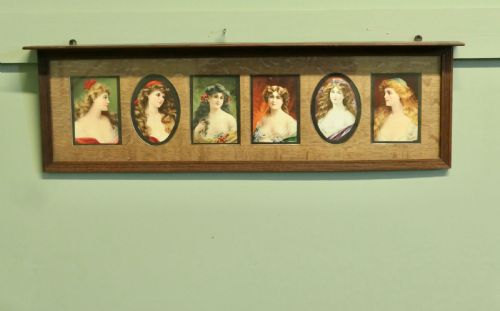

Vintage Portrait Miniature
A vintage portrait miniature is a small painted likeness on ivory, paper or glass, prized for its intimate scale and detailed brushwork.
What a vintage portrait miniature is
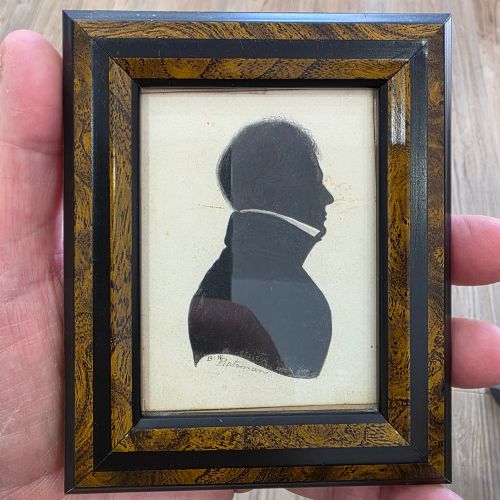
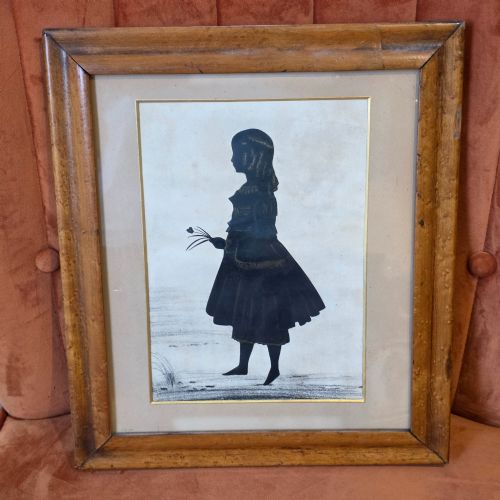
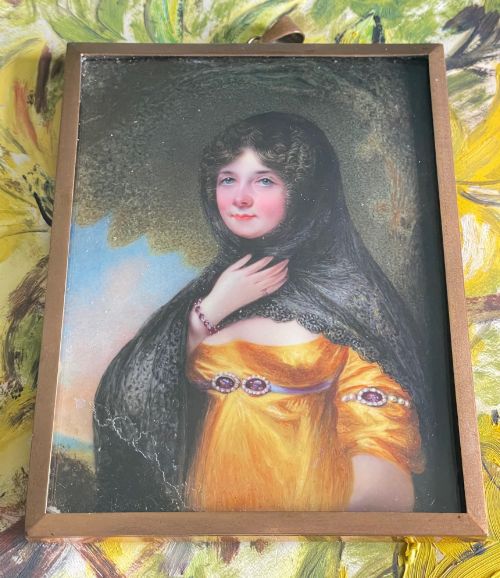
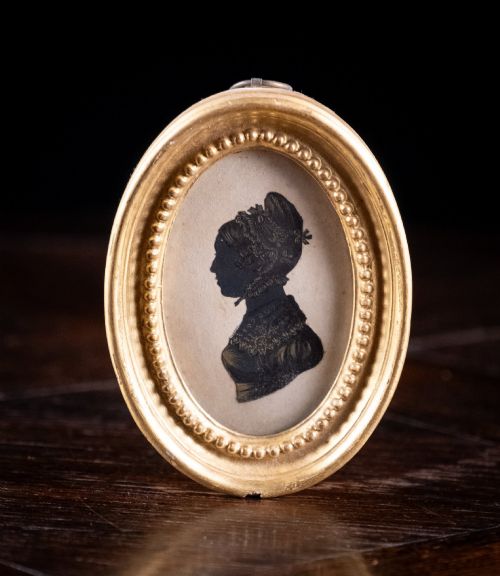
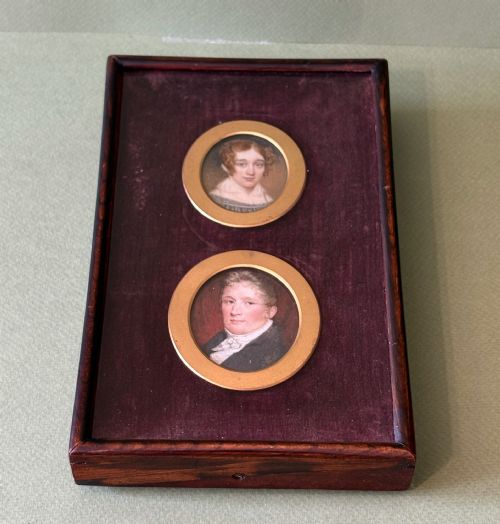
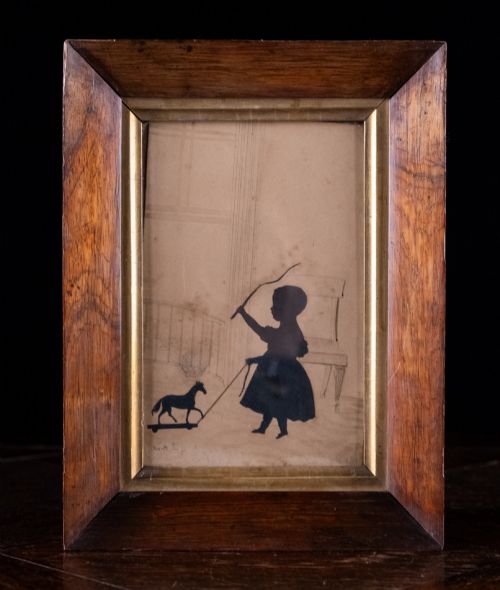
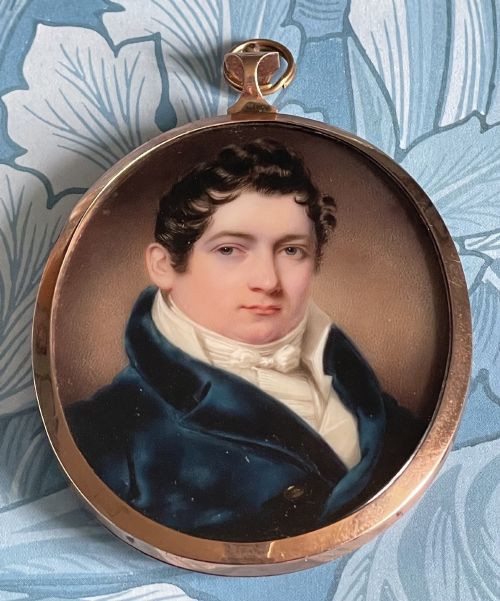
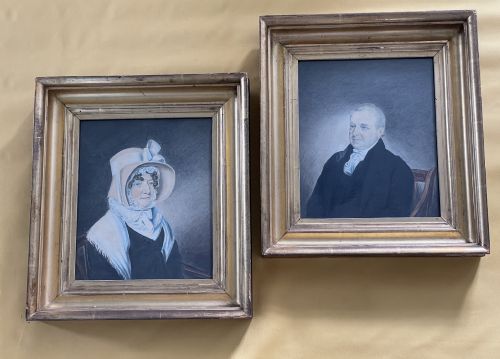
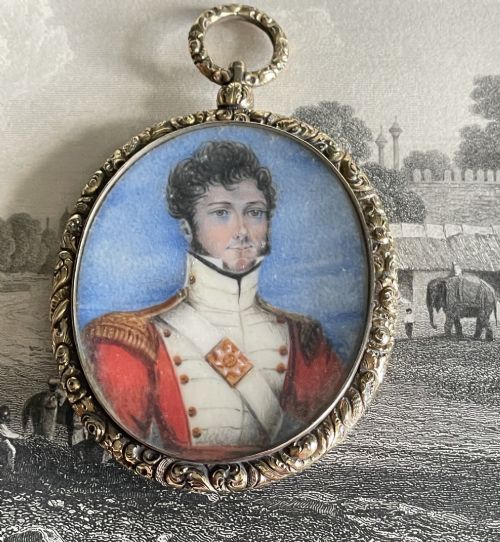
A vintage portrait miniature captures the likeness of an individual on a small scale, usually intended for personal possession or wearing. These hand-painted works range across the nineteenth century, encompassing Georgian, Regency, Victorian, Edwardian and Art Deco periods. Buyers looking for a vintage portrait miniature will find likenesses of ladies, young girls and gentlemen rendered in fine detail.
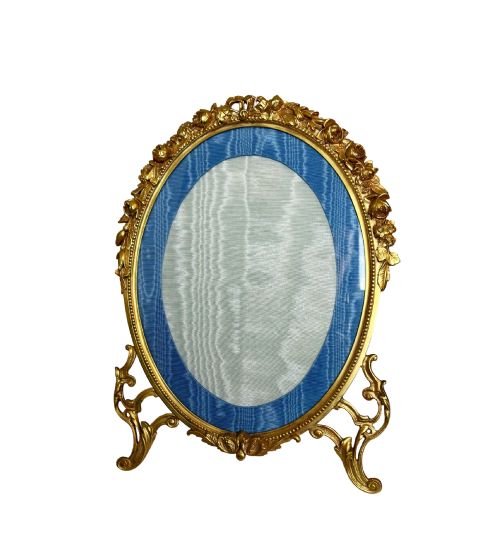
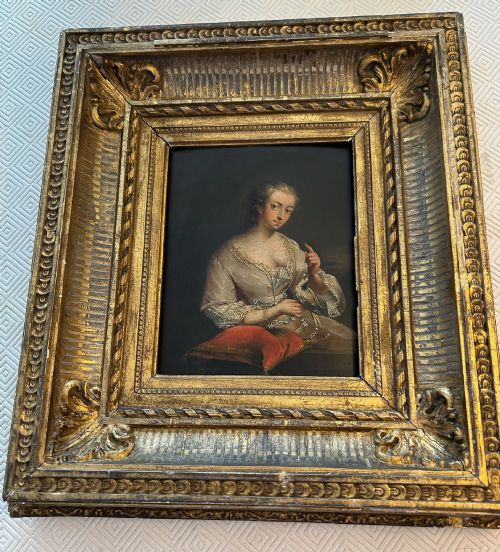
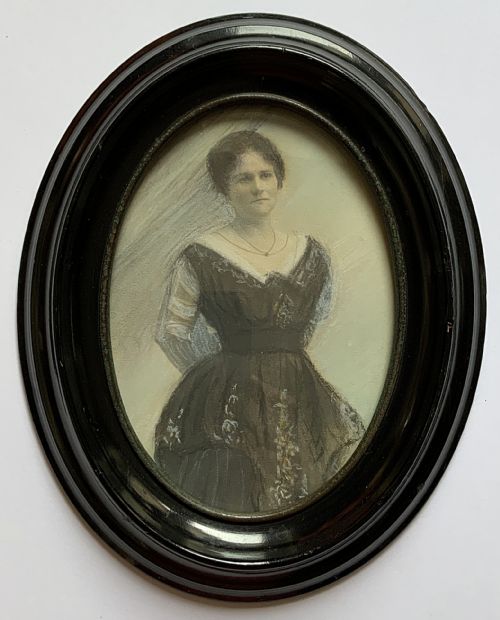
The pieces appearing here include portrait miniatures, fine art and miniature paintings framed in ebonised wood, brass, gilt metal or gilt wood. Subjects wear period attire such as white dresses, blue gowns or ringlets, reflecting the fashion of their time. Alongside traditional watercolour paintings on ivory or paper, the selection accommodates framed fashion prints and miniature oil paintings.
How they were made
Makers produced these works using watercolour applied to surfaces like ivory or paper, or through oil paint on suitable grounds. The delicate nature of the support required steady precision and fine brushes to achieve lifelike facial expressions and costume details on a small scale.
Protective framing formed an integral part of the construction, employing glass fronts held within surrounds of brass, gilt metal, ebonised wood or gilt wood. These materials guarded the fragile painted surfaces from dust and handling while providing a polished presentation.
Retail Price Guide 2026
Typical UK retail prices for vintage portrait miniature, calculated from the Sellingantiques database of over a million retail prices indexed since 2003. This retail price guide relies exclusively on Sellingantiques data; no external sources or auction records are used, so the figures do not describe the wider market.
Some nineteenth-century sitters wore blue gowns with elaborate ringlets.
What varies in quality
The quality of the housing similarly distinguishes the work, with substantial frames in gilt metal, ebonised wood or gold elevating the piece. The choice of original mounting materials contributes significantly to the integrity and visual impact of the miniature.
The Vintage Portrait Miniature Glossary
- Miniature painting
- A small-scale artwork requiring specialised techniques to render fine detail. These works were often executed on ivory, vellum or paper.
- Ebonised wood
- Timber treated to imitate ebony, commonly used for nineteenth-century picture frames. This dark finish provides a strong contrast against gilt elements and pale painted subjects.
- Ivory
- A smooth organic material used as a painting surface for its fine grain and luminous quality. Watercolour applied to ivory yields a characteristic translucent glow.
- Gilt metal
- A base metal treated with a gold-coloured finish or plating. It provides the decorative appearance of solid gold while offering structural rigidity for small frames.
Frequently Asked Questions
What is a portrait miniature?
A portrait miniature is a small, highly detailed painting depicting a person, created during the Georgian, Victorian and later periods.
These portable artworks were designed to be kept close, often worn as jewellery or displayed on small easels in domestic settings.
How do I date a miniature?
Dating relies on the subject's clothing, hairstyle and the framing materials used in the piece.
Costume details such as ringlets, white dresses or blue gowns often correspond to specific stylistic eras like the Regency or early Victorian periods.
What are miniatures painted on?
Painters utilised various surfaces including thin sheets of ivory, paper and sometimes canvas or panel for oil works.
Ivory was particularly favoured for watercolour because its translucent quality imparted a realistic glow to skin tones.
How should I display them?
Miniatures require protection from direct sunlight and excessive humidity to preserve the delicate pigments and organic supports.
Wall placement should avoid bright windows, while cabinet display ensures stable environmental conditions for framed pieces.