


Hand Painted Portrait
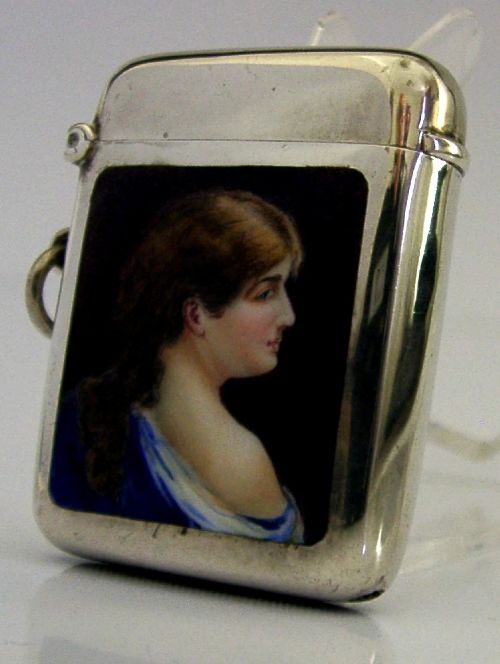
A hand painted portrait captures a likeness through delicate brushwork on porcelain, enamel, glass or paper.
Hand Painted Portrait
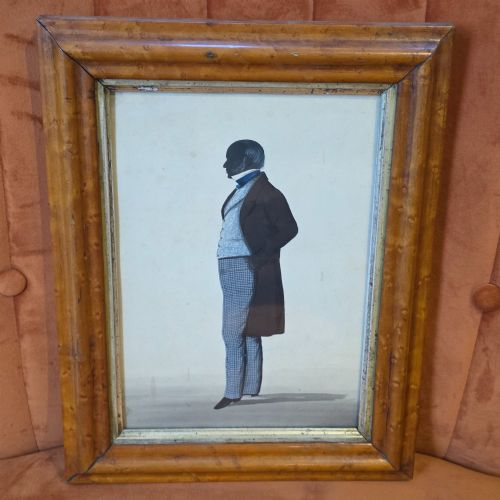
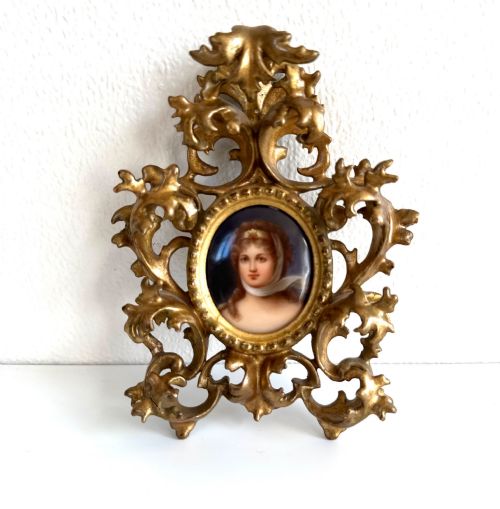
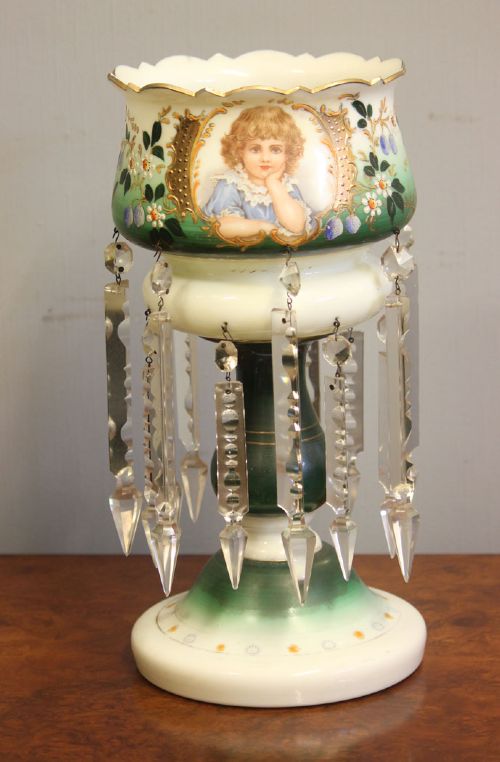
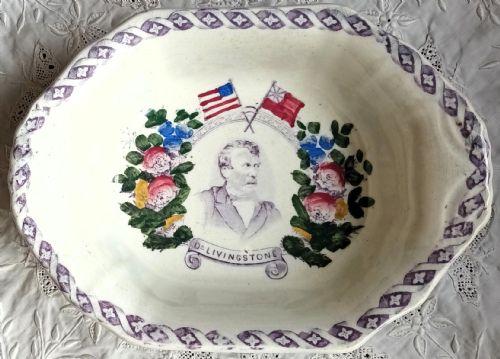
When you search for a hand painted portrait, you encounter intimate likenesses executed across various decorative and fine art mediums. These pieces span centuries, originating from Georgian silhouettes and Regency miniatures to Victorian ceramic plaques and Art Deco depictions.
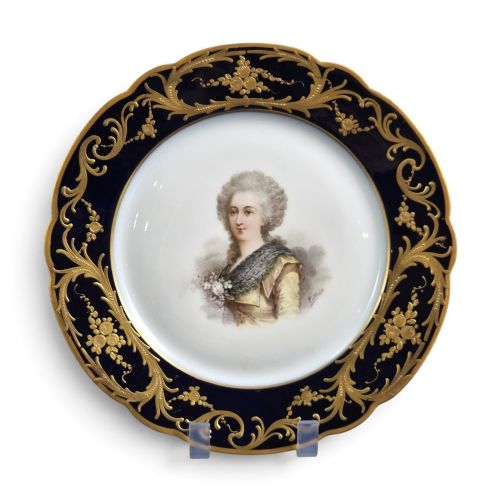
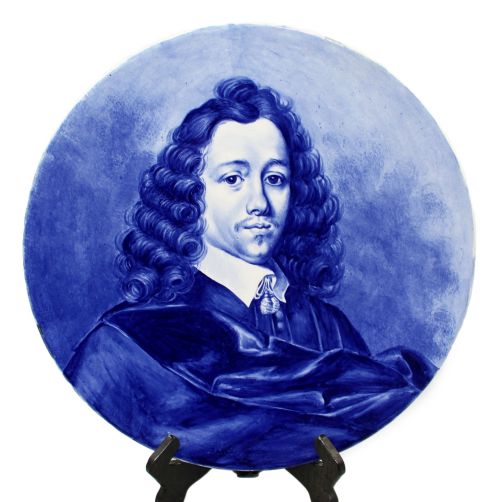
The most common items on this page are framed portrait miniatures, ceramic cabinet plates, and decorated boxes or brooches. Continental porcelain plaques and small watercolour studies also frequently appear among the listings.
Makers and artists range from named miniaturists to major European factories such as Sèvres. Works span diverse international origins, including English, French, Austrian, and Chinese pieces.
How They Were Made
Artists applied fine watercolours, enamels, or ceramic pigments onto surfaces such as ivory, porcelain, glass, and paper. Miniature painting required extreme precision, often utilising fine brushes to achieve minute facial details.
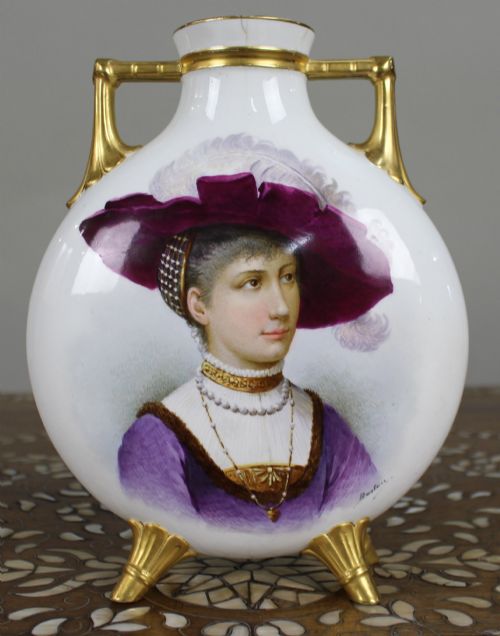
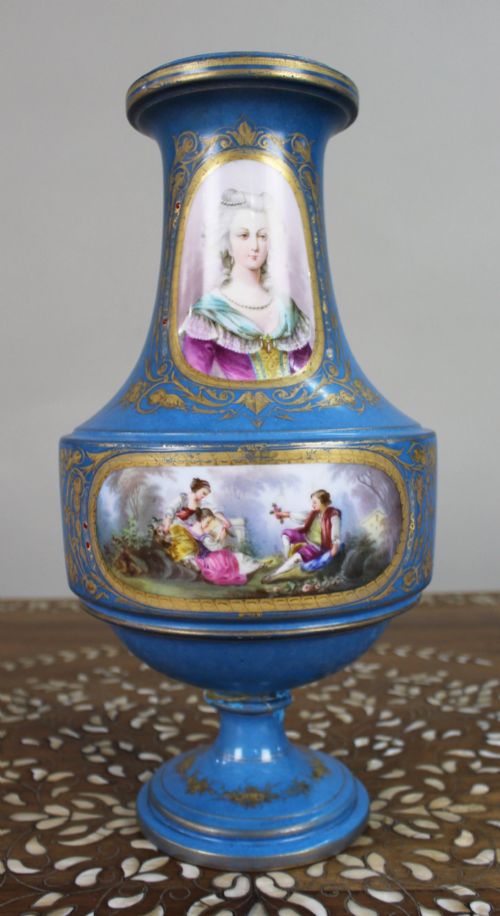
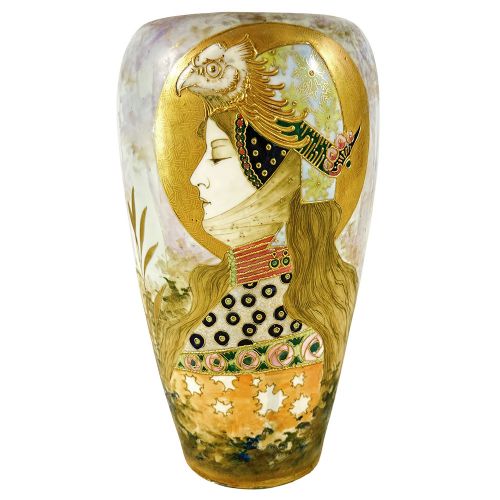
Plaques and vases frequently incorporate gilding and fired enamels to create durable metallic accents around the central image. Papier-mâché and wood panel items utilised layered priming and protective varnishes to preserve the painted surfaces.
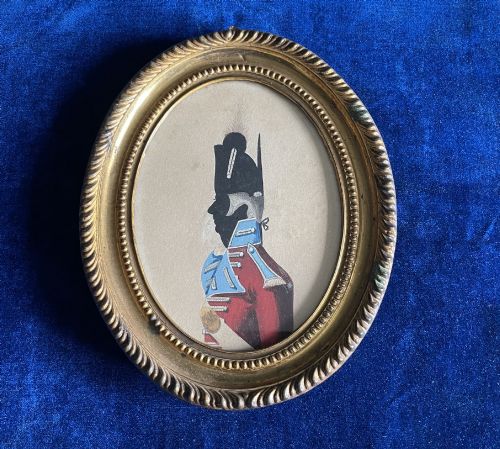
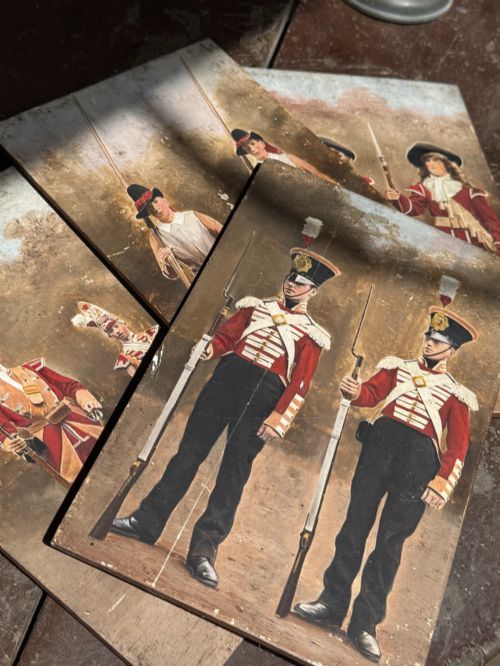
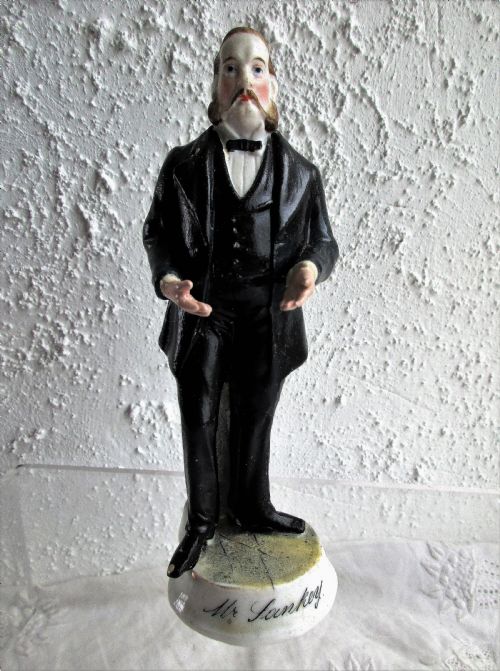
Several portraits preserve the exact gaze of long-gone family dogs, stern Victorian generals, and unknown flappers sharing space on the same shelf.
What Varies in Quality
The refinement of the facial expression and the delicacy of the brushwork separate average examples from exceptional ones. Master painters achieved remarkable depth in the eyes and skin tones, whereas lesser works appear flat and stiff.
The quality of the mounting heavily influences the piece, from simple wooden frames to elaborate gilt bronze, sterling silver, or jewelled frames and brooches. Intact factory marks, original protective convex glass, and known artist signatures elevate the standing of an object.
John Miers·Stobwasser·Nicholas Kannhauser·Susie Lassam
The Hand Painted Portrait Glossary
- Portrait Miniature
- A small, highly detailed painting, typically executed on ivory, vellum, or card during the eighteenth and nineteenth centuries. These portable likenesses were often worn as jewellery or kept in protective cases.
- Cabinet Plate
- A decorative ceramic plate intended for display rather than dining. They frequently feature hand painted central portraits framed by gilded borders.
- Enamel
- A glassy substance fused to a metal base through firing. It provides a glossy, permanent surface for detailed miniature painting.
- Silhouettes
- A profile portrait cut from black paper or painted on card, glass, or plaster. They gained immense popularity in the eighteenth and nineteenth centuries before photography.
- Plaque
- A flat, thin panel of porcelain, metal, or earthenware designed to be framed or mounted onto furniture and boxes. Painted plaques serve as self-contained works of art.
Hand Painted Portrait: Frequently Asked Questions
What is a hand painted portrait miniature?
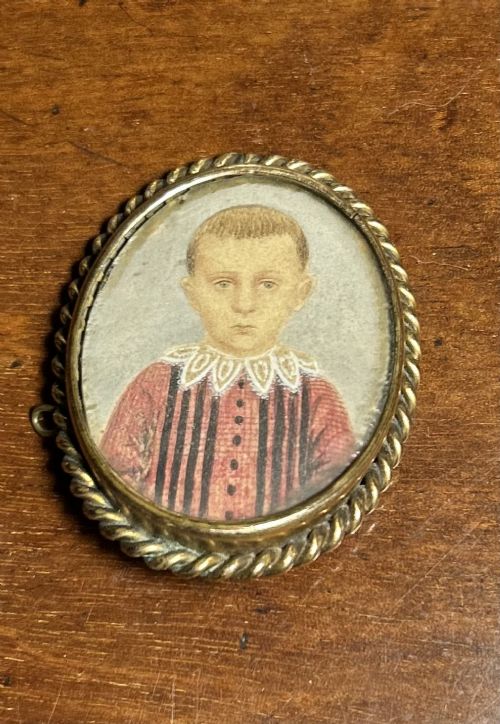
A portrait miniature is a small-scale painting capturing a person's likeness with minute detail. Artists traditionally worked on vellum, card, or ivory using watercolour and gouache.
These compact artworks were designed to be portable, often fitted into lockets, brooches, or pocket-sized folding cases so owners could carry images of loved ones.
How were ceramic portrait plaques displayed?
Ceramic plaques featuring hand painted portraits were typically mounted within fitted wooden frames for wall hanging. Some were also set directly into the lids of decorative boxes or integrated into furniture.
Unlike utilitarian ceramics, these plates and plaques functioned purely as decorative art for domestic interiors.
How can I date a painted portrait?
Dating relies on clothing styles, hairstyles, framing techniques, and any visible artist signatures or factory marks. Costume historians can often narrow down the decade based on collars, bonnets, or military uniforms.
Backings, mounting hardware, and materials like papier-mâché or specific porcelain bodies also offer clear chronological indicators.
Were these portraits meant to be worn?
Many smaller painted portraits were created specifically to be worn as jewellery, including brooches, pendants, and mourning pieces. These items incorporated secure pin stems, swivel mounts, or suspension loops.
Larger works on porcelain, paper, or panel were instead intended for display on tabletops, walls, or inside collector cabinets.