



Early Nineteenth Century Portrait
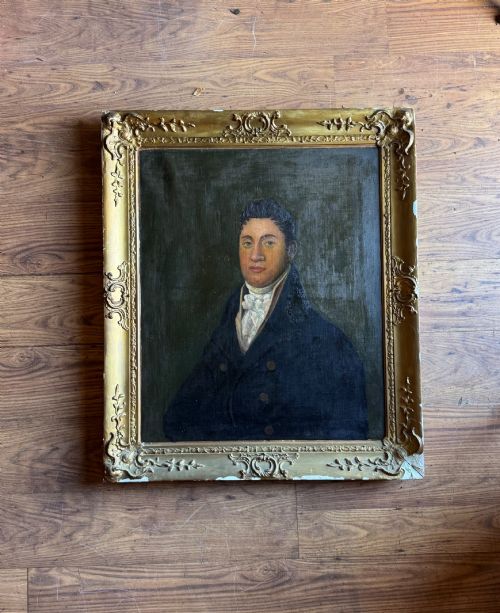
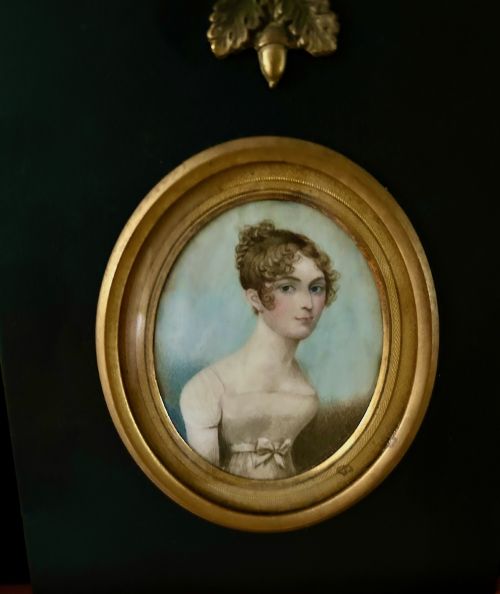
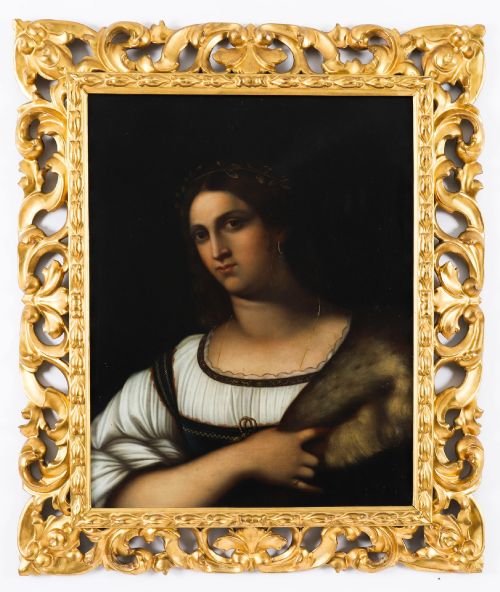
An early nineteenth century portrait captures individuals through silhouette, watercolour, and oil from Georgian, Regency, and Victorian periods.
Early Nineteenth Century Portrait
An early nineteenth century portrait encompasses framed miniatures, wall art, and silhouette work depicting subjects ranging from military officers to young ladies.
The pieces on this page span the Georgian, Regency, and Victorian eras, reflecting distinct shifts in aesthetic sensibilities across the nineteenth century.
Forms vary from delicate paper silhouettes and card profiles to miniature paintings on ivory and larger oil works.
How they were made
Artists utilised watercolour and ink on paper or card, alongside delicate miniature paintings executed directly onto ivory.
Frames incorporate glass, brass, ebonised wood, and gilt wood, frequently complementing cast lead bronzed roundels in turned mahogany.
Silhouettes involve precise cutting and ink detailing to delineate profiles of sitters.
Early Nineteenth Century Portrait Retail Price Guide 2026
Typical asking prices for early nineteenth century portrait among the pieces listed under this phrase on Sellingantiques today, from the lower quarter to the upper quarter. They describe what is for sale here now, not the wider market.
Listings feature works created using watercolour, ink, and oil on paper, card, and ivory, housed in wooden and brass frames.
What varies in quality
Precision in miniature facial detailing and the handling of watercolour washes distinguish finer portraiture from simpler naive depictions.
The preservation of the original housing, whether a turned mahogany frame or a gilt wood setting, affects the integrity of the piece.
Frederick Frith
The Early Nineteenth Century Portrait Glossary
- Silhouette
- A solid shape of a person's profile, typically cut from black paper or drawn in ink. These items capture the likeness of sitters through outline alone.
- Miniature painting
- A small-scale portrait, often executed on ivory or card. Such works require immense precision due to their diminutive size.
- Bronzed roundel
- A circular metal plaque treated to resemble bronze. These decorative pieces often depict historical figures.
- Regency
- A period in British history spanning from 1811 to 1820, characterised by distinct neoclassical art and furniture styles.
Early Nineteenth Century Portrait: Frequently Asked Questions
What is an early nineteenth century portrait?
These works comprise painted miniatures, silhouettes, and oil paintings depicting individuals from the Georgian and Regency periods.
They serve as historical records of fashion and appearance from the 1800s.
How were miniatures painted?
Artists painted fine details using watercolour on delicate surfaces such as ivory or prepared card.
Protective glass and narrow frames safeguarded the fragile pigments from damage.
Where were silhouettes displayed?
Portraits were hung in parlours or kept in personal chambers as mementos of family members.
Small profiles were frequently framed in ebonised wood with brass hangers.
How do I identify a Regency portrait?
Regency pieces often display specific clothing styles, hairstyles, and hair accessories typical of the early decades of the 1800s.
Naivety in execution or academic French school techniques also point to specific periods of origin.