

Nineteenth Century Miniature
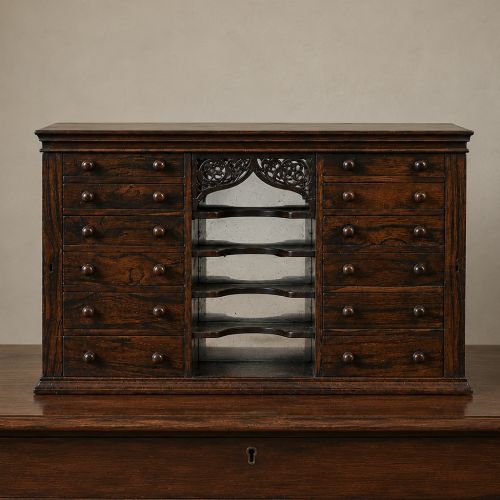
These nineteenth century miniature works encompass everything from delicate portrait paintings to tiny apprentice chests.
Nineteenth Century Miniature
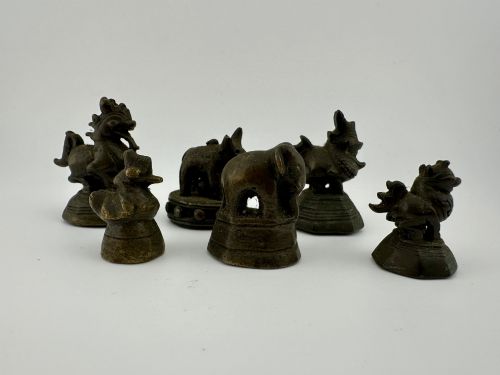
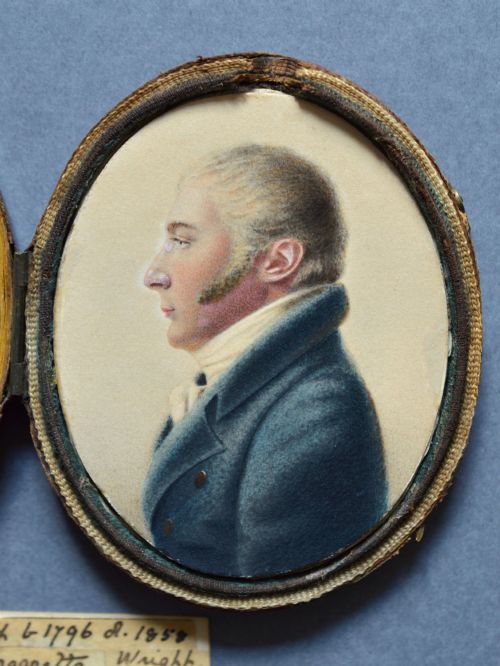
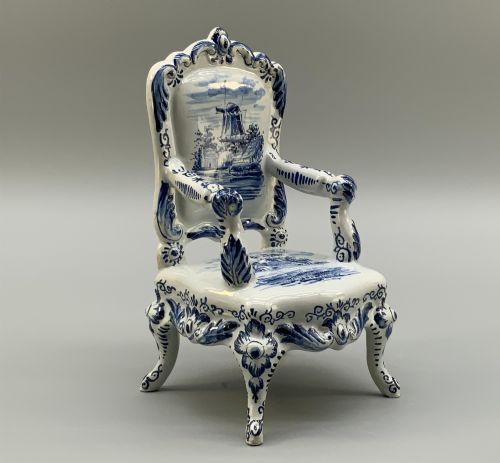
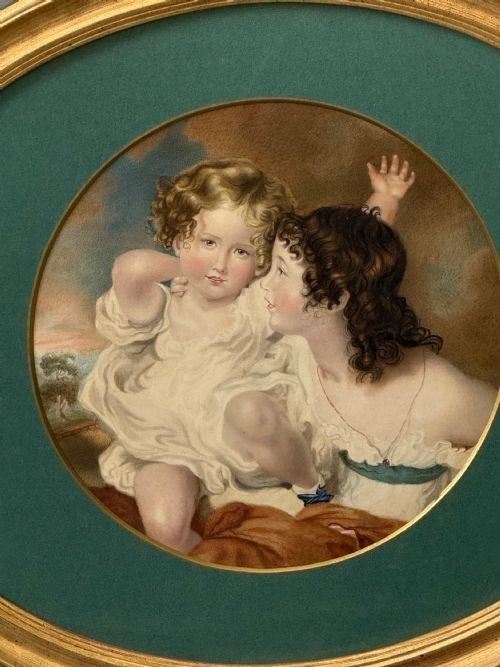
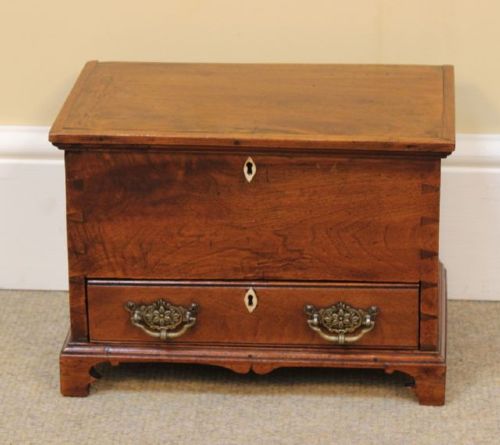
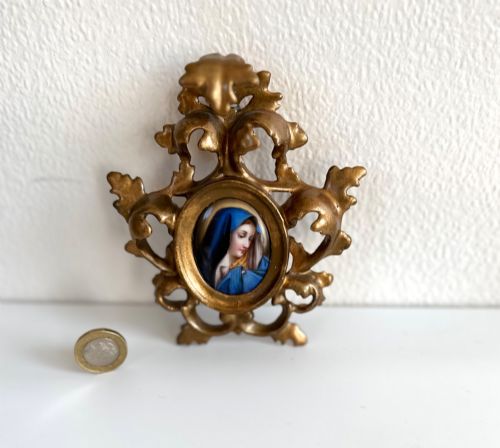
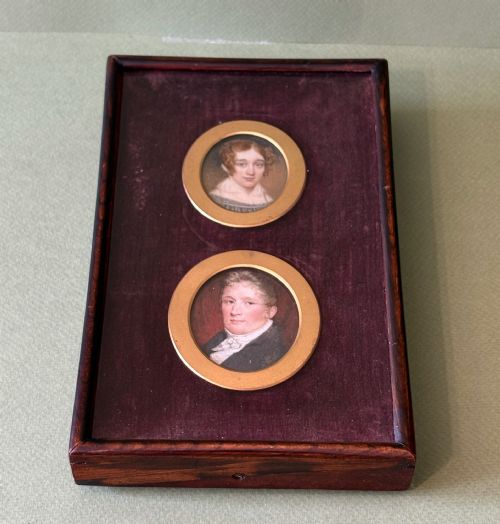
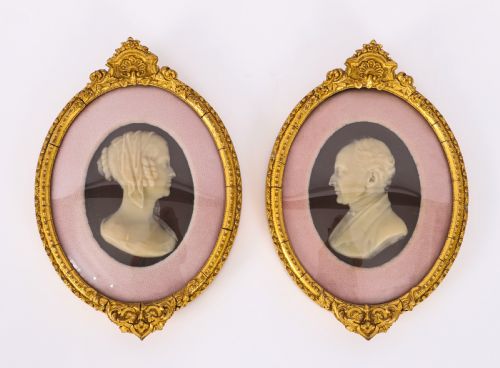
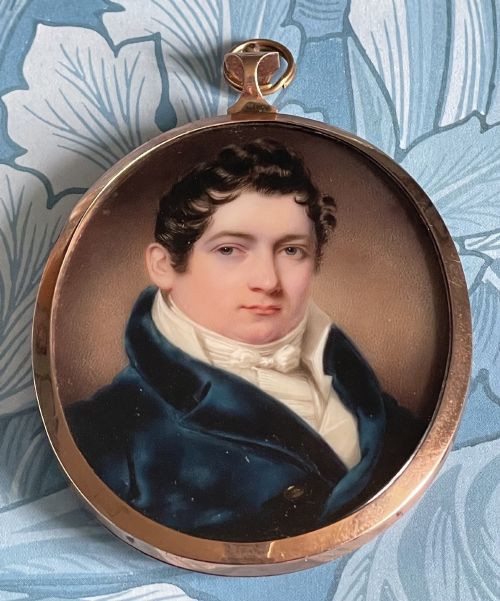
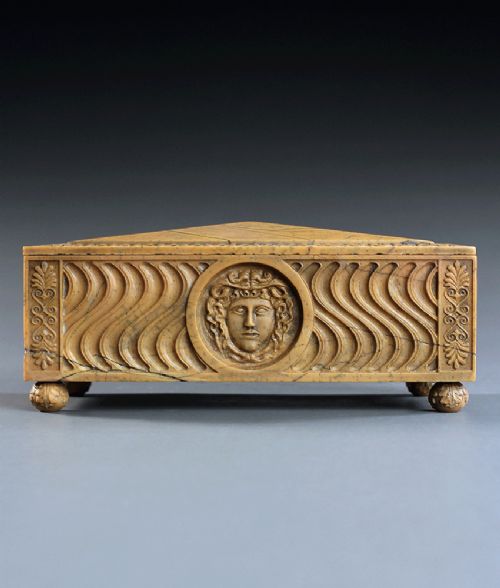
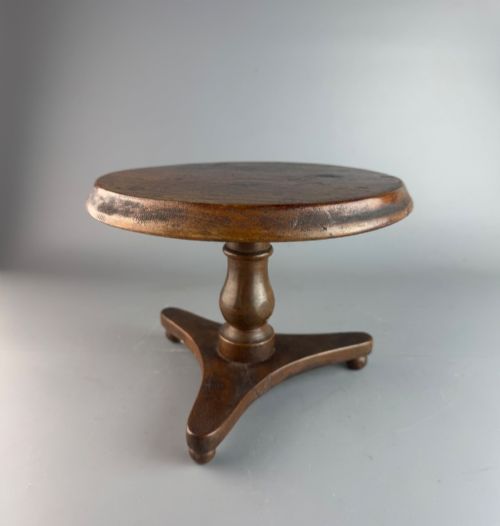
A nineteenth century miniature covers a broad expanse of small-scale objects, ranging from delicate portrait paintings to tiny apprentice pieces of furniture. Buyers searching for a nineteenth century miniature frequently encounter framed watercolour portraits, small mahogany chests of drawers, and intricate bronze or porcelain items.
The objects stem from various periods including the Georgian, Regency, and Victorian eras, reflecting diverse craftsmanship across Europe and Asia. Miniature furniture, portrait miniatures, and decorative models dominate the category, serving as intimate records of historical domestic life.
Materials and construction
Makers utilised traditional timber such as mahogany, rosewood, walnut, and pine to construct small cabinets, chests, and doll's cradles. Joinery on these diminutive items demanded exceptional precision, mirroring the construction methods of full-sized furniture.
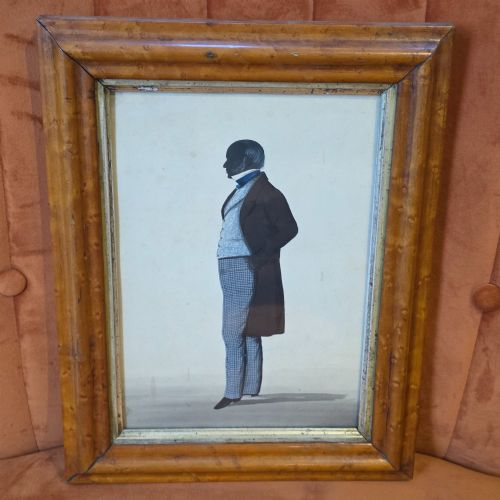
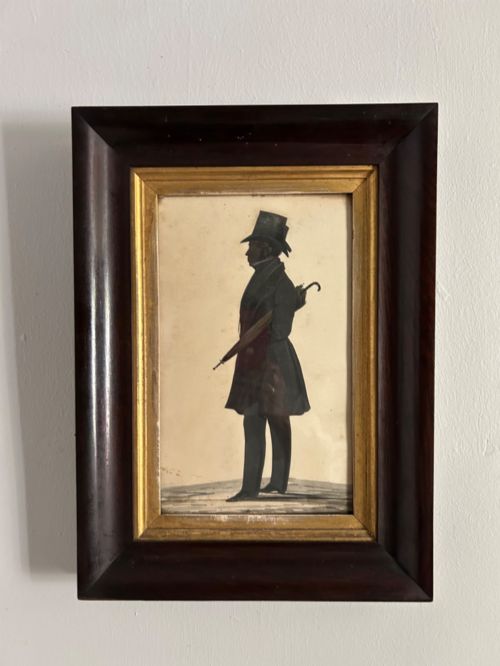
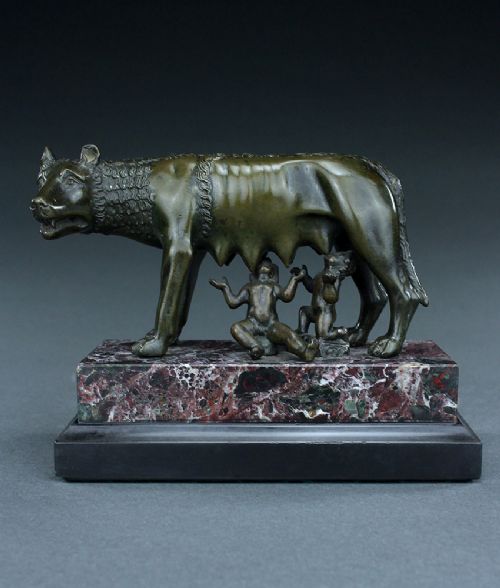
Portraits and paintings rely on watercolour, enamel, and gouache on paper or card, whilst sculptural works utilise bronze, brass, marble, wax, and earthenware. Metalwork involves casting and patination, whereas delicate silhouettes employ careful hand-cutting and ink.
Listings feature items spanning the Georgian, Regency, and Victorian periods, incorporating materials from bronze and marble to mahogany and watercolour.
Distinctions in quality
Quality rests heavily on the fineness of the hand execution, particularly visible in the brushwork of portrait miniatures and the precision of joinery on miniature furniture. Superior pieces demonstrate an uncompromising attention to proportion and detail that larger works permit more easily.
The choice and preservation of materials dictate the enduring appeal of each item, with crisp patination on bronzes and undamaged gilding or frames marking out superior examples. Original fittings, untouched surfaces, and documented attributions further elevate the standing of individual pieces.
Thomas John Horsley·John C D Engleheart·Henry Bone ARA·Paul Lelong
The Nineteenth Century Miniature Glossary
- Silhouette
- A solid dark profile portrait, typically cut from paper or painted, popular during the Georgian and Regency periods.
- Fusee clock
- A clock driven by a spring connected via a chain to a cone-shaped pulley, ensuring even tension as the spring unwinds.
- Grand Tour
- A cultural journey undertaken by wealthy young Europeans, commemorated through small bronzes, marbles, and paintings.
- Treen
- Small handmade wooden household objects valued for their tactile quality and utilitarian craftsmanship.
Nineteenth Century Miniature: Frequently Asked Questions
How were apprentice pieces used?
Apprentice pieces served as practical tests for woodworkers seeking recognition for their mastery of joinery and furniture design. Young craftsmen built these miniature chests and cabinets to demonstrate their skill to masters.
Over time, these small items found a permanent place in domestic displays as decorative tabletop furnishings.
How do I identify a portrait miniature?
Portrait miniatures are small paintings executed in watercolour, enamel, or gouache, often framed behind protective glass. They frequently depict family members, nobility, or notable figures from the period.
Examining the reverse often reveals artist signatures, biographical notes, or precious metal settings such as gold frames.
Where should I display miniature furniture?
Miniature furniture suits placement on tabletops, desks, or dedicated shelving units where viewers can appreciate their intricate proportions close up. Keeping them away from direct sunlight protects delicate wood finishes and paper components.
Grouping them with complementary treen or small bronzes creates an engaging display that highlights their scale.