
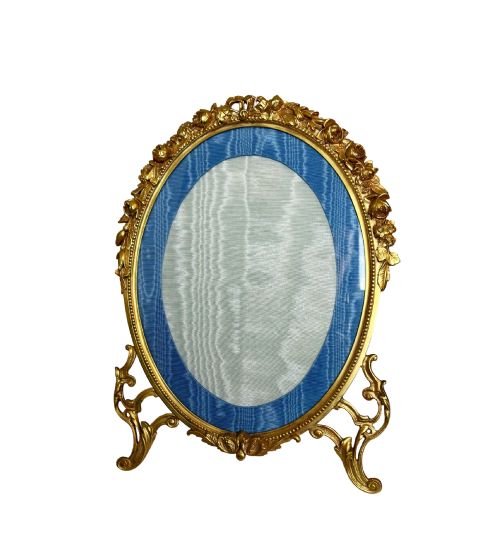
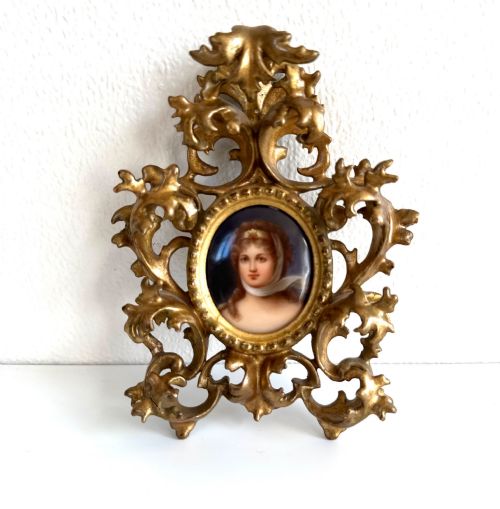
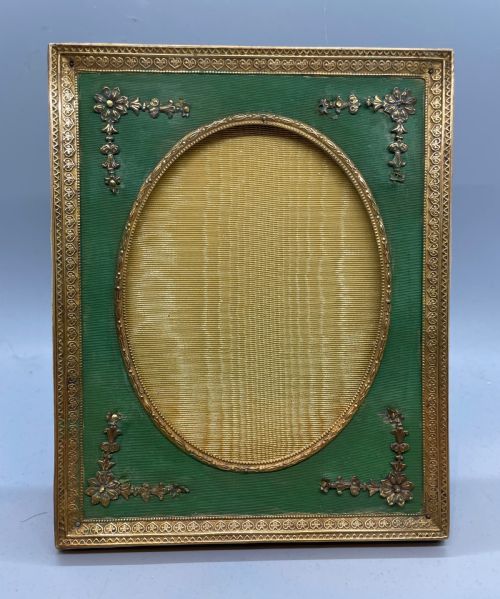
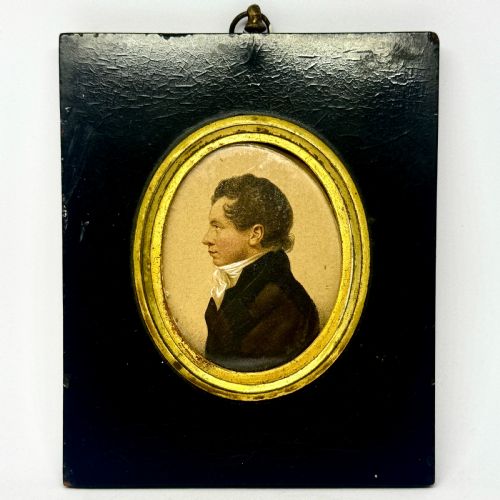
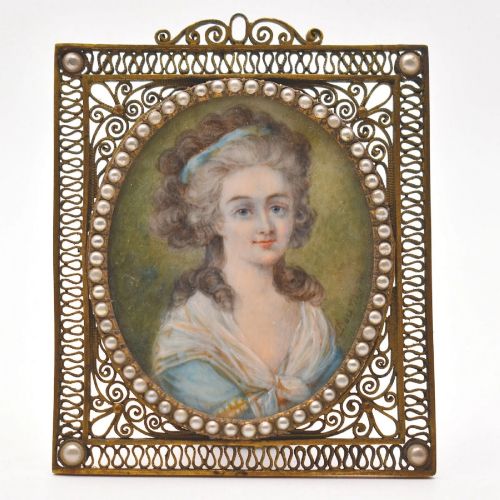


Gilt Brass Oval Portrait
These gilt brass oval portrait pieces combine metalwork and miniature painting, offering a glimpse into past centuries through framed likenesses.
Gilt Brass Oval Portrait
When you search for gilt brass oval portrait items, you encounter a distinct group of miniature works spanning the eighteenth, nineteenth, and early twentieth centuries. These objects combine small painted or silhouette likenesses with decorative metal surrounds, often taking the form of picture frames, wall plaques, or portrait miniatures themselves. The versions most frequently met on this page date from the Georgian and Victorian eras, alongside later Edwardian examples.
The assortment includes framed works featuring watercolour on card, enamel on copper, and porcelain plaques mounted in cast metal. Many of these pieces originate from British and French makers, incorporating styles such as Rococo Revival, Regency, and French Rococo. They serve primarily as historical wall art or tabletop display items rather than functional household objects.
How they were made
Makers formed the housings using brass, gilt metal, and ormolu, often casting the metal with intricate decorative borders like Napoleonic bees or floral motifs. Glass protected the delicate interior surfaces, which held watercolours on paper, silhouettes on plaster, or hand-painted enamels.
Portraits within these surrounds relied on fine brushwork using watercolour, oil, or enamel paints. Artists sometimes added specialised elements like seed pearls to the frames or set the miniatures on dedicated metal stands.
Some tiny portraits feature prominent ringlets and caps, recording the specific hairstyles of Georgian subjects.
What varies in quality
The standard of a gilt brass oval portrait depends heavily on the precision of the metal casting and the skill evident in the painted likeness. Finer examples display crisp, detailed chasing on the brass or ormolu frame, coupled with lifelike proportions and expert brushwork in the miniature portrait itself.
Simpler or later pieces often show softer casting details and more standard decorative elements. The choice of interior medium - such as detailed enamel plaques versus basic paper prints - also marks the distinction between standard items and superior works.
Dumont·Susie Lassam RMS RA·Archibald Skirving·John Miers·Jeremiah Steele
The Gilt Brass Oval Portrait Glossary
- Ormolu
- A gilt bronze or brass technique used for furniture mounts and decorative frames. This process applies a gold-mercury amalgam to shaped bronze to create a rich, durable golden finish.
- Miniature portrait
- A small-scale painting executed with fine detail, typically depicting a specific person. These works frequently use watercolour on ivory, vellum, card, or copper.
- Silhouette
- A solid black profile portrait cut from paper or painted onto plaster or card. This style gained popularity in the eighteenth and nineteenth centuries as an accessible form of likeness.
- Enamel plaque
- A smooth surface created by fusing powdered glass to a metal base, usually copper, through high-heat firing. South Staffordshire workshops produced notable examples of this technique.
- Curtain tie back
- A decorative hardware fixture mounted to a wall to hold drapery open. Eighteenth-century versions occasionally incorporated enamel and gilt brass portrait motifs.
Gilt Brass Oval Portrait: Frequently Asked Questions
What periods do these pieces date from?
The items span several eras, starting from the eighteenth century and moving through the Georgian and Regency periods. You will also find Victorian, Edwardian, and early twentieth-century examples.
Makers across these periods utilised varying styles, ranging from French Rococo and Rococo Revival to Art Deco.
How were portrait miniatures displayed originally?
Many miniatures were designed to be worn as jewellery, kept in travel cases, or mounted into wall frames. Others stood on tables supported by dedicated metal easel backs.
Enclosed frames and shadow boxes also protected the delicate watercolours and enamels from dust and light exposure.
What materials make up the frames?
The housings consist primarily of brass, gilt metal, and ormolu. Glass protects the front of the portraits, while the metal mounts often feature cast decorative patterns.
Some superior frames incorporate additional elements such as seed pearls or specific historical motifs like Napoleonic bees.
How do I care for antique portrait miniatures?
Keep these sensitive objects away from direct sunlight to prevent the fading of watercolours and painted enamels. Maintaining a stable room temperature protects the fragile paper, card, and plaster components.
Dust the gilt brass surrounds gently with a dry, soft cloth without applying liquid cleaning agents to the metal or the interior portrait.