
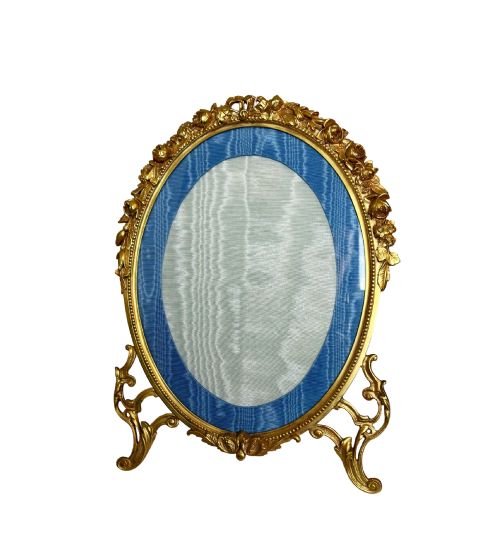
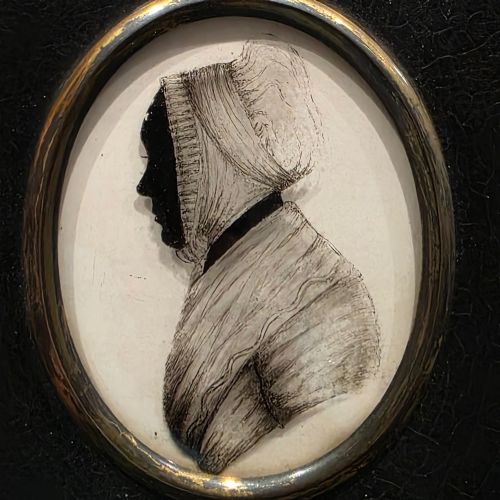


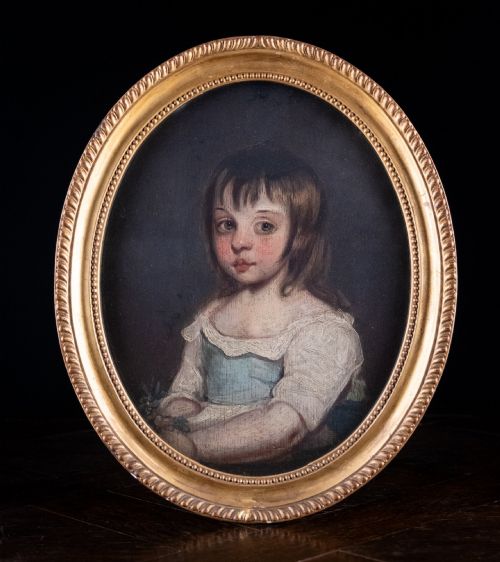
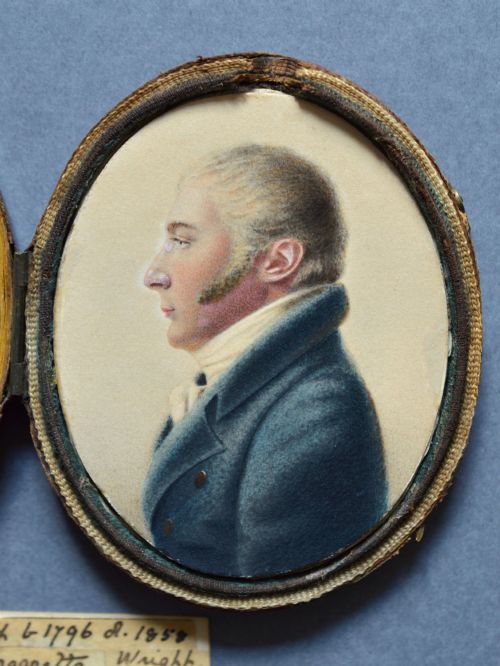

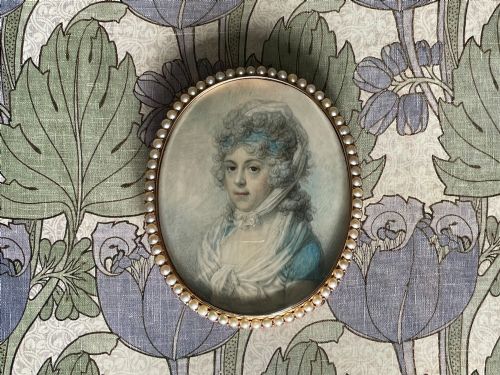

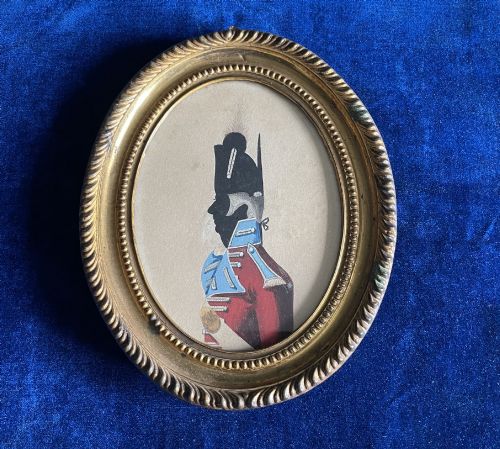
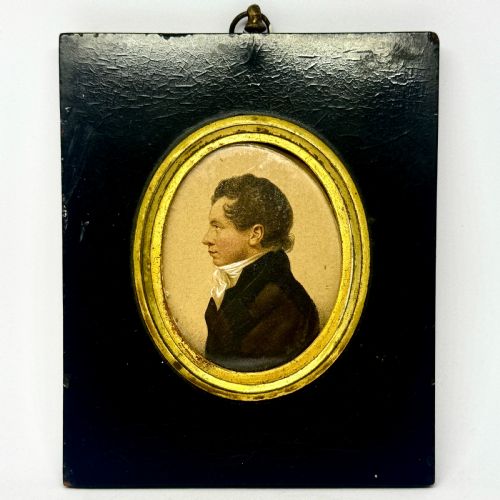
Antique Oval Miniature Frame
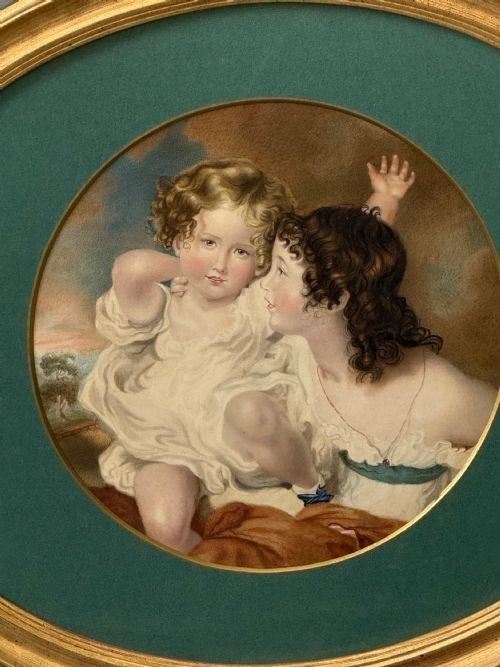
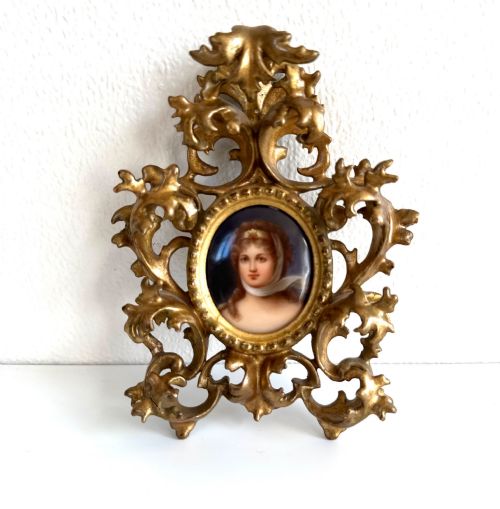
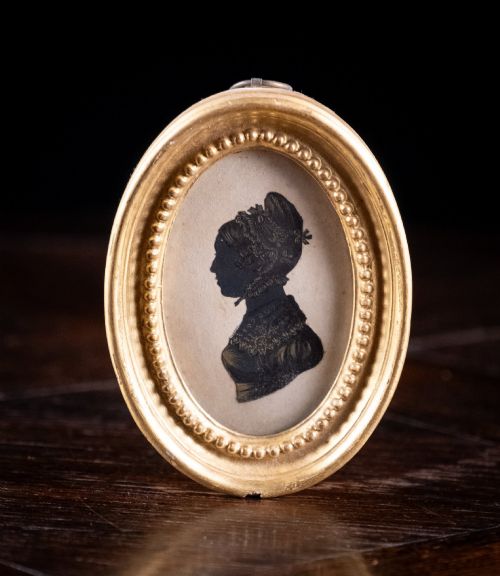
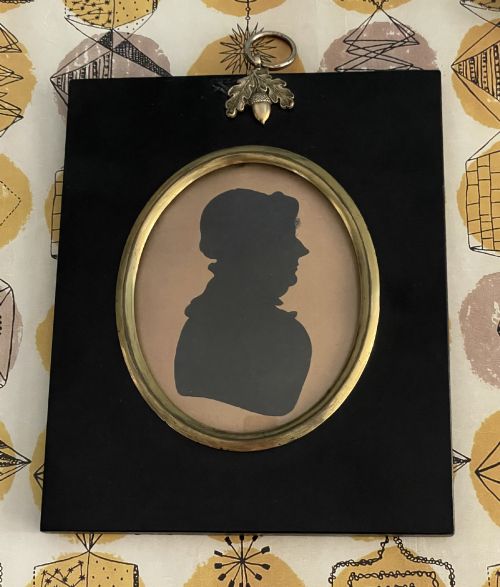
An antique oval miniature frame holds intimate painted portraits and silhouettes from Georgian, Regency, and Victorian parlours.
Antique Oval Miniature Frame
An antique oval miniature frame houses small-scale portraits, silhouettes, and watercolours produced across the eighteenth and nineteenth centuries. These enclosures were designed to hold delicate works executed on paper, glass, enamel, and metal.
The pieces encountered here span Georgian, Regency, Victorian, and Edwardian periods, often taking the form of pendant lockets, desk stands, or wall-hanging surrounds. Many contain original portrait miniatures depicting named sitters and anonymous subjects alike.
How they were made
Makers fashioned these surrounds using brass, gilt metal, ebonised wood, and gold leaf, frequently incorporating glass fronts to protect the delicate paper or watercolour within. Enamelled plaques and precious metals also appeared in domestic workshops and specialised manufacturing centres.
Joinery and metal casting methods of the period produced precise curves and beaded borders tailored to small portrait dimensions. Artisans fitted hinged backs, suspension loops, or easel stands to allow versatile display.
Sitters include stray dogs, earnest children, and the occasional Mughal Emperor peering through tiny glass bubbles.
What varies in quality
The refinement of the cast metal ornamentation and the integrity of the original gilding dictate the visual appeal of an antique oval miniature frame. Superior examples display crisp chasing, secure mountings, and uncompromised glass protection.
The relationship between the miniature painting and its surround contributes significantly to overall merit, particularly when the housing retains its original backing and suspension hardware.
James Sharples·Henry Bone·Thomas John Horsley·Richard Cosway·James Gillespie·Frederick Buck·John Taylor·Charles Hayter·William Naish·J Bizo
The Antique Oval Miniature Frame Glossary
- Silhouette
- A solid dark profile portrait, usually cut from paper or painted on card or plaster. These profiles gained popularity in the eighteenth century before photography emerged.
- Plumbago
- A delicate drawing executed in graphite, taking its name from the Latin term for the mineral. Artists used this medium for finely detailed miniature portraits.
- Enamel
- A durable vitreous substance fused to a metal base through high-temperature firing. This technique produced glossy, fade-resistant miniature plaques and portrait details.
- Gilt metal
- Base metal treated with a thin layer of gold or gold-coloured wash to simulate solid precious metal. This material offered affordable elegance for domestic picture frames.
Antique Oval Miniature Frame: Frequently Asked Questions
What periods do these frames belong to?
The pieces span the eighteenth and nineteenth centuries, encompassing Georgian, Regency, Victorian, and Edwardian eras. Construction styles evolved from simple ebonised wood profiles to ornate gilt metal and brass mountings.
Craftsmanship reflects the prevailing aesthetic tastes of each decade, ranging from austere neoclassical silhouettes to elaborate Victorian surrounds.
Were these frames meant for wall hanging?
These surrounds served multiple domestic functions, operating as wall plaques, desk ornaments, and portable pendants. Many incorporate small easel stands or suspension loops for versatile placement.
Miniatures were frequently kept close to the body in personal lockets or displayed on parlour tables alongside other keepsakes.
How do I identify a Georgian miniature frame?
Georgian examples typically feature hand-worked brass, slender ebonised wood profiles, or gold leaf finishes surrounding delicate watercolours and plumbago drawings. They often house hand-cut paper silhouettes or enamel plaques associated with makers from that century.
Backings on these early pieces generally consist of simple card or turned wood secured with tiny pins.
What materials protect the miniature inside?
Fitted glass covers shield the painted surface, watercolour, or paper silhouette from dust and ambient moisture. Metal bezels hold this protective glazing tightly against the internal rebate of the frame.
Retaining the original glass is essential for preserving the untouched condition of the miniature artwork within.