


Regency Gentleman Miniature
Regency gentleman miniature works capture the precise likeness of a nineteenth-century subject in watercolour or silhouette.
Regency Gentleman Miniature
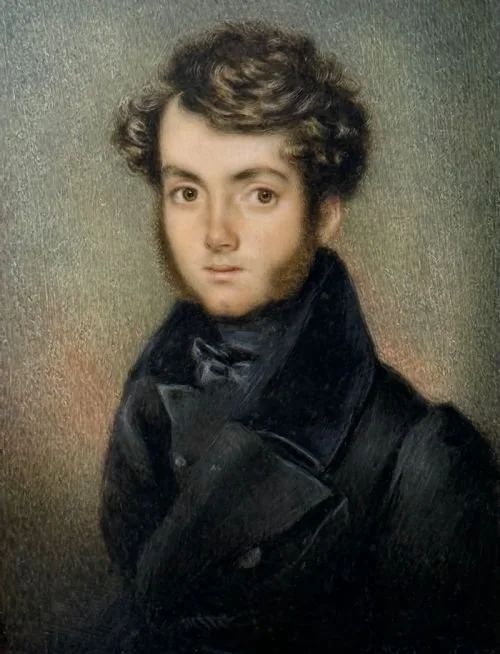
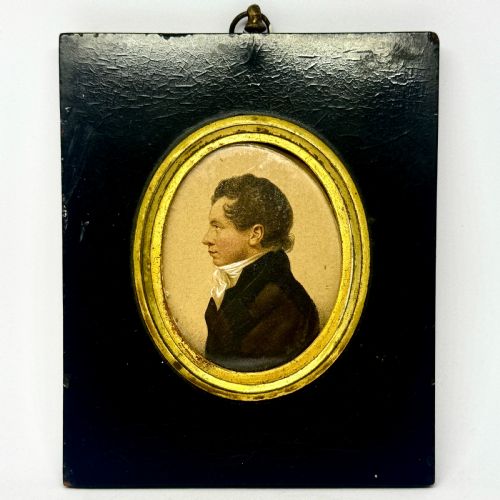
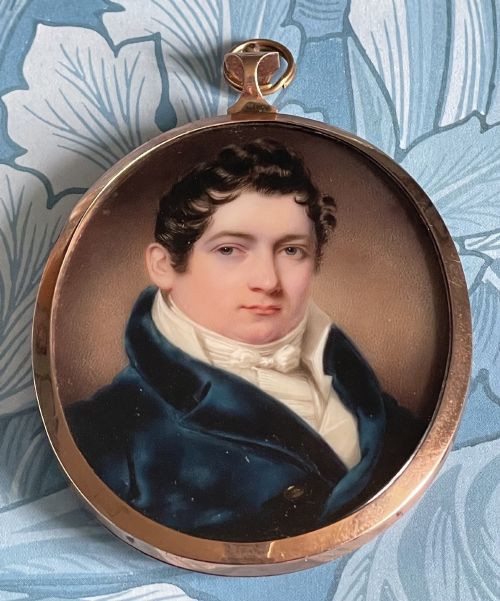
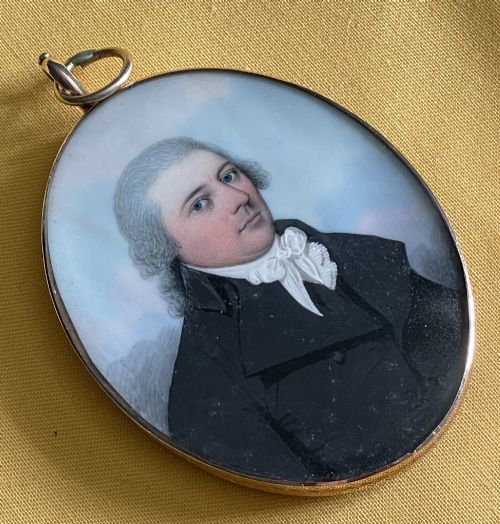
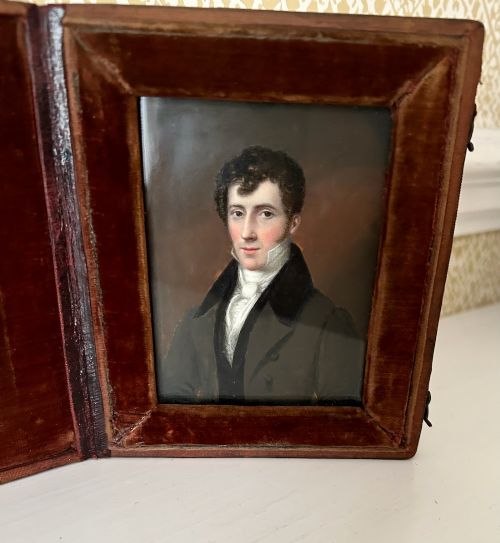
A regency gentleman miniature is a small-scale portrait capturing the likeness of a man from the Georgian, Regency, or early Victorian eras. These portable likenesses served as personal tokens of affection or remembrance, often designed to be worn or carried close.
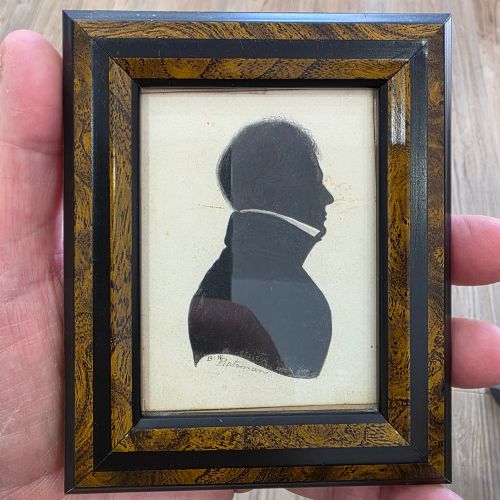
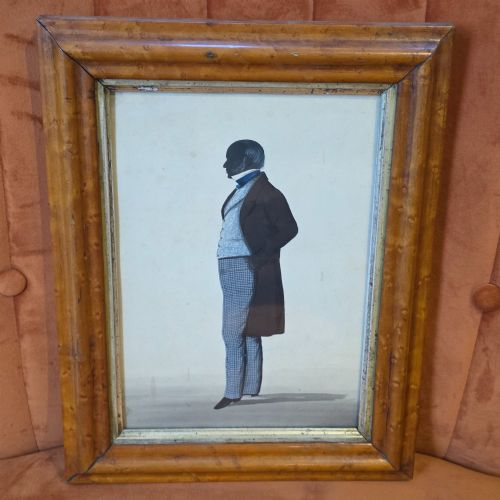
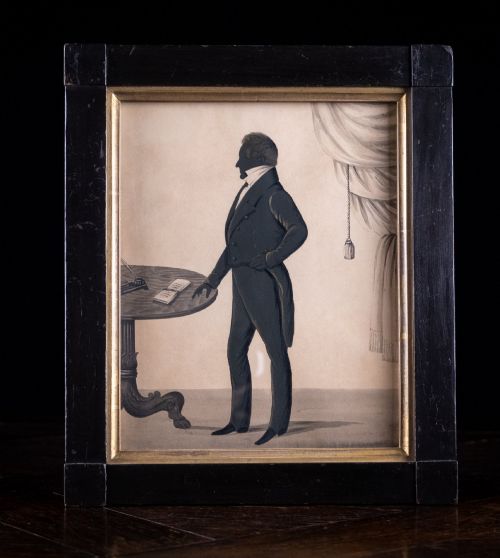
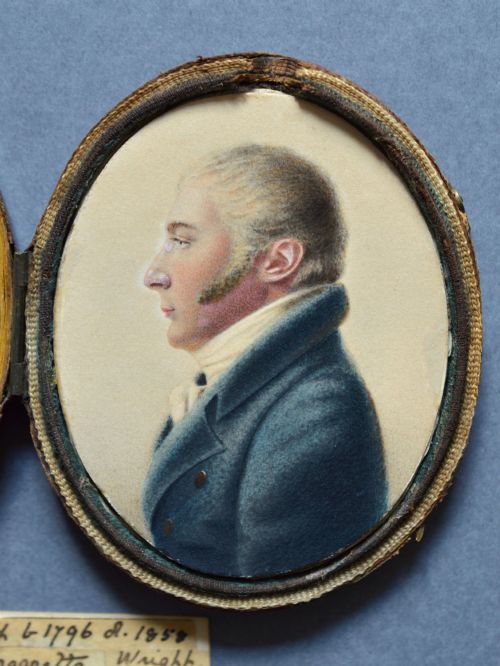
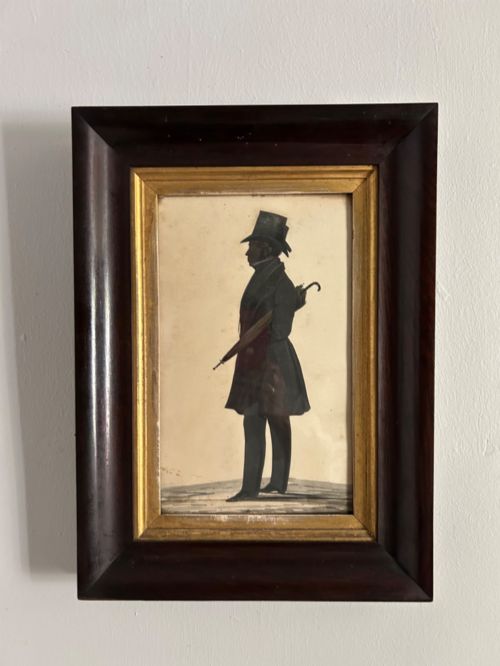
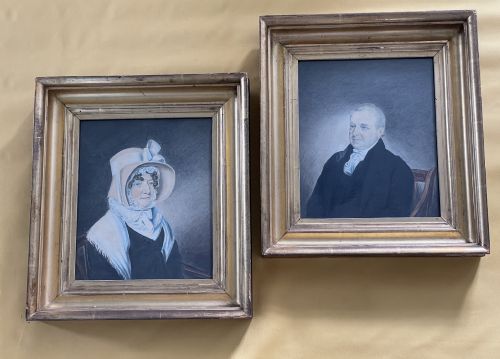
The pieces on this page appear primarily as framed watercolours or hand-cut paper silhouettes. Subjects range from military officers to country gentlemen, rendered with remarkable intimacy on a small surface.
Materials and construction methods
Artists painted these miniature portraits using delicate watercolour on paper, sometimes mounting the works within gilt metal or gold frames. The delicate pigments required a steady hand and fine brushes to achieve lifelike skin tones and fabric textures.
Silhouettes relied on cutting black paper or applying dark ink to paper, occasionally highlighted with gold paint to define buttons and lapels. These paper works were typically set behind glass within protective wooden or brass frames.
Listings span the eighteenth century, the Regency period, and the early Victorian era, using materials such as watercolour, ivory, and gilt metal.
Evaluating quality and execution
The quality of the housing also matters greatly, as original gold frames, gilt metal stands, and intact glass protection elevate the preservation and historical value of the artwork.
Bateman·Thomas John Horsley·Charles Jagger·John C D Engleheart·Frederick Buck·George Hargreaves·Thomas Woolnoth·George Engleheart·John Inigo Wright·AE Chalon
The Regency Gentleman Miniature Glossary
- Silhouette
- A portrait profile cut from black paper or painted in solid dark pigment against a light background. These stark likenesses gained immense popularity during the Georgian and Regency periods.
- Watercolour
- A paint consisting of pigment suspended in a water-based solution, applied to paper to create translucent layers. It is the primary medium for detailed portrait miniatures.
- Gilt metal
- A base metal treated with a thin layer of gold or gold-coloured wash to imitate solid gold frames and mountings. It provides a decorative border for many miniature paintings.
- Ivory
- A smooth organic material used occasionally as a painting surface for miniatures because its translucent quality lends a natural glow to skin tones.
Regency Gentleman Miniature: Frequently Asked Questions
How were regency gentleman miniature portraits displayed?
These small artworks were frequently hung in intimate spaces on parlour walls or kept inside protective travel cases.
Owners also wore them as personal jewellery or placed them on desk stands to keep the likeness of a relative nearby.
What is the difference between a silhouette and a watercolour miniature?
A silhouette relies on profile outlines and solid dark tones, typically cut from paper or painted in ink.
Watercolour miniatures employ full colour, delicate shading, and fine brushwork to depict the subject with realistic facial details.
How do I care for antique portrait miniatures?
Keep these sensitive works away from direct sunlight to prevent the watercolour pigments from fading over time.
Maintain stable indoor humidity levels to protect the delicate paper, ivory, and original wooden or metal frames.
How can I tell the period of a miniature?
Clothing styles, hairstyles, and framing techniques offer the clearest clues to the exact decade of creation.
Gentlemen depicted with high collars and specific neckcloths typically point toward the Regency and Georgian eras.