

Small Wall Painting
A small antique wall painting brings concentrated character to an interior through delicate brushwork and compact framing.
Small Wall Painting
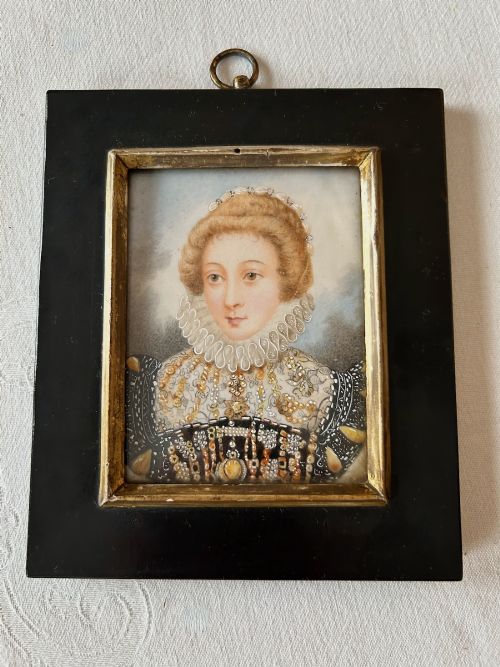
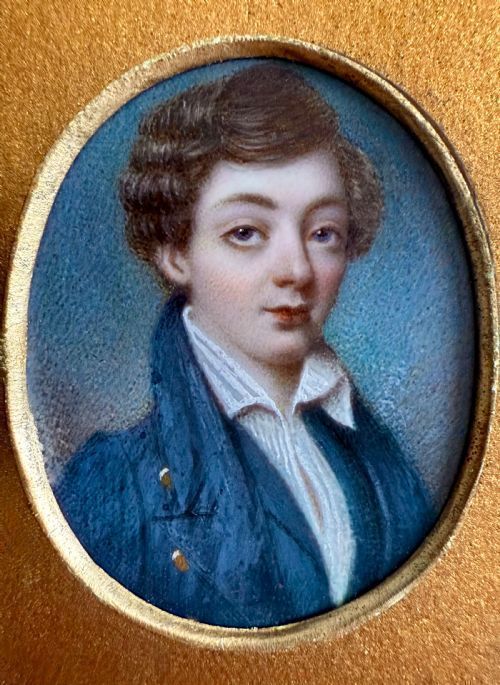
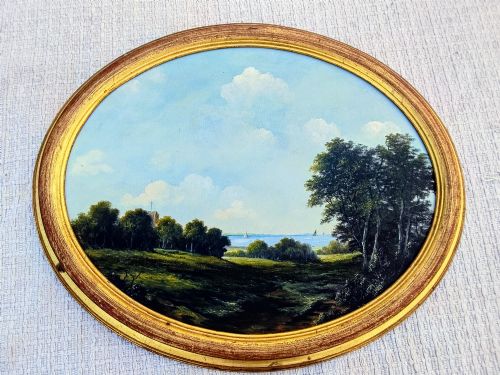
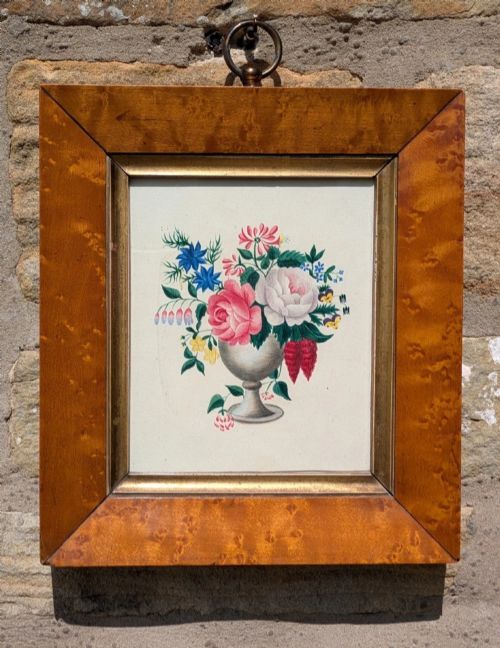
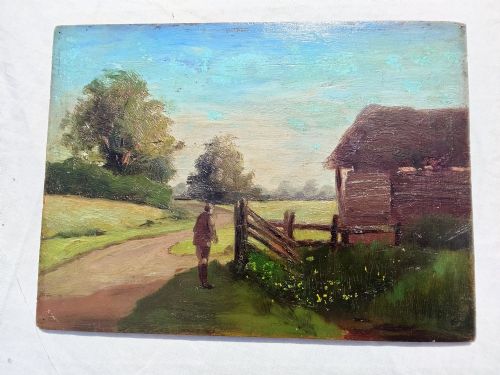
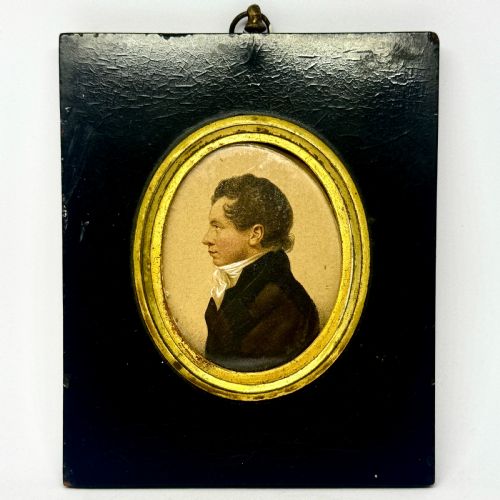
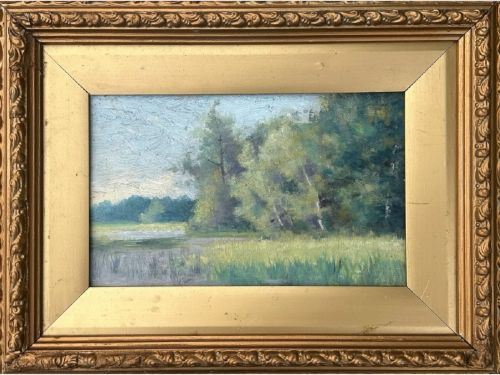
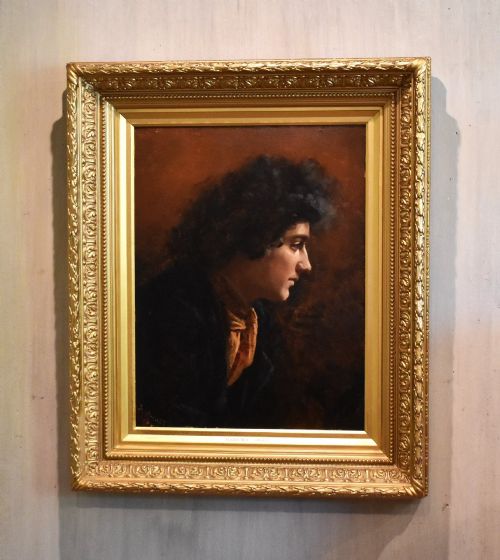
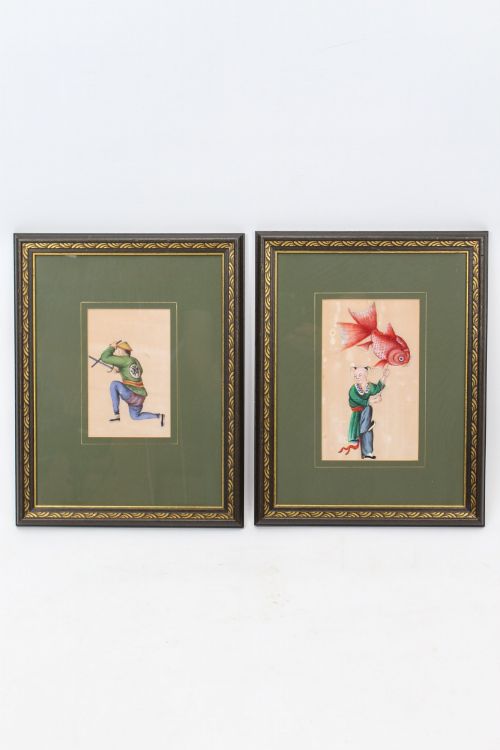
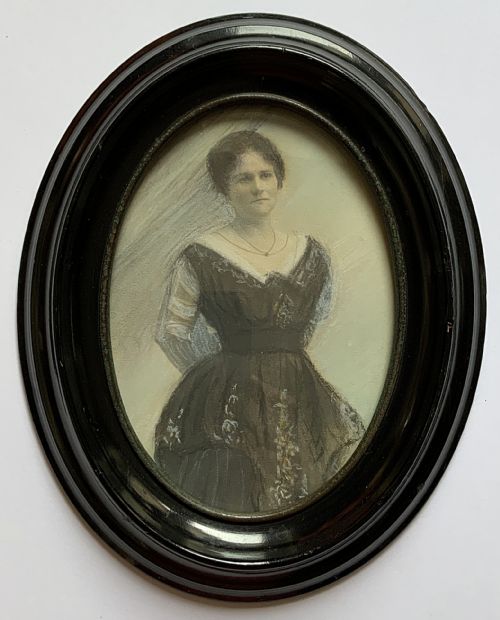
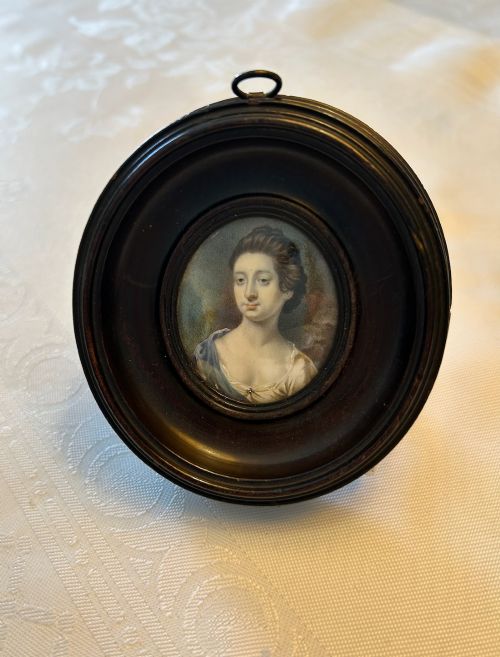
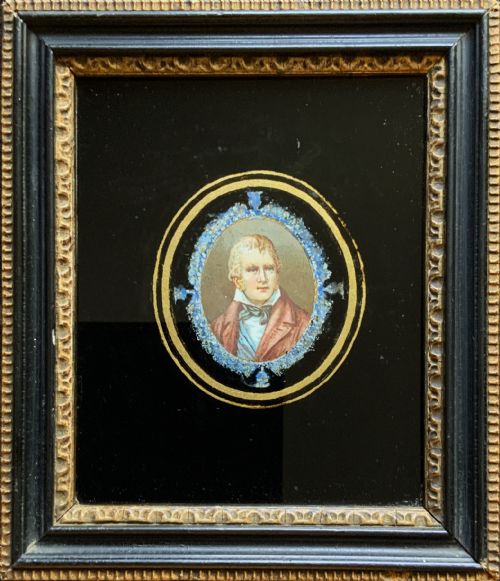
When you search for a small antique wall painting, you encounter a diverse group of works that span centuries, including portrait miniatures, botanical watercolours, and landscape oils on panel or board. These compact pieces range from early Georgian delicate studies to later Victorian and Edwardian framed artworks.
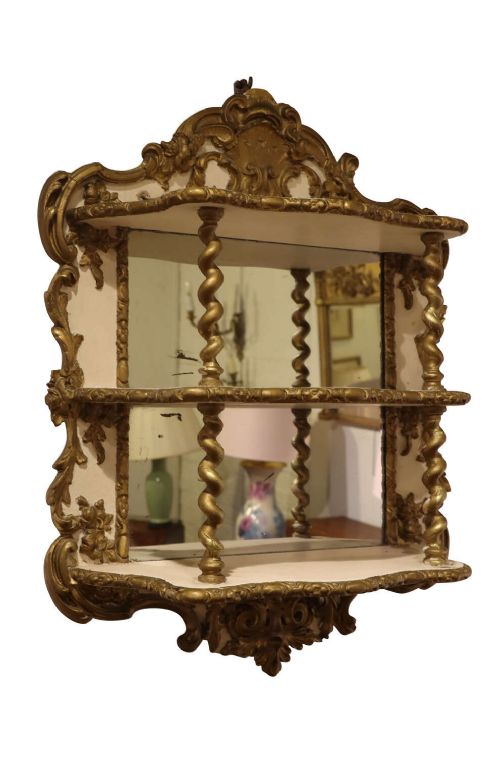
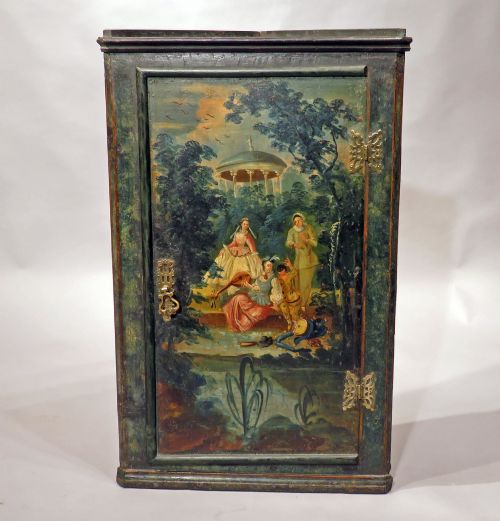
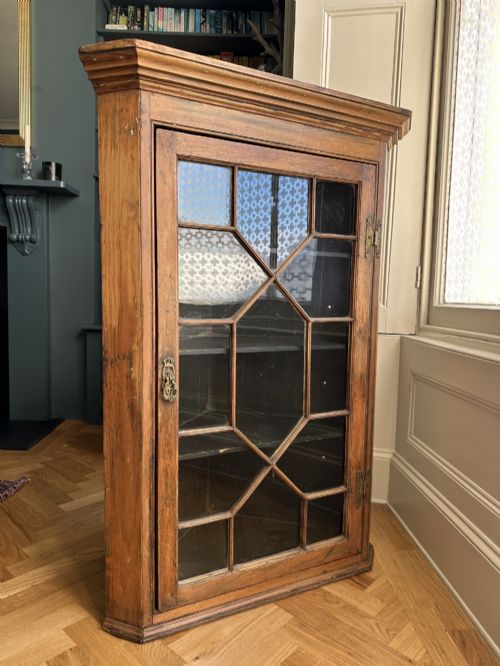
Buyers also encounter related decorative wall items such as painted cupboards, mirrors, and wooden wall cabinets alongside the paintings. These varied pieces reflect domestic tastes across British, Scandinavian, and continental European traditions.
Materials and Technique
Artists painted these small works using oil paint, watercolour, pastel, and acrylic on varied supports including wood panels, paper, ivory, and canvas. Frames frequently utilise wood, ebonised wood, and gilt ornamentation to house and protect the artwork.
Structural elements of the mounted pieces rely on traditional carpentry, joinery, and glazing for protective wooden cabinets or mirrors. Painted surfaces often incorporate original pigments, decorative finishes, and traditional protective varnishes.
One small Welsh ship's wheel brings a distinct maritime splash of deep red paint straight from Carmarthenshire.
Assessing Quality
Quality in a small antique wall painting rests on the precision of the hand and the preservation of the original pigment and surface. Finer works display controlled, confident brushwork and secure framing that complements the scale of the composition.
The distinction between standard and superior pieces depends upon the artist's ability to render detail within a miniature format. Original frames, authentic period backing, and untouched painted surfaces elevate the standing of any work.
Henri Fradelle·Richard Cosway·Maud Raphael Jones·Florence Small·Evelyn Chester·Eugene Verboeckhoven·J. Phipps·M. C. Hider·George Hargreaves·Andreas Schelfhout
The Small Wall Painting Glossary
- Portrait Miniature
- A small, highly detailed painting, often executed on ivory, vellum, or card during the Georgian and Victorian eras. These intimate works typically depict specific individuals with fine precision.
- Oil on Panel
- A painting executed with oil colours directly onto a prepared wooden board or panel. This sturdy support was frequently utilised for small landscapes and portraits before canvas predominated.
- Watercolour
- A paint method using water-soluble pigments on paper or board to create translucent washes of colour. Botanical studies and landscape sketches often employed this medium.
- Gilt Frame
- A wooden frame finished with a thin layer of gold leaf or metallic gilt paint. Such frames add decorative warmth and protect the edges of the artwork.
- Ebonised Wood
- Timber treated with a chemical stain or dark finish to imitate expensive ebony. This dark framing style provides a stark, contrasting border for delicate paintings.
Small Wall Painting: Frequently Asked Questions
How are small antique wall paintings best displayed?
These compact artworks suit intimate spaces, narrow wall sections, or grouped arrangements with other framed pieces. Their modest scale allows them to fit into alcoves and smaller rooms where larger canvases overwhelm.
Keep them away from direct sunlight to protect delicate watercolours and paper supports from fading. Secure hanging fixings suited to the specific weight of the frame and panel.
What subjects appear in these paintings?
Subjects range from detailed portrait miniatures of historical figures and private sitters to pastoral landscapes and botanical studies. Maritime views and domestic scenes also feature prominently across the available periods.
Artists frequently captured local scenery, still life arrangements, or classical figures derived from earlier European traditions. Each subject reflects the domestic tastes and Grand Tour influences of its period.
How do I identify the period of a painting?
Dating relies on examining the framing materials, the type of support used, and the artistic style characteristic of specific reigns or centuries. Georgian and Regency pieces often show distinct portrait styles and specific framing profiles.
Later Victorian and Edwardian works utilise different pigment mixtures and mounting techniques. Comparing the stylistic conventions with documented examples helps narrow down the production era.
Are these paintings cleaned or restored?
Many surviving works retain their original painted surfaces, varnishes, and period frames, though some have undergone careful conservation over the centuries. Examining the surface under appropriate lighting reveals the presence of old touch-ups or stabilised cracks in the wood or paint.
Original framing elements and undisturbed backing materials add historical integrity to the piece. Professional conservation ensures fragile supports on ivory or paper remain stable.