
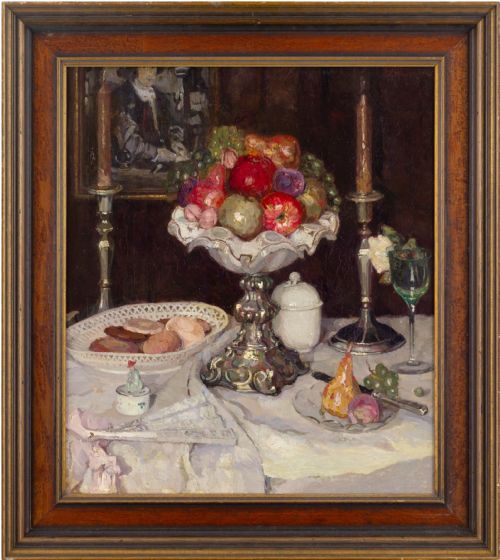


Brown Still Life Painting
When you search for a brown still life painting, you find works that use sombre, earthy tones to depict game, fruit, and flowers across several centuries.
Brown Still Life Painting
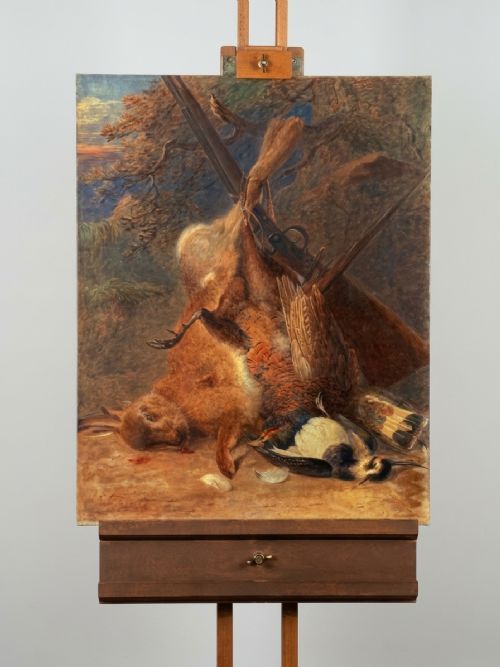
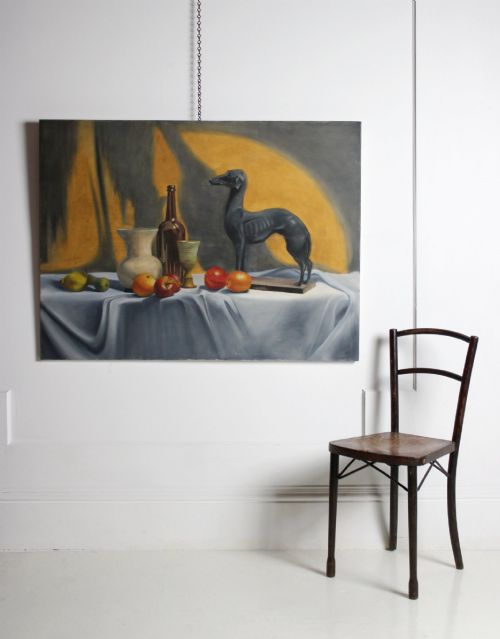
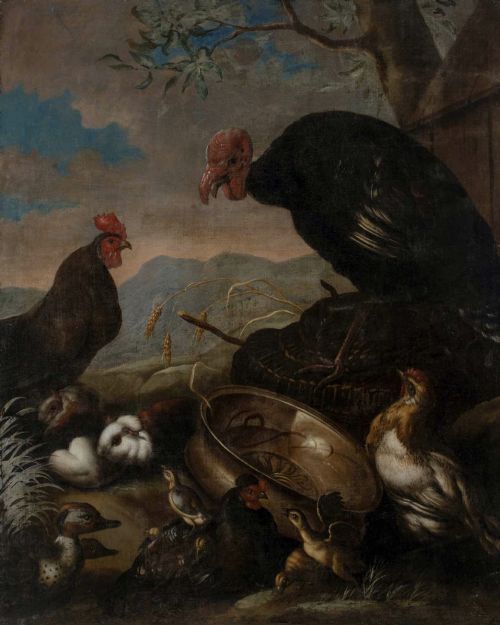
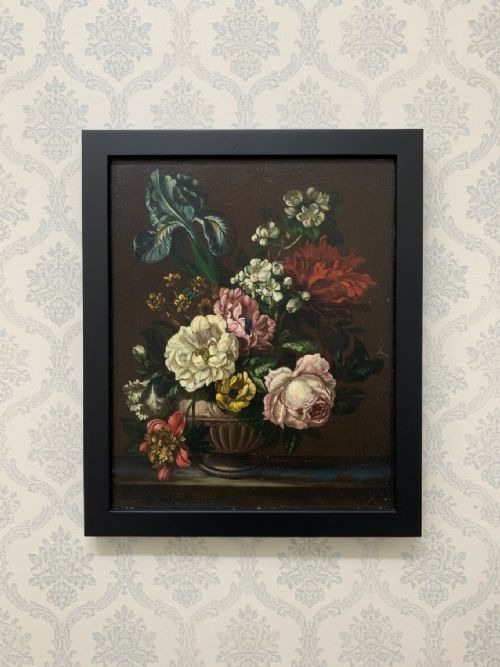
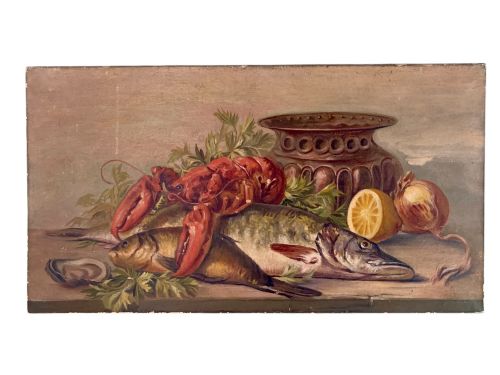
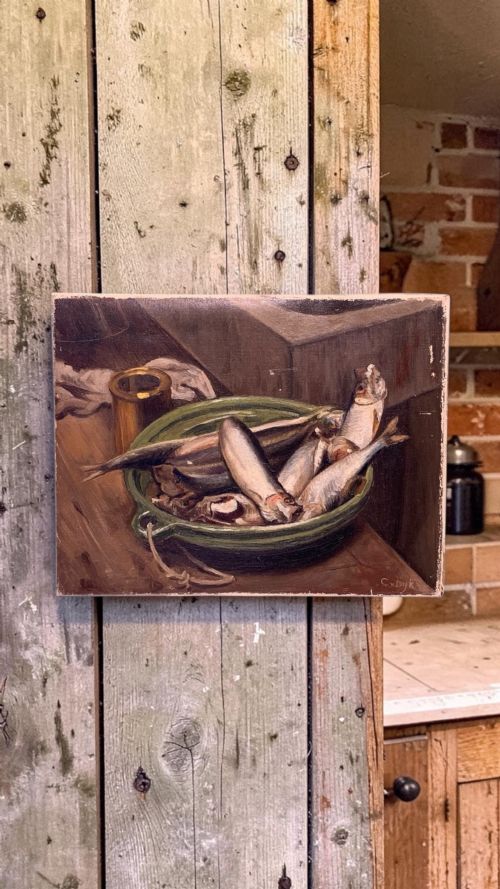
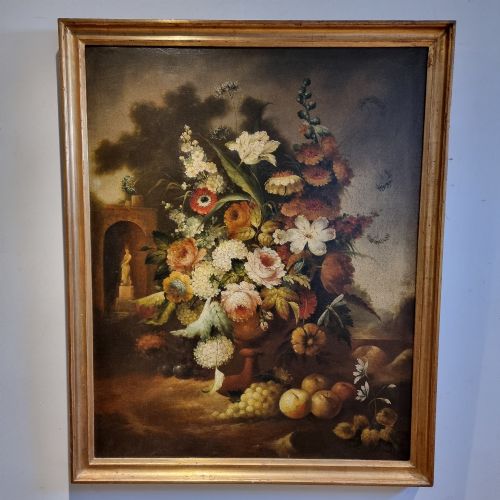
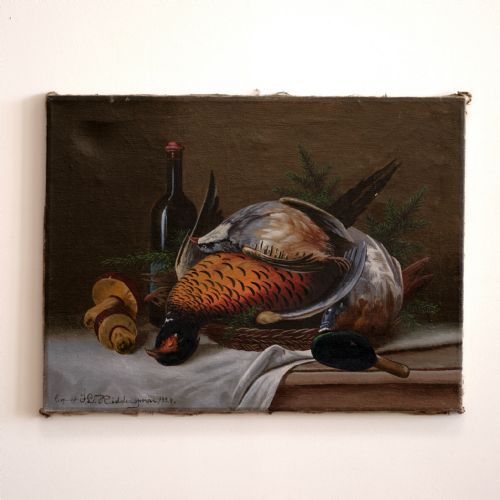
A brown still life painting encompasses centuries of artistic traditions, ranging from seventeenth-century Dutch school compositions to mid-century modern interpretations. These works frequently depict game birds, hares, fish, and arrangements of fruit or flowers set against dark, muted backgrounds.
The selections available here lean heavily towards nineteenth-century oil paintings and watercolours, alongside early twentieth-century British and French school pieces. Buyers will also encounter mid-century abstract canvases and traditional panel paintings that utilise these restrained, earthy palettes.
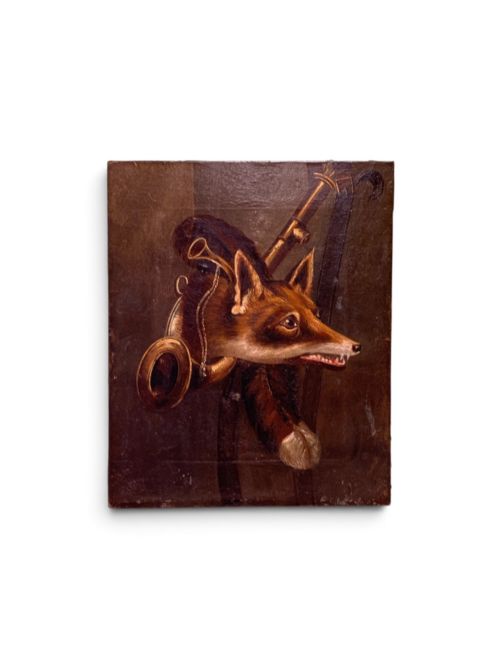
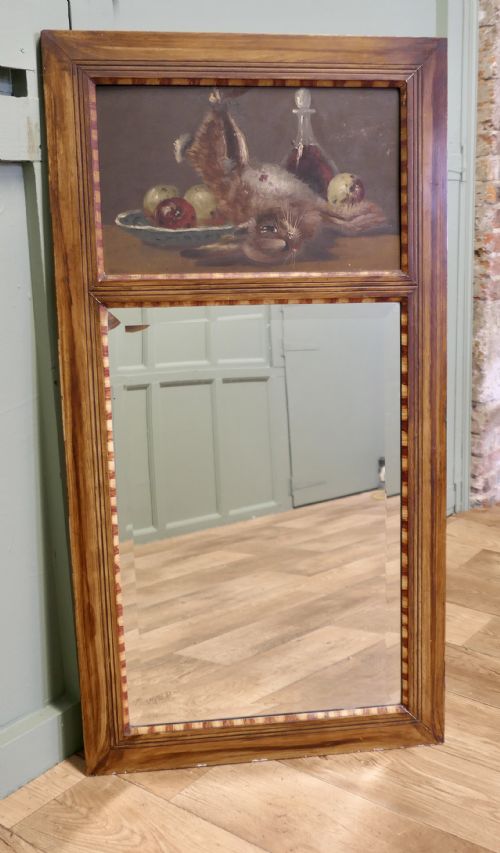
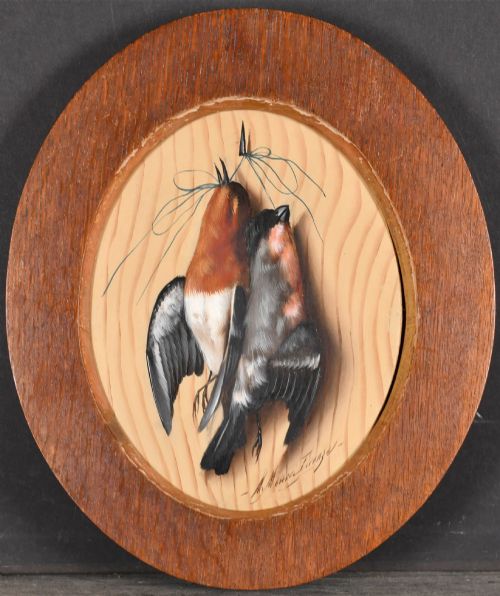
Subjects stretch beyond standard tabletop arrangements to include trompe l'oeil displays, sporting catches, and vanitas pieces meant to remind viewers of life's transience. The common thread uniting these diverse periods and objects is the predominance of rich browns,ochres, and deep shadows.
How They Were Made
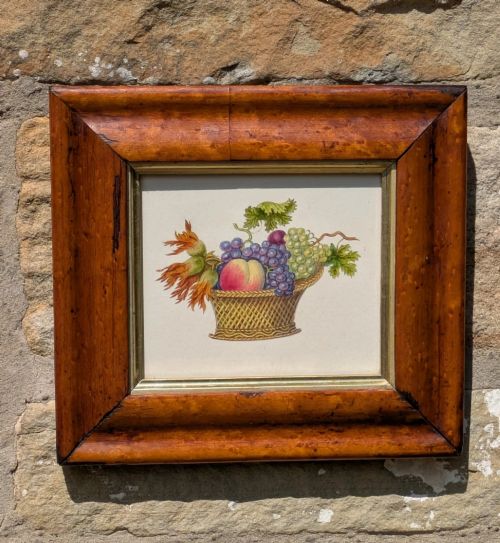
Artists working within this genre relied primarily on oil paint applied to canvas or wood panel, building up deep, sombre tones through successive glazes. Watercolours and bodycolour on paper also appear frequently, particularly in nineteenth-century British studies of flowers and game.
Preparatory grounds and underpainting played a crucial role in establishing the characteristic dark warmth of these scenes, allowing subtle shifts in light to define the contours of fruit, feathers, and vessels. Frames executed in gilt wood or simpler wooden profiles often complete the construction.
Brown Still Life Painting Retail Price Guide 2026
Typical asking prices for brown still life painting among the pieces listed under this phrase on Sellingantiques today, from the lower quarter to the upper quarter. They describe what is for sale here now, not the wider market.
Several artists demonstrated a peculiar fondness for painting dead game birds right beside cheerful spring flowers and biscuits.
What Varies in Quality
Quality reveals itself in the handling of light across textured surfaces, such as the glistening feather of a pheasant or the matte skin of a terracotta pot. Superior works demonstrate a confident command of tonal depth and shadow rather than mere reliance on a monochromatic palette.
Compositional balance and the rendering of fine details, from delicate flower petals to the patina on an earthenware jug, separate standard decorative pieces from accomplished fine art examples. The strength of the artist's draftsmanship and the preservation of the original paint layer ultimately dictate the standing of each piece.
George Sydney Shepherd·Angelo Maria Crivelli·Michelangelo Meucci·Else Preußner·James Tower·Henri Joseph Pauwels·Lester Sutcliffe·Niels Wiwel·Terence Loudon·Girieud·Robin MacKertich·Gustav Goemans·Faith Kenworthy Brown·Olive Higginbottom·David Brownsworth
The Brown Still Life Painting Glossary
- Vanitas
- An artistic motif using symbolic objects like skulls, decaying fruit, or extinguished candles to remind the viewer of human transience and earthly vanity.
- Trompe l'oeil
- A painting technique designed to create optical illusions of three-dimensional space and reality, often featuring objects hanging flat against a surface.
- Bodycolour
- Watercolour mixed with a white pigment to make it opaque, adding weight and density to painted highlights and details.
- Oil on panel
- A traditional painting method where pigments bound in oil are applied directly to a prepared wooden board rather than stretched fabric.
- Trumeau
- An architectural mirror or panel set into a wall, frequently incorporating painted scenes within its upper section.
Brown Still Life Painting: Frequently Asked Questions
What subjects appear in these paintings?
These works typically depict inanimate subject matter, including game animals like hares and pheasants, bowls of fruit, and arrangements of spring flowers in jugs.
Artists also turned their attention to everyday household objects, fish, and symbolic arrangements designed to evoke reflection.
How were these artworks displayed?
Historical interiors often featured these dark compositions within dining rooms, libraries, or studies, where their sombre tones complemented wood panelling and heavy furniture.
Today, they function effectively as focal points on neutral walls or paired with vintage mirrors and room dividers.
How do I identify seventeenth-century pieces?
Seventeenth-century works often reflect the influence of the Dutch Golden Age, focusing on dramatic lighting against very dark backgrounds with meticulous attention to textures.
Examining the canvas preparation, panel construction, and framing conventions helps distinguish these early pieces from later nineteenth-century revivals.
What distinguishes watercolour from oil versions?
Watercolour paintings on paper offer a lighter, more immediate execution, frequently capturing botanical studies or swift sketches of game and floral arrangements.
Oil paintings on canvas or panel allow for richer impasto, deeper shadow buildup, and greater durability over centuries of display.