
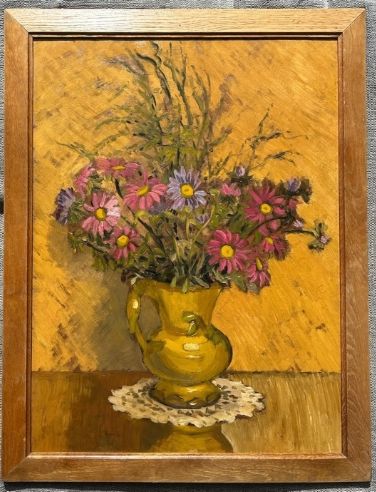
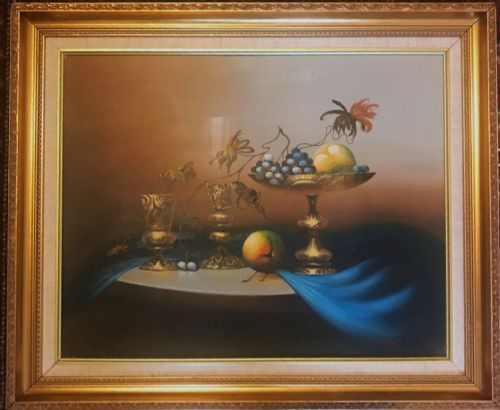
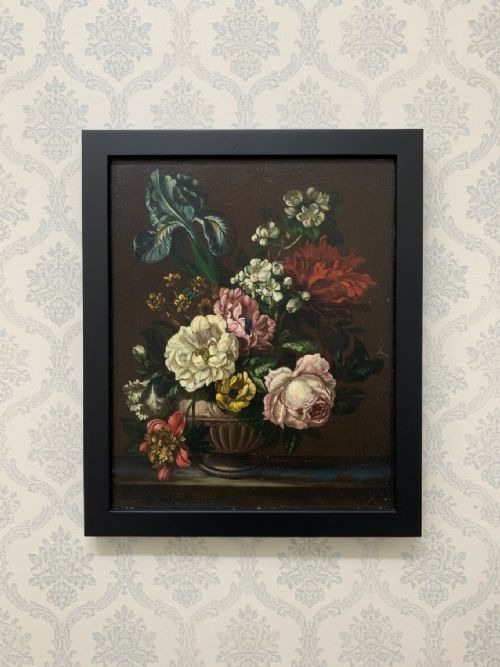
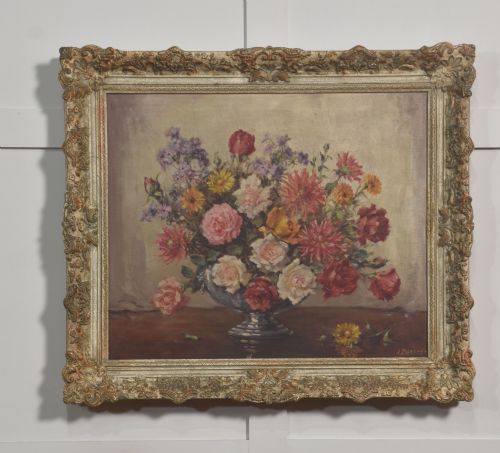
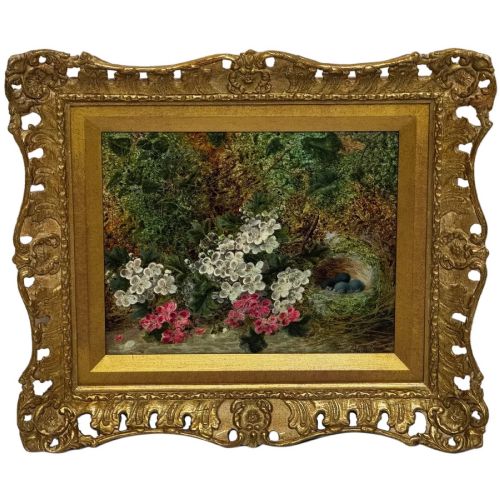
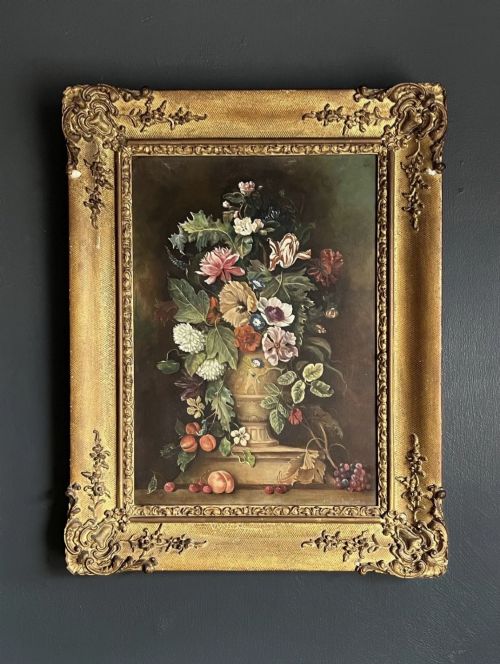
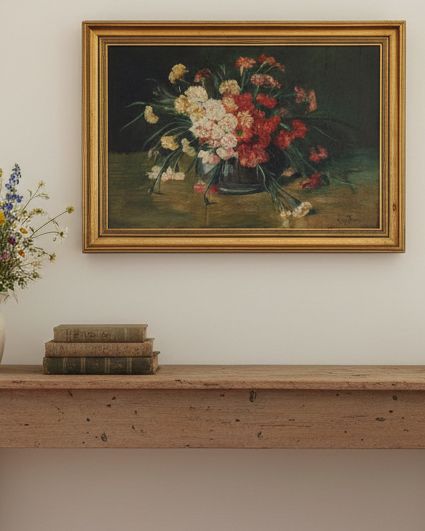
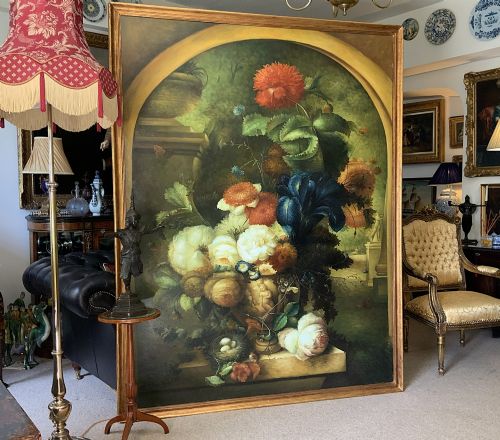
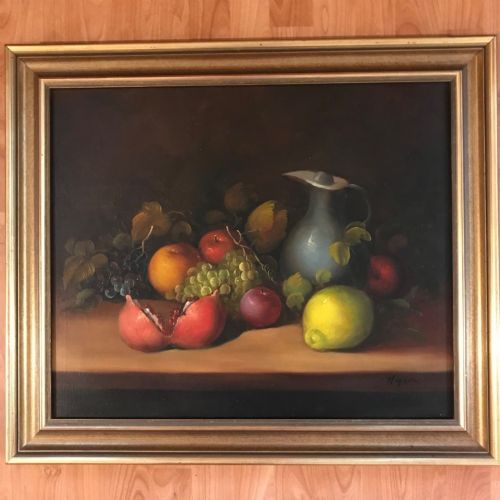
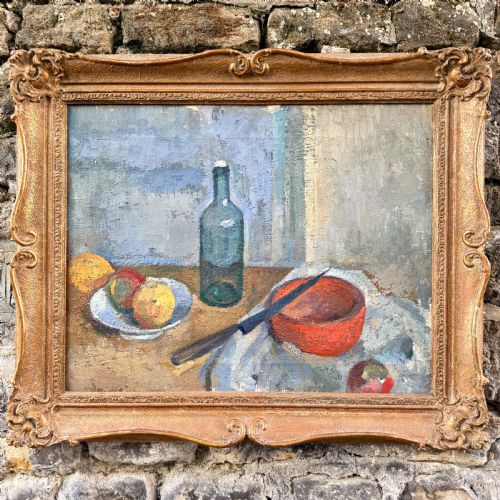
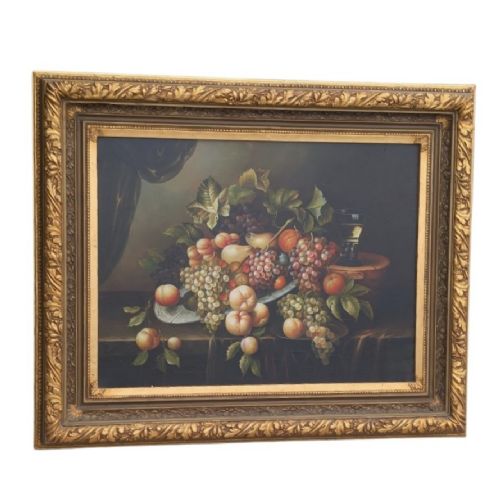
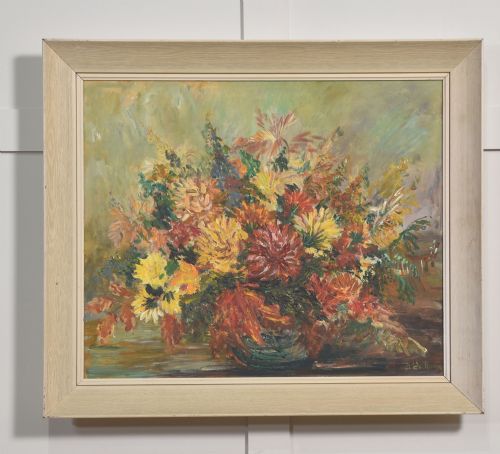
Framed Still Life Artwork
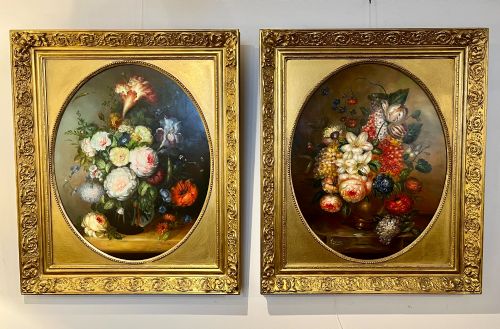
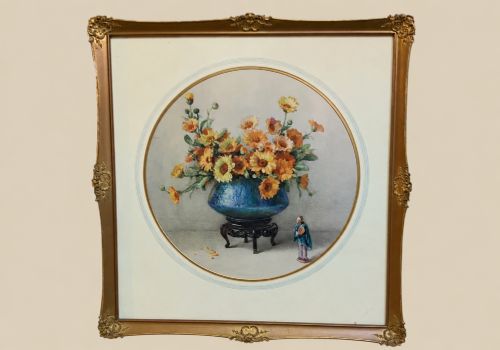
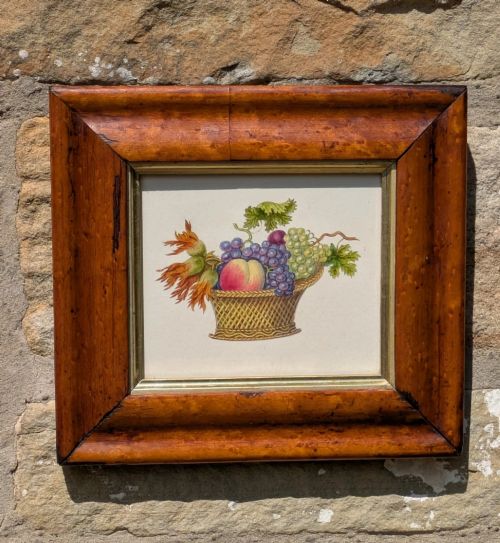
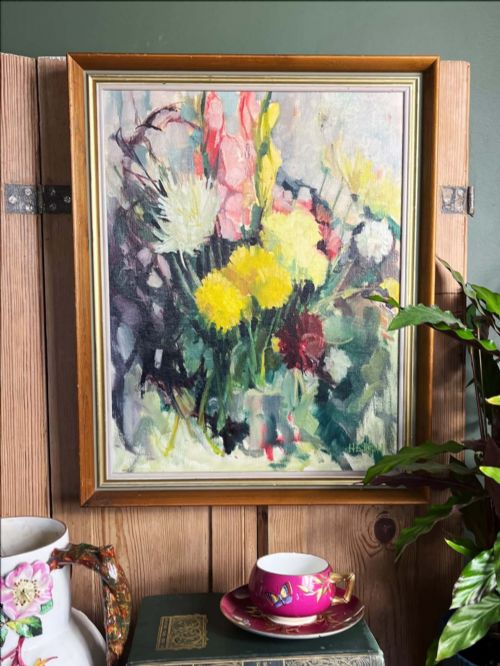
Framed still life artwork brings domestic intimacy and botanical studies into a room through oil paint and watercolour.
Framed Still Life Artwork
A framed still life artwork presents carefully arranged inanimate objects, from fruit and flowers to ceramics and game, captured across various centuries. These pieces function as window displays of everyday arrangements preserved by artists through careful observation.
The selections available here span from nineteenth-century Victorian compositions to mid-century modern interpretations. Works range from intimate watercolours on paper to monumental oil paintings housed in ornate gilt frames.
How they were made
Artists built these compositions primarily using oil paint applied to canvas, panel, or board, often creating rich textures and deep shadows. Some examples utilise watercolour on paper for a lighter, more transparent finish.
Framed Still Life Artwork Retail Price Guide 2026
Typical asking prices for framed still life artwork among the pieces listed under this phrase on Sellingantiques today, from the lower quarter to the upper quarter. They describe what is for sale here now, not the wider market.
Listings feature wood, canvas, oil paint, gold leaf, and glass across periods from the seventeenth century to the mid-twentieth century.
What varies in quality
Technical execution separates individual pieces, visible in the handling of light, shadow, and perspective upon natural forms like fruit skin or flower petals. Stronger works demonstrate convincing depth and tonal balance.
The quality and period of the framing also influence the overall character, with hand-carved gilt gesso frames offering greater integration with the painting than later replacements.
Oliver Clare·Edward Ladell·Michelangelo Meucci·Emma Fordyce MacRae·Gaspar Peeter Verbruggen
The Framed Still Life Artwork Glossary
- Oil paint
- A slow-drying paint made from pigment suspended in a drying oil, typically linseed. This medium allows artists to build rich layers and subtle tonal gradations.
- Gilt gesso
- A plaster-like material applied to wooden frames and coated in gold leaf. It provides a reflective surface that frames the artwork.
- Trompe l'oeil
- An art technique involving extremely realistic imagery that creates the optical illusion that the depicted objects exist in three dimensions.
- Oleograph
- A mechanical colour lithograph print textured to imitate an oil painting on canvas. These appeared widely in the nineteenth and twentieth centuries.
- Panel
- A flat wooden board used as a rigid support for painting instead of stretched canvas. Panels often date to earlier periods of production.
Framed Still Life Artwork: Frequently Asked Questions
How do I hang a heavy framed still life?
Heavy oil paintings require sturdy fixings screwed directly into wall studs or appropriate wall anchors to support the weight of the wooden frame and canvas.
Position the centre of the artwork at eye level to ensure proper viewing proportions within the room.
Where should I place a still life painting?
Dining rooms, kitchens, and living spaces provide natural contexts for framed still life artwork depicting food, flowers, and household objects.
Keep pieces away from direct sunlight and excessive moisture to protect the oil paint and gilt frames.
How do I identify the period of a painting?
Examine the canvas preparation, stretcher bars, and the style of the wooden frame for manufacturing clues characteristic of specific centuries.
Signatures, artist inscriptions, and backboard labels also help establish a reliable timeline for the piece.
What is the difference between oil and watercolour?
Oil paintings feature thick, opaque pigments that can be layered and reworked over time to create deep shadows and luminous highlights.
Watercolours utilise translucent pigments on paper, resulting in a lighter, more immediate composition that requires protective glass framing.