
Framed Floral Canvas Art
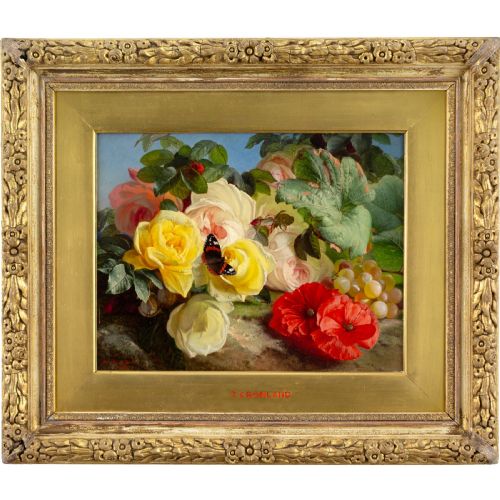
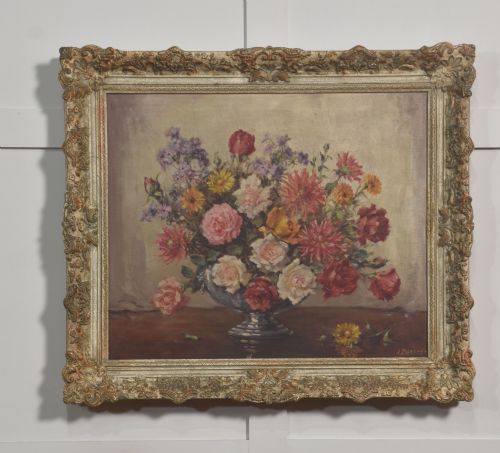
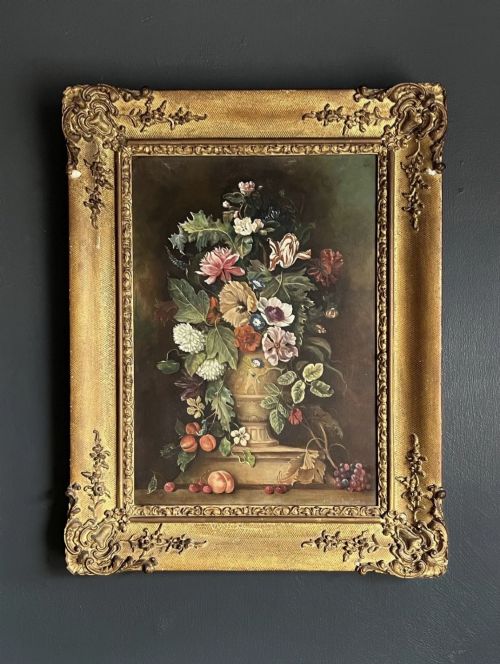
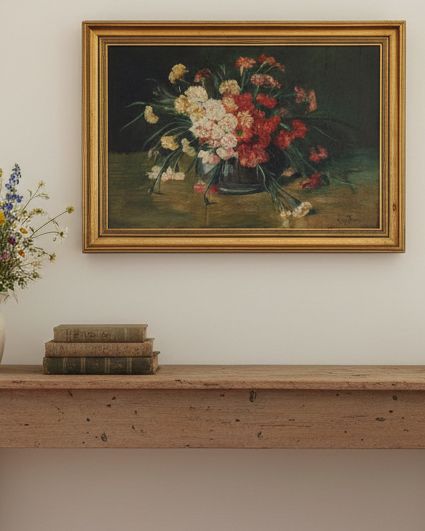
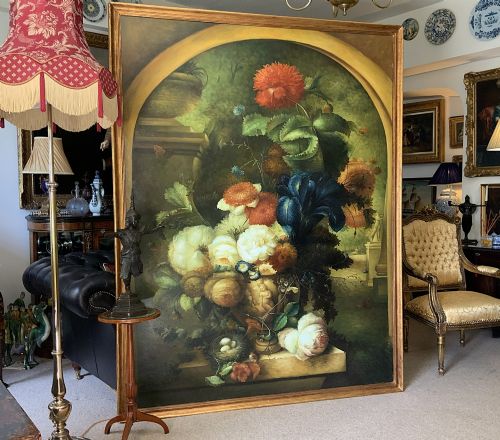
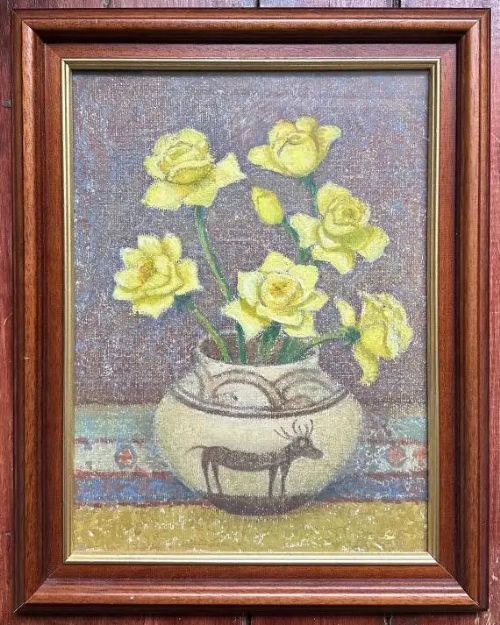
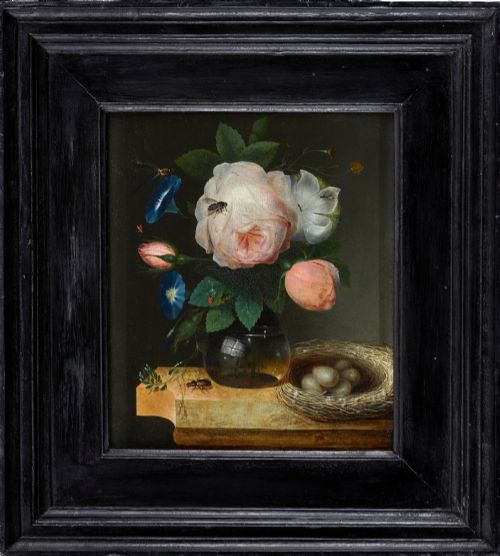
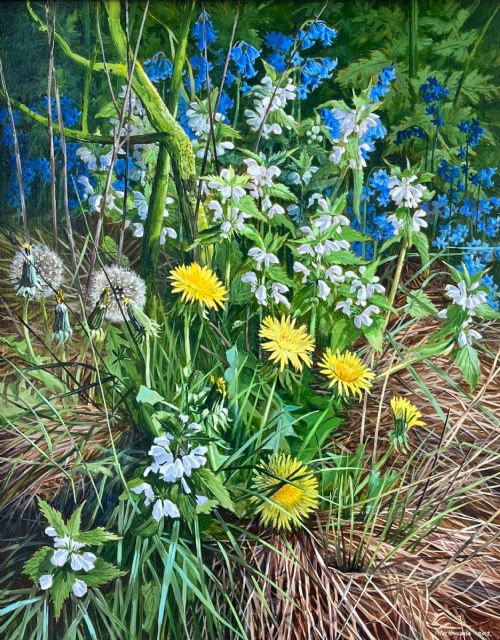
Framed floral canvas art brings together centuries of painted blooms, captured in oil paint and held within protective wooden surrounds.
Framed Floral Canvas Art
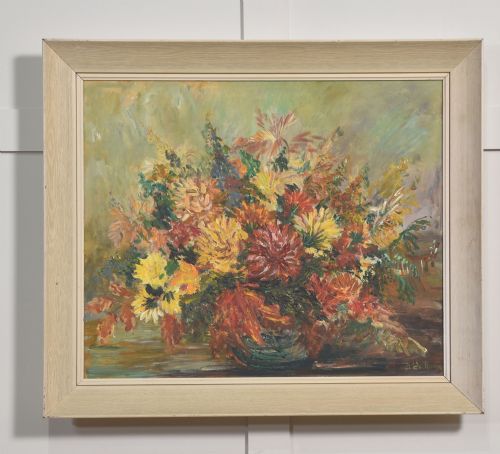
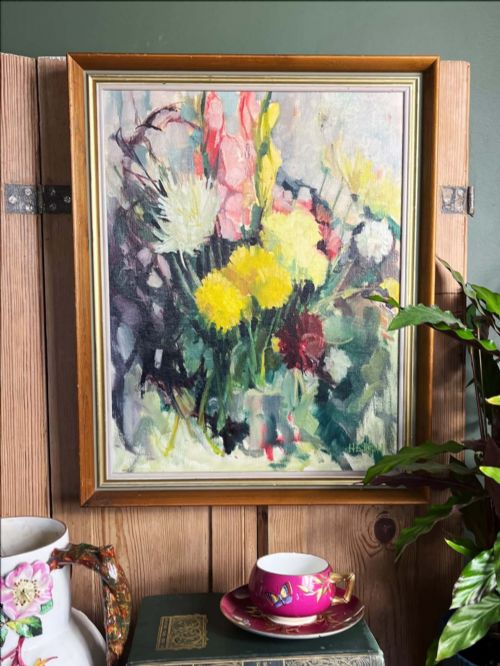
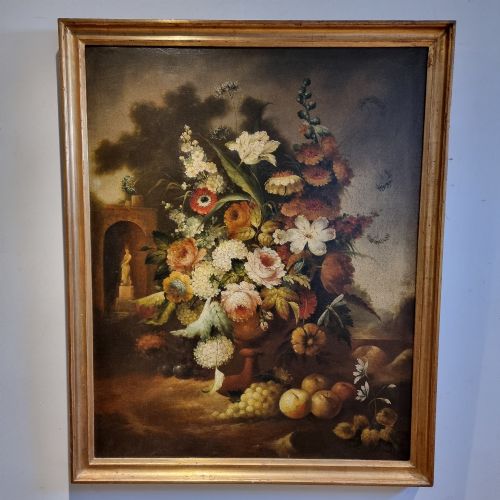
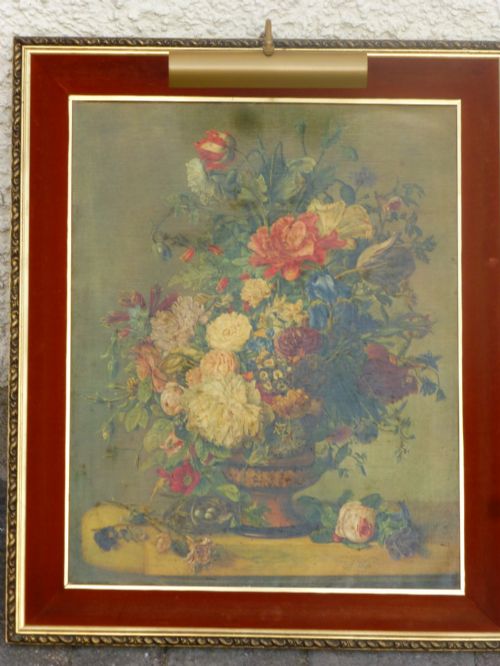
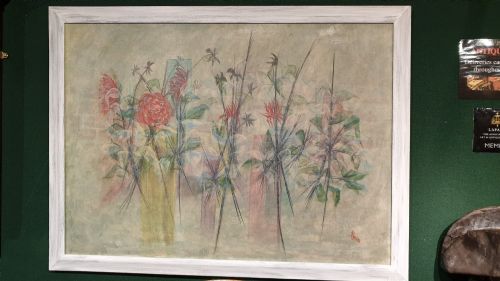
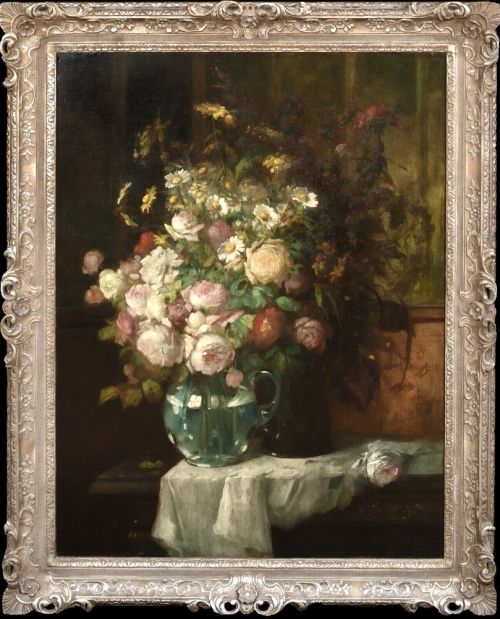
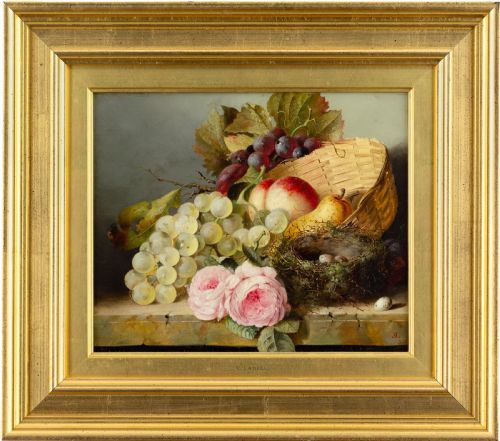
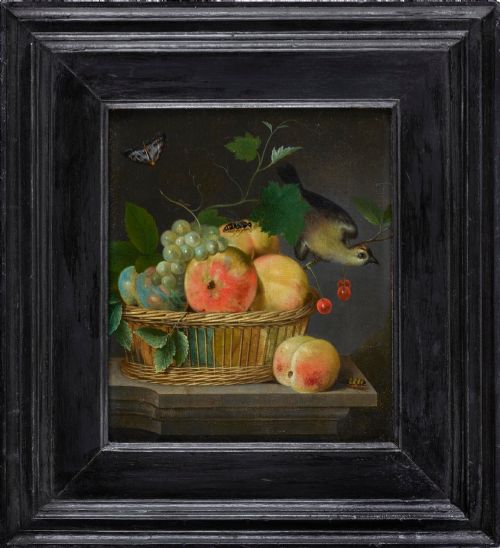
Framed floral canvas art comprises oil paintings on canvas depicting flowers, still lifes, and botanical arrangements. These works span from the seventeenth century through the mid-twentieth century, encompassing periods like the Dutch Golden Age style, Victorian era, and Mid-Century Modern.
Buyers frequently encounter works executed in oil paint on canvas or board, often housed in gilt, gesso, or carved wooden frames. The selection ranges from monumental Dutch-style still lifes to intimate mid-century impressionist floral displays.
Represented origins stretch across British, Dutch, Flemish, Austrian, French, and Belgian artistic traditions. Works appear in both signed original formats and later decorative interpretations.
Materials and Technique
Artists built these pieces using oil paint applied to stretched canvas or wooden boards. Pigments were layered to create depth in petals, leaves, and vases.
Surrounding surrounds consist of wood finished with gesso and gold leaf or gilt paint. Moulded ornament provides the decorative weight characteristic of period framing.
Framed Floral Canvas Art Retail Price Guide 2026
Typical asking prices for framed floral canvas art among the pieces listed under this phrase on Sellingantiques today, from the lower quarter to the upper quarter. They describe what is for sale here now, not the wider market.
Listings span periods from the 17th century through the 1960s, utilising canvas, wood, oil paint, and gold leaf.
Quality Variations
Execution and brushwork separate skilled painting from standard production. Master painters handle light, shadow, and botanical detail with precision.
Frame construction and material integrity influence overall standing. Original gilt gesso frames executed with crisp moulding contrast with later replacements or simplified surrounds.
Theude Grönland·I. Berezny·D. L. Williams·Konstantin Stoitzner·Edward Ladell·Emma Fordyce MacRae·Gaspar Peeter Verbruggen·Peter Newcombe·Harold Clayton·Edwin Steele·Manuela Bonati·William Thomas Wood·Victor Simonin·Owen Bowen·Gertrude Hayes·Simon Pietersz Verelst·Thomas Bromley Blacklock·Amile Coppieters·Florence Hess
The Framed Floral Canvas Art Glossary
- Canvas
- A heavy woven fabric used as a surface for oil painting. It provides the tensile strength required for large-scale stretched artworks.
- Gilt
- A thin layer of gold leaf or gold paint applied to wood or gesso surfaces. It provides a reflective, decorative border to the artwork.
- Gesso
- A plaster-like mixture applied to wooden frames as a base for moulding and gilding. It allows for intricate relief ornamentation.
- Impressionism
- An art style focused on loose brushwork and the play of light rather than exact botanical replication. It appears frequently in twentieth-century floral pieces.
- Still Life
- A painting genre focused on inanimate subject matter, prominently featuring cut flowers, fruit, and vessels. It forms the core of botanical canvas art.
Framed Floral Canvas Art: Frequently Asked Questions
How do I identify the period of a floral canvas?
Dating relies on stylistic clues, framing techniques, and the construction of the canvas support. Earlier works from the seventeenth and eighteenth centuries often display darker backgrounds and classical Dutch arrangements, while twentieth-century pieces lean towards impressionistic brushwork and brighter palettes.
The physical backing also offers clues. Older canvases show hand-stretched linen and weathered wooden stretchers, whereas mid-century examples feature standardised commercial canvas boards and modern framing methods.
Are these works original oil paintings?
Many examples are original, hand-painted works in oil on canvas or board, created by named and regional artists. Brushstrokes retain tactile texture, and the pigment shows natural variation under close inspection.
The selection also includes period oleographs and print reproductions finished with varnish, which imitate the appearance of textured oil paintings while utilising mechanical print technology.
How should I hang and display these paintings?
Display requires stable wall conditions away from direct sunlight and excessive humidity. Because oil paint and canvas react to environmental shifts, keeping pieces clear of radiators preserves both the canvas and the gilt frame.
Secure hanging involves using appropriate wall fixings matched to the weight of the wooden frame. Monumental works demand heavy-duty picture hooks anchored directly into wall studs or masonry.
What is the significance of a gilt gesso frame?
Gilt gesso frames provide historical context and aesthetic balance to oil paintings. The combination of carved wood, moulded gesso, and gold leaf creates a reflective boundary that isolates the painted flowers from the surrounding wall.
Original frames matched to the canvas enhance the integrity of the piece. Matching the frame style to the painting era ensures the presentation aligns with historical workshop practices.