

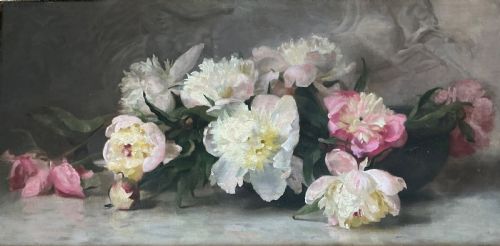


Victorian Floral Still Life
These Victorian floral still life paintings bring vibrant blooms onto canvas and paper, offering a lasting glimpse into nineteenth-century botanical arrangement.
What They Are
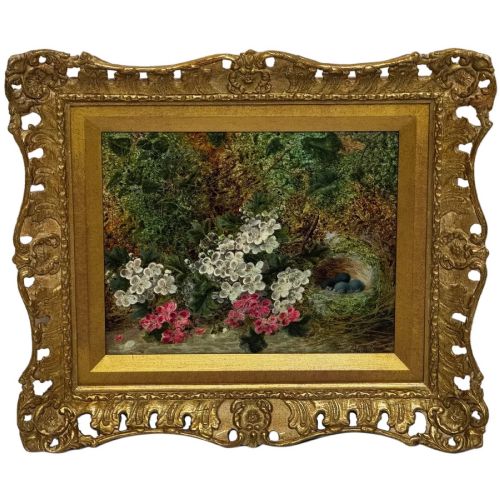
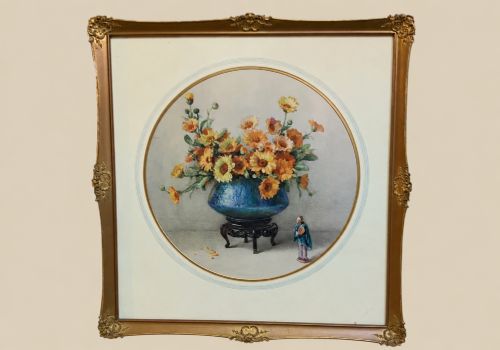
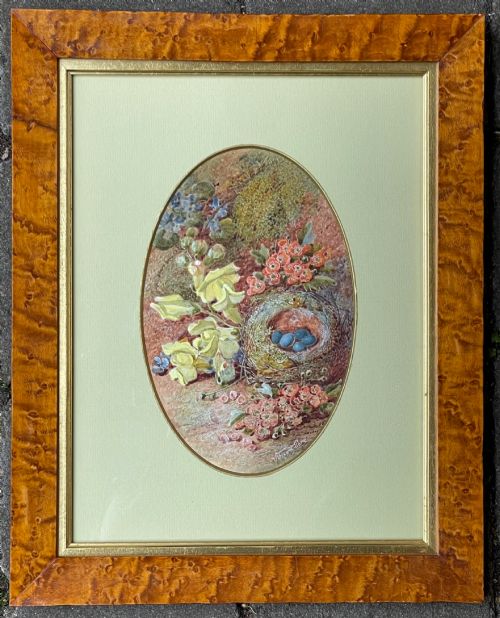
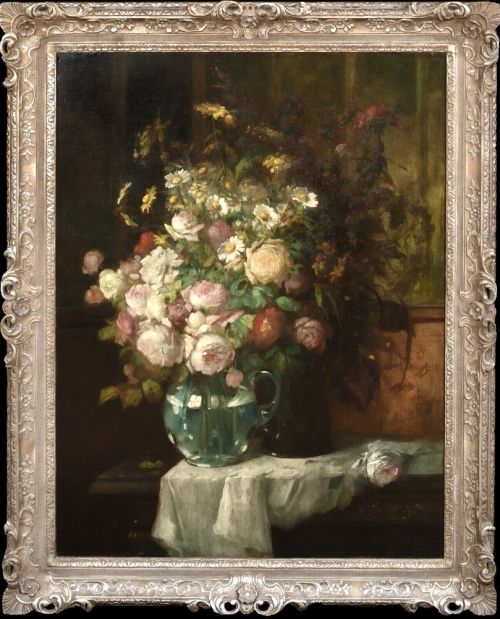
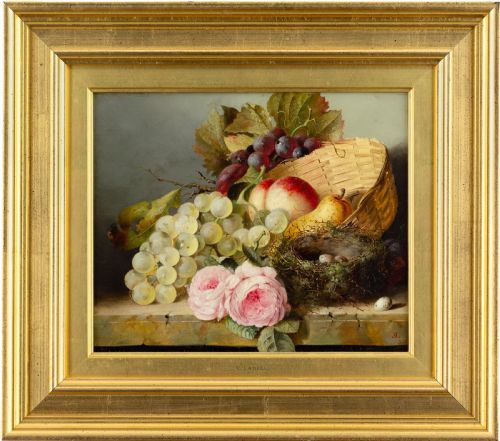
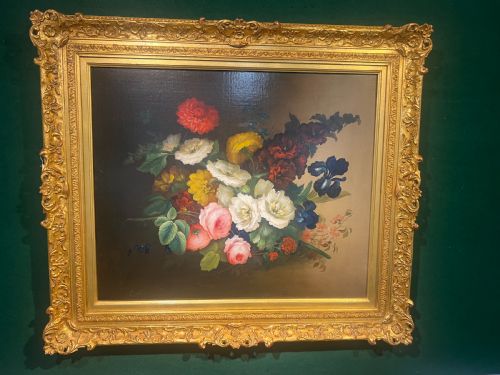
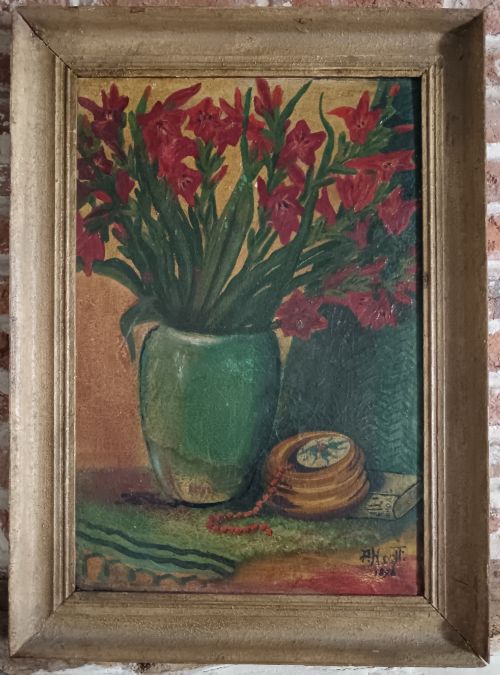
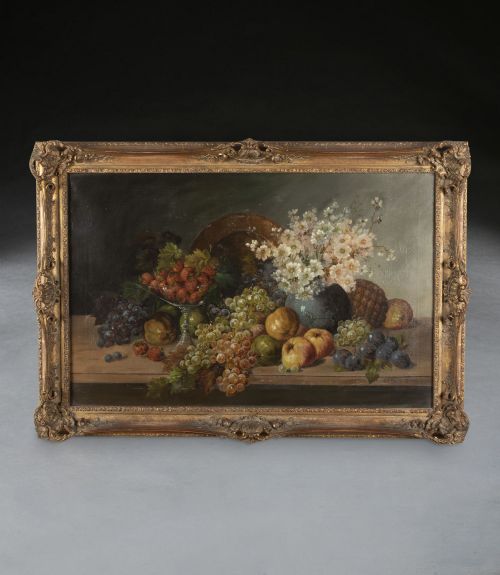
When you search for a Victorian floral still life, you find oil paintings, watercolours, and painted screens depicting flowers and fruit. These pieces capture detailed studies of chrysanthemums, apple blossoms, and seasonal bouquets.
The selections on this page span the Victorian era, the nineteenth century, and nineteen-twenty, encompassing both canvas board and traditional canvas supports.
Originating from British and Swiss makers, these works range from intimate studies of individual vases to paired decorative fruit pictures.
How They Were Made
Artists painted these works using oil paint and watercolour on canvas, canvas board, and paper surfaces. These pigments capture the subtle colour shifts and textures of petals and leaves.
Many of these paintings reside in their original wood, giltwood, or gilded wood frames, often enhanced with moulded gesso detailing.
Retail Price Guide 2026
Typical UK retail prices for victorian floral still life, calculated from the Sellingantiques database of over a million retail prices indexed since 2003. This retail price guide relies exclusively on Sellingantiques data; no external sources or auction records are used, so the figures do not describe the wider market.
What Varies in Quality
The standard of a Victorian floral still life rests on the precision of the brushwork and the naturalism of the floral arrangement. Finer examples display meticulous attention to botanical accuracy and light.
Framing also distinguishes these pieces, as original giltwood and gesso surrounds elevate the visual presence of the artwork compared to later replacements.
L. Wilford·Emily Selinger·Helen Cordelia Angell·Wiliam Stephen Coleman
The Victorian Floral Still Life Glossary
- Canvas board
- A rigid board surfaced with primed canvas cloth. It provides a stable base for oil paintings.
- Giltwood
- Wood carved and coated with gold leaf or a gold-coloured finish. This material characterises traditional picture frames.
- Gesso
- A plaster-like mixture applied to wood frames before gilding. It allows for intricate, moulded decorative details.
- Watercolour painting
- A work executed with water-soluble pigments on paper. This medium produces translucent layers of colour.
Frequently Asked Questions
What subjects appear in these paintings?
These works focus primarily on botanical subjects, featuring bowls of flowers, chrysanthemums in vases, and arrangements of fruit.
Artists also depicted apple blossoms and decorative floral scenes on painted screens.
How should I hang these paintings?
These pieces suit wall display in principal rooms, drawing rooms, or studies where their traditional frames can complement the interior.
Ensure they are placed away from direct sunlight to protect the pigments on canvas and paper.
What periods do these works represent?
The pieces span the Victorian era and the wider nineteenth century, extending into nineteen-twenty.
Stylistic influences include the Aesthetic Movement alongside traditional Victorian naturalism.
Are watercolours common in this category?
Watercolour paintings appear alongside oil on canvas and canvas board works.
These watercolours offer delicate, detailed renderings of floral subjects.