
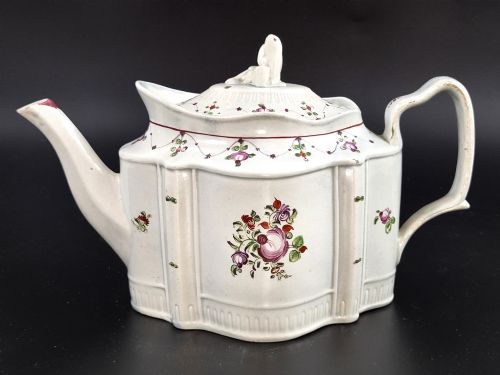

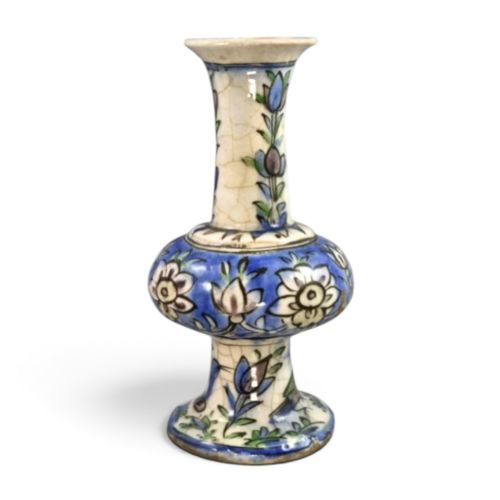
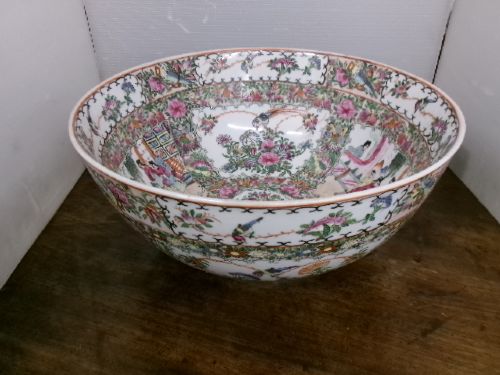
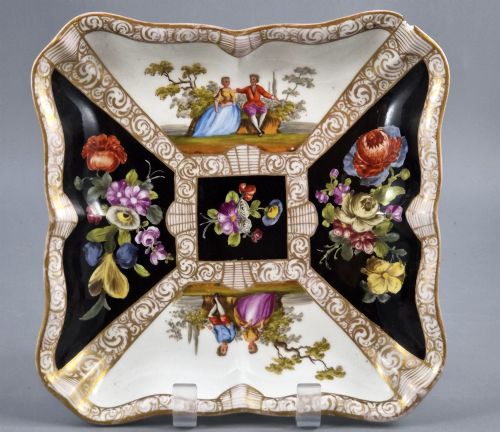
19th Century Floral Painting
When you search for 19th century floral painting, you encounter delicate botanical watercolours, robust oil still lifes, and handpainted porcelain depicting blooms.
19th Century Floral Painting
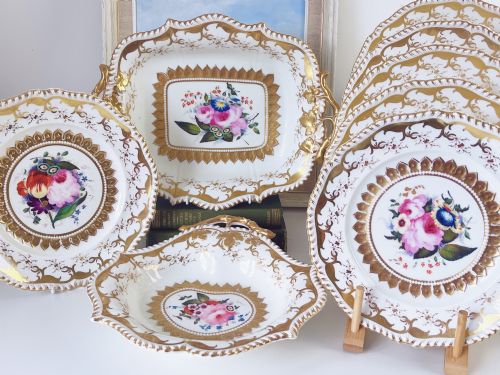
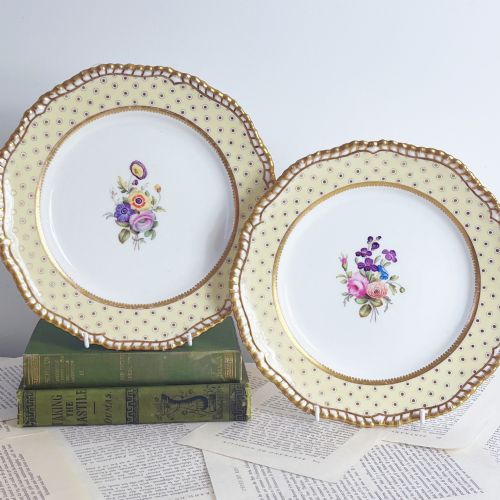
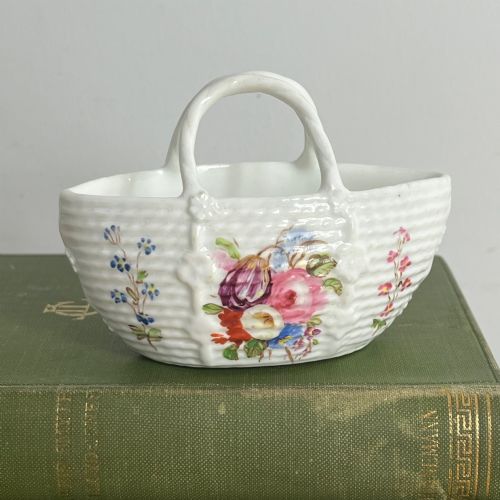
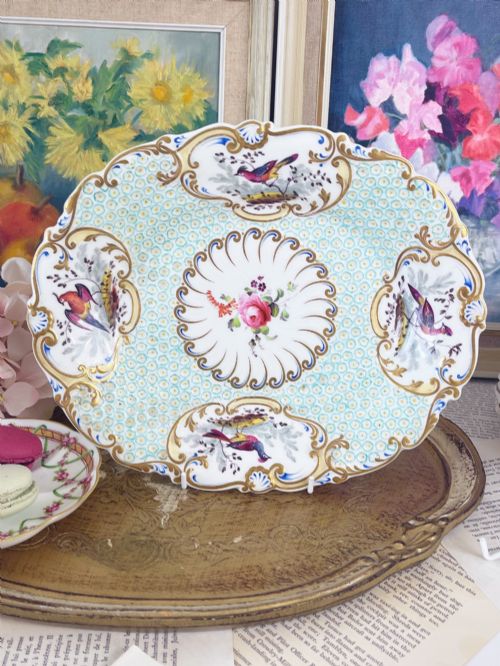
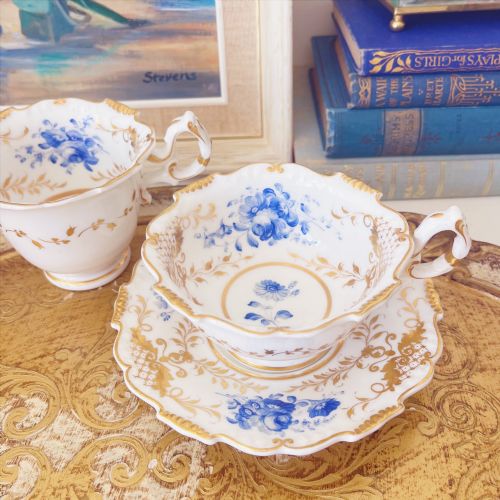
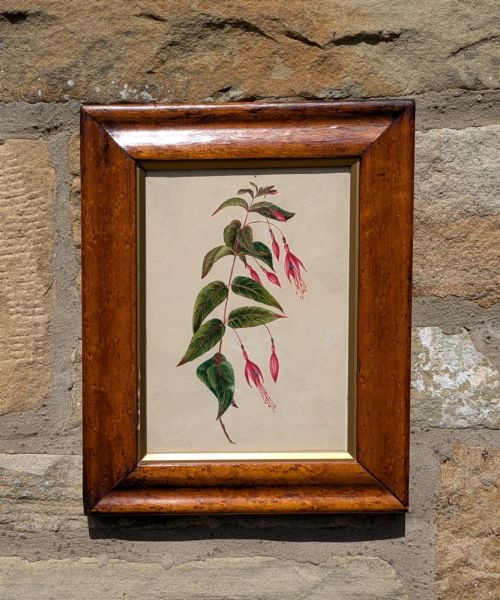
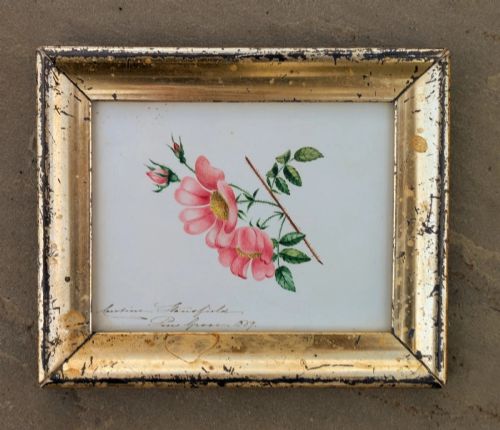
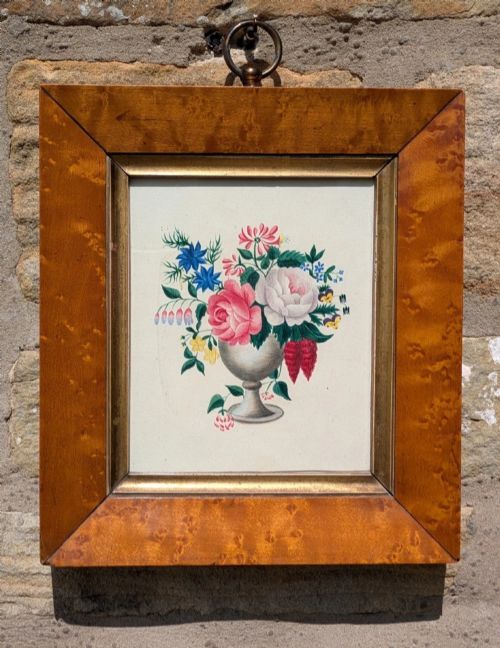
When searching for 19th century floral painting, buyers encounter a diverse selection ranging from framed watercolours and oil canvases to botanical studies on porcelain and ceramic vessels. These pieces capture the era's fascination with natural history, botany, and domestic ornamentation through detailed depictions of roses, fuchsias, and wild flora.
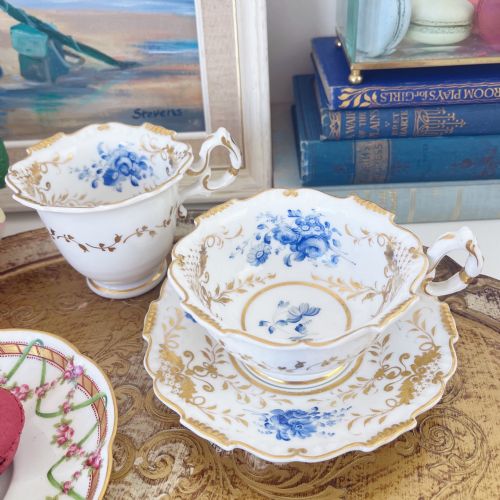
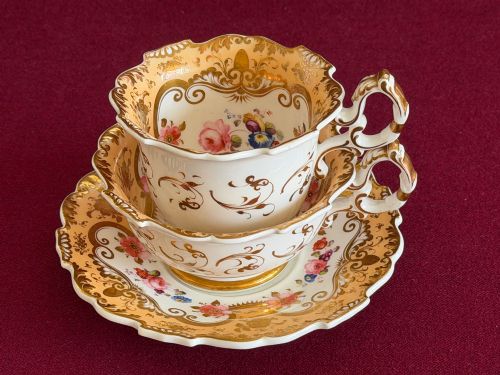
The objects span formal academic oil paintings on wood panels and canvas, intimate watercolour studies, and decorative tableware like dessert services and cabinet cups adorned with painted petals. Pieces from this period often reflect distinct regional traditions, from English botanical watercolours to continental European still lifes.
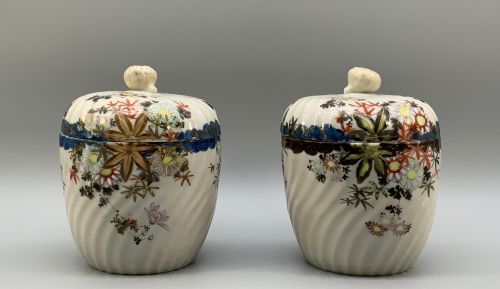
Buyers are most likely to meet English and European porcelain tablewares featuring handpainted botanical motifs alongside framed Victorian oil paintings and works on paper. These items demonstrate the period's blending of utilitarian function with artistic floral decoration.
Materials and techniques
Artists and artisans utilised oil paints on canvas, wood panels, and metal, as well as transparent watercolours on paper to capture botanical subjects. Ceramics were handpainted using polychrome glazes, enamel, and gilt highlights before undergoing high-temperature firing.
Porcelain manufacturing relied on fine pastes formed into tableware and cabinet pieces, then decorated with meticulous brushwork using metallic oxides and gold leaf. Canvas and wood panel preparations provided stable grounds for oil painters applying layered pigments to achieve depth in floral studies.
19th Century Floral Painting Retail Price Guide 2026
Typical asking prices for 19th century floral painting among the pieces listed under this phrase on Sellingantiques today, from the lower quarter to the upper quarter. They describe what is for sale here now, not the wider market.
Listings feature porcelain, earthenware, and glass alongside oil paintings and watercolours on paper.
Quality variations
The standard of execution in a 19th century floral painting is evident in the precision of the brushwork and the naturalism of the botanical forms. Master painters achieved subtlety in petal shading and lighting, whereas lesser examples display rigid lines and repetitive motifs.
Material selection and decorative finishing also differentiate the range, seen in the weight of the porcelain body, the purity of the enamel colours, and the application of gold leaf. Superior ceramic pieces exhibit crisp moulding beneath the glaze and careful alignment of handpainted botanical details.
Grainger Lee and Co·Spode Felspar·Flight Barr and Barr·H and R Daniel·Meissen Porcelain·Sitzendorf Vases·Coalport porcelain
The 19th Century Floral Painting Glossary
- Watercolour
- A painting method where fine pigment is suspended in a water-based, transparent solution applied to paper.
- Gilt
- A thin layer of gold applied to the surface of porcelain, bronze, or wood objects for decorative enrichment.
- Enamel
- Opaque or semi-translucent glassy material fused to ceramics or metal through firing to add colour.
- Cabinet piece
- An ornamental item, often porcelain, made for display in a cabinet rather than for practical household use.
- Still life
- An artwork depicting inanimate subject matter, frequently featuring arrangements of cut flowers or fruit.
19th Century Floral Painting: Frequently Asked Questions
What subjects appear in these paintings?
Artisans and painters focused on botanical studies, garden roses, fuchsias, and elaborate floral arrangements in urns.
These depictions often drew inspiration from contemporary interest in natural history and horticulture.
How were floral designs applied to porcelain?
Craftsmen handpainted floral motifs directly onto glazed surfaces using mineral pigments and enamels before secondary firing.
Gold leaf and gilt accents were frequently added to frame the painted flowers on cabinet plates and cups.
Where were these ceramic pieces made?
Production centres included English factories in Worcester, Staffordshire, and Derby, alongside continental European kilns.
Each region maintained distinct ceramic bodies and painting styles that developed over the course of the century.
How should fragile painted items be displayed?
Framed watercolours require placement away from direct sunlight to prevent the fading of delicate pigments on paper.
Ceramics and porcelain with handpainted enamel benefit from stable indoor environments protected from sudden temperature shifts.