


Edwardian Still Life Painting
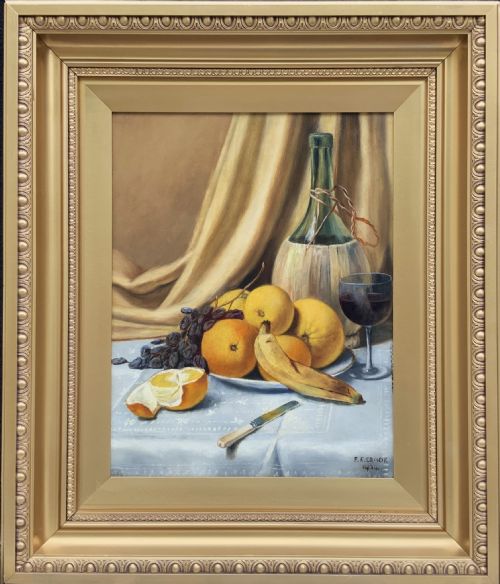
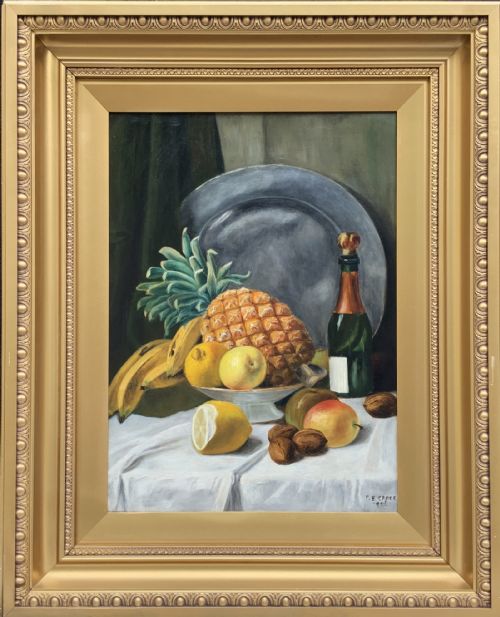
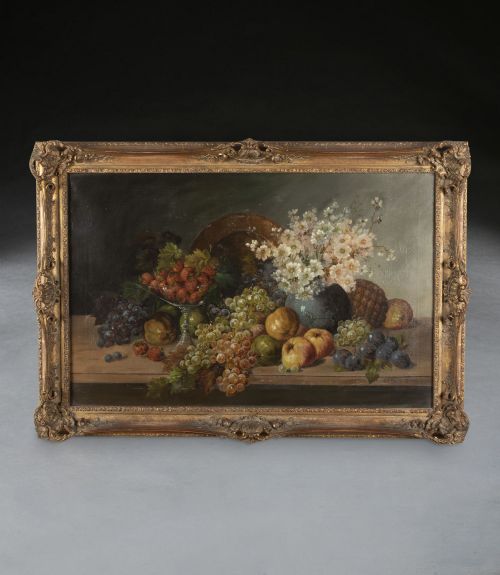
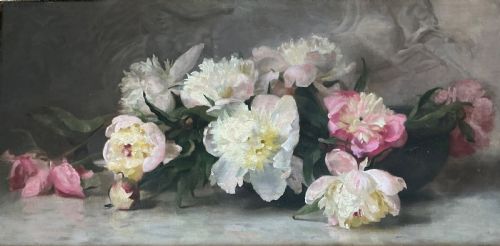
Edwardian still life painting brings quiet domestic warmth to a room, capturing floral arrangements and fruit studies through oil and watercolour.
Edwardian Still Life Painting
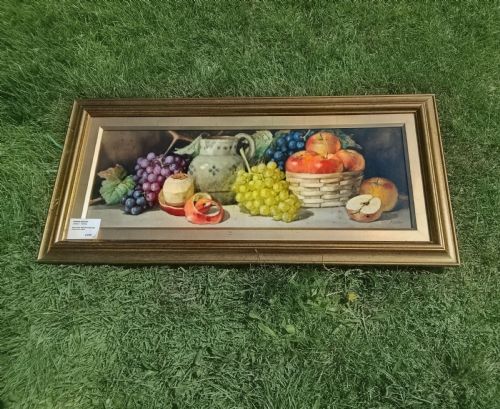
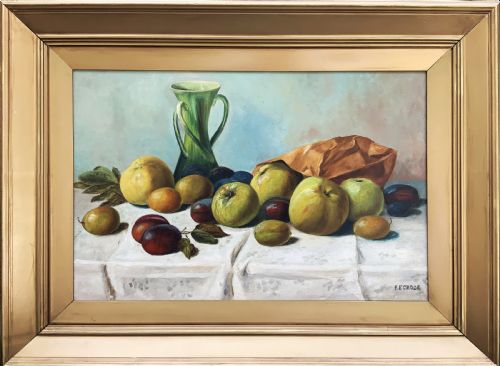
An edwardian still life painting captures natural subjects such as summer flowers, roses, and fruit arrangements arranged carefully within domestic spaces. The selection on this page draws from late nineteenth-century origins through to the early decades of the twentieth century, reflecting shifting tastes in British art.
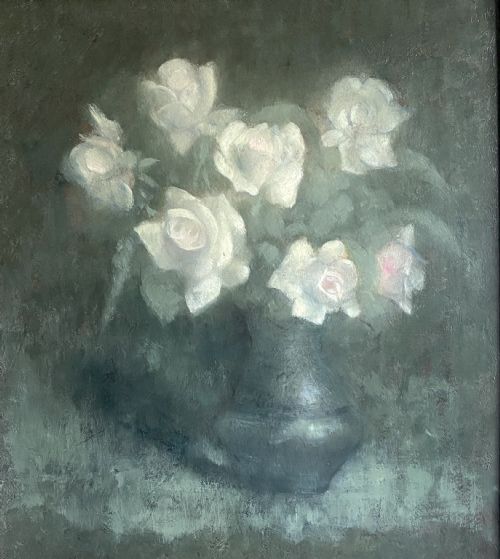
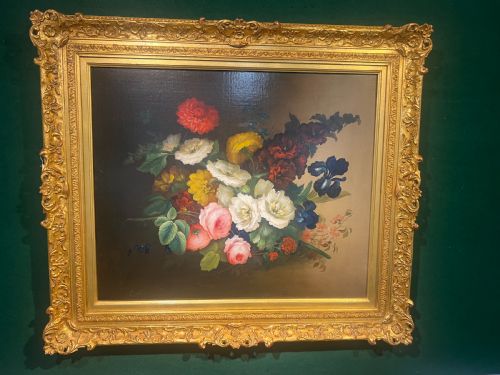
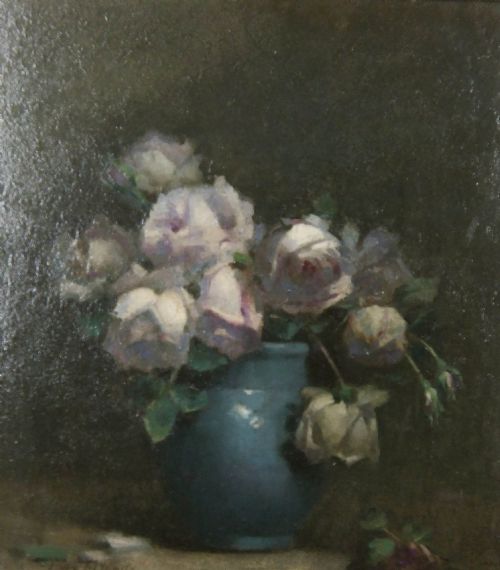
Most examples you encounter combine traditional oil paint on canvas or board with gilt frames, alongside delicate watercolour paintings on paper. Floral studies dominate the selection, featuring subjects like white roses, peonies, and pelargoniums.
While many works originate securely within the Edwardian period and adjacent decades, the broader category encompasses nineteenth-century antecedents and early twentieth-century interpretations. These paintings range from intimate fruit studies to large decorative canvases designed for formal interiors.
How they were made
Artists of this era typically applied oil paint to stretched canvas or wooden board, building up textures with brushwork that captured the softness of petals and the sheen of fruit. Watercolour paintings on paper offer a lighter alternative, often preserved under glass within ornamental frames.
Gilt frames and gesso mouldings provide the traditional housing for these works, adding a metallic brilliance that complements the pigments of the composition. Gold leaf details occasionally accent the framing to enhance the visual weight of the artwork.
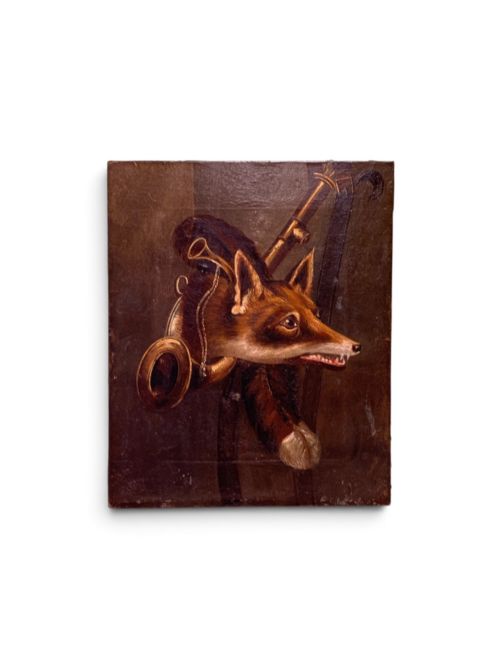
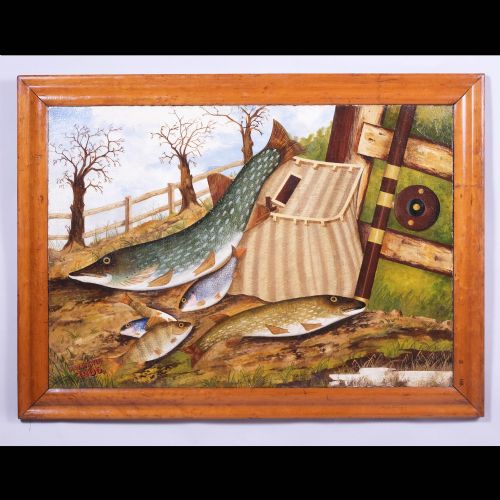
A surprising number of still life studies manage to sneak a fish or a fox into the fruit bowl.
What varies in quality
The sophistication of the brushwork and the naturalism of the arrangement distinguish finer examples from simpler decorative works. Painters who achieved subtle gradations of light across fruit surfaces or floral petals demonstrate a higher level of technical accomplishment.
The integrity of the original gilt frame and the preservation of the canvas or paper surface influence the overall character of the piece. Works that retain their original backing and untouched painted surfaces command greater appreciation among collectors.
Edwin Steele·Richard Sebright·Arthur Dudley·William Thomas Wood·Gertrude Hayes·Evelyn Chester·Lester Sutcliffe·Harry Davis·Willem E Roelofs Jr·Elizabeth T Sutcliffe·Alice Macallan Swan·Annie Mary Youngman·John Robertson Reid·Edith Alice Andrews·Ernest Higgins Rigg·Louisa Mary Bancroft·J M Arundele
The Edwardian Still Life Painting Glossary
- Oil on canvas
- Pigments bound in a drying oil applied to a woven fabric support stretched across a wooden frame. This combination allows for rich colour blending and textured brush application.
- Gesso
- A plaster-like mixture applied to wood frames as a smooth base before gilding or painting. It provides the foundation for intricate moulded decorative details.
- Watercolour painting
- Pigments suspended in a water-based, translucent solution applied to paper. This medium relies on the white of the paper to create luminosity.
- Gilt frame
- A wooden housing coated with gold leaf or metallic paint. These frames add warmth and structure to the completed artwork.
- Art Nouveau
- A decorative style characterised by organic, flowing lines and floral motifs. Works from this period often incorporate sinuous plant forms into the composition.
Edwardian Still Life Painting: Frequently Asked Questions
What subjects appear in these paintings?
Floral arrangements featuring roses, peonies, and spring flowers dominate the selections alongside fruit studies and occasional sporting scenes. Artists captured these natural subjects with close attention to detail and colour.
The compositions reflect domestic interiors and garden themes popular during the period, providing a tranquil focal point for wall display.
How should I frame and hang these works?
Many pieces retain their original gilt frames, which complement the tones of the oil paint and paper watercolours. Hang them away from direct sunlight to protect the pigments from fading over time.
Ensure the hanging wall supports the weight of the heavier canvas and wooden frame combinations safely.
Are watercolours as durable as oils?
Watercolour paintings on paper require protection under glass to shield the delicate pigments from moisture and atmospheric dust. Oil paintings on canvas offer greater resilience against environmental factors.
Both mediums benefit from stable indoor humidity and careful handling during cleaning.
How do I identify the period of a painting?
Examine the materials, framing style, and signature details to establish the likely decade of creation. Canvas stretchers and paper types often provide clues to the age of the piece.
Stylistic elements such as Art Nouveau curves or traditional Victorian composition help narrow down the historical context.