



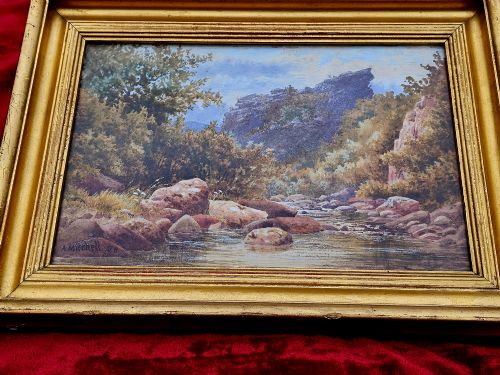
19th Century Watercolour Artwork
These 19th century watercolour artwork pieces bring pastoral scenes, Venetian canals and delicate still lifes into your home with soft washes and precise detail.
What 19th century watercolour artwork pieces are
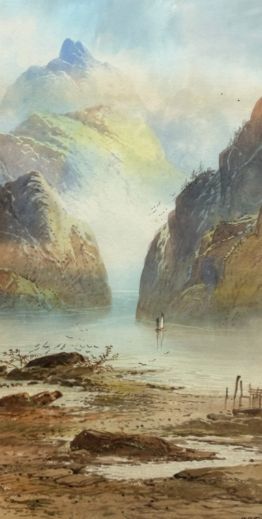
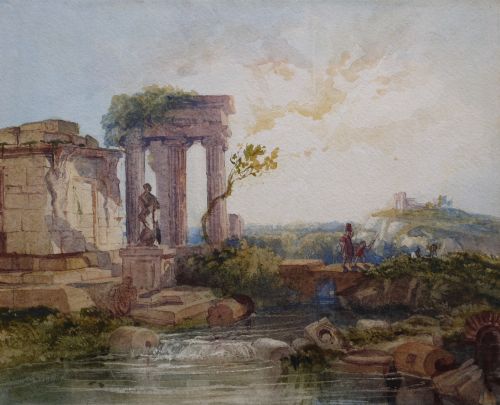
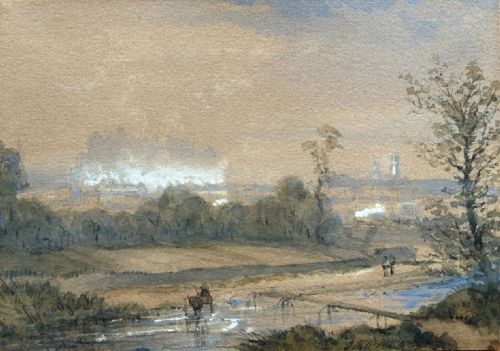
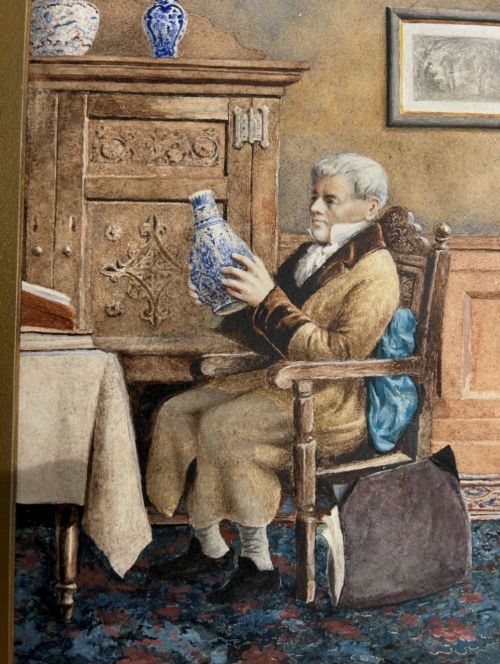
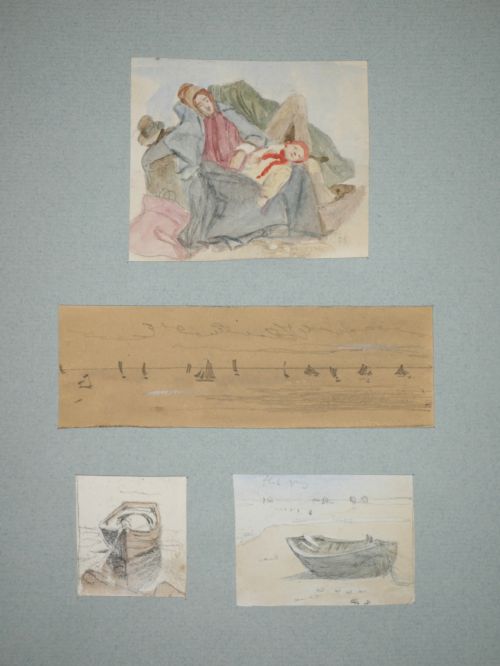
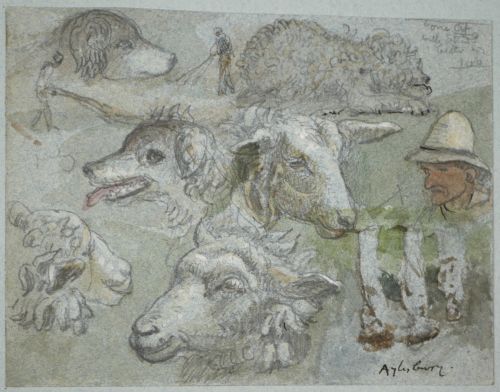
When you search for 19th century watercolour artwork, you encounter delicate paintings on paper capturing landscapes, botanical studies and architectural views. These works range from rural British pastoral scenes to sunlit Venetian canals and Italian historical subjects. Most examples on this page date from the Victorian era, spanning the nineteenth century up to the early decades of the twentieth century.
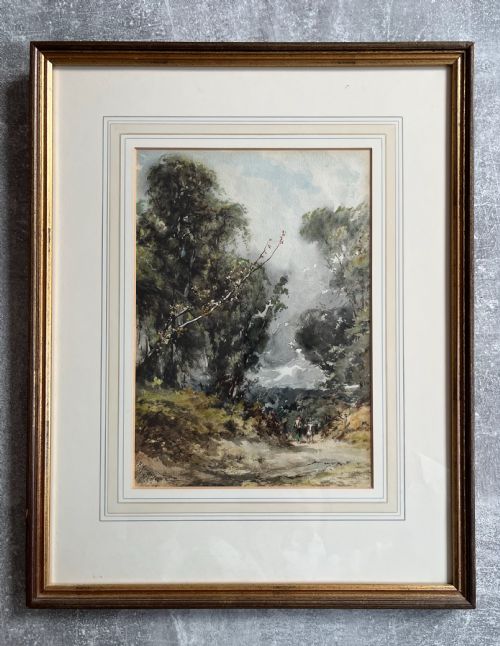
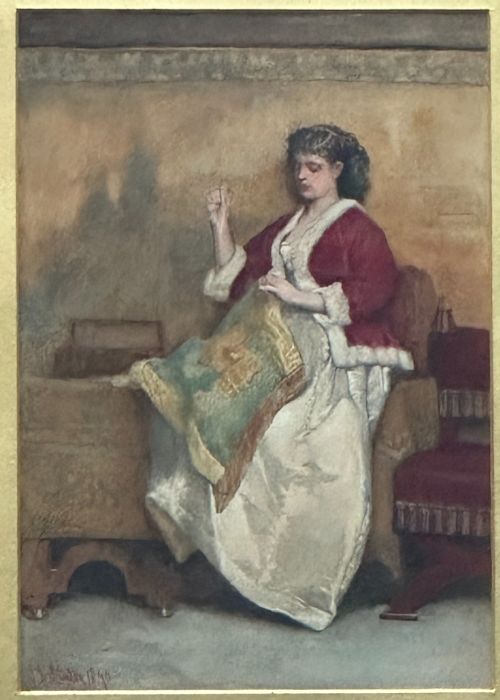
The subjects reflect a deep Victorian interest in naturalism and topography. You find detailed depictions of primroses, birds' nests on mossy banks, apple blossoms in vases, river views of the Thames, and rural genre scenes featuring figures like goose girls. These paintings were executed by professional artists working in Britain and across Europe, capturing fleeting light and atmospheric conditions.
How they were made
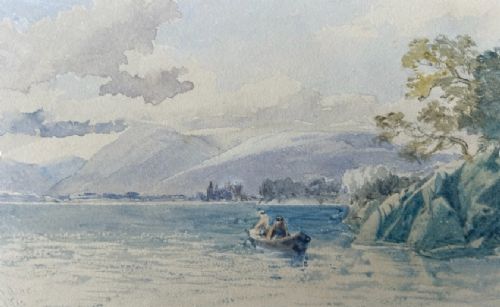
These works utilise water-soluble pigments applied to paper supports, occasionally enhanced with bodycolour or gouache for opacity in highlights and details. Artists used fine brushes to build up transparent washes of colour, allowing the reflective quality of the white paper to illuminate the pigment.
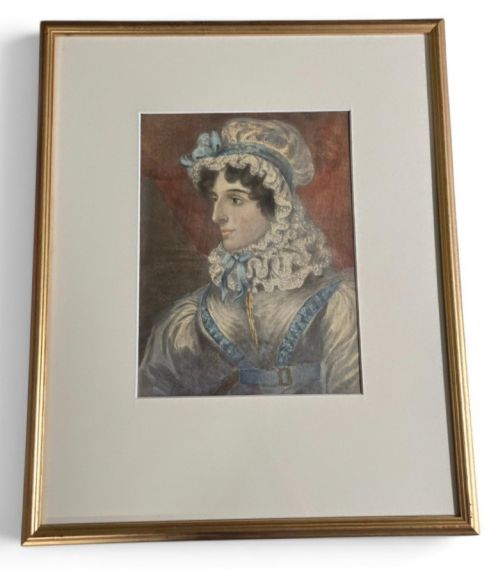
Finished watercolours were traditionally protected behind glass within wooden frames, which frequently incorporated gold leaf detailing. The framing materials served to isolate the delicate pigment from moisture and handling while complementing the tonal qualities of the artwork.
Retail Price Guide 2026
Typical UK retail prices for 19th century watercolour artwork, calculated from the Sellingantiques database of over a million retail prices indexed since 2003. This retail price guide relies exclusively on Sellingantiques data; no external sources or auction records are used, so the figures do not describe the wider market.
Listings feature works created between eighteen-eighty and nineteen-ten, spanning late Victorian and Edwardian periods.
What varies in quality
Quality in these watercolours rests upon the precision of the brushwork and the artist's command of light and atmosphere. Superior examples display confident, unhesitating washes and careful botanical or architectural accuracy rather than rigid, mechanical execution.
The sophistication of the composition and the subtlety of the colour palette separate accomplished works from routine topographical sketches. The presence of identifiable artistic hands and well-documented subjects elevates the standing of a piece within the field.
William Stephen Coleman·Hercules Brabazon Brabazon·Carleton Grant·John Sherrin·Henry J Kinnaird·Thomas Mackay·Helen Cordelia Angell
The 19th Century Watercolour Artwork Glossary
- Watercolour
- A painting method in which the paints are made of pigments suspended in a water-based solution. This medium relies on transparent washes that allow the white paper beneath to shine through.
- Gouache
- An opaque water-based paint that includes a white pigment filler, resulting in a heavier and less transparent finish than standard watercolour. Artists utilised this to add solid highlights.
- Victorian Naturalism
- An artistic movement focused on the accurate and unidealised depiction of the natural world. Works in this style frequently feature meticulous studies of flora and fauna.
- Aesthetic Movement
- A late nineteenth-century British artistic current that prioritised aesthetic value and visual beauty over narrative or moral themes. It influenced how still lifes and landscapes were composed.
- Bodycolour
- A term historically used interchangeably with gouache to describe watercolour paint mixed with a white pigment to create opaque areas. It provided greater tonal range in nineteenth-century sheets.
Frequently Asked Questions
How should I hang 19th century watercolour artwork?
These watercolours require placement away from direct sunlight to prevent the pigments from fading over time. UV-filtering glass provides essential protection for the paper.
Keep them in rooms with stable humidity levels to avoid warping the paper or damaging the wooden and gold leaf frames.
Are these paintings original or prints?
The pieces listed are original painted works executed by hand on paper using watercolour and gouache pigments. Close inspection reveals brushstrokes and the physical texture of the paint layers.
They are distinct from mass-produced lithographs or printed reproductions of the period.
What subjects are most common?
Landscapes and pastoral scenes dominate the selection, often featuring British river views, Salisbury, or Northern Italian vistas. Botanical studies and still lifes involving flowers and birds' nests also appear frequently.
Historical scenes and Venetian architecture represent the broader European scope of the period's output.
How do I tell Victorian watercolours apart?
Victorian watercolours often exhibit meticulous attention to detail, particularly in natural history subjects like mossy banks and floral arrangements. British Impressionist and pastoral works from the later decades favour looser brushwork and atmospheric light.
Signatures, dates, and stylistic markers help distinguish between mid-century naturalism and Edwardian-era pieces.