29,885  PAGES BROWSED TODAY PAGES TODAY • 81 ANTIQUES UPLOADED TODAYNEW ARRIVALS
GIFTS
81 ITEMS ADDED TODAY
Sort Order
Items Per Page
Browse Categories
Sort order
Relevant Links
Items per page
ID #SA1239095
FOR SALE
£1,600
Email Phone
Save
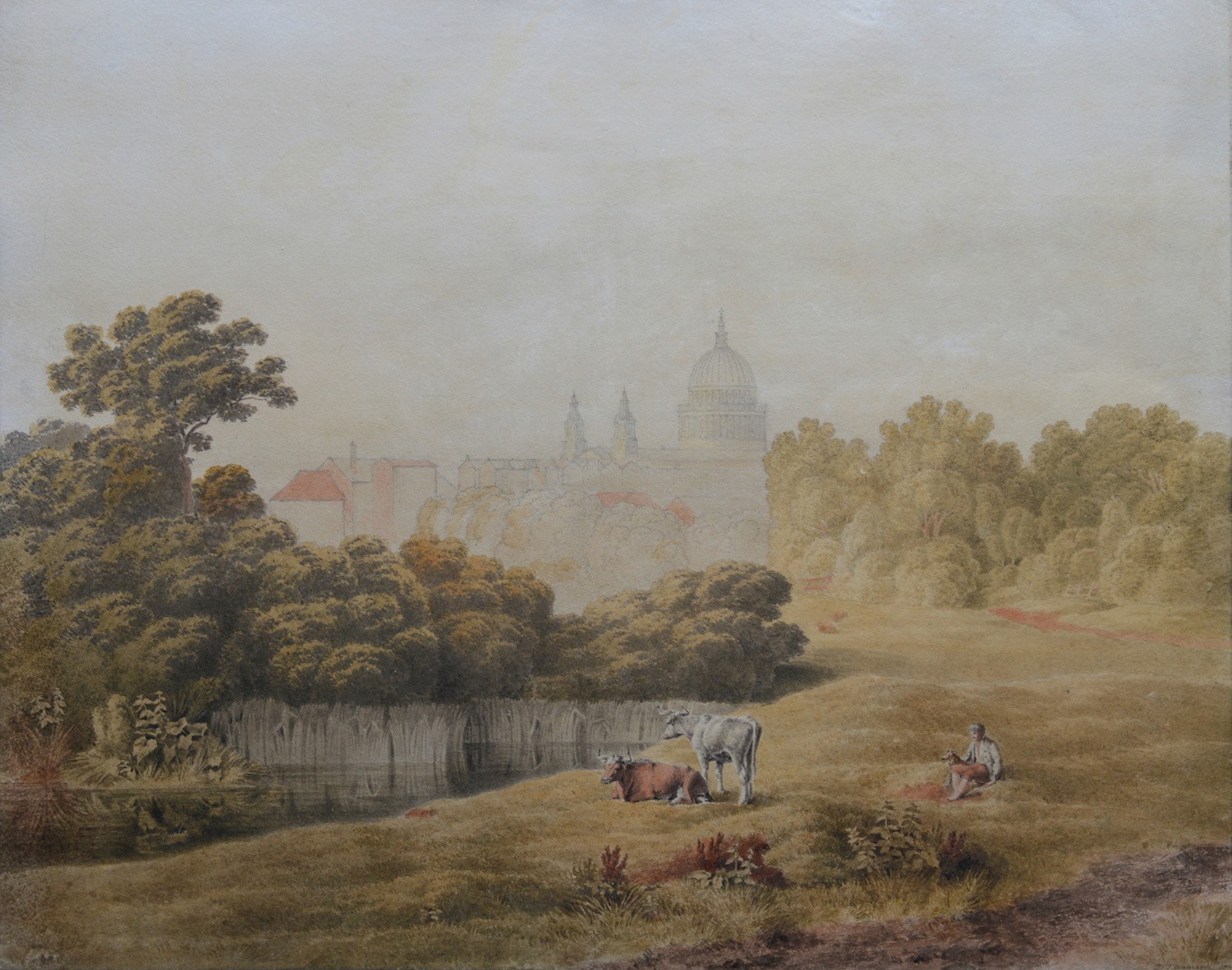
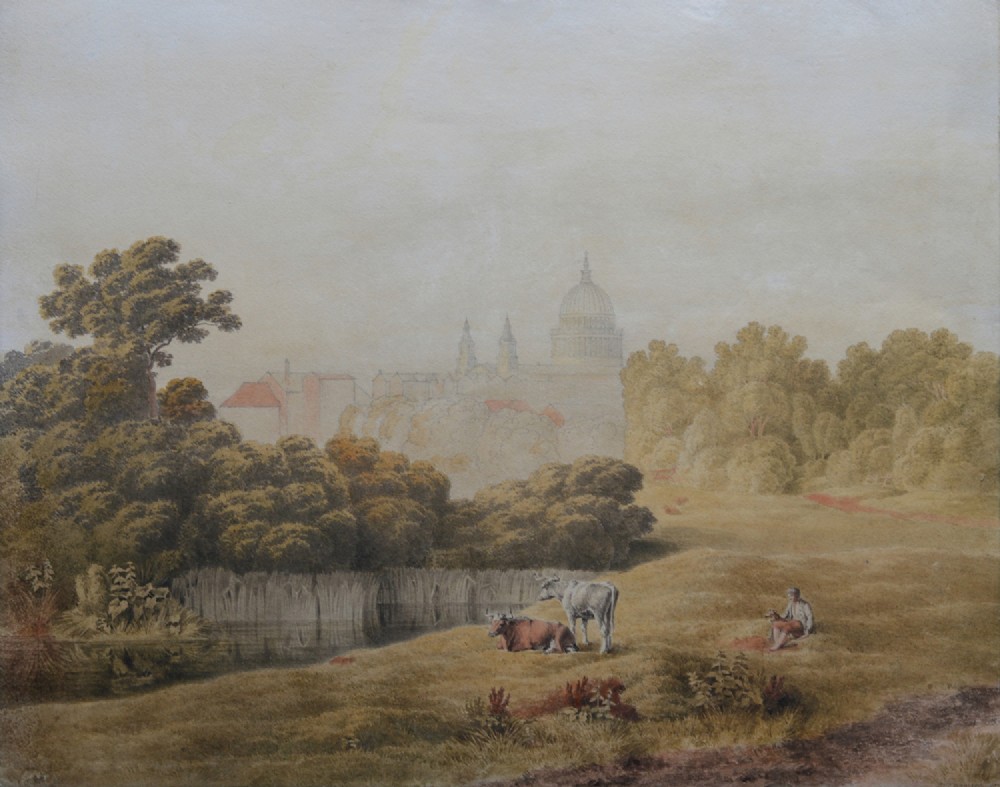
Watercolour View of St. Paul’s Cathedral from Lambeth Marsh 1807
For sale by Radnorshire Fine Arts Ltd
for sale €1,872     $2,032
£1,600
Radnorshire Fine Arts Ltd

Radnorshire Fine Arts Ltd

Sellingantiques Verified Since Sep 2026
Browse dealers 31 items
  • About Us
    We buy and sell paintings, watercolours, prints and drawings from the 17th to the 20th century
Id #SA1239095
PDF SHARE
SAVE

Watercolour View of St. Paul’s Cathedral from Lambeth Marsh 1807

19th century
Description

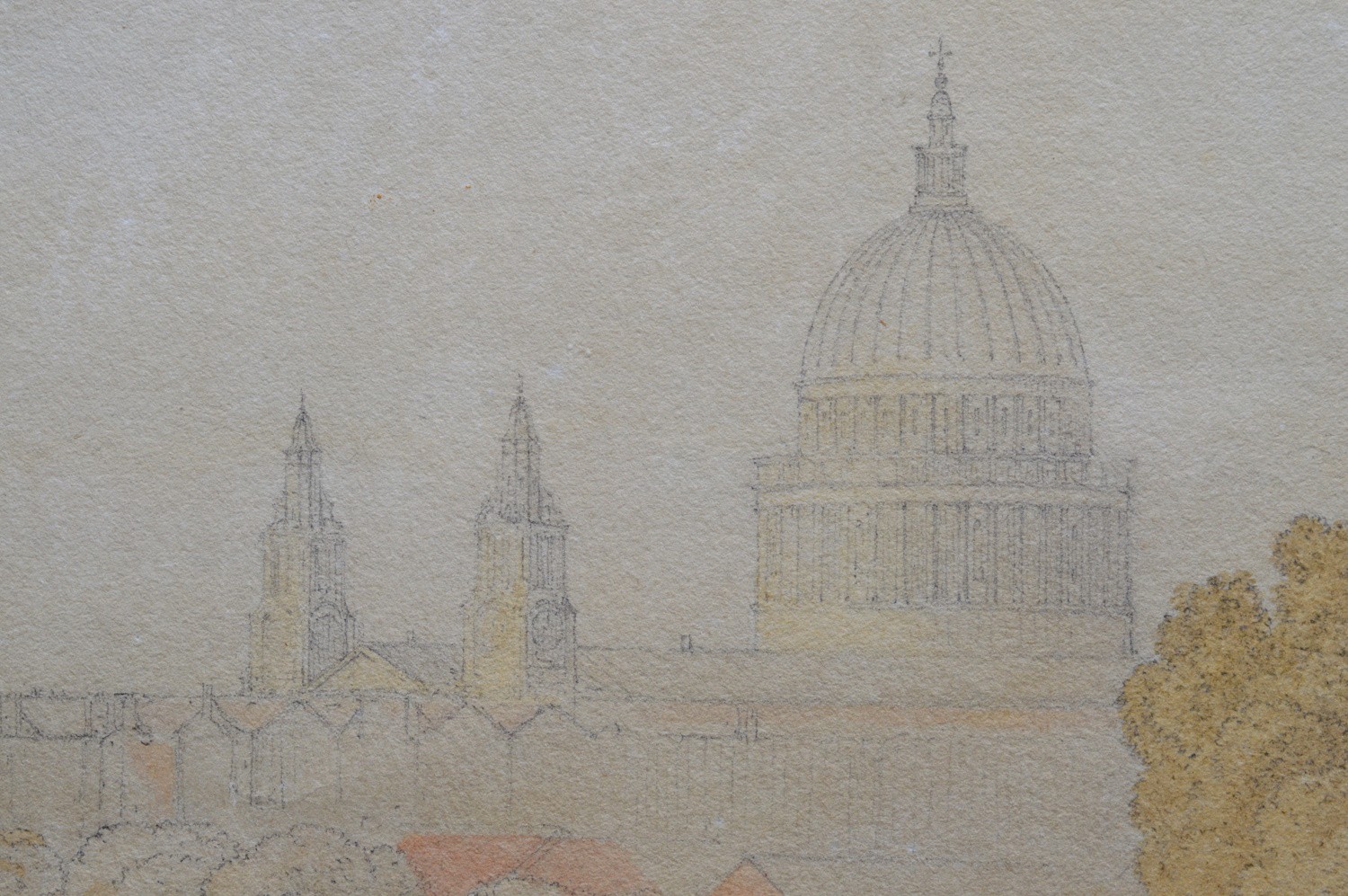
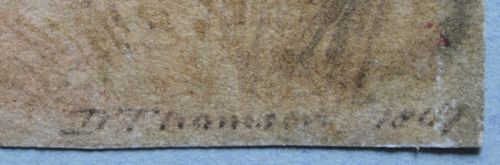
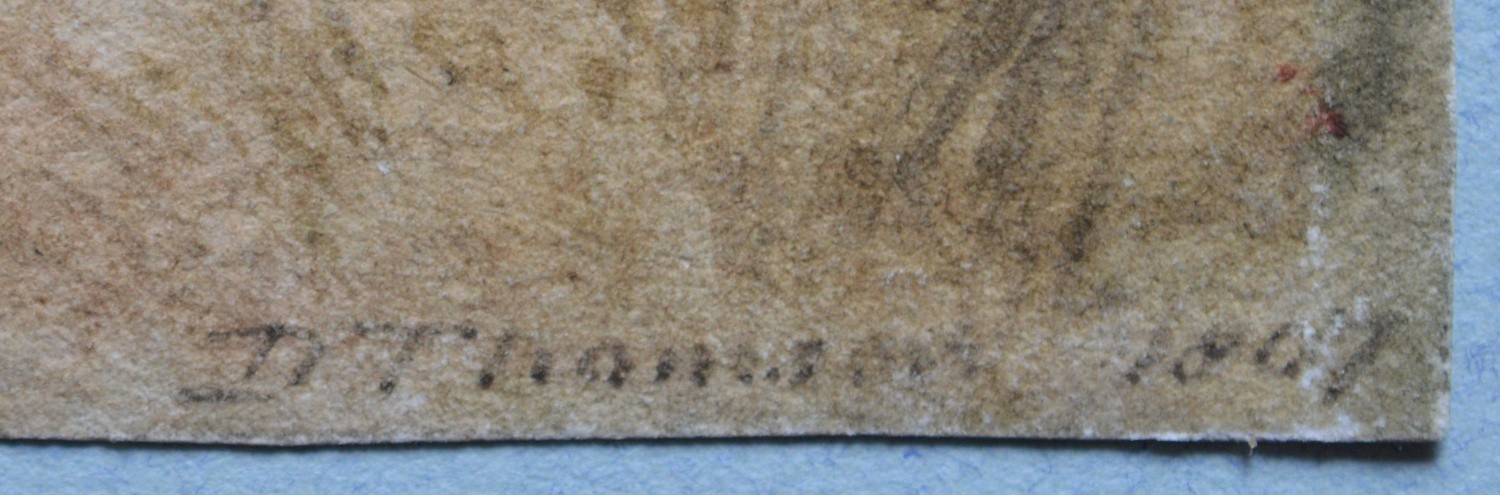
Signed; D. Thomson and dated 1807 (lower right). Watercolour over pencil, on paper.

Exhibited: Associated Artists in Water Colours, London 1808. No.7 – A View of St. Paul’s from Lambeth Marsh. Thomson included two other watercolours at the exhibition: No.95 – A Mill with Cattle, and No.24 – A View of Edinburgh from the South East.

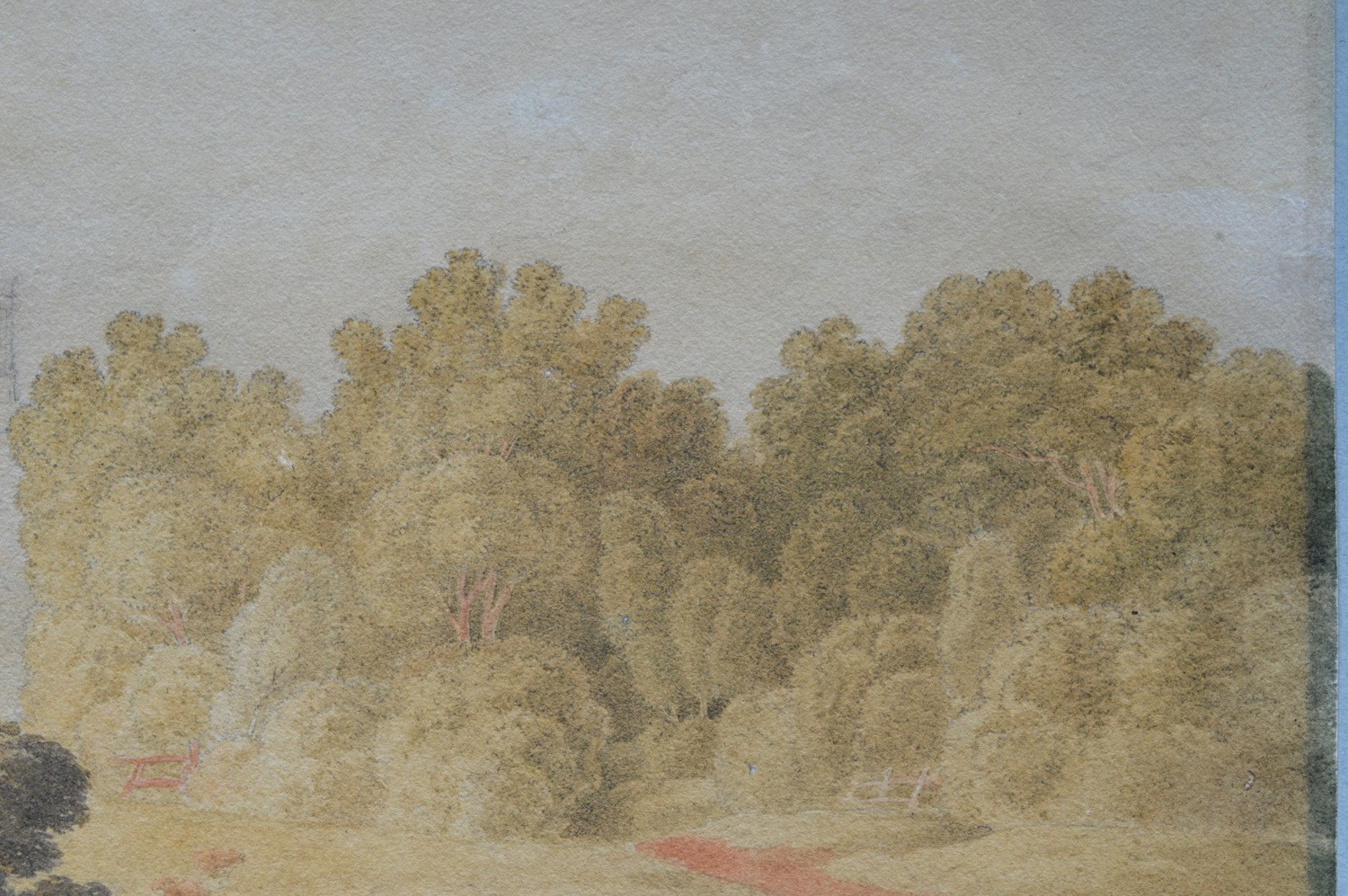
Condition: The watercolour has been professionally cleaned. Though somewhat faded, it remains an evocative record of a time when parts of London were still rural. Its romantic composition, draughtsmanship, and surviving colours reinforce this sense of a vanished world.
This watercolour is being offered unframed. We have retained the original composite frame, which requires some restoration and is available on request.

Sheet: 16 1/8 x 20 1/2 in. (40.9 x 52.)

Frame: 22 1/4 x 26 3/8 in. (54 x 67 cm.)
The view of St Paul’s, looking south-west from Lambeth Marsh, is significant because the surrounding land would soon be developed. For centuries, the marsh preserved a green, rural oasis close to central London, but this changed within a single lifetime. Between 1780 and 1820, Lambeth Marsh became notorious as a symbol of urban poverty and deprivation, later chronicled by writers and social commentators including Dickens, Mayhew, and Booth. In the early nineteenth century, London—though never one of Britain’s principal industrial cities expanded rapidly through mass migration from the countryside and Ireland. Lime kilns, potteries, blacking factories, and lead, iron, and printing works were established among houses without proper drainage or water supplies.
Ref: On Lambeth Marsh: The South Bank and Waterloo, by Graham Gibberd. Published by Jane Gibberd and printed by BAS Printers Ltd, 1992.

David Thomson (d.1815) was by profession an artist and an amateur musician., he exhibited landscapes at the RA 1, BI 1, and 3 others from 1807 to 1813. Records show that in 1807 he was sharing accommodation at 122, Piccadilly, with the miniature painter, William John Thomson R.S.A. (1771-1845). Both artists exhibited at the R.A. in the same year. His brother George Thomson (1757-1851) was a music collector and publisher. David provided illustrations and songs for his brother George’s collections of national airs. With Muzio Clementi of London he published his own collection, ‘The melodies of different nations’, and a collection of Mozart songs with his own lyrics. In 1806 he made a tour to Wales to create illustrations for George’s collection of Welsh airs, and by 1813 he was based in London. Joanna Baillie wrote fondly of him in a letter to George Thomson of 17 June 1815 (BL, Add. MS 35264, fols. 218–20), the year of David’s death. She spoke of ‘his worth and his various talents.’ Keith Thomson, a half-brother (d.1855), was a leading teacher of music at Inverness. Paton Thomson, the engraver (cf. Redgrave), was probably a relative.
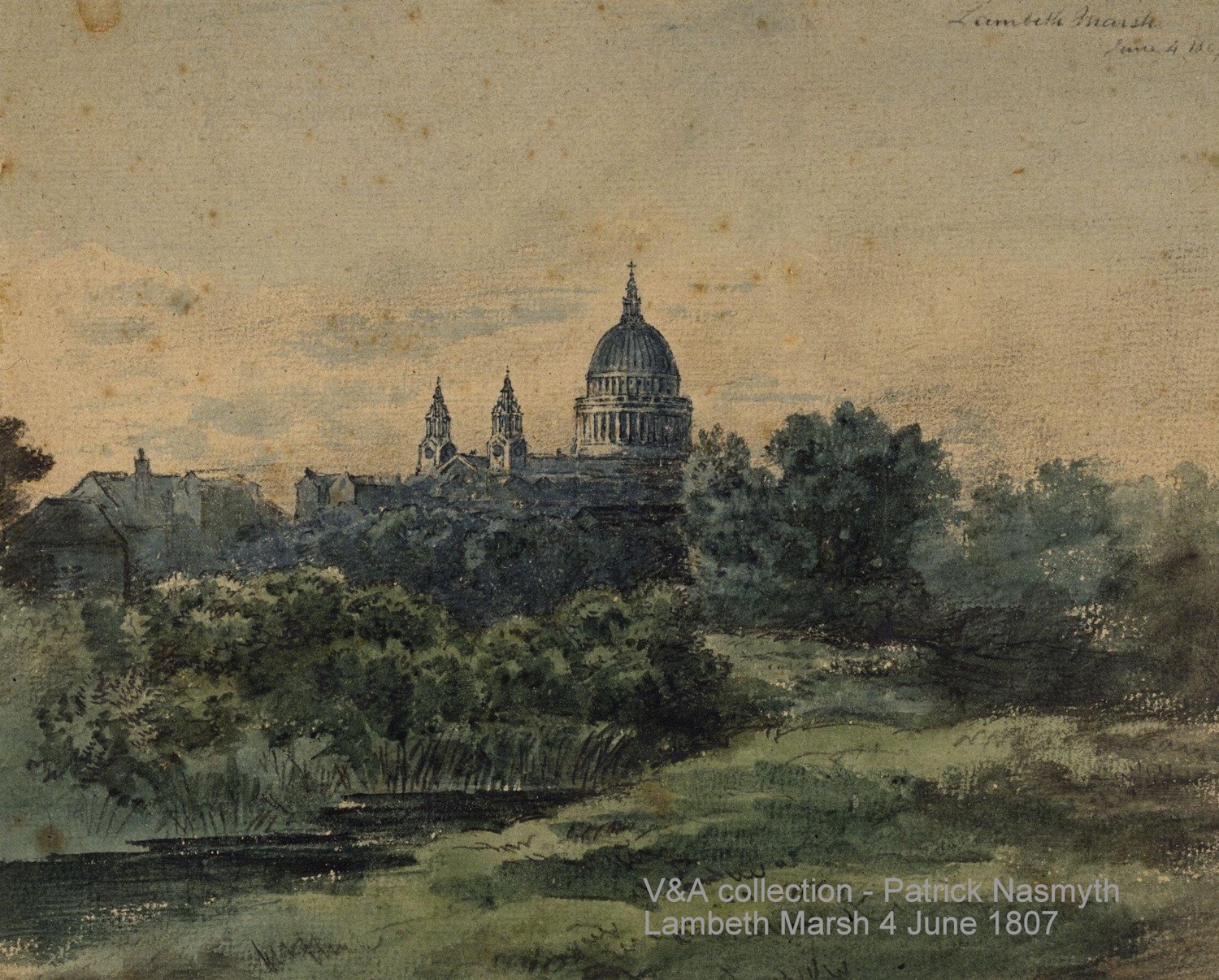
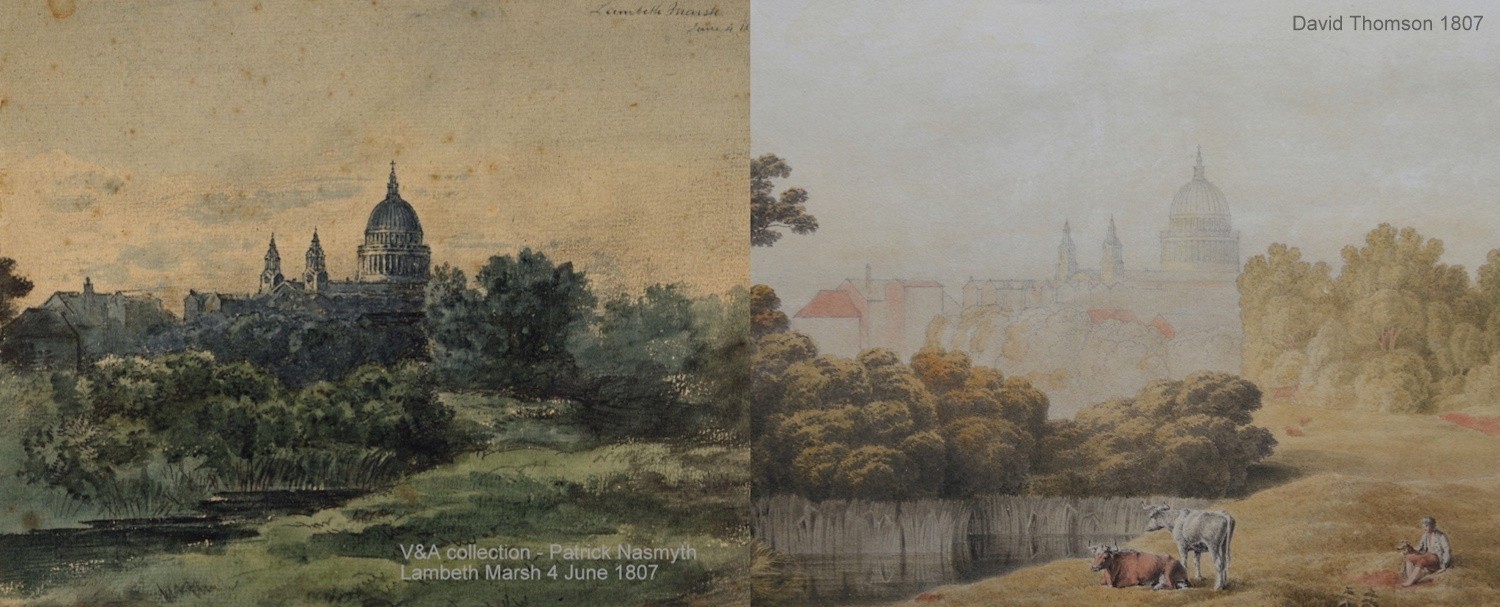
The V&A Museum holds a sketch by Patrick Nasmyth (1787–1831) showing an identical view he produced the same year, see photograph: Lambeth Marsh by Patrick Nasmyth, 4 June 1807, it suggests a connection between the two artists. David and his brother George would certainly have known Patrick through his father, Alexander Nasmyth, who supplied drawings for George’s music publications. David and Patrick may therefore have sketched Lambeth Marsh together during an excursion; both drawings can be seen in the photo showing the two pictures joined next to each over.
Patrick Nasmyth (1787-1831) was born in Edinburgh; he was the eldest of 11 children of the Scottish artist Alexander Nasmyth (1758-1840). One of his brothers was the engineer James Nasmyth, who worked for a while in Lambeth. He studied under his father, and his talents were soon recognised. He moved to Lambeth in 1807 where he specialised in landscape subjects painted in both oil and watercolour and often sketched in the vicinity at a time when much of it was still country. He died at Lambeth on 17 August 1831.

Physical Dimensions
Height
40.9cm (16.10")
Width
52cm (20.47")
Declaration

Radnorshire Fine Arts Ltd has dated this Georgian Watercolour Landscape Painting to the 1800s.

Reference Numbers
Sellingantiques Reference
SA1239095
Dealers Notes

All our prices include FREE packing and delivery within the UK.

Our website accepts payments from the UK. Buyers outside the UK are required to "CONTACT US" for delivery options and prices. Please include the detail of the item you wish to purchase and your shipping address.

'Stripe' has recently been introduced to our website, offering more choices for secure payments, including 'Apple Pay' and 'Google Pay'. You can also pay 3 monthly 'interest free' instalments with 'Klarna' at 'Checkout'.

Other information including terms and conditions can be found on our website @ Radnorshire Fine Arts Ltd.

Description
Signed; D. Thomson and dated 1807 (lower right). Watercolour over pencil, on paper.

Exhibited: Associated Artists in Water Colours, London 1808. No.7 – A View of St. Paul’s from Lambeth Marsh. Thomson included two other watercolours at the exhibition: No.95 – A Mill with Cattle, and No.24 – A View of Edinburgh from the South East.

Condition: The watercolour has been professionally cleaned.

“
Though somewhat faded, it remains an evocative record of a time when parts of London were still rural.
Radnorshire Fine Arts Ltd

Its romantic composition, draughtsmanship, and surviving colours reinforce this sense of a vanished world.

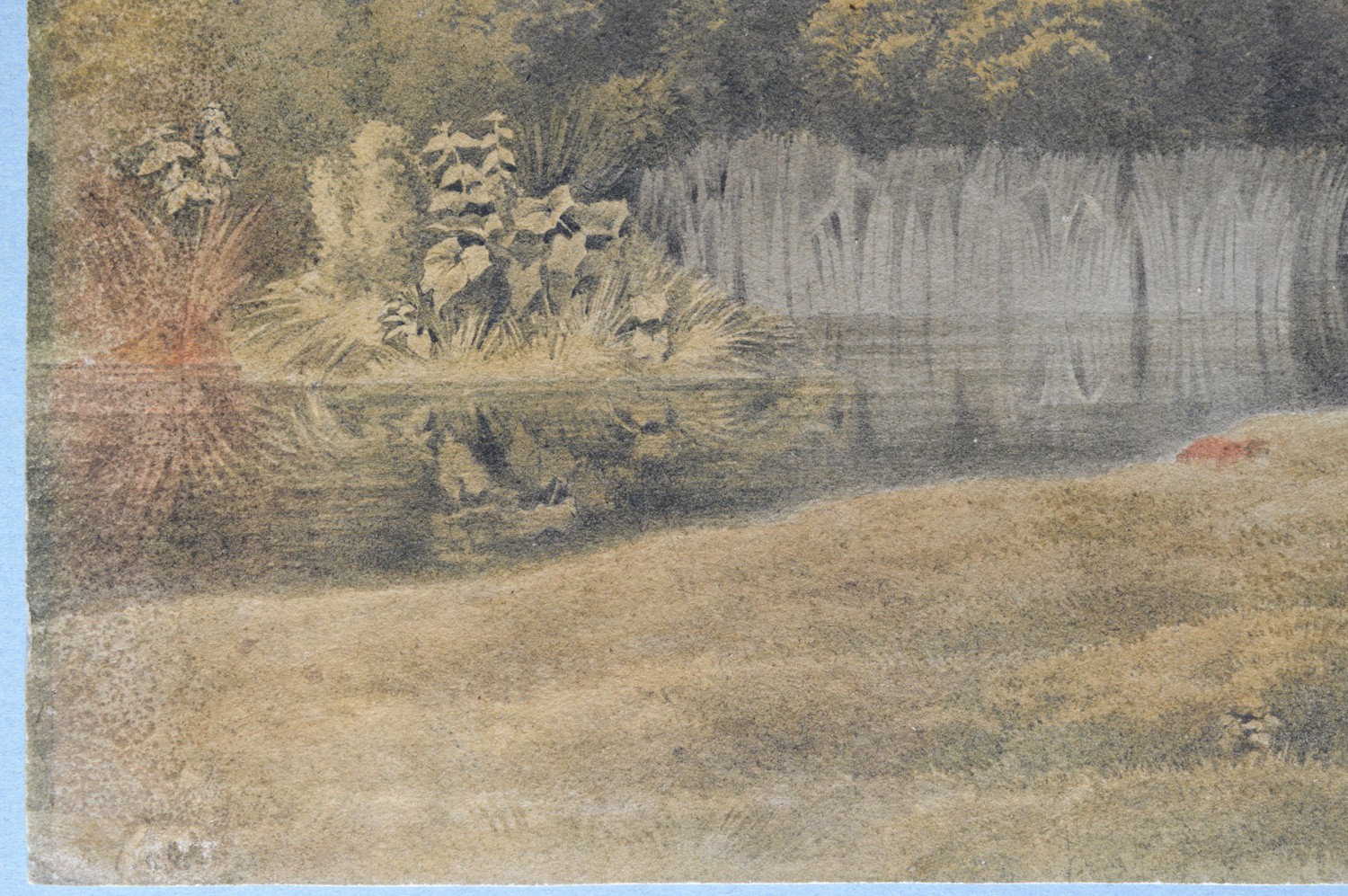
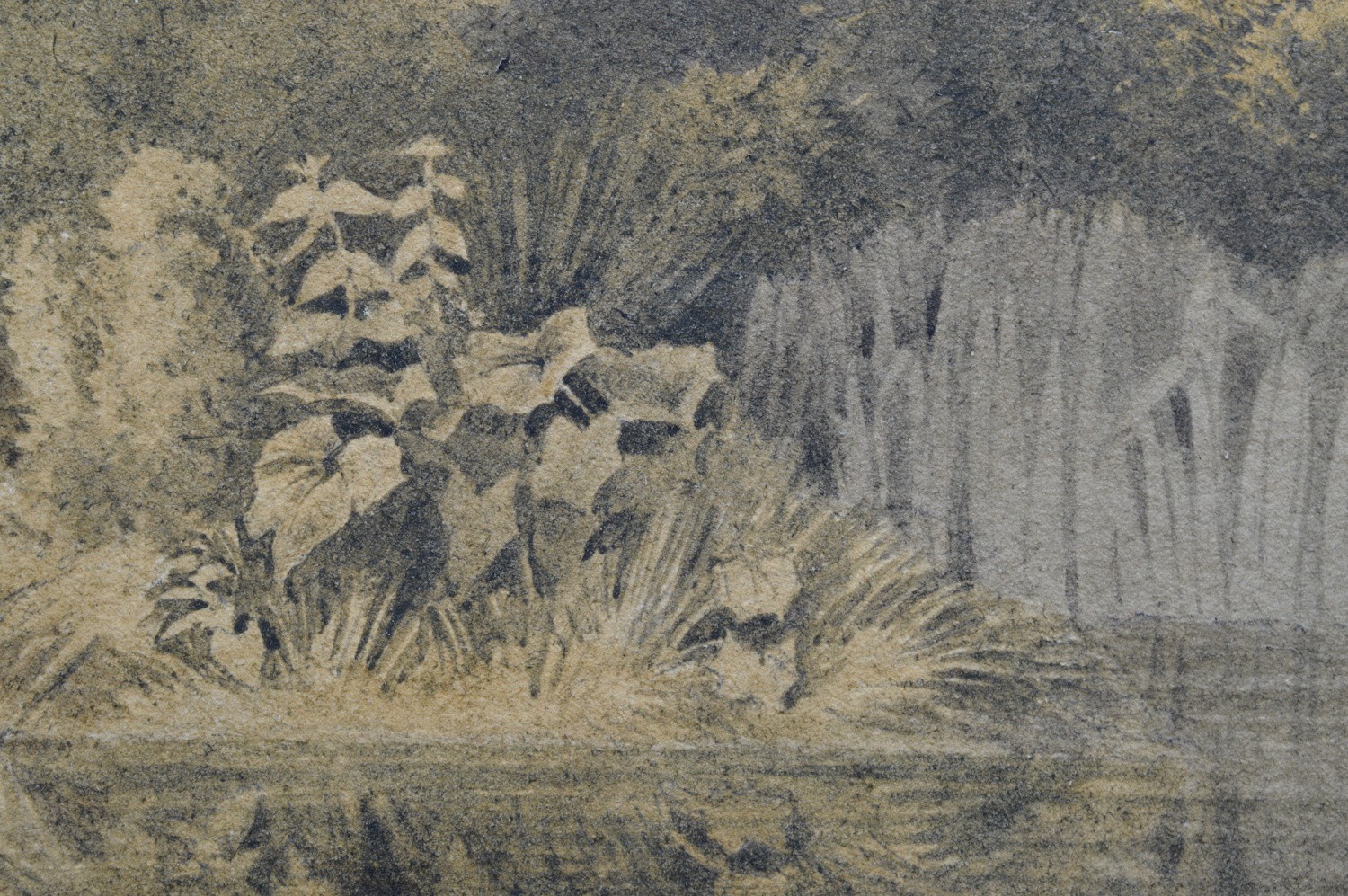
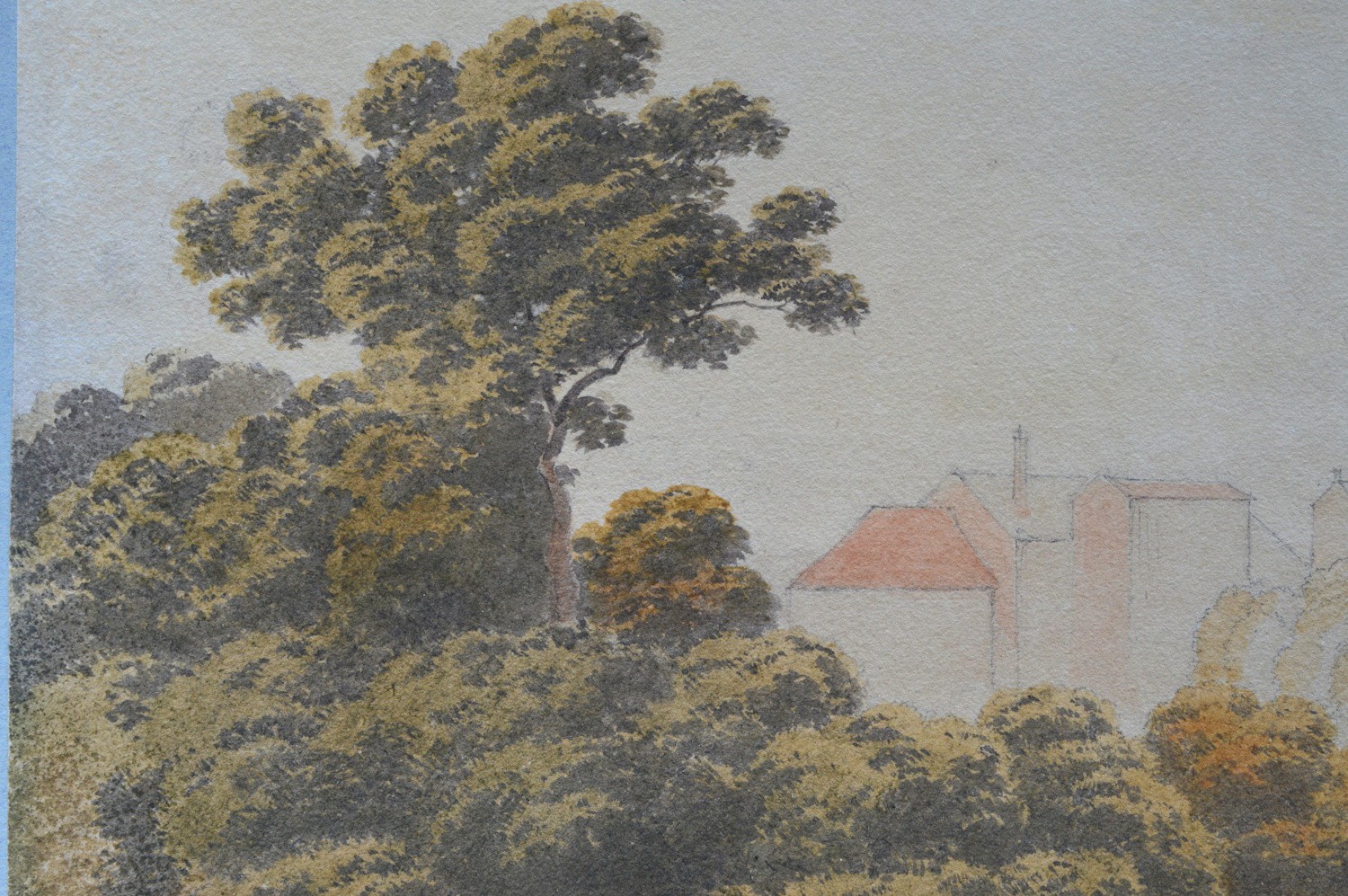
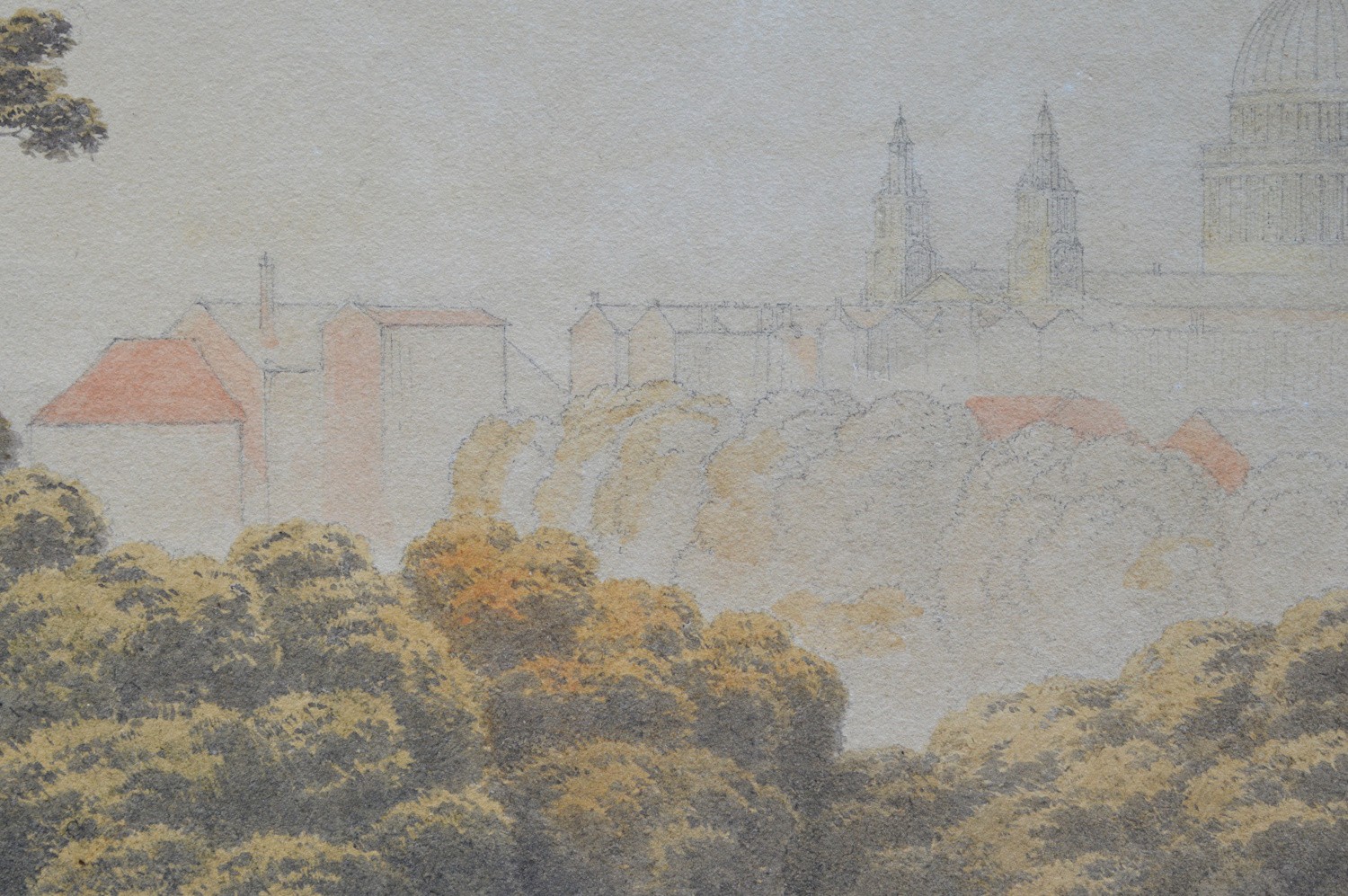
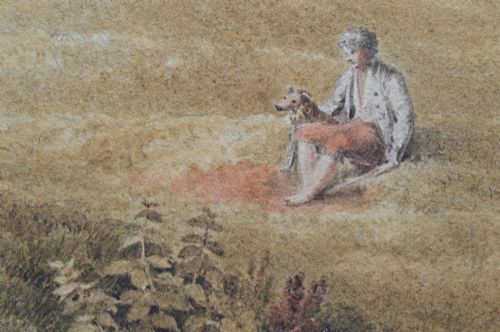
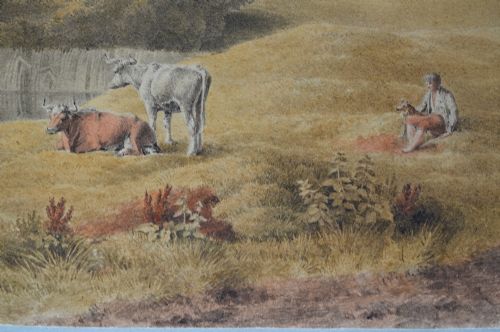
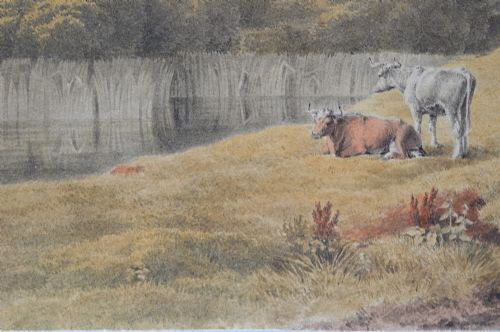
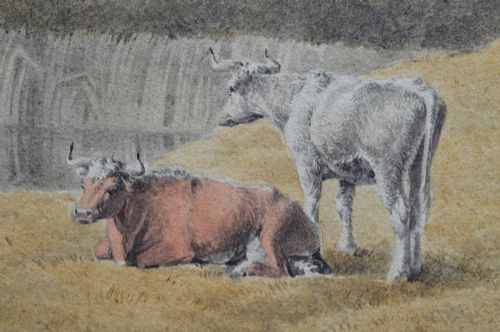
fig 1. A Georgian watercolour landscape depicting cattle grazing in a meadow at Lambeth Marsh with St. Pauls Cathedral in the background.
fig 1. Watercolour View of St. Paul’s Cathedral from Lambeth Marsh 1807

This watercolour is being offered unframed. We have retained the original composite frame, which requires some restoration and is available on request.

Sheet: 16 1/8 x 20 1/2 in. (40.9 x 52.)

Frame: 22 1/4 x 26 3/8 in. (54 x 67 cm.)

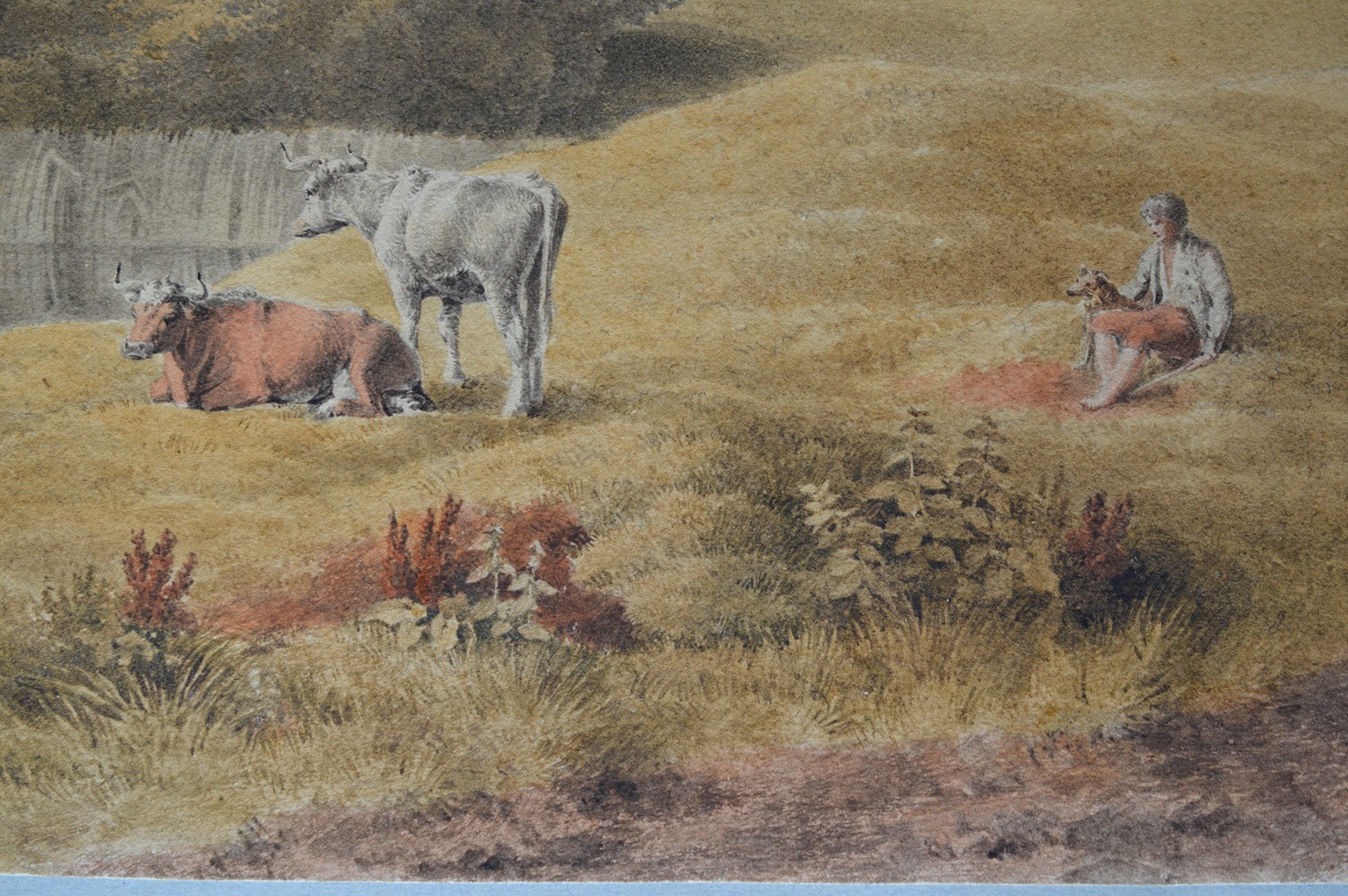
fig 2. A Georgian watercolour landscape depicting cattle grazing in a meadow at Lambeth Marsh with St. Pauls Cathedral in the background.
fig 2. Watercolour View of St. Paul’s Cathedral from Lambeth Marsh 1807

The view of St Paul’s, looking south-west from Lambeth Marsh, is significant because the surrounding land would soon be developed. For centuries, the marsh preserved a green, rural oasis close to central London, but this changed within a single lifetime. Between 1780 and 1820, Lambeth Marsh became notorious as a symbol of urban poverty and deprivation, later chronicled by writers and social commentators including Dickens, Mayhew, and Booth. In the early nineteenth century, London—though never one of Britain’s principal industrial cities expanded rapidly through mass migration from the countryside and Ireland. Lime kilns, potteries, blacking factories, and lead, iron, and printing works were established among houses without proper drainage or water supplies.

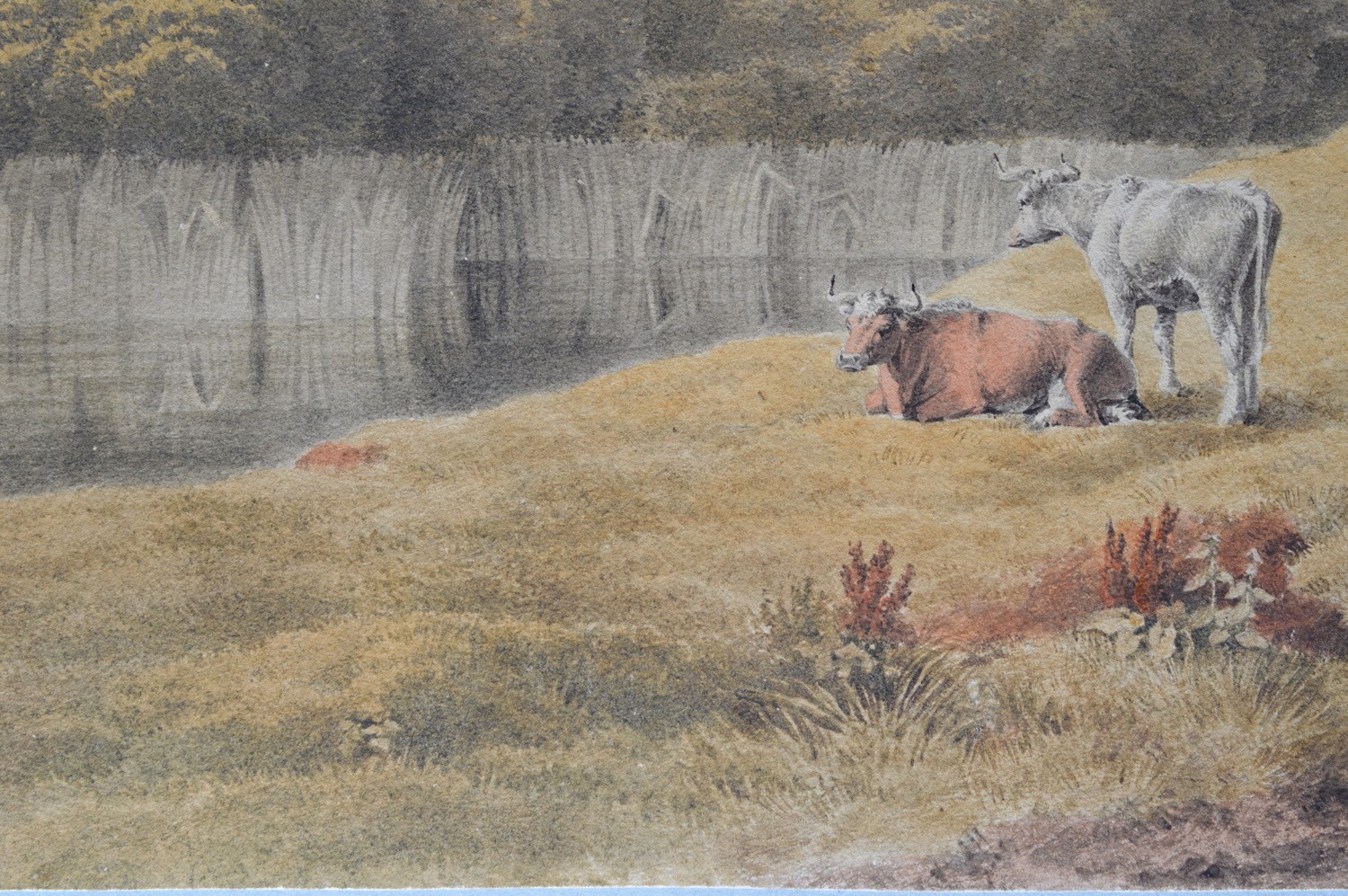
fig 3. A Georgian watercolour landscape depicting cattle grazing in a meadow at Lambeth Marsh with St. Pauls Cathedral in the background.
fig 3. Watercolour View of St. Paul’s Cathedral from Lambeth Marsh 1807

Ref: On Lambeth Marsh: The South Bank and Waterloo, by Graham Gibberd. Published by Jane Gibberd and printed by BAS Printers Ltd, 1992.

David Thomson (d.1815) was by profession an artist and an amateur musician., he exhibited landscapes at the RA 1, BI 1, and 3 others from 1807 to 1813. Records show that in 1807 he was sharing accommodation at 122, Piccadilly, with the miniature painter, William John Thomson R.S.A. (1771-1845). Both artists exhibited at the R.A. in the same year. His brother George Thomson (1757-1851) was a music collector and publisher. David provided illustrations and songs for his brother George’s collections of national airs. With Muzio Clementi of London he published his own collection, ‘The melodies of different nations’, and a collection of Mozart songs with his own lyrics. In 1806 he made a tour to Wales to create illustrations for George’s collection of Welsh airs, and by 1813 he was based in London. Joanna Baillie wrote fondly of him in a letter to George Thomson of 17 June 1815 (BL, Add. MS 35264, fols. 218–20), the year of David’s death. She spoke of ‘his worth and his various talents.’ Keith Thomson, a half-brother (d.1855), was a leading teacher of music at Inverness. Paton Thomson, the engraver (cf. Redgrave), was probably a relative.

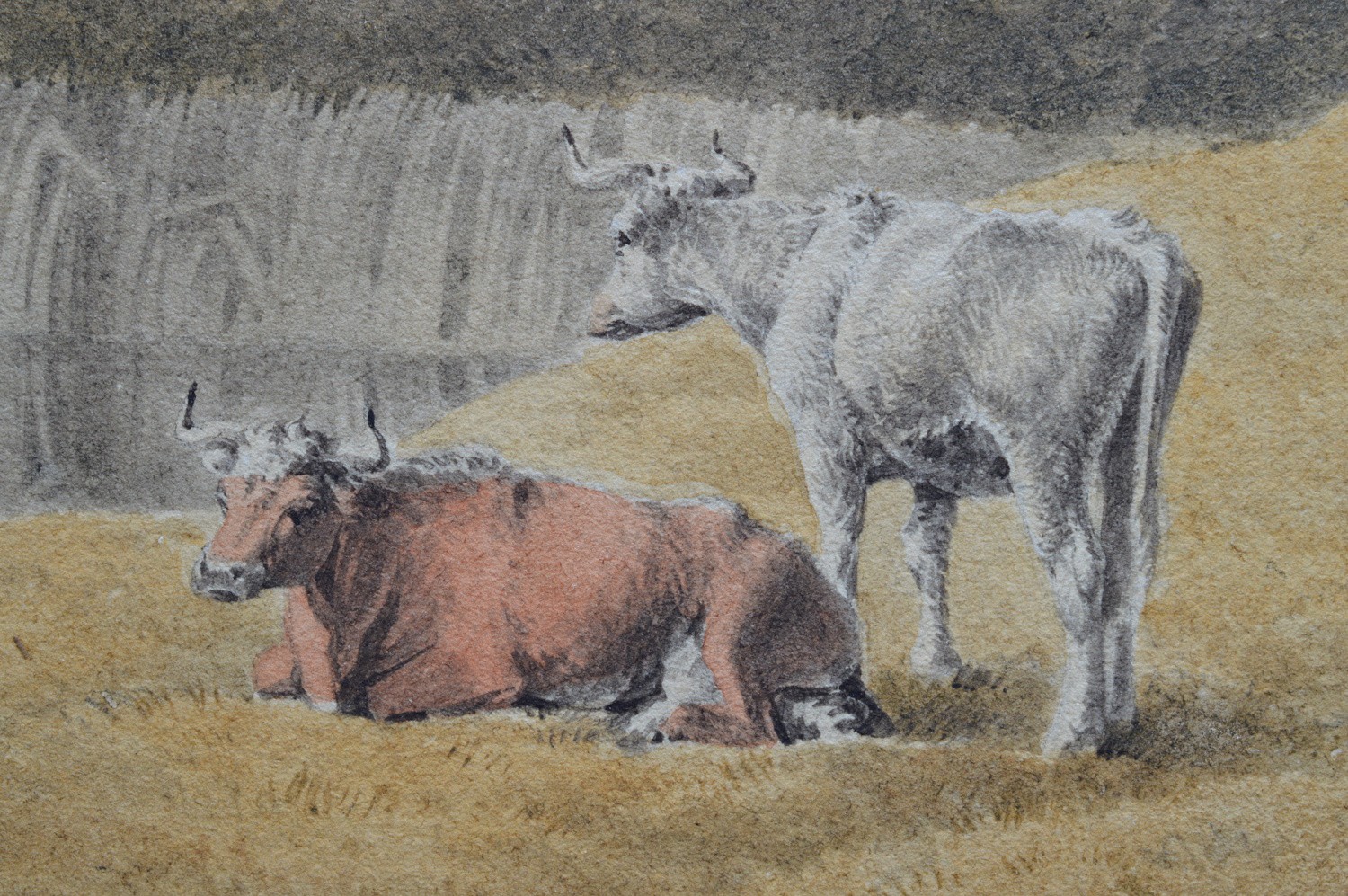
fig 4. A Georgian watercolour landscape depicting cattle grazing in a meadow at Lambeth Marsh with St. Pauls Cathedral in the background.
fig 4. Watercolour View of St. Paul’s Cathedral from Lambeth Marsh 1807

The V&A Museum holds a sketch by Patrick Nasmyth (1787–1831) showing an identical view he produced the same year, see photograph: Lambeth Marsh by Patrick Nasmyth, 4 June 1807, it suggests a connection between the two artists. David and his brother George would certainly have known Patrick through his father, Alexander Nasmyth, who supplied drawings for George’s music publications. David and Patrick may therefore have sketched Lambeth Marsh together during an excursion; both drawings can be seen in the photo showing the two pictures joined next to each over.

fig 5. A Georgian watercolour landscape depicting cattle grazing in a meadow at Lambeth Marsh with St. Pauls Cathedral in the background.
fig 5. Watercolour View of St. Paul’s Cathedral from Lambeth Marsh 1807

Patrick Nasmyth (1787-1831) was born in Edinburgh; he was the eldest of 11 children of the Scottish artist Alexander Nasmyth (1758-1840). One of his brothers was the engineer James Nasmyth, who worked for a while in Lambeth. He studied under his father, and his talents were soon recognised. He moved to Lambeth in 1807 where he specialised in landscape subjects painted in both oil and watercolour and often sketched in the vicinity at a time when much of it was still country. He died at Lambeth on 17 August 1831.

Height
40.9cm (16.10")
Width
52cm (20.47")
Date of Manufacture

Radnorshire Fine Arts Ltd has dated this Georgian Watercolour Landscape Painting to the 1800s.

Reference Numbers
Sellingantiques Ref
SA1239095
Radnorshire Fine Arts Ltd
Sellingantiques verified Since Sep 2026

We buy and sell paintings, watercolours, prints and drawings from the 17th to the 20th century

Dealer Profile

You can view the stock and full dealer information on the Radnorshire Fine Arts Ltd Profile Page
PDF SHARE
SAVE
A Georgian watercolour landscape depicting cattle grazing in a meadow at Lambeth Marsh with St. Pauls Cathedral in the background.
1 / 15
Archive I A Georgian watercolour landscape depicting cattle grazing in a meadow at Lambeth Marsh with St. Pauls Cathedral in the background.

Watercolour View of St. Paul’s Cathedral from Lambeth Marsh 1807
Archive II A Georgian watercolour landscape depicting cattle grazing in a meadow at Lambeth Marsh with St. Pauls Cathedral in the background. View II
Archive III A Georgian watercolour landscape depicting cattle grazing in a meadow at Lambeth Marsh with St. Pauls Cathedral in the background. View III
Archive IV A Georgian watercolour landscape depicting cattle grazing in a meadow at Lambeth Marsh with St. Pauls Cathedral in the background. View IV
Archive V A Georgian watercolour landscape depicting cattle grazing in a meadow at Lambeth Marsh with St. Pauls Cathedral in the background. View V
Archive VI A Georgian watercolour landscape depicting cattle grazing in a meadow at Lambeth Marsh with St. Pauls Cathedral in the background. View VI
Archive VII A Georgian watercolour landscape depicting cattle grazing in a meadow at Lambeth Marsh with St. Pauls Cathedral in the background. View VII
Archive VIII A Georgian watercolour landscape depicting cattle grazing in a meadow at Lambeth Marsh with St. Pauls Cathedral in the background. View VIII
Archive IX A Georgian watercolour landscape depicting cattle grazing in a meadow at Lambeth Marsh with St. Pauls Cathedral in the background. View IX
Archive X A Georgian watercolour landscape depicting cattle grazing in a meadow at Lambeth Marsh with St. Pauls Cathedral in the background. View X
Archive XI A Georgian watercolour landscape depicting cattle grazing in a meadow at Lambeth Marsh with St. Pauls Cathedral in the background. View XI
Archive XII A Georgian watercolour landscape depicting cattle grazing in a meadow at Lambeth Marsh with St. Pauls Cathedral in the background. View XII
Archive XIII A Georgian watercolour landscape depicting cattle grazing in a meadow at Lambeth Marsh with St. Pauls Cathedral in the background. View XIII
Archive XIV A Georgian watercolour landscape depicting cattle grazing in a meadow at Lambeth Marsh with St. Pauls Cathedral in the background. View XIV
Archive XV A Georgian watercolour landscape depicting cattle grazing in a meadow at Lambeth Marsh with St. Pauls Cathedral in the background. View XV
FURTHER BROWSING

Visitors also looked at these ⇣

Enlarged Archival View
Telephone 07790 208712
Location
Powys
Wales
United Kingdom

By appointment.
Dealer Profile Page sellingantiques.co.uk/rfa
Verified Since Sep 2026
Items For Sale 31
Items Sold 1
Radnorshire Fine Arts Ltd
Verified Since Sep 2026
View Dealer Info
Location: Powys, Wales, United Kingdom, , By appointment.
Verified
Sep 2026
For Sale
31
Sold
1
A Georgian watercolour landscape depicting cattle grazing in a meadow at Lambeth Marsh with St. Pauls Cathedral in the background.
Watercolour View of St. Paul’s Cathedral from Lambeth Marsh 1807
Ref: SA1239095
A Georgian watercolour landscape depicting cattle grazing in a meadow at Lambeth Marsh with St. Pauls Cathedral in the background.
Detail View 1
Detail View 2
Detail View 3
Detail View 4
Detail View 5
Detail View 6
Detail View 7
Detail View 8
Detail View 9
Detail View 10
Detail View 11
Detail View 12
Detail View 13
Detail View 14
Archival Detail
Every single antique dealer on our platform is individually approved by our internal team. We verify their professional trade history, ethical standards, and photographic quality to ensure a secure, high-standard buying environment. Upon joining, every dealer agrees to a strict 9-point code of conduct. While issues can occasionally arise, our dealers typically resolve them swiftly and directly with the buyer. In fact, since our founding in 2002, Sellingantiques has only had to step in to help resolve an issue on roughly five occasions—a true testament to the quality of our dealers and their dedication to your happiness.
Our dealers are highly experienced in packing and shipping fragile, high-value antiques. Because you are in direct contact with the dealer, you will be able to easily go through all available shipping and insurance options together to ensure your item arrives safely.
Antiques are the ultimate green purchase. By choosing historical pieces over newly manufactured goods, you completely eliminate the carbon footprint of modern mass production while preserving exceptional, timeless craftsmanship.
Written by Sellingantiques from the dealer’s photographs and listing
  • ObjectWatercolour Paintings
  • Period19th century
  • StyleGeorgian
  • MaterialPaper, Watercolour Pigment
  • ColourMuted Green, Ochre, Sepia
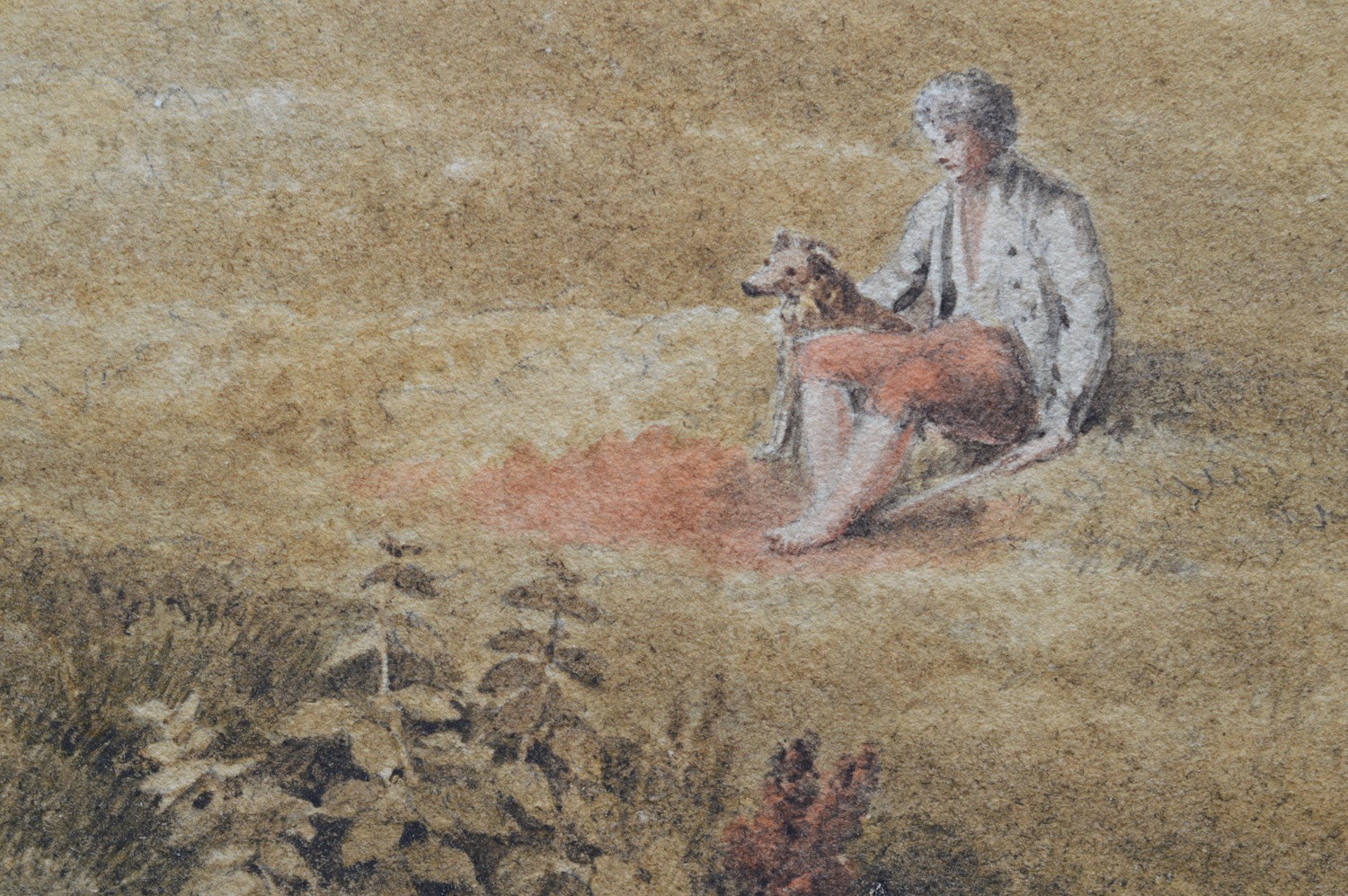
  • MotifsCathedral dome distant background, Grazing cattle in foreground, Pastoral landscape with trees
  • SizeH 40.9 cm (16 in) x W 52 cm (20 in)

This Georgian watercolour painting dates from 1800 and belongs to the English Country House style. Created with watercolour pigment on paper, the artwork presents a muted green, ochre, and sepia palette. The composition depicts a distant cathedral dome in the background, grazing cattle in the foreground, and a pastoral landscape filled with trees. The sheet measures 40.9 cm high and 52 cm wide. Exhibited at the Associated Artists in Water Colours in London in 1808, the piece is signed and dated 1807 by D. Thomson in the lower right corner. The professionally cleaned paper shows some fading while maintaining its historic pastoral detail. Offered unframed, the artwork suits placement above a sideboard in a living room, dining room, or hallway today.

Georgian landscape watercolours from the early 19th century frequently feature pastoral scenes, topographical accuracy, and restrained colour palettes focused on atmospheric lighting and architectural landmarks.

Artists during this era typically used natural ground pigments bound with gum arabic, applied in translucent washes onto handmade cotton or linen rag paper.

Authentic period watercolours display natural age-related toning, distinct paper texture, subtle hand-drawn wash lines, and period-correct mounting techniques.

Positioning a classical landscape painting above a sideboard or console table creates a focal point, pairing well with minimal framing and contemporary neutral backgrounds.

House the artwork behind UV-protective glass with acid-free mounting materials, keeping it away from direct sunlight and rooms with fluctuating humidity levels.
items
Add keywords to the filter
Price
£100
£250000
Era
Period
Style
Material
Origin
Stock Location
Recently Added
Online Payments
Categories