

19th Century Watercolour Picture
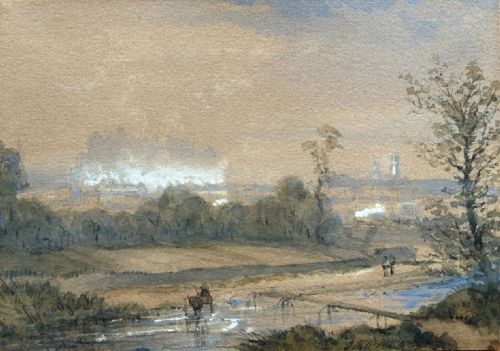
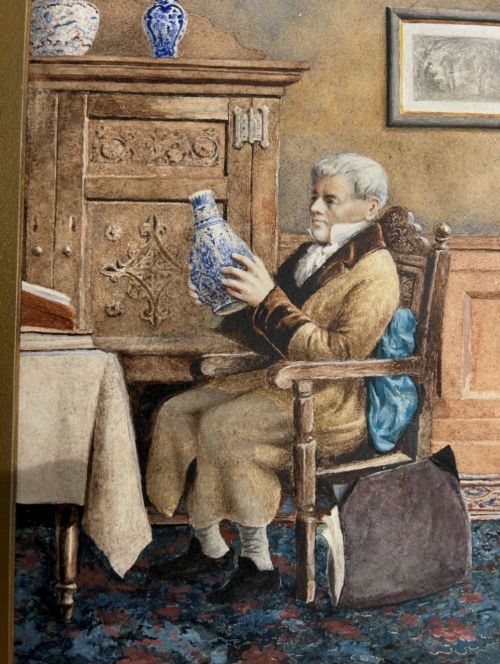
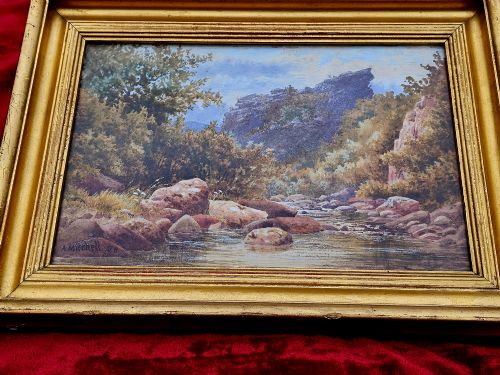
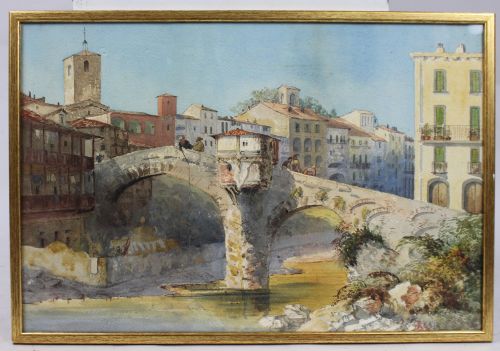
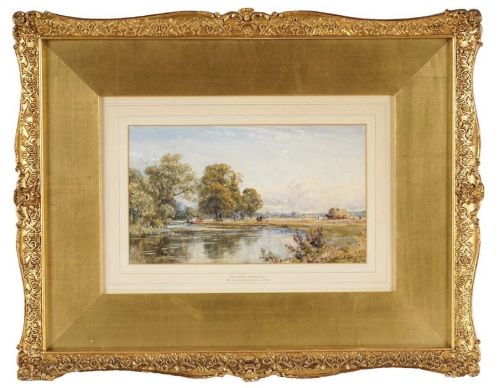
A 19th century watercolour picture brings the domestic interiors, landscapes and coastal scenes of the Victorian and Regency periods into focus.
19th Century Watercolour Picture
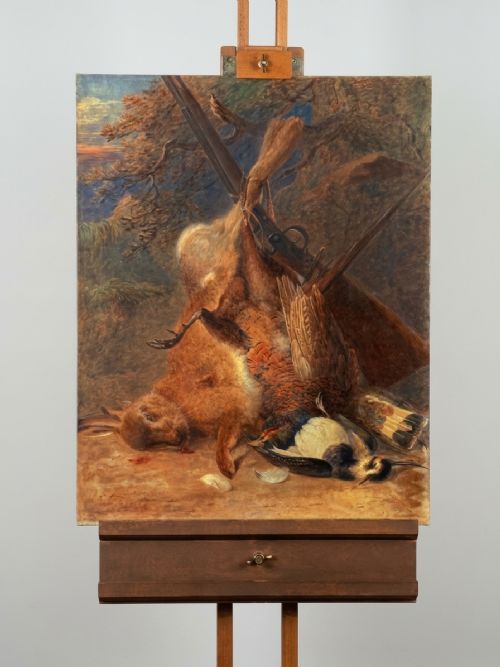
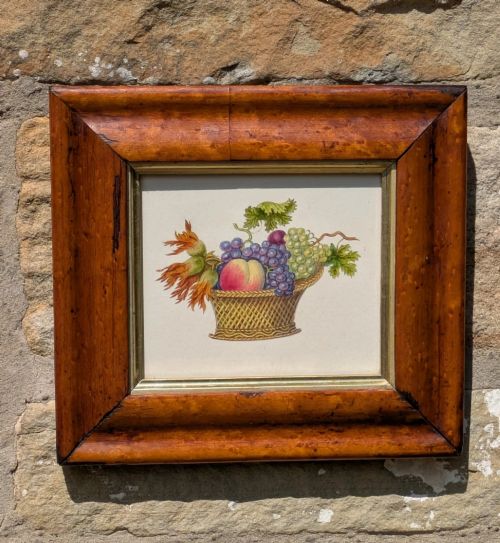
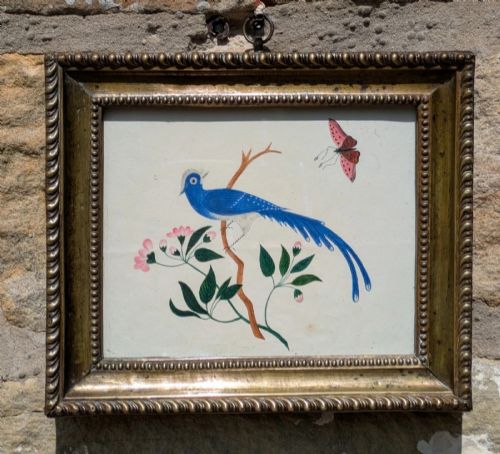
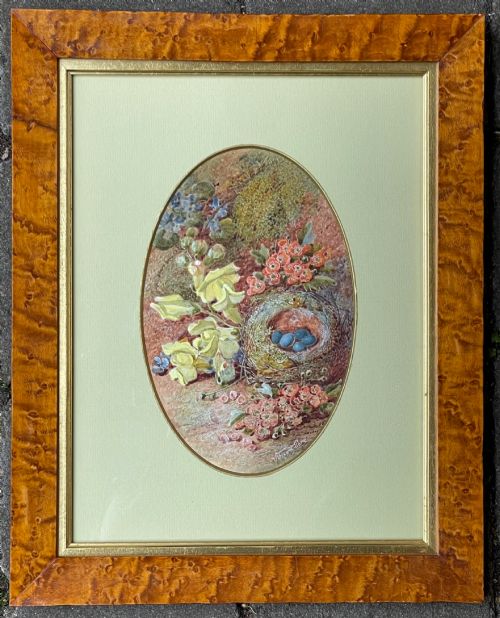
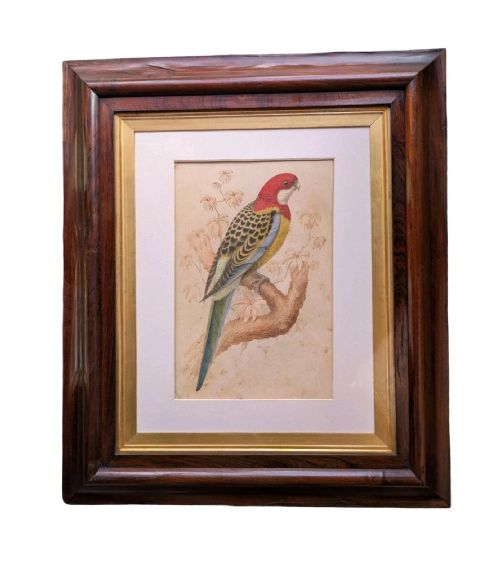
When you search for a 19th century watercolour picture, you encounter works executed on paper using watercolour pigments, bodycolour or gouache, often accompanied by pencil or ink underdrawing. The selections span Regency fruit and bird studies, extensive Victorian landscapes, maritime scenes of clippers and junks, and detailed botanical or ornithological illustrations.
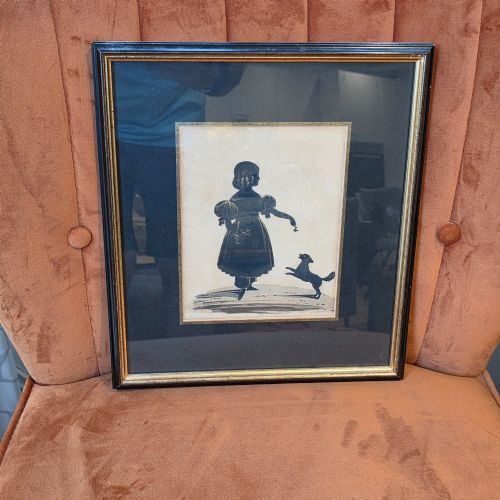
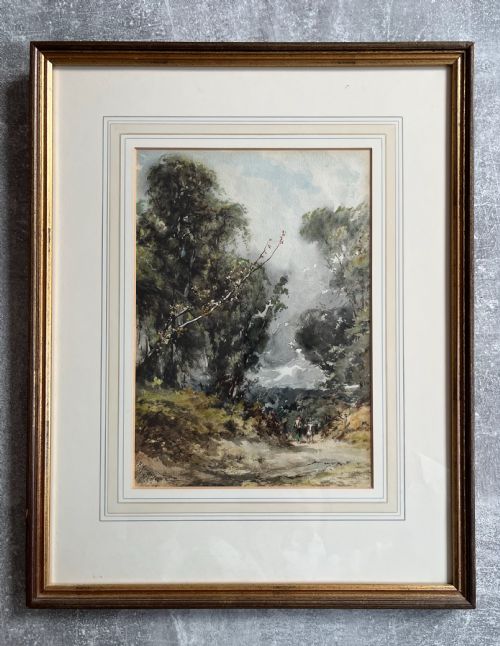
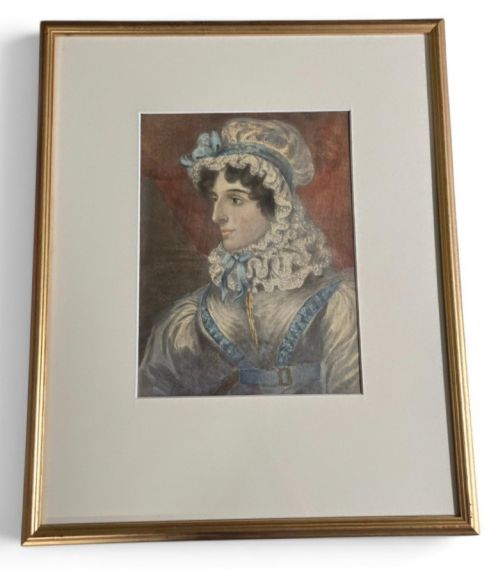
You are most likely to meet framed landscapes, coastal views of Scottish castles and Dorset bays, and intimate portrait miniatures or genre scenes. These pieces frequently bear signatures, dates or attribution to the English School and continental hands, reflecting the broad amateur and professional output of the period.
The physical formats range from small oval miniature portraits to exhibition-size animal paintings and decorative sets of Chinese export shipping studies. They are typically presented behind glass within wooden frames, occasionally edged in gold leaf, gilt wood or rosewood.
Materials and techniques
The works utilise watercolour pigments and bodycolour applied to paper support, frequently reinforced with gouache or pencil highlights to build opacity and texture. Artists of the period employed these water-soluble mediums to capture light on coastal waters, botanical subjects and architectural details.
Framing materials recorded in the evidence include wood, gilt wood, giltwood and rosewood, often protecting the delicate paper sheets beneath glass. Gold leaf accents frequently enhance the framing of exhibition-size or portrait works.
19th Century Watercolour Picture Retail Price Guide 2026
Typical asking prices for 19th century watercolour picture among the pieces listed under this phrase on Sellingantiques today, from the lower quarter to the upper quarter. They describe what is for sale here now, not the wider market.
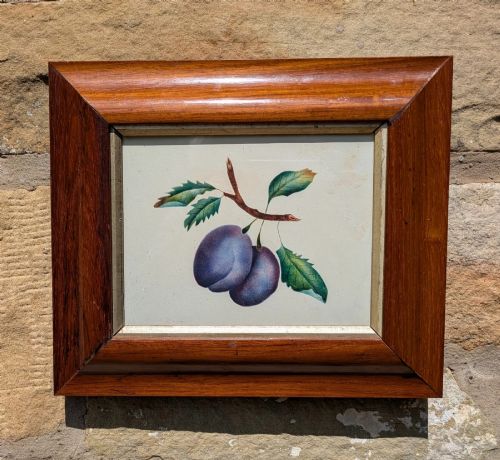
Keep an eye out for a delicate botanical study of plums housed in its original rosewood frame.
What distinguishes finer examples
Quality in these watercolours rests upon the precision of the draughtsmanship and the handling of pigment across the paper. Works by accomplished Royal Academy artists or named professionals demonstrate secure control over washes, light and perspective compared to simpler decorative items.
The integrity of the original framing, such as period rosewood or giltwood housings with glass protection, contributes to the standing of a piece. Condition issues such as fading or foxing on the paper surface influence how successfully the artwork has survived its period.
William James Hubard·George Sydney Shepherd·George Fotherly Hargitt·William Henry Earp·John R Prentice·Alfred Young Nutt·Henry Stacy Marks·Edward Bradford·A Mitchell·Vincent Clare·R Hurst·Robert Thorne Waite·Joseph H Barnes·Henry Travis·Catherine Thomas·Henry Martin Pope·David Cox·Albert Ludovici Jnr·Herman S Melville·George Stanfield Walters·John Moxon·William Frederick Settle·Thomas Cooper Moore·John Bedloe Goddard·Princess Alice Maud Mary
The 19th Century Watercolour Picture Glossary
- Watercolour pigment
- A colourant ground in a water-soluble binder, applied to paper to create transparent washes of colour.
- Bodycolour
- An opaque watercolour paint created by mixing white pigment with transparent colours, often synonymous with gouache.
- Chinese Export
- Artworks produced in China specifically for Western markets, such as gouache paintings of junks created during the nineteenth century.
- Genre painting
- An artwork depicting scenes from everyday life, featuring ordinary people engaged in common activities.
- Foxing
- Brown spots or discoloration on old paper caused by chemical reactions in the material over time.
19th Century Watercolour Picture: Frequently Asked Questions
How do I hang and light these watercolours?
Watercolour pigments are sensitive to strong sunlight and can fade if placed in direct illumination. Hang them on interior walls away from bright windows and damp areas to protect the paper and frame.
Utilising picture lights with low heat output or placing them in shaded spots ensures the pigments remain stable over time.
Are these paintings usually signed?
Many nineteenth-century works bear artist signatures, monograms or contemporary inscriptions on the front or reverse of the paper. Documentation such as dates and titles often appears on the mount or framing.
Unsigned pieces frequently belong to the broader English School or regional traditions where attribution relies on style and subject matter.
What framing is appropriate for them?
Period frames made of wood, giltwood or rosewood are typical for nineteenth-century watercolours. These frames often incorporate glass to shield the paper from dust and atmospheric moisture.
Retaining the original framing helps maintain the historical context and aesthetic balance of the artwork.
How do I distinguish a watercolour from an oil painting?
Watercolours are painted on paper using water-soluble mediums and are invariably displayed behind glass to protect the delicate surface. Oil paintings utilise thick oil-based pigments applied to canvas or wood panels and do not require glass.
Examining the surface with a magnifier reveals the matte texture of paper and pigment rather than the raised brushstrokes of oil.