

English School Landscape Art
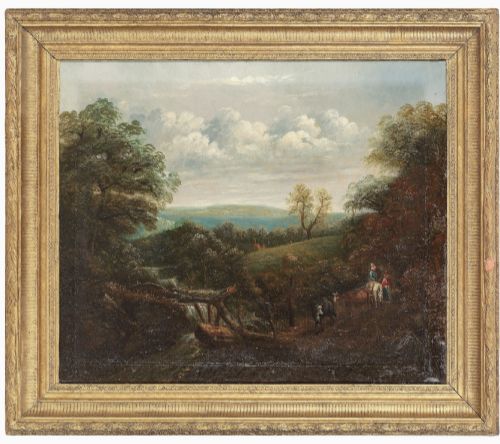
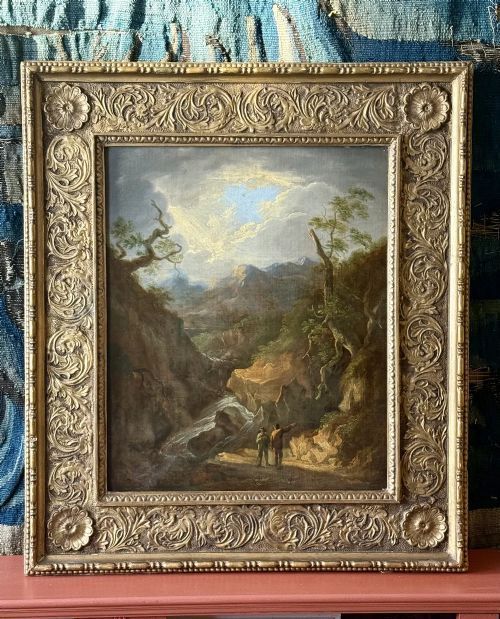
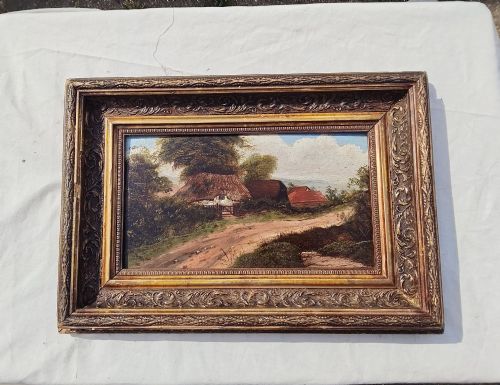
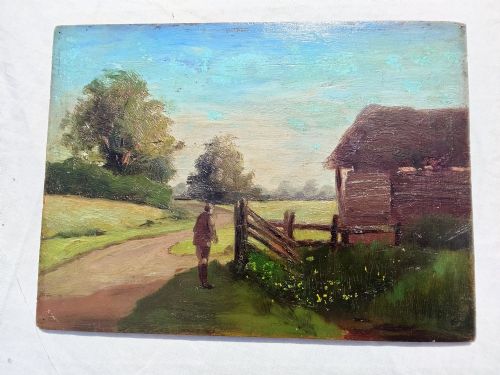
When you search for english school landscape art, you meet centuries of rural views captured on canvas and paper.
English School Landscape Art
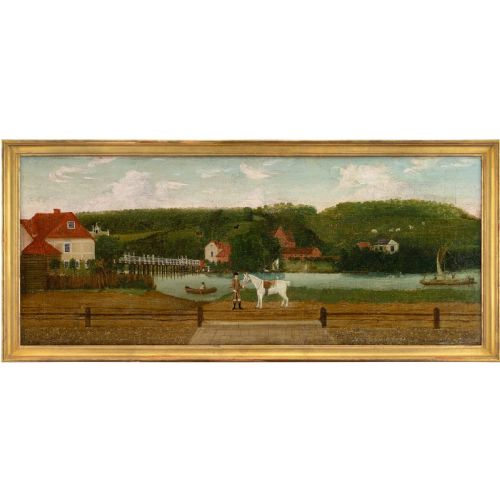
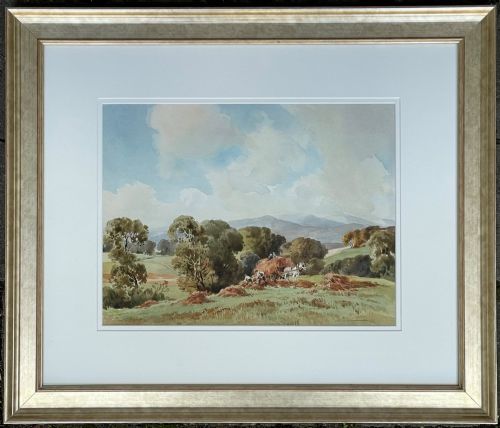
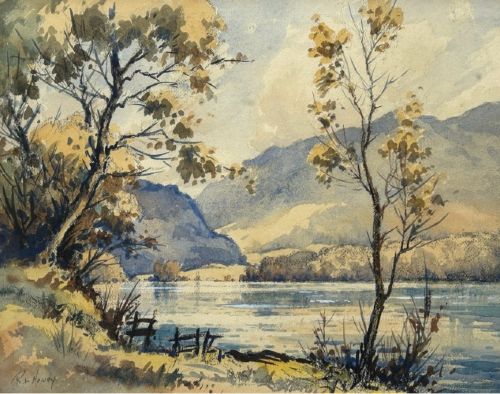
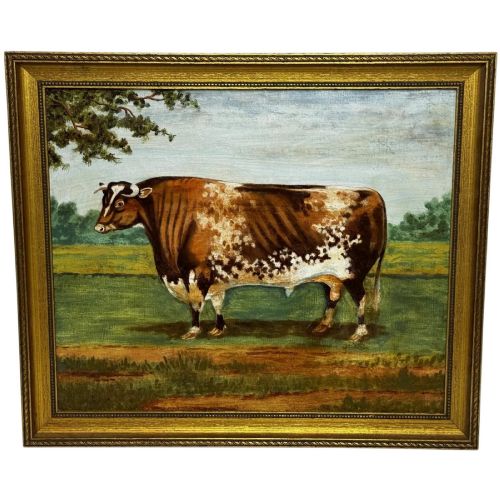
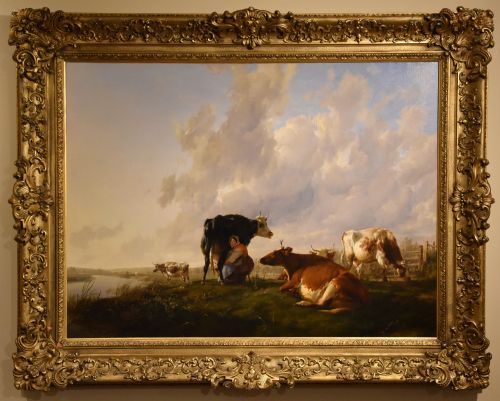
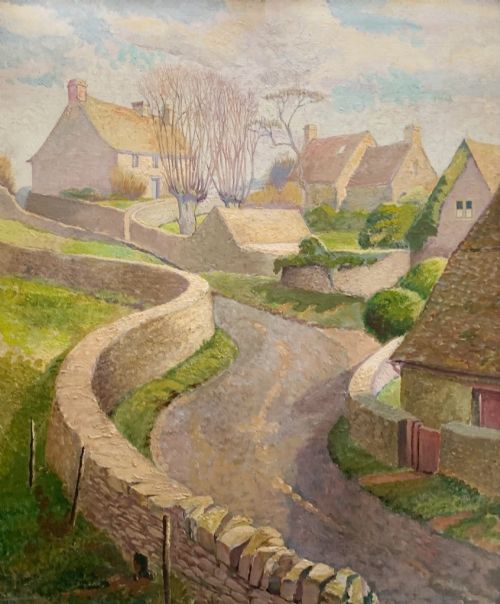
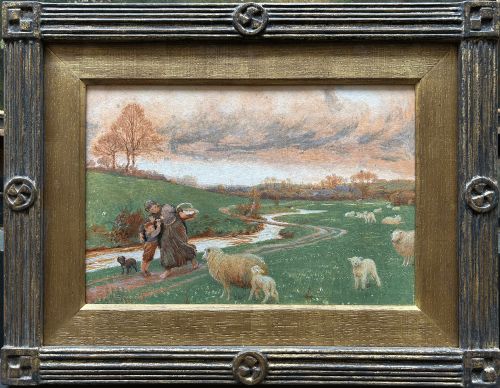
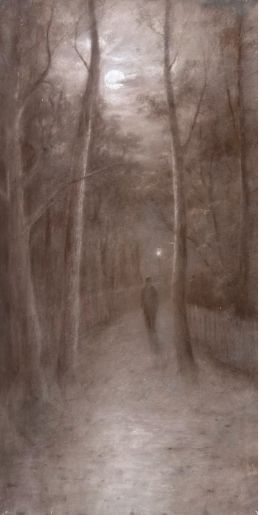
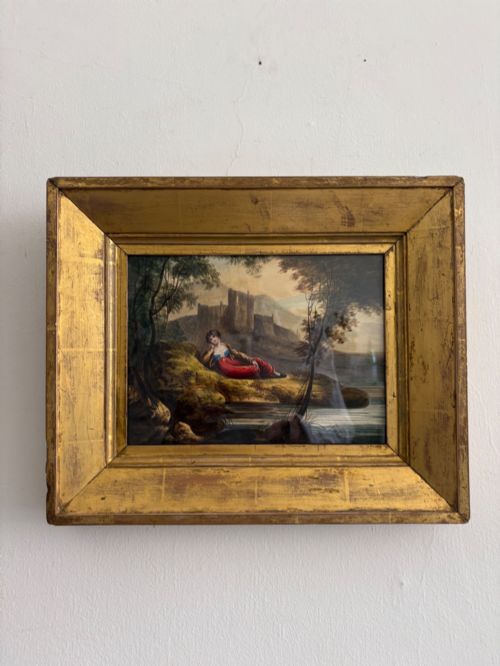
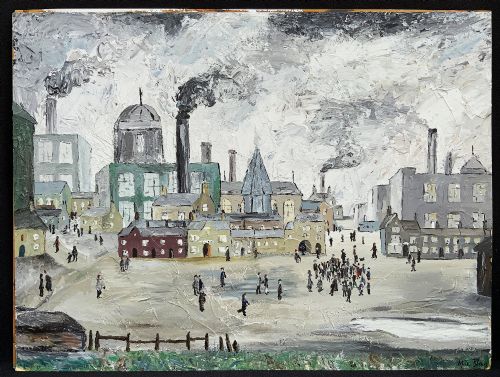
The term english school landscape art covers paintings and watercolours depicting the countryside, rivers, and estates of Britain from the eighteenth century into the mid twentieth century. Buyers encounter depictions ranging from early pastoral watercolours to industrial townscapes and impressionistic rural scenes.
Most examples found on this page date from the nineteenth and early twentieth centuries, reflecting the Victorian and Edwardian passion for topographical and romantic views. These pieces frequently show cottages, rivers, and mountains rendered with traditional regional techniques.
Materials and methods
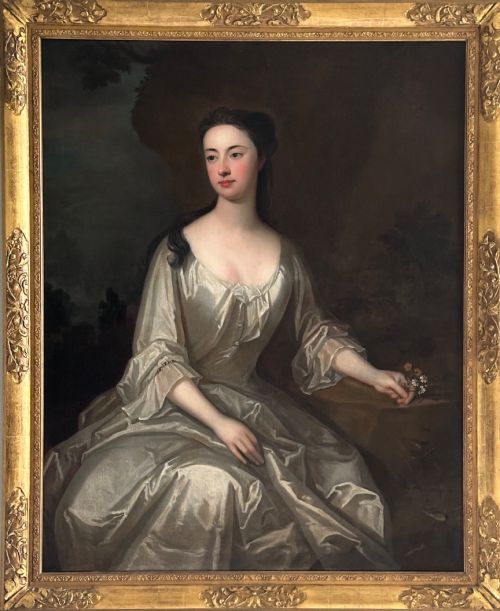
Artists painted primarily using oil on canvas, board, or wooden panels, or applied watercolour onto paper and card. Giltwood frames frequently house these works, providing period housing that complements the palette.
Techniques range from detailed academic brushwork to looser, atmospheric handling influenced by continental movements like the Barbizon school.
English School Landscape Art Retail Price Guide 2026
Typical asking prices for english school landscape art among the pieces listed under this phrase on Sellingantiques today, from the lower quarter to the upper quarter. They describe what is for sale here now, not the wider market.
The selection includes regional depictions ranging from Cumbrian lakes and Yorkshire moors down to southern coastal walks.
Evaluating the standard
Quality rests upon the artist's command of light, atmosphere, and spatial depth within the composition. Stronger works demonstrate confident handling of pigment and a coherent sense of place.
The preservation of the original paint layer and the presence of period framing contribute significantly to an individual piece's standing.
Benjamin Barker of Bath·Thomas Sidney Cooper·David Cox Jnr·Sidney Richard Percy·Frederick Waters Watts
The English School Landscape Art Glossary
- English School
- A designation applied to artists trained or working in Britain, often used when a specific hand is unknown but the regional tradition is clear.
- Norwich School
- The first provincial art movement in Britain, founded in the early nineteenth century and focused on local Norfolk scenery.
- Watercolour
- A paint consisting of water-soluble pigments applied to paper, favoured for preparatory sketches and finished pastoral views alike.
- Giltwood
- Timber carved and coated with gold leaf, commonly used for nineteenth-century picture frames.
- Barbizon Influence
- A style reflecting the mid nineteenth-century French approach to painting landscapes directly from nature with moody, atmospheric textures.
English School Landscape Art: Frequently Asked Questions
How do I date an antique landscape painting?
Examine the stretcher construction, canvas type, and paper watermark if visible. Stylistic clues in costume and framing also offer reliable chronological markers.
Comparison with documented works by similar regional artists helps narrow down the decade of creation.
What is the difference between oil and watercolour here?
Oils use pigment suspended in drying oil, typically applied to canvas, board, or panel, offering rich texture and depth. Watercolours use water-soluble pigment on paper, resulting in lighter, translucent effects.
Both mediums captured the British countryside but served different purposes for the artist.
How should I hang and light these artworks?
Keep paintings away from direct sunlight and fluctuating heat sources to protect canvas and paper from fading and drying out. Use dedicated picture lights with low UV output to illuminate the surface safely.
Ensure walls can support the weight, particularly for pieces housed in heavy giltwood frames.
What does attribution to the English School mean?
This label indicates the work originates from a British artist working within established national traditions of the period. It is frequently used when a signature is absent or illegible but the stylistic traits are clear.
Such pieces reflect the broader artistic output of the era without bearing a famous signature.